The Connection Between Gut Health and Mental Well-Being
26 January 2026
Have you ever had that "gut feeling" about something? Or felt butterflies in your stomach when you're nervous? These common phrases actually highlight a fascinating truth—there’s a deep and undeniable connection between your gut and your brain.
Your digestive system isn’t just responsible for breaking down food and absorbing nutrients. It also plays a crucial role in your mental health. In fact, scientists now refer to the gut as the "second brain." But how exactly does the health of your gut influence your mood, thoughts, and overall well-being? Let’s dive in!

What Is the Gut-Brain Connection?
Your gut and brain communicate constantly through something called the gut-brain axis. This is a two-way communication system between your digestive system and central nervous system, mainly through the vagus nerve and various biochemical signals.Your gut is home to trillions of microorganisms, collectively known as the gut microbiome, which play a crucial role in digestion, immunity, and even brain function. When this microbiome is out of balance, it can lead to a range of health issues—including anxiety, depression, and brain fog.
The Role of the Vagus Nerve
Think of the vagus nerve as a direct highway between your gut and your brain. This nerve sends signals both ways, meaning what happens in your gut can influence your brain, and vice versa.When your gut is inflamed or imbalanced, it can send distress signals to your brain, potentially triggering mood disorders. On the other hand, stress and anxiety can also disrupt digestion, creating a cycle that can be tough to break.
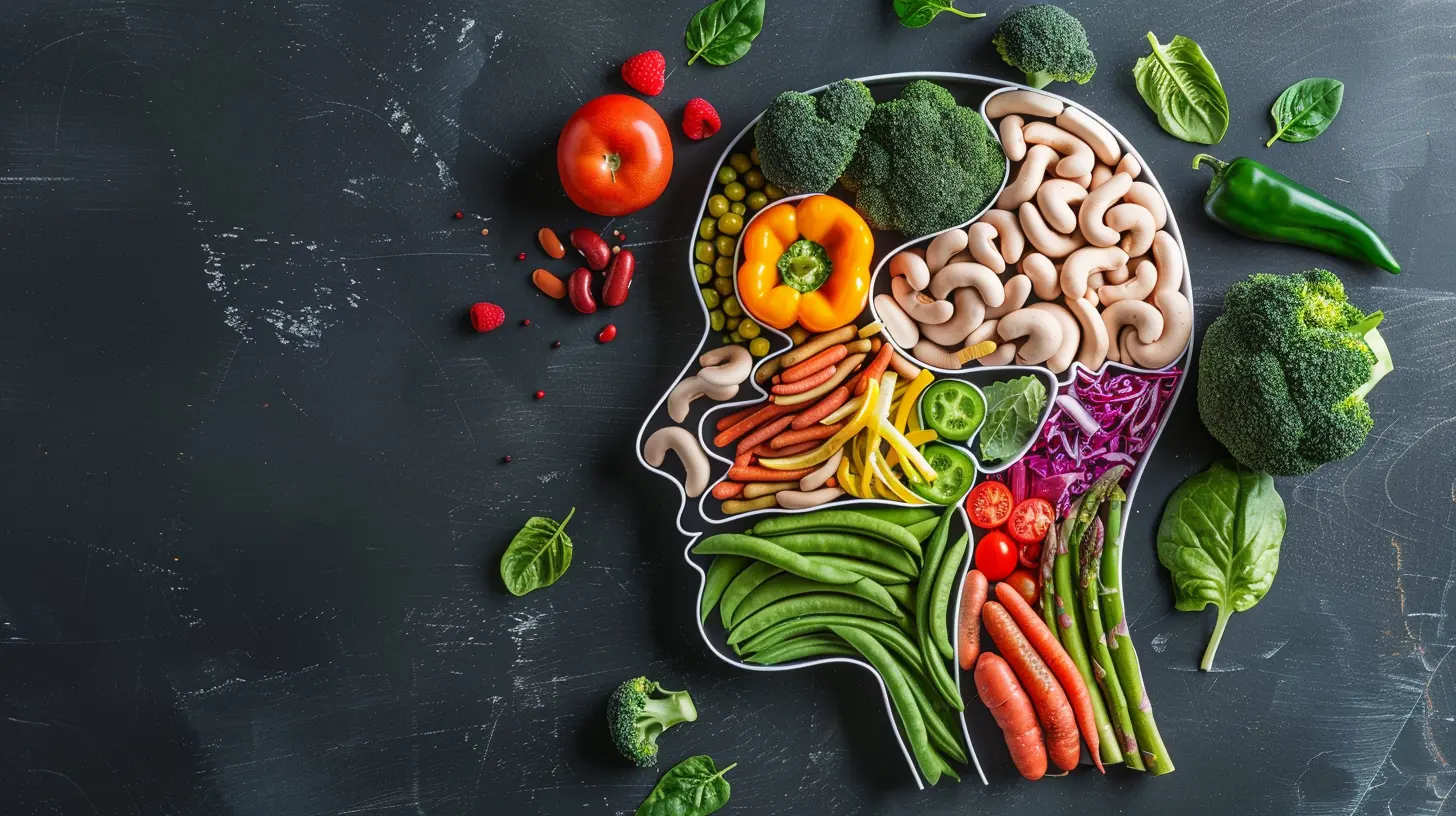
How Gut Health Affects Your Mental Well-Being
The gut does more than just digest food—it helps produce crucial neurotransmitters, regulates inflammation, and supports brain function. Let’s break down the main ways gut health influences your mental well-being.1. Your Gut Produces Neurotransmitters
Neurotransmitters are the brain's chemical messengers that regulate mood and emotions. Believe it or not, many of these are actually produced in your gut!- Serotonin – Often called the “happiness hormone,” serotonin regulates mood, sleep, and appetite. Around 90% of serotonin is made in the gut.
- Dopamine – This neurotransmitter influences motivation and pleasure. A healthy gut microbiome helps regulate dopamine production.
- GABA (Gamma-Aminobutyric Acid) – This calming neurotransmitter helps reduce anxiety and stress. Certain gut bacteria are responsible for producing GABA.
When your gut flora is unbalanced, neurotransmitter production can suffer, leading to mood swings, anxiety, and even depression.
2. Inflammation and Mental Health
Chronic gut inflammation is linked to several mental health disorders, including depression and anxiety. When the gut lining becomes inflamed, it can lead to a condition called leaky gut, where toxins and bacteria enter the bloodstream and trigger an immune response.This inflammation can then affect the brain, impairing cognition and contributing to conditions like brain fog, fatigue, and low energy.
3. The Microbiome and Stress Response
Your gut bacteria help regulate the body’s response to stress. When your microbiome is diverse and healthy, you’re more likely to handle stress well. But if your gut is imbalanced, stress can hit you harder.Stress itself can also negatively impact gut health by reducing good bacteria and increasing harmful microbes. This creates a vicious cycle where stress harms the gut, and an unhealthy gut makes stress harder to manage.

Signs of an Unhealthy Gut
How do you know if your gut is in trouble? Here are some common red flags:- Digestive Issues – Frequent bloating, gas, diarrhea, or constipation can indicate an imbalanced gut.
- Mood Swings and Anxiety – If you're experiencing unexplained mood changes, your gut health could be a factor.
- Brain Fog and Low Energy – Poor gut health can make you feel sluggish, unfocused, or mentally drained.
- Sugar Cravings – An unhealthy gut often leads to intense sugar cravings, which can further disrupt gut balance.
- Skin Problems – Conditions like acne, eczema, or rosacea may be linked to gut imbalances.
If you recognize any of these symptoms, it may be time to start paying closer attention to your gut health.

Ways to Improve Gut Health for Better Mental Well-Being
The good news? You can actively improve your gut health, which in turn can boost your mental well-being. Here’s how:1. Eat More Probiotics
Probiotics are live beneficial bacteria that help maintain a balanced gut microbiome. Some great sources include:- Yogurt (look for "live and active cultures")
- Kefir
- Sauerkraut
- Kimchi
- Miso
- Kombucha
Adding these probiotic-rich foods to your diet can help restore balance to your gut and improve your mood.
2. Increase Prebiotic Intake
Prebiotics are types of fiber that feed your good gut bacteria. Foods rich in prebiotics include:- Garlic
- Onions
- Bananas
- Asparagus
- Oats
- Apples
Think of probiotics as the "seeds" and prebiotics as the "fertilizer" that helps them grow!
3. Reduce Processed Foods and Sugar
Highly processed foods and excess sugar can promote the growth of harmful bacteria, leading to gut imbalances and inflammation. Cutting back on junk food and refined sugar can do wonders for gut (and brain) health.4. Manage Stress Levels
Since stress directly impacts gut health, managing stress is crucial. Here are some effective ways to reduce stress:- Meditation and Deep Breathing – Helps calm the nervous system and improve gut function.
- Exercise – Regular movement increases beneficial gut bacteria and reduces stress hormones.
- Quality Sleep – Poor sleep harms both gut and mental health, so aim for 7-9 hours per night.
5. Stay Hydrated
Water is essential for digestion, nutrient absorption, and maintaining a healthy gut barrier. If you’re not drinking enough water, your digestion slows down, and your gut health can suffer.6. Consider Supplementing
If you struggle with gut issues, probiotic supplements may help. Additionally, omega-3 fatty acids, vitamin D, and magnesium support both gut and brain health. Always consult a healthcare professional before starting new supplements.The Bottom Line
Your gut and brain work together more than you might think. When one is out of balance, the other often suffers. But the good news is that by taking control of your gut health, you can improve your mood, reduce stress, and enhance overall mental well-being.Start small—add more probiotic foods to your diet, cut down on processed junk, and find ways to manage stress. Over time, these simple changes can lead to a healthier gut and a happier mind.
So, the next time you feel anxious, moody, or mentally drained, consider looking inward—your gut might be trying to tell you something!
all images in this post were generated using AI tools
Category:
NutritionAuthor:

Jackson Mahoney
Discussion
rate this article
2 comments
Wesley McVeigh
Gut health: key to mental wellness!
February 21, 2026 at 3:28 AM
Jackson Mahoney
Absolutely! The gut-brain connection is crucial, as a healthy gut can positively influence mood and mental clarity.
Solstice Snyder
This article insightfully highlights the fascinating link between gut health and mental well-being, emphasizing how a balanced microbiome can significantly enhance mood and cognitive function. A must-read!
January 27, 2026 at 5:59 AM
Jackson Mahoney
Thank you for your kind words! I'm glad you found the article insightful and informative.