The Connection Between Hydration and Seasonal Allergies
23 May 2026
Let’s talk about something that affects millions of people every year (and maybe you, too): seasonal allergies. You know—the sneezing, the itchy eyes, the stuffy nose that magically appear when spring or fall rolls around. It's like your body becomes allergic to fresh air! But here’s a juicy little secret that not many people are talking about… hydration might just be your unexpected allergy-fighting sidekick.
Yep, that’s right! The simple act of drinking enough water could ease those nagging allergy symptoms. So, grab your reusable water bottle and let’s dive into the connection between hydration and seasonal allergies—because staying allergy-free could be as easy as sipping smarter.
What Are Seasonal Allergies, Anyway?
Before we rush off to the water cooler, let’s first understand what seasonal allergies actually are. Basically, they’re your immune system freaking out over harmless stuff like pollen, mold spores, and grass.> Imagine your immune system as an overprotective parent, waving red flags and sounding alarms when pollen floats by. It reacts by releasing histamines, which cause all those annoying symptoms. Achoo!
These allergies usually pop up in spring, summer, or early fall—depending on what you're allergic to. Some people feel like they have a cold that never ends…but it’s pollen, not a virus that’s the real culprit.
The Role of Hydration in the Body
Let's switch gears for a second and talk water. Your body is basically a giant water balloon—about 60% of it is made up of H2O. Crazy, right?Water does a ton of important jobs, like:
- Regulating body temperature
- Lubricating joints
- Helping blood circulate
- Aiding digestion
- Flushing out toxins
But here's the kicker: your respiratory system (the one that's under attack during allergy season) also relies heavily on staying hydrated to function properly.
Think of mucus (yep, we're going there) like a doorman in your nasal passages. When it's at the right consistency—thin and watery—it can trap allergens and gently escort them out of your body. But when you're dehydrated? That mucus becomes thick and sticky, like molasses. And that means allergens stick around longer, causing more irritation.
Hydration vs. Histamines: What’s the Deal?
Remember those histamines we talked about earlier? They're basically chemical messengers your body releases during an allergic reaction. They’re why you grab antihistamines in the pharmacy aisle.But did you know your body produces more histamines when you're dehydrated? Yep, it’s true.
Your body prioritizes water like it’s gold. When you’re running low, histamine production increases because it helps regulate fluid balance and make the body conserve water. This means more histamines = more allergy symptoms. It’s like adding fuel to the fire.
> So if you’re chugging coffee and skipping water, your body’s response to allergens may get a whole lot worse.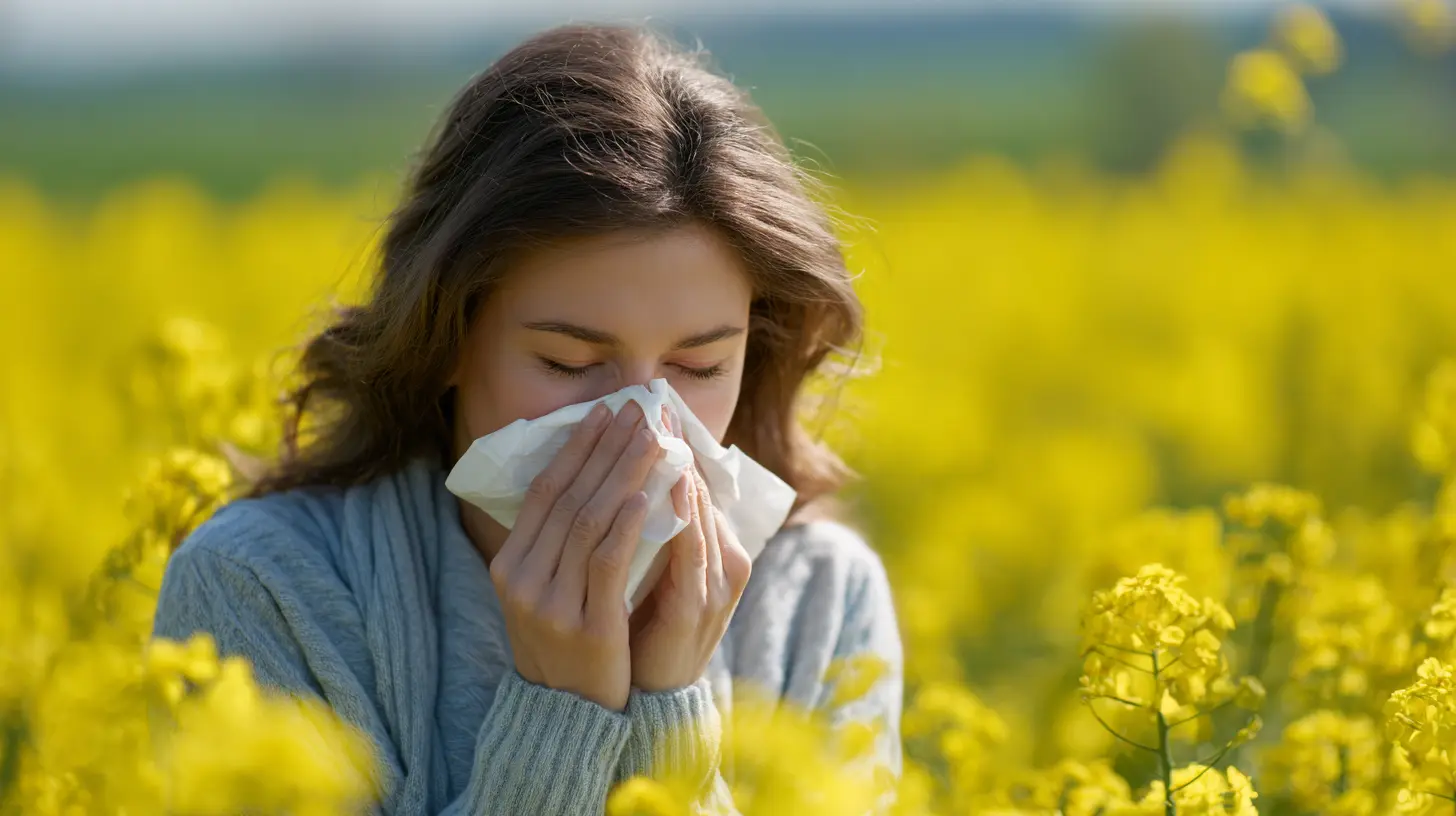
Signs You're Not Hydrated Enough
Before you start guzzling gallons of water, let’s make sure you actually need it. Dehydration can be sneaky. Here are some signs you might be running low on H2O:- Dry mouth and dry eyes
- Fatigue or sluggishness
- Headache
- Dizziness
- Dark yellow urine (TMI, but super important)
- Dry or flaky skin
- Increased allergy symptoms
Sound familiar? If you're already an allergy sufferer and experiencing these, poor hydration may be making things worse.
How Does Water Help With Allergy Symptoms?
Now let’s get to the exciting part—how water can be your allergy ally.1. Thins Mucus
We've already touched on this, but it's worth repeating. When you're hydrated, your mucus stays thin and can trap allergens better. That means fewer allergens hanging around in your nose and sinuses causing drama.2. Keeps Nasal Passages Moist
Dry nasal passages are an open invitation for pollen to party. Staying hydrated helps maintain moisture in the sinuses, creating a slippery surface that allergens can't cling to easily.3. Flushes Out Toxins and Allergens
Think of your body like a car engine—it needs regular flushing to get rid of gunk. Drinking plenty of water helps your kidneys and liver flush out toxins and allergens more efficiently.4. Reduces Inflammation
Hydration helps your body manage inflammation. When you're well-watered, your body’s natural inflammation response is more balanced. That’s good news for your swollen sinuses and itching eyes.Not Just Water: Other Ways to Stay Hydrated
Okay, I get it. Not everyone’s jazzed about plain water. But hydration doesn't have to be boring. Here are some fun and tasty ways to up your water game:? Herbal Teas
Caffeine-free teas, like chamomile or mint, are soothing and hydrating. Bonus: some herbs even have natural antihistamine properties!? Water-Rich Foods
Eat your hydration! Munch on cucumber, watermelon, strawberries, lettuce, and oranges. They’re packed with water and vitamins that help support immune health.? Soups & Broths
A warm bowl of soup can do wonders for your sinuses and contribute to your daily fluid intake, especially broths.? Coconut Water
Low in sugar and full of electrolytes, it’s like nature’s sports drink. Just make sure it’s not packed with additives.How Much Water Should You Drink?
Ah, the million-dollar question. You've probably heard the old “8 glasses a day” rule, but the truth is—it depends.Here’s a general guideline:
- Men: About 3.7 liters (or 15.5 cups) per day
- Women: About 2.7 liters (or 11.5 cups) per day
That includes all fluids from drinks and food. If you're sweating more, exercising, or dealing with allergies, you may need even more.
> Pro tip: Check your urine. If it’s pale and light yellow, you’re golden. If it's dark, it might be time to refill that bottle.
Allergy-Proof Your Hydration Habits
Alright, we’ve made the case for hydration. Now, let’s turn theory into action. Here are some simple ways to keep your hydration game strong—especially during allergy season:✔ Carry a Water Bottle Everywhere
Treat it like your phone: never leave home without it.✔ Set Reminders
Use a hydration app or phone alarms to prompt you to sip throughout the day.✔ Infuse Your Water
Drop in fruits, herbs, or even cucumber slices for flavor-packed sips.✔ Cut Back on Dehydrating Drinks
Coffee, soda, and alcohol can dehydrate you. Keep them in check when allergies are high.✔ Listen to Your Body
Feeling sluggish, foggy, or extra sniffly? Don’t just reach for tissue—reach for your water glass, too.When to See a Doctor
While hydration helps a ton, it’s not a magic wand. If you’re constantly drowning in tissues, having trouble breathing, or your symptoms mess with your daily life, it’s time to talk to a healthcare professional. Allergies can escalate into sinus infections or asthma if not managed properly.Final Thoughts: Water—Your Body’s Unsung Hero During Allergy Season
Who knew something so simple could be such a game-changer? Staying hydrated won’t cure your seasonal allergies, but it can absolutely help take the edge off. From thinning out stubborn mucus to flushing allergens right out of your system, water deserves way more credit.So this allergy season, don't just stock up on tissues and antihistamines—top off that water bottle and give your body the hydration it craves. Your sinuses will thank you!
Frequently Asked Questions (FAQs)
❓Can being dehydrated make allergies worse?
Yes! Dehydration can make histamine levels rise and thicken mucus, which worsens allergy symptoms.❓Is drinking more water as effective as taking antihistamines?
Not exactly—antihistamines counteract your body’s immune response, while water supports your body’s natural functions. But together? Dream team.❓Does coffee count toward hydration?
Kind of. While it’s a fluid, caffeine has a mild diuretic effect. Best to balance every cup of coffee with a glass of water.❓Can you drink too much water?
You can, but it’s rare. It’s called water intoxication and usually happens only when excessive amounts are consumed in a short period. Just listen to your body and sip throughout the day.all images in this post were generated using AI tools
Category:
HydrationAuthor:

Jackson Mahoney
Discussion
rate this article
2 comments
Amber McCord
Staying hydrated can make a real difference during allergy season. Water helps flush out toxins and supports your immune system. A simple glass can boost your well-being and make those seasonal challenges a bit easier to handle. Drink up!
August 19, 2026 at 3:14 PM
Jackson Mahoney
Absolutely! Staying hydrated is key. It really can ease those allergy symptoms and support overall health. Cheers to drinking more water!
Calyx McCarthy
Staying hydrated can make a real difference during allergy season. Simple changes to your water intake might boost your comfort and well-being. Let's embrace hydration for a healthier, happier life!
May 25, 2026 at 3:01 PM
Jackson Mahoney
Absolutely! Staying hydrated is a simple but effective way to ease allergy symptoms. Every little bit helps in feeling better during this season.