The Connection Between Sleep Apnea and Oral Health
6 February 2026
When we think about sleep apnea, we mostly associate it with loud snoring and restless nights. But did you know that this sleep disorder can have serious implications for your oral health? That’s right—your teeth, gums, and even jaw can suffer from the effects of sleep apnea.
In this article, we’ll break down the relationship between sleep apnea and oral health, identify the signs to watch for, and explore how dentists can play a crucial role in detecting and managing this condition.
What Is Sleep Apnea?
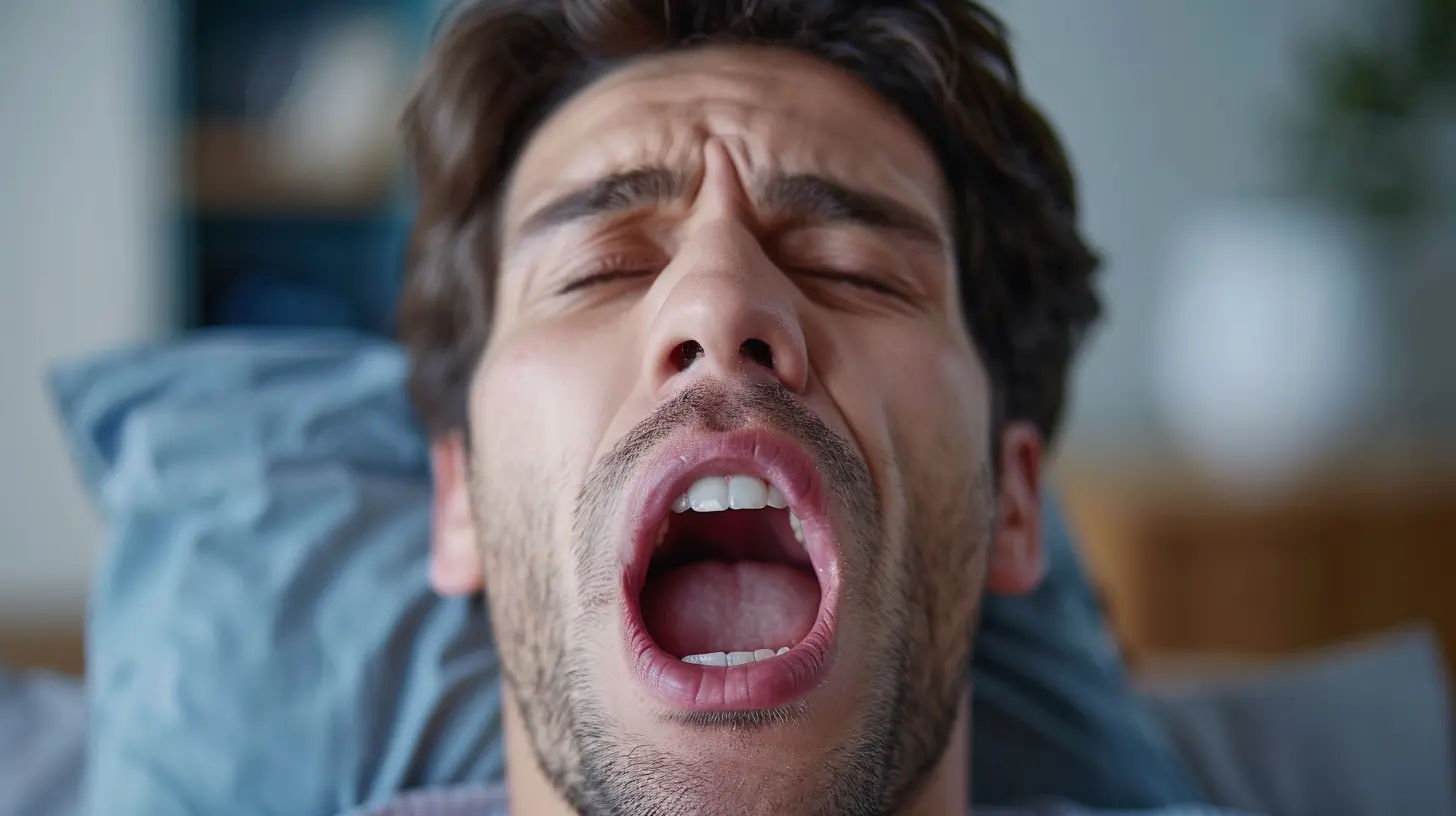
Before we dig into its impact on oral health, let’s get a clear picture of what sleep apnea actually is.Sleep apnea is a disorder where breathing repeatedly stops and starts during sleep. The most common type is obstructive sleep apnea (OSA), where the muscles in the back of the throat relax too much, causing an airway blockage. This forces the brain to wake you up briefly to resume breathing—often without you even realizing it.
The result? Poor sleep quality, excessive daytime fatigue, and if left untreated, potential health risks like high blood pressure, heart disease, and even diabetes.
But here’s the kicker: Sleep apnea doesn’t just affect your sleep—it messes with your oral health too. Let’s find out how.

How Sleep Apnea Affects Oral Health
Many people don’t realize the strong link between sleep apnea and dental health, but the two are closely connected. Here’s how:1. Teeth Grinding (Bruxism)
Ever wake up with a sore jaw or sensitive teeth? You might be grinding your teeth at night.Bruxism is often seen in people with sleep apnea. When your airway is blocked, your body tries to reopen it by clenching or grinding your teeth. Over time, this habit can cause serious dental damage, including:
- Worn-out enamel
- Tooth sensitivity
- Fractured or chipped teeth
- Jaw pain or temporomandibular joint (TMJ) disorders
2. Dry Mouth and Increased Cavities
Because people with sleep apnea tend to breathe through their mouths at night, they often wake up with dry mouth. When there's less saliva, your mouth loses its natural defense against bacteria. The result? A higher risk of:- Cavities
- Gum disease
- Bad breath (halitosis)
3. Gum Disease (Periodontitis)
Sleep apnea and periodontitis (severe gum infection) often go hand in hand. Research suggests that the inflammation caused by sleep apnea may contribute to gum disease. And since gum disease has been linked to other systemic health issues (like heart disease), this makes managing sleep apnea even more important.4. Mouth Breathing and Orthodontic Issues
People with sleep apnea often develop the habit of mouth breathing instead of nasal breathing. This can lead to:- A higher chance of developing crooked teeth
- Changes in jaw development, especially in children
- A higher risk of developing malocclusion (misalignment of teeth)
Over time, these issues may require orthodontic treatment to correct.
5. Temporomandibular Joint (TMJ) Disorder
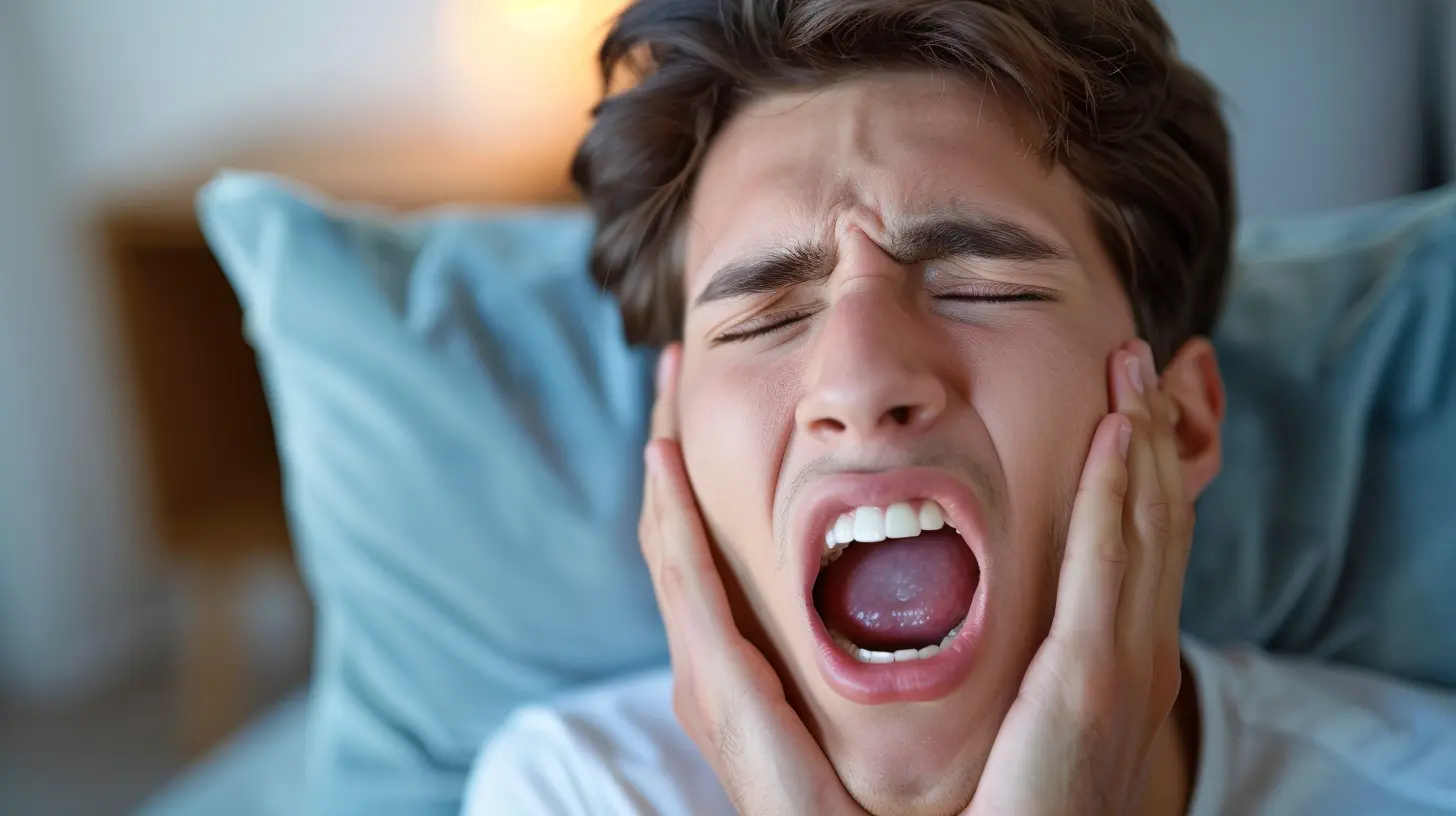
The temporomandibular joint connects your jaw to your skull, and when sleep apnea causes grinding and clenching, it can put extra stress on this joint. This can result in:- Jaw pain and stiffness
- Clicking or popping sounds when opening the mouth
- Frequent headaches and facial pain
Signs of Sleep Apnea That Dentists Can Detect
Believe it or not, your dentist might be one of the first people to notice signs of sleep apnea. Some of the common red flags they look for include:- Worn-down teeth (a sign of grinding)
- A scalloped tongue (caused by pressing the tongue against the teeth to open the airway)
- Inflamed or receding gums (linked to dry mouth and gum disease)
- Small or narrow airway detected while examining the throat
- Jaw pain or TMJ issues
If your dentist spots these signs, they may recommend a sleep study to evaluate whether you have sleep apnea.
How Dentists Can Help Manage Sleep Apnea
While doctors and sleep specialists usually diagnose sleep apnea, dentists play a major role in treating it. Here’s how they can help:1. Oral Appliance Therapy (OAT)
Instead of using a CPAP machine (which some people find uncomfortable), many dentists offer oral appliances designed to keep the airway open during sleep. These mouthguards gently shift the jaw forward, preventing airway collapse and reducing apnea episodes.2. Custom Night Guards for Bruxism
If teeth grinding is a problem, a dentist can provide a custom night guard. This device protects teeth from excessive wear and reduces jaw strain, which can help minimize damage caused by sleep apnea-related bruxism.3. Gum Disease Treatment
Since sleep apnea can contribute to gum disease, dentists can offer deep cleanings, scaling, and root planing to manage inflammation and prevent further damage.4. Education on Breathing Techniques
Some dentists work alongside sleep specialists to teach patients about proper nasal breathing techniques. Encouraging nasal breathing instead of mouth breathing can help reduce both apnea symptoms and oral health issues.Practical Tips to Protect Your Oral Health If You Have Sleep Apnea
If you have sleep apnea (or suspect you might), here are a few steps to safeguard your oral health:- Stay Hydrated: Dry mouth accelerates tooth decay, so drink plenty of water to keep your mouth moist.
- Use a Humidifier: Adding moisture to the air while you sleep can reduce dry mouth symptoms.
- Practice Good Oral Hygiene: Brush twice a day, floss daily, and visit your dentist regularly.
- Consider an Oral Appliance: If CPAP isn’t for you, talk to your dentist about oral appliance therapy.
- Address Mouth Breathing: If you breathe through your mouth, work on switching to nasal breathing with the help of a nasal strip or a sleep specialist.
Final Thoughts
Sleep apnea is more than just a sleep disorder—it’s an issue that affects your entire body, including your oral health. From teeth grinding to gum disease, the connection between sleep apnea and oral health is undeniable. The good news? With the right dental care and management strategies, you can reduce the impact of sleep apnea on your teeth and gums.If you suspect you have sleep apnea or are experiencing any oral health symptoms related to it, don’t ignore the signs. Schedule a visit with your dentist or a sleep specialist and take steps toward better overall health—one breath at a time.
all images in this post were generated using AI tools
Category:
Healthy TeethAuthor:

Jackson Mahoney
Discussion
rate this article
2 comments
Jacob McLaughlin
Neglecting oral health worsens apnea.
February 25, 2026 at 5:38 AM
Jackson Mahoney
Absolutely, neglecting oral health can exacerbate sleep apnea symptoms, as oral conditions can impact airway function and overall sleep quality.
Fallon McClendon
This article beautifully highlights the often-overlooked link between sleep apnea and oral health. Understanding this connection is vital, as it can help many people prioritize their overall well-being. Knowledge empowers us to seek holistic solutions. Thank you for shedding light on such an important topic!
February 7, 2026 at 4:29 AM
Jackson Mahoney
Thank you for your thoughtful comment! I'm glad you found the connection between sleep apnea and oral health valuable. Raising awareness is key to improving overall well-being.