The Environmental Benefits of Choosing a Plant-Based Lifestyle
16 January 2026
Let’s face it—our planet’s in a bit of a pickle. Climate change, deforestation, pollution… the list goes on. But rather than feeling helpless, there’s actually something powerful we can all do right now: switch to a plant-based lifestyle. Yup, that means more broccoli, beans, and bananas—and fewer burgers. Sounds simple, right? That's because it is.
In this article, we're diving into how going plant-based doesn't just do wonders for your health but also gives Mother Earth a helping hand. So, grab your favorite smoothie, get comfy, and let’s unpack the environmental perks of going green with your plate.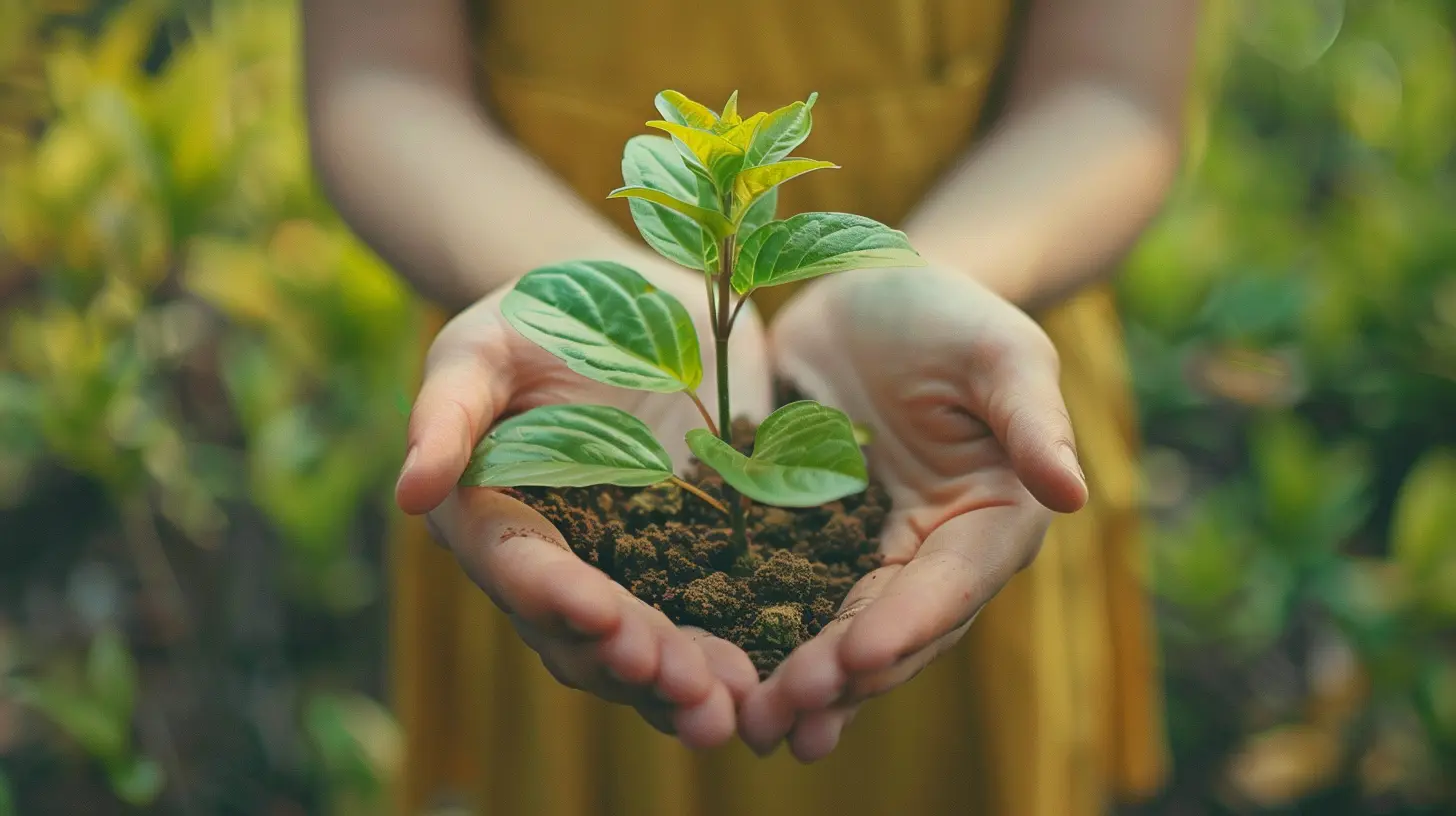
🌍 Why Your Food Choices Matter More Than You Think
Have you ever thought about the journey your food takes before it reaches your plate? From the farm to your fork, every meal has a carbon footprint. And here’s the kicker—animal agriculture is one of the top contributors to greenhouse gas emissions worldwide. In fact, it's up there with the transportation and energy sectors.So, every time you choose a veggie burger over a beef one, you're cutting down on emissions more than you probably realize.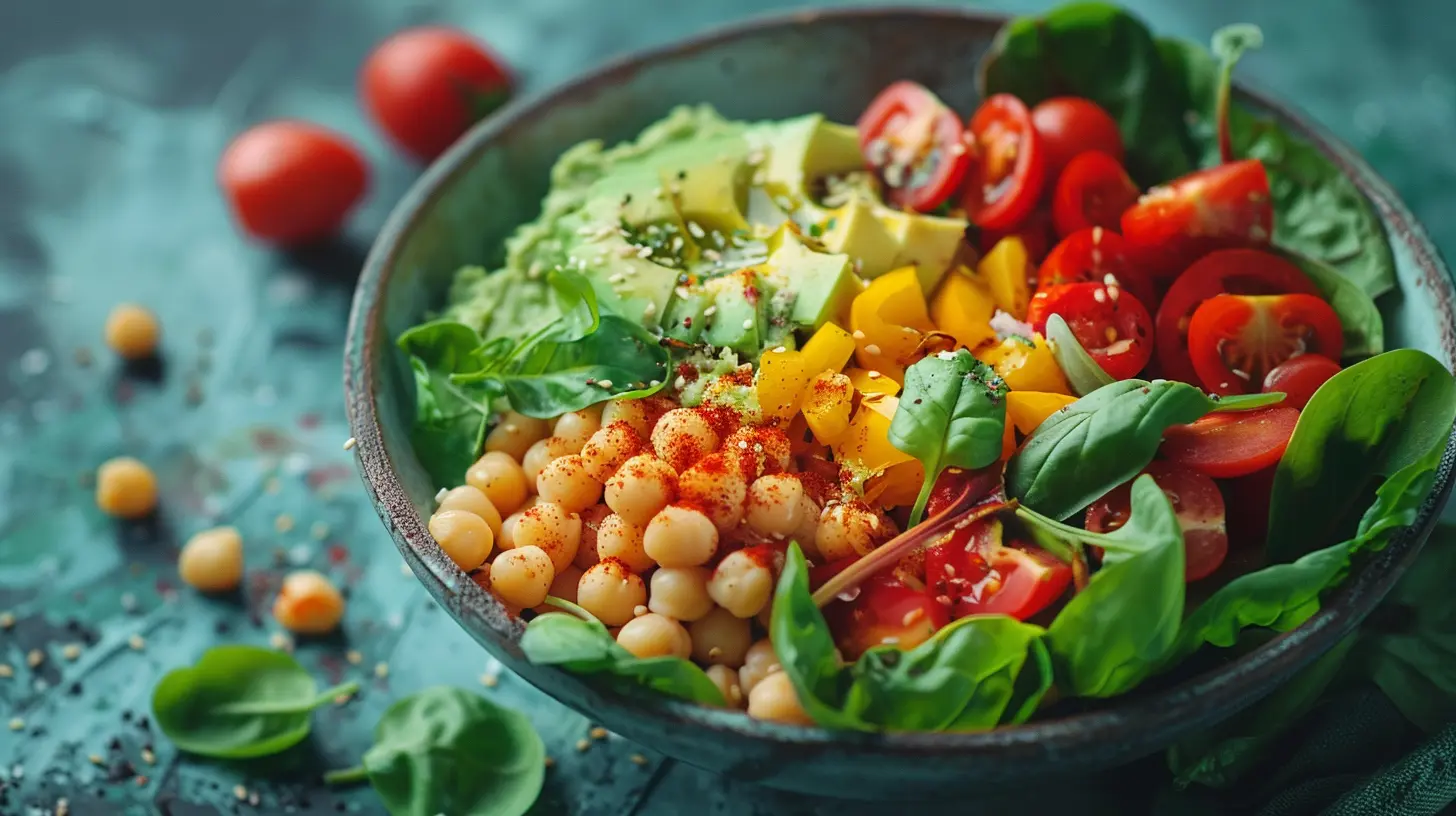
🌱 Plant-Based Eating and Its Carbon Footprint
🐄 Cows vs Cauliflower—Who Leaves the Bigger Carbon Footprint?
Let’s put this into perspective. Raising livestock takes a lot—and we mean a lot—of resources. Cattle farming alone is responsible for a huge amount of methane, a greenhouse gas that’s 25 times more potent than carbon dioxide. When you switch to plant-based foods like lentils, grains, and leafy greens, you significantly reduce your personal carbon emissions.According to research, going plant-based can cut your food-related carbon emissions by up to 50%! That’s like taking a car off the road for six months every year. Pretty wild, right?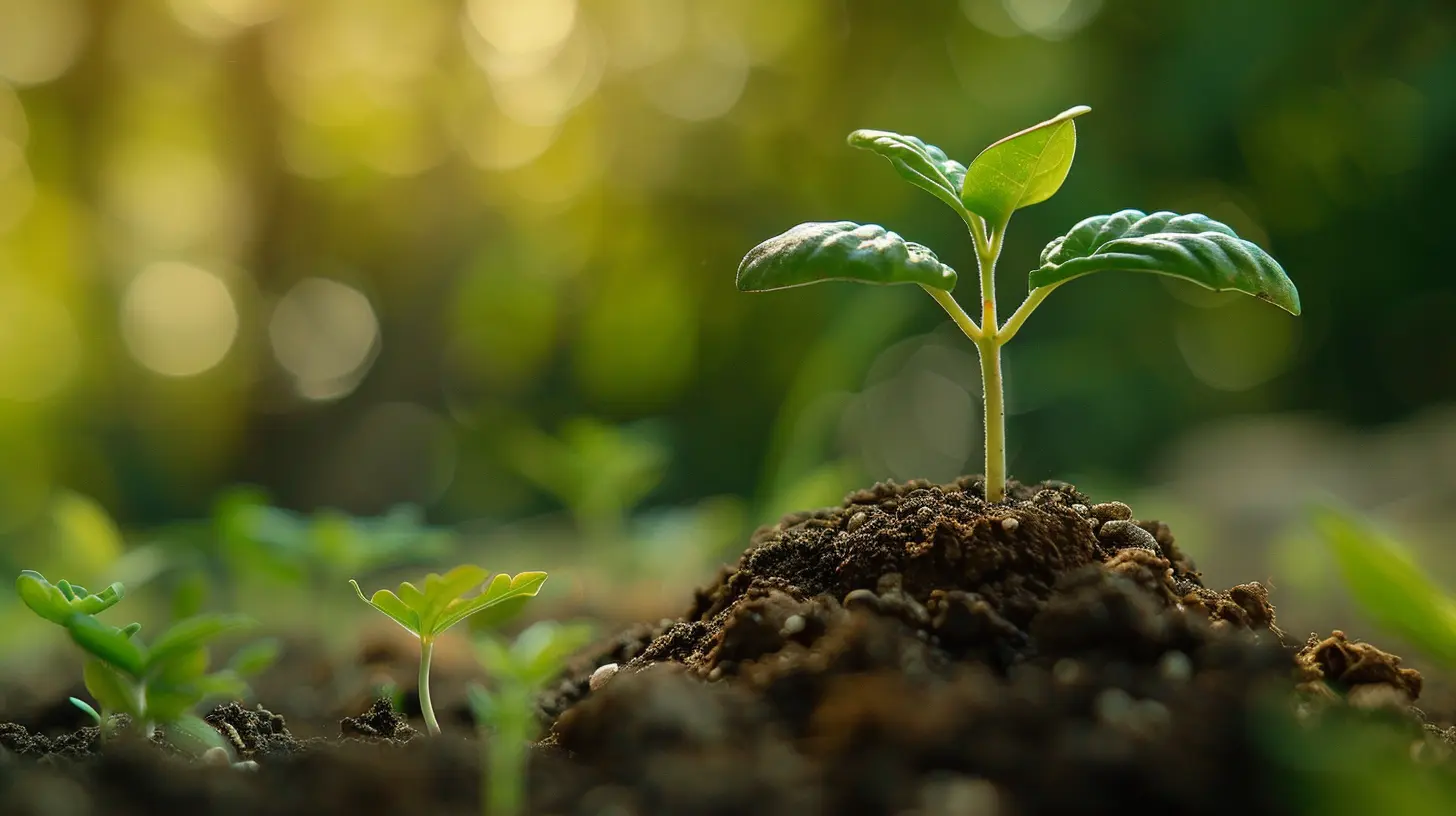
💧 Saving Gallons of Water, One Bite at a Time
💦 Meat is a Thirsty Business
Here’s something to ponder: It takes over 1,800 gallons of water to produce just one pound of beef. That’s enough for nearly 40 showers! In contrast, growing a pound of vegetables typically takes under 100 gallons.So, by simply skipping that steak dinner, you're basically saving a small lake’s worth of water. Imagine the impact if everyone did that a couple of times a week. It’s a small change with a massive ripple effect.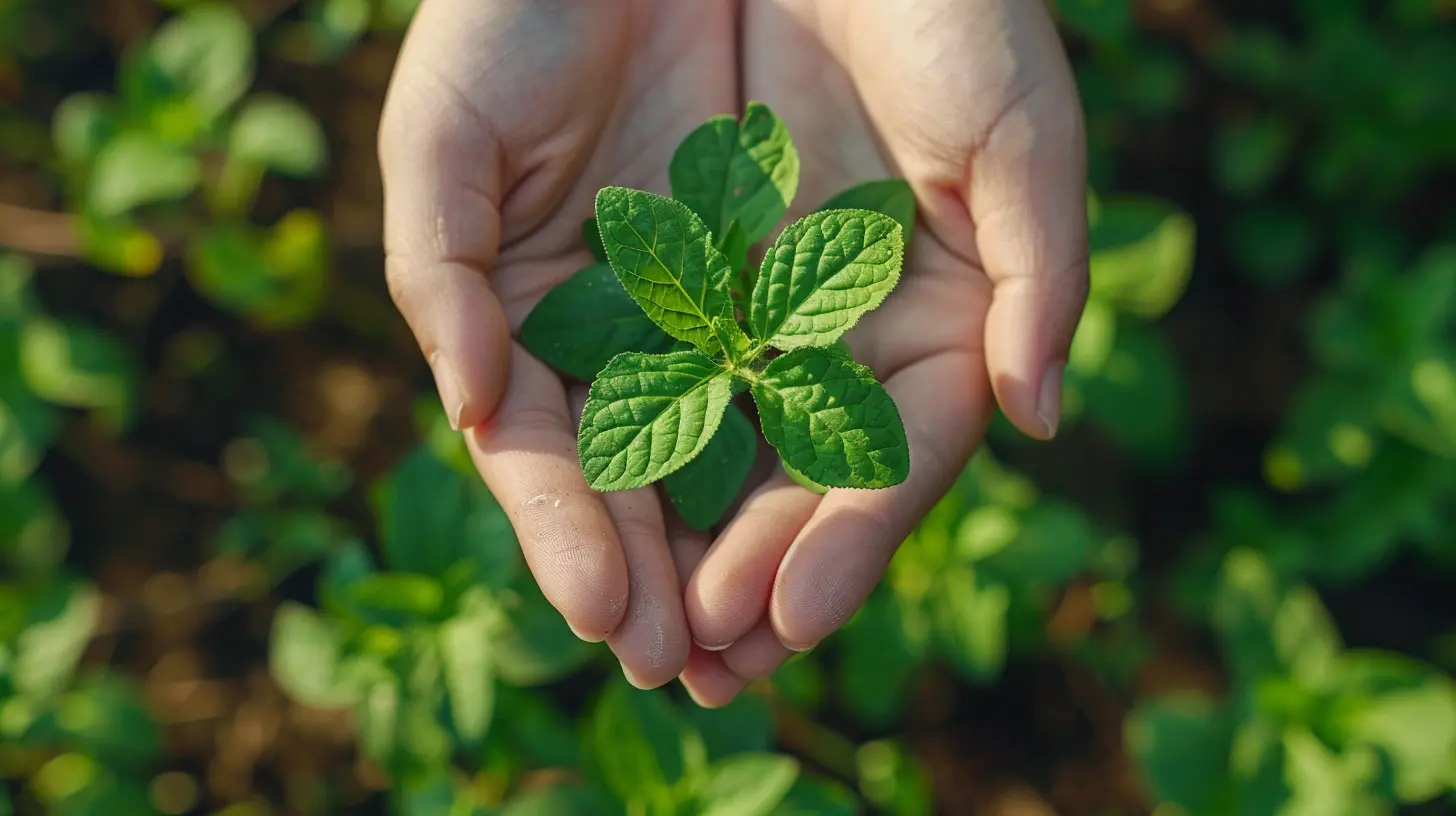
🌲 Fighting Deforestation Like a Green Warrior
🌳 Forests Are Being Cleared for More Than Just Timber
You might think deforestation is all about chopping trees for wood. But here’s the truth—much of it is driven by the need for more land to grow animal feed or raise livestock.Switching to a plant-based diet reduces the demand for land-intensive meat and dairy products. That means fewer trees cut down, more wildlife habitats preserved, and a healthier planet overall.
And get this—livestock farming takes up about 80% of all agricultural land while providing only 18% of global calories. It's like using a mansion to host a tea party—super inefficient.
🌾 Reducing Soil Degradation and Agricultural Runoff
Ever heard of “dead zones” in our oceans? These are areas where marine life can’t survive due to low oxygen levels, often caused by runoff from industrial farming. Much of this runoff comes from fertilizers used in growing animal feed.Plant-based farming? It typically requires fewer synthetic fertilizers and pesticides, meaning less nutrient runoff and healthier ecosystems. Plus, legumes and pulses—you know, those tiny powerhouses like chickpeas and lentils—actually enrich the soil by fixing nitrogen naturally. How amazing is that?
🐟 Helping Our Oceans Breathe Again
🐠 Overfishing Is a Real Problem
Think your favorite sushi roll doesn’t have environmental consequences? Think again. Overfishing is depleting our oceans, disrupting ecosystems, and endangering species. On top of that, fish farming (aka aquaculture) brings its own set of problems—like pollution and disease spreading to wild fish populations.Choosing plant-based meals more often helps ease the pressure on our oceans. No need to guilt-trip yourself for that occasional seafood craving, but cutting down can make a real difference.
🌫️ Cleaner Air, Healthier Communities
🚜 Animal Farms = Air Pollution
Large-scale animal farms generate more than just manure—they also release harmful gases like ammonia and methane into the air. These gases contribute to smog, respiratory issues, and even acid rain.By reducing demand for animal products, we decrease the need for these industrial farms. In turn, we get better air quality and healthier communities. So yes, going plant-based is literally a breath of fresh air.
📉 Cutting Down on Energy Use
It might surprise you, but producing animal-based foods is incredibly energy-intensive. From growing crops for feed, to transporting livestock, to processing and refrigeration—it all adds up. In contrast, plant-based diets are far more energy-efficient.Think of it like this: eating lower on the food chain (i.e., more plants, fewer animals) means less energy is lost along the way. It’s a win-win for you and the power grid.
🍽️ The Power of Your Plate
Here’s the truth—one person alone can't fix the planet. But a whole bunch of people making better food choices? Now that’s powerful.By moving towards a plant-based lifestyle:
- You reduce your carbon footprint
- You save water
- You protect forests and wildlife
- You support ocean health
- You contribute to cleaner air
- You conserve energy
And let’s not forget—you’ll likely feel better, too. More energy, better digestion, and fewer sick days? Yes, please.
🙌 It's Not About Perfection—It's About Progress
You don’t have to go full-on vegan tomorrow. Start small. Maybe it’s Meatless Mondays or swapping out cow’s milk for oat milk. Every bite counts. The goal isn’t perfection—it’s progress.Think of going plant-based like switching from plastic bags to reusable ones. It’s a simple, everyday choice that adds up big over time.
🛒 Tips to Get Started on a Plant-Based Journey
Ready to make a shift? Here are some easy-peasy ways to kick things off:- Stock up on staples: Beans, lentils, rice, oats, and pasta are plant-based pantries' MVPs.
- Try meat alternatives: From tofu and tempeh to plant-based burgers, there’s something for everyone.
- Get creative in the kitchen: Experiment with spices and global cuisines. Indian, Thai, Mediterranean—delicious and plant-friendly.
- Follow veggie influencers: Social media is full of plant-based foodies sharing recipes, motivation, and grocery hauls.
- Join a challenge: Try a 7-day or 30-day plant-based challenge. It’s more fun when you’re part of a community!
😎 The Cool Factor: Future-Proofing the Planet
Let’s be real—choosing a plant-based lifestyle is more than just trendy. It’s future-proofing. It’s saying, “Hey, I care about this planet and the creatures I share it with.” It’s one of the easiest ways to make a meaningful impact without chaining yourself to a tree or giving up modern life.And hey, if the future is plant-powered, wouldn’t you want to be ahead of the curve?
🌈 Final Thoughts: You Have the Power
Your daily choices matter more than you think. When you base your diet around plants, you're making a statement. You're voting for a cleaner planet every time you shop, cook, or eat.So next time you’re in the grocery store or staring at a restaurant menu, remember: you're not just feeding your body. You’re feeding the future of our planet.
Big change starts with small bites.
all images in this post were generated using AI tools
Category:
Plant Based DietAuthor:

Jackson Mahoney
Discussion
rate this article
2 comments
Seth O'Brien
Transitioning to a plant-based lifestyle not only nourishes our bodies but also heals the planet. Embrace this change for a healthier you and a thriving Earth! 🌱🌍 #GoGreen
February 14, 2026 at 4:09 PM
Jackson Mahoney
Thank you for your insightful comment! Embracing a plant-based lifestyle truly benefits both our health and the planet. 🌿
Kimberly Thornton
Choosing a plant-based lifestyle not only nurtures our health but also fosters a healthier planet. Every small step towards this choice can create a brighter, sustainable future.
January 16, 2026 at 4:41 AM
Jackson Mahoney
Thank you for highlighting the profound impact of a plant-based lifestyle! Every choice counts towards a healthier you and a more sustainable planet.