The Forgotten Art of Self-Compassion: Why It Matters
1 May 2026
Introduction
Let's be honest—most of us are our own worst critics. We beat ourselves up over the smallest mistakes, replay awkward moments from ten years ago, and expect nothing less than perfection in everything we do. But what if we treated ourselves with the same kindness we show our loved ones? That, my friend, is the magic of self-compassion—an art that so many of us have forgotten.
If you're constantly putting yourself down, it's time for a change. In this article, we'll dive into why self-compassion matters, how it can transform your life, and most importantly, how you can start practicing it today.

What Exactly Is Self-Compassion?
Think of self-compassion as treating yourself the way you would treat a good friend. It’s about giving yourself grace, understanding, and forgiveness instead of harsh judgment.Dr. Kristin Neff, a leading researcher on self-compassion, breaks it down into three key components:
1. Self-kindness – Being gentle and understanding with yourself instead of self-critical.
2. Common humanity – Recognizing that imperfection is a shared human experience.
3. Mindfulness – Acknowledging your feelings without suppressing or exaggerating them.
In simpler terms? It’s about cutting yourself some slack and realizing that being human means making mistakes.
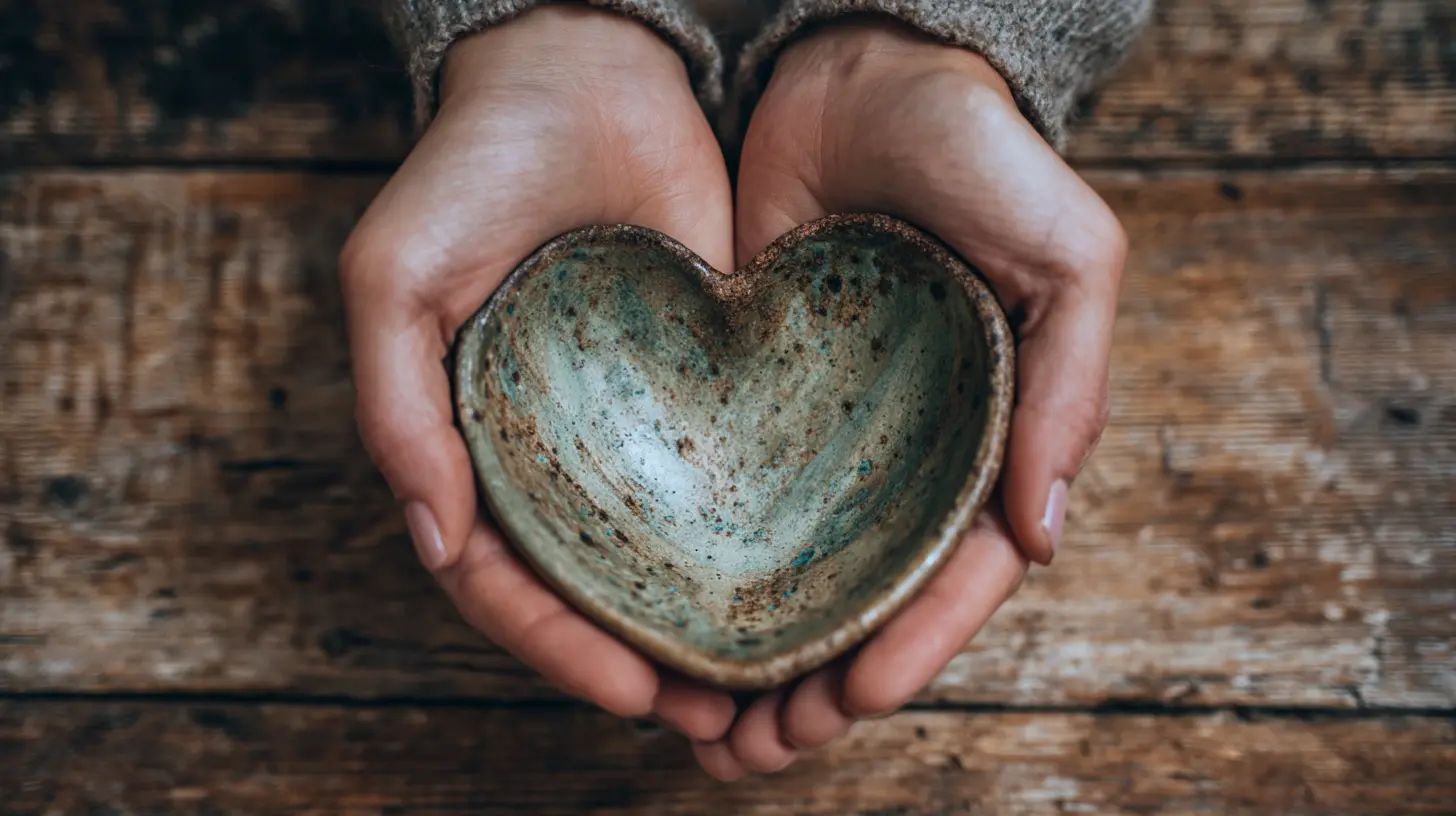
Why Do We Struggle with Self-Compassion?
If self-compassion is so beneficial, why is it so darn hard? Here’s why many of us struggle with it:- We mistake self-compassion for self-pity. Many people think being kind to themselves is just an excuse for laziness or weakness. (Spoiler alert: It’s not.)
- We confuse self-compassion with self-indulgence. Some believe that if they stop being self-critical, they’ll lose motivation. But research shows that self-compassion actually boosts productivity and resilience.
- Society rewards harsh self-discipline. The "hustle" culture glorifies pushing yourself to the limit, making self-compassion feel like a foreign concept.
The truth is, beating yourself up doesn’t make you stronger—it just makes you miserable.

The Benefits of Practicing Self-Compassion
Incorporating self-compassion into your life isn't just about feeling warm and fuzzy inside. Science backs it up with some pretty impressive benefits:1. Lower Stress and Anxiety
Constantly criticizing yourself triggers stress and anxiety. But when you replace self-judgment with self-kindness, your brain relaxes and those stress hormones take a backseat.2. Stronger Mental Resilience
Life throws curveballs at all of us. People who practice self-compassion bounce back from setbacks faster because they don’t waste time beating themselves up.3. Improved Relationships
When you're kinder to yourself, you become a better partner, friend, and family member. Instead of projecting your inner frustration onto others, you approach relationships with more patience and understanding.4. Increased Motivation & Productivity
Here’s the kicker—self-compassion doesn't make you lazy. In fact, studies show that people who treat themselves kindly after failure are more likely to try again and succeed.5. Better Physical Health
Believe it or not, self-compassion is even linked to improved physical health. Less stress means lower blood pressure, better sleep, and healthier habits.
How to Start Practicing Self-Compassion
Alright, now that we know why self-compassion is important, let’s talk about how to cultivate it.1. Talk to Yourself Like You Would a Friend
Would you ever call your best friend a failure for making a mistake? Of course not! So why do it to yourself? Next time you mess up, ask: What would I say to a loved one in this situation? Then, say it to yourself.2. Embrace Imperfection
Perfection is a myth. Trying to be flawless all the time is exhausting and unrealistic. Instead, accept that mistakes are part of growth. Every misstep is a lesson, not a life sentence.3. Practice Mindfulness
Mindfulness helps you stay present and acknowledge your feelings without drowning in them. When you're feeling self-critical, take a deep breath and simply observe your emotions instead of letting them define you.4. Use Positive Affirmations
Your inner dialogue matters. Instead of saying, I’m such an idiot for messing that up, try I’m learning and growing, and that’s okay. Words have power—use them wisely.5. Give Yourself Permission to Rest
You don’t have to earn rest. Being productive 24/7 isn’t sustainable. Take breaks without guilt, because burnout helps no one.6. Forgive Yourself
Nobody gets everything right the first time. Cut yourself some slack! Holding onto guilt or shame only makes things worse. Forgiveness isn’t just for others—it’s for you too.7. Surround Yourself with Supportive People
The company you keep influences your self-compassion. Spend time with people who uplift you, not those who bring you down.8. Keep a Self-Compassion Journal
Writing down positive thoughts about yourself can be a game-changer. At the end of each day, jot down three kind things you did for yourself. Over time, this shifts your mindset.Breaking the Habit of Self-Criticism
Changing years of self-critical thinking doesn’t happen overnight. It takes practice, patience, and persistence. But every time you choose kindness over self-judgment, you take a step toward a happier, healthier you.Think about it: If you wouldn’t say it to your best friend, why say it to yourself?
Final Thoughts
Self-compassion isn't a luxury—it’s a necessity. In a world that constantly demands more from us, being kind to ourselves is a radical act of self-care.So, the next time you feel like you're not good enough, remind yourself: You are doing the best you can, and that is enough.
all images in this post were generated using AI tools
Category:
Self CareAuthor:

Jackson Mahoney
Discussion
rate this article
2 comments
Denise Frank
This article is a great reminder of how important self-compassion is. We often forget to be kind to ourselves. It really can change our entire perspective. Thanks for sharing!
May 11, 2026 at 5:02 AM
Jackson Mahoney
I'm glad you found it helpful! Self-compassion truly can transform our outlook and well-being. Thanks for reading!
Zoey McConnell
Self-compassion is so important. Acknowledging our own struggles can lead to healing and a more peaceful life...
May 1, 2026 at 4:00 AM
Jackson Mahoney
Absolutely, self-compassion opens the door to healing. Embracing our struggles allows us to grow and find peace within ourselves.