The Impact of Processed vs. Whole Foods on Your Health
30 April 2026
Let’s be real for a second — when was the last time you sat down and actually thought about what you're putting into your body? In today’s fast-paced world, grabbing a convenience meal or snacking on something from a shiny package seems to be the norm. But here’s the truth: not all foods are created equal. The difference between processed and whole foods is more than just a trendy topic for wellness influencers — it’s a real game-changer for your health.
In this post, we’re diving deep into the impact of processed versus whole foods on your health. Stick with me, and you’ll come away with some eye-opening info that'll help you make smarter choices at the grocery store without needing a PhD in nutrition.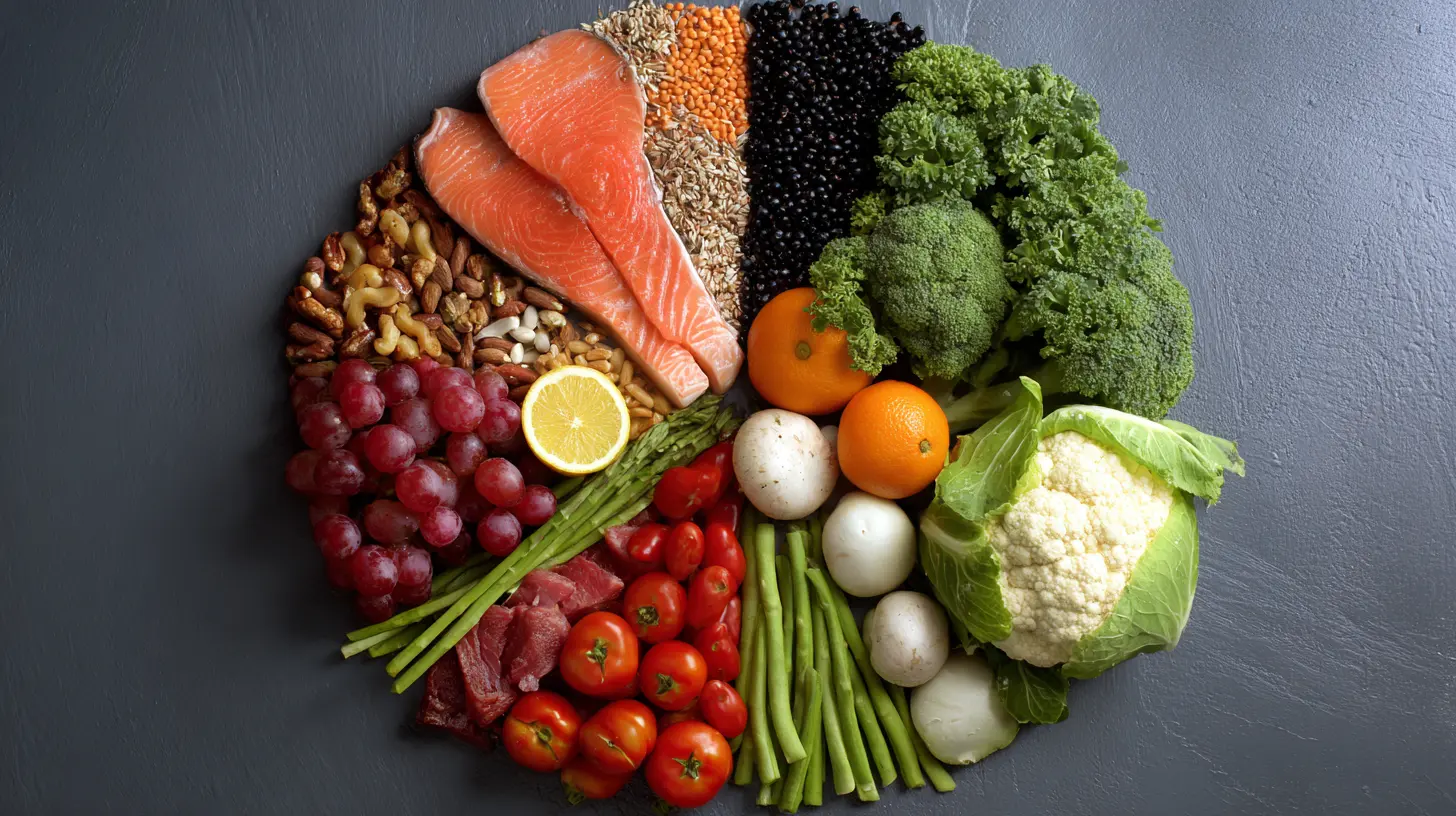
What Are Processed and Whole Foods Anyway?
Before we go full-on health detective mode, let’s clear up the basics.Processed Foods
Processed foods are anything that’s been altered from its natural state. This can be as simple as freezing or drying (mild processing), or more extreme like adding preservatives, sugars, fats, artificial flavors, and coloring (think: ultra-processed). If your food comes in a box, bottle, or bag and has a long list of ingredients you can’t pronounce — chances are, it’s processed.Common examples:
- Instant noodles
- Sweetened breakfast cereals
- Soda and energy drinks
- Frozen dinners
- Chips and candy bars
Whole Foods
Whole foods, on the other hand, are foods that are as close to their natural form as possible. They’ve had minimal processing and no artificial ingredients.Common examples:
- Fresh fruits and veggies
- Whole grains (like quinoa, brown rice, oats)
- Legumes (think beans and lentils)
- Nuts and seeds
- Lean meats and fish (in their natural state)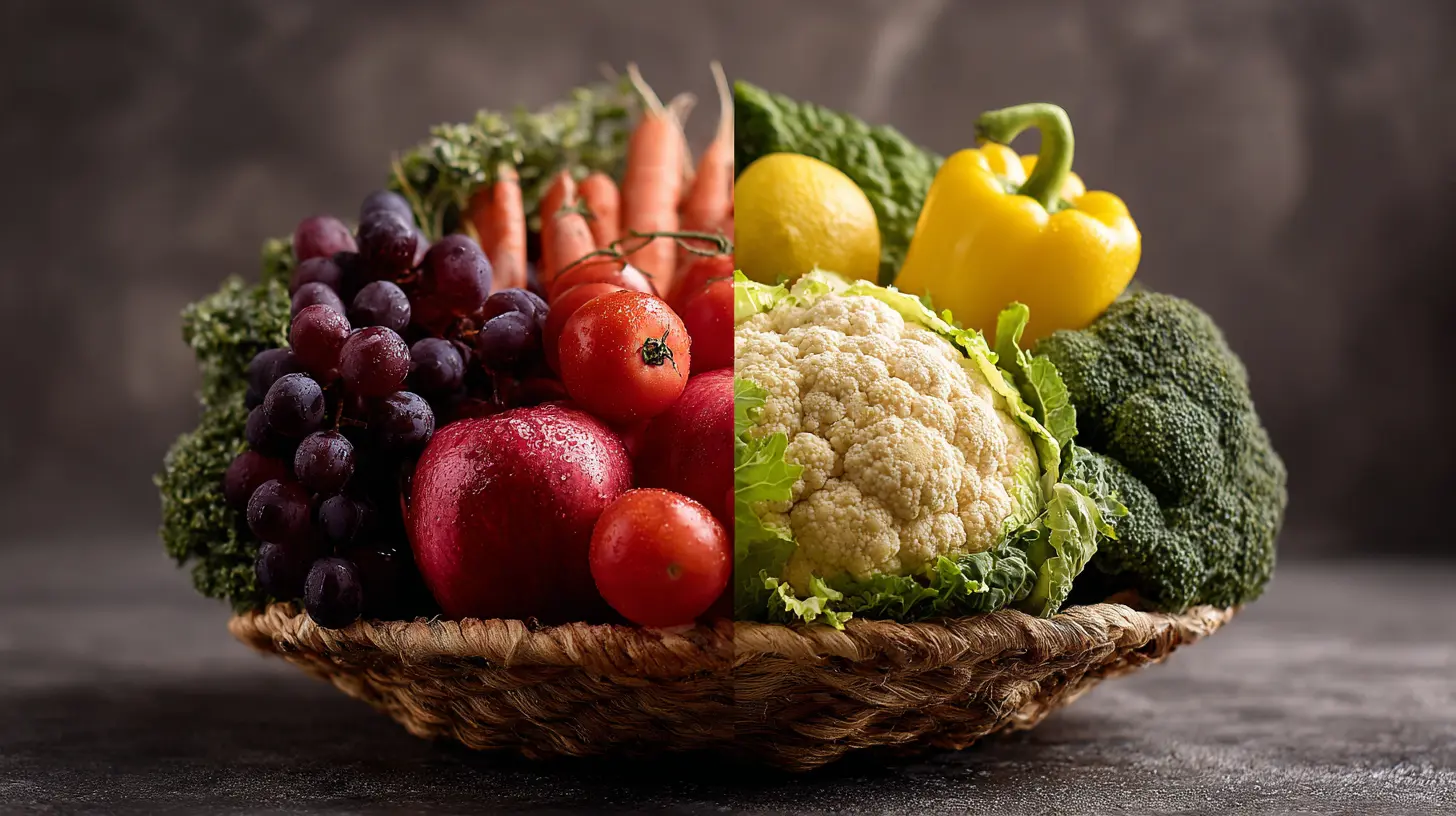
How Processed Foods Affect Your Body
Let’s be honest — processed foods taste good. That’s no accident. They’re designed to be addictive with the perfect combo of salt, sugar, and fat. But behind that flavor explosion lies a slew of not-so-great health effects.1. They Mess With Your Blood Sugar
Processed foods, especially those high in refined carbs and added sugars, can cause crazy spikes and crashes in your blood sugar levels. That rollercoaster ride leads to energy crashes, mood swings, and yep — sugar cravings.Too many sugar spikes over time? That paves the way for insulin resistance, which can lead to type 2 diabetes. Not exactly the future we’re aiming for.
2. They Promote Weight Gain
Because processed foods are often high in calories but low in nutrients, it's easy to overeat without actually feeling full. Think about it — when was the last time you ate a whole bag of chips and felt satisfied? Exactly.Plus, the added sugar and unhealthy fats in a lot of processed snacks trigger your brain’s reward system — making you want more even when you’re not hungry.
3. They Increase Chronic Disease Risks
Plenty of studies link processed food consumption to higher risks of:- Heart disease
- High blood pressure
- Obesity
- Certain cancers
- Gut issues
It’s not just about empty calories — it’s about what those foods are doing to your cells, your heart, and your long-term vitality.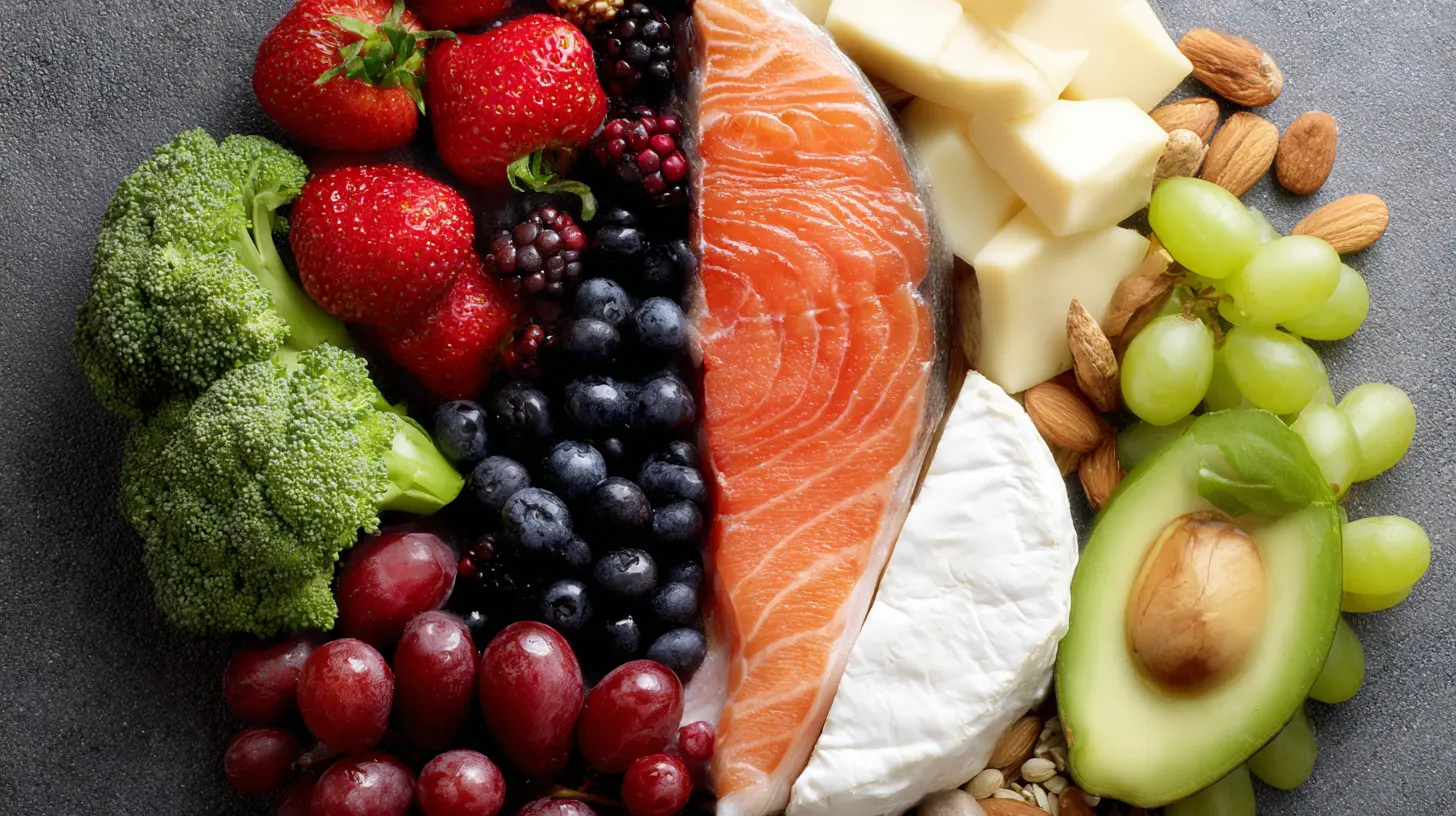
The Power of Whole Foods
Alright, now that the scary stuff’s out of the way, let’s talk about the good news. Whole foods are like your body’s VIP treatment — they nourish, energize, and protect you from the inside out.1. Nutrient Density for the Win
Whole foods are loaded with vitamins, minerals, fiber, antioxidants, and phytonutrients — all the good stuff your body needs to function at its best. For example, a cup of fresh berries brings a punch of vitamin C and antioxidants, while a handful of almonds gives you healthy fats and magnesium.2. Natural Appetite Regulators
Whole foods are naturally high in fiber, which helps you feel full and satisfied. This means you’re less likely to overeat and more likely to maintain a healthy weight without counting every calorie.Ever noticed how a big salad with lots of veggies, seeds, and lean protein keeps you full for hours compared to a fast food meal that leaves you hungry an hour later? That’s no coincidence.
3. They Reduce Inflammation
Whole foods help fight chronic inflammation — the silent troublemaker behind many diseases like arthritis, heart issues, and even some forms of cancer. Leafy greens, berries, fatty fish, and nuts are all anti-inflammatory powerhouses.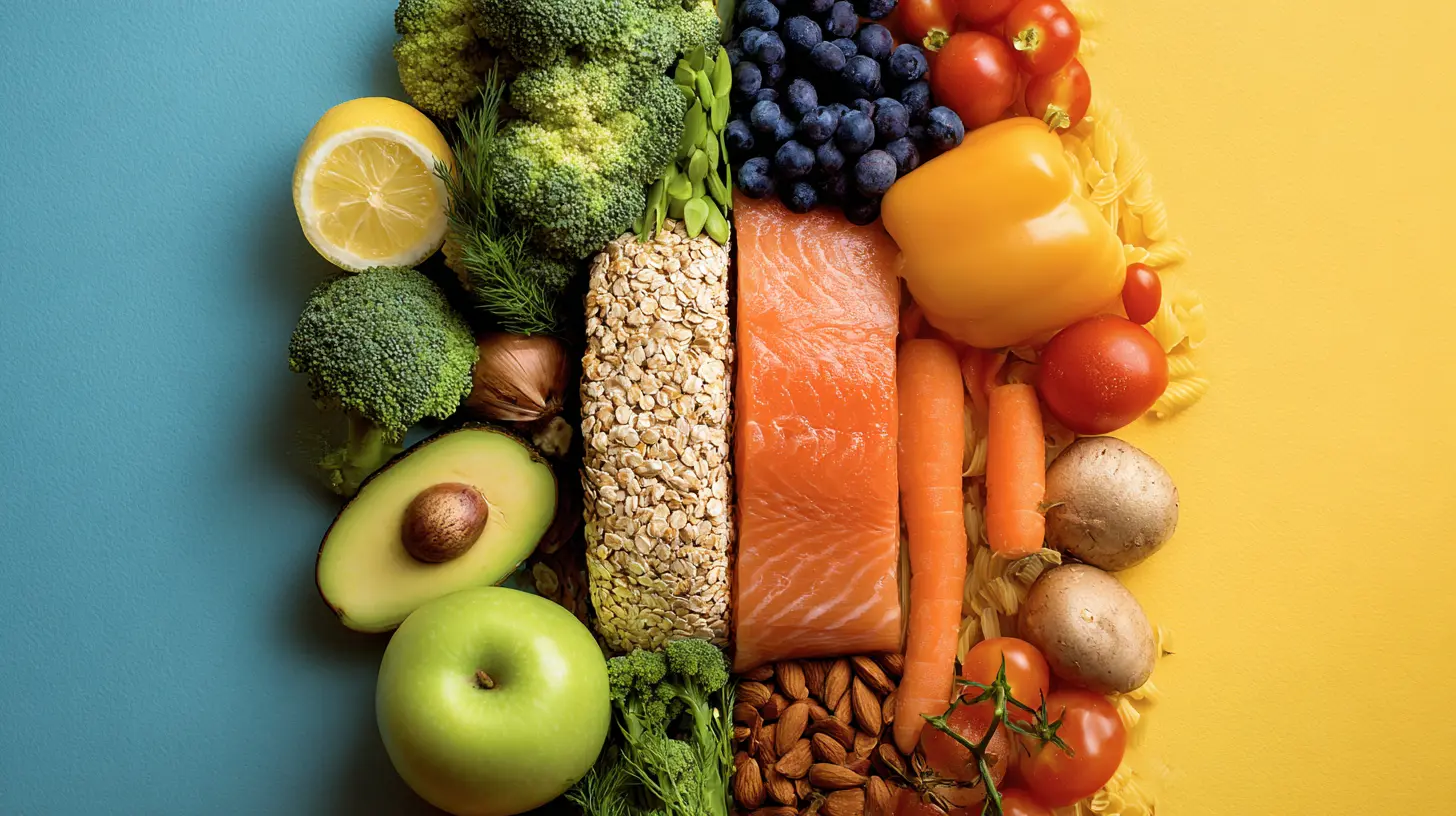
The Mind-Body Connection: Food Affects Mood
Yep, what you eat can totally impact how you feel mentally and emotionally.Processed Foods and Your Brain
Ever feel foggy or anxious after eating junk food? It’s not in your head (well, actually it is — but you get what I mean). Processed foods can increase inflammation in the brain and interfere with neurotransmitter production. Translation? They can mess with your mood, concentration, and even sleep.Whole Foods and Mental Clarity
Whole foods support brain health by providing essential nutrients that regulate hormones, stabilize blood sugar, and boost cognitive function. Omega-3s from fish, magnesium from leafy greens, and antioxidants from fruit all play a major role in mental well-being.Eating clean = thinking clearer. Simple as that.
Building Better Habits: Whole Foods in Real Life
So, how do you actually eat more whole foods without losing your mind or spending hours in the kitchen? It’s easier than you think.1. Shop the Perimeter
Most grocery stores put fresh produce, meats, and dairy along the edges. Start your shopping there and limit your time in the inner aisles where the processed stuff lives.2. Read Ingredient Lists
If the ingredient list reads like a science experiment, it’s probably not the best choice. Aim for products with five ingredients or less — and ones where you recognize all the items.3. Cook More, Even If It’s Simple
You don’t need to be a chef. Just making your own stir-fry, salad, or smoothie means you control what goes in. Bonus? It’s usually cheaper and quicker than takeout.4. Snack Smarter
Instead of grabbing a bag of chips or candy bar, go for whole-food snacks like:- A banana with peanut butter
- Greek yogurt with berries
- Hard-boiled eggs
- Hummus and veggie sticks
Over time, your taste buds will adjust, and you’ll actually start craving this stuff. (Seriously!)
Processed vs. Whole Foods: Can You Have Both?
Here’s the thing — we’re not robots. Life happens, and sometimes a little processed food finds its way onto your plate. That’s okay. It’s not about perfection, it’s about balance.The 80/20 rule is a great approach. Eat whole foods 80% of the time, and allow yourself 20% for those convenience meals or treats. No guilt. No stress.
Your body is smart and resilient — give it what it needs most of the time, and it’ll reward you with energy, better moods, and vibrant health.
Final Thoughts: Your Choices Matter
The choice between processed and whole foods isn’t just about calories — it’s about quality. It’s about fueling your body with the good stuff so it can carry you through life with strength, clarity, and a little extra sparkle.So next time you’re standing in front of the fridge or scanning a menu, ask yourself: is this food going to nourish me or just fill me?
Small shifts lead to big results. Start today. You've got this!
all images in this post were generated using AI tools
Category:
NutritionAuthor:

Jackson Mahoney
Discussion
rate this article
2 comments
Avery McVicar
Whole foods might just be nature's way of saying "yum!
May 6, 2026 at 3:20 AM
Jackson Mahoney
Absolutely! Whole foods have a natural appeal that often translates to better health benefits.
Mitchell Cantu
Great piece. It’s startling how processed foods hijack our satiety signals, while whole foods naturally regulate intake. The key takeaway: prioritize fiber and nutrient density, not just calories. Small shifts from packages to produce yield profound metabolic benefits.
April 30, 2026 at 3:52 AM
Jackson Mahoney
Thanks for your insights! You've captured the essence of the article perfectly. Prioritizing whole foods truly makes a difference in our health.