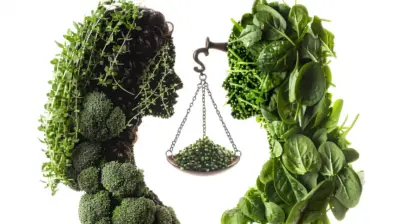
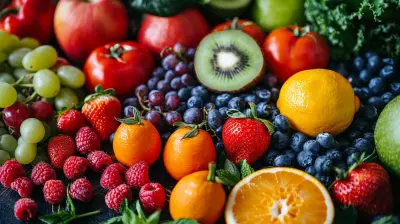
The Importance of Microbiome Diversity for Immune Strength
14 April 2026
Introduction
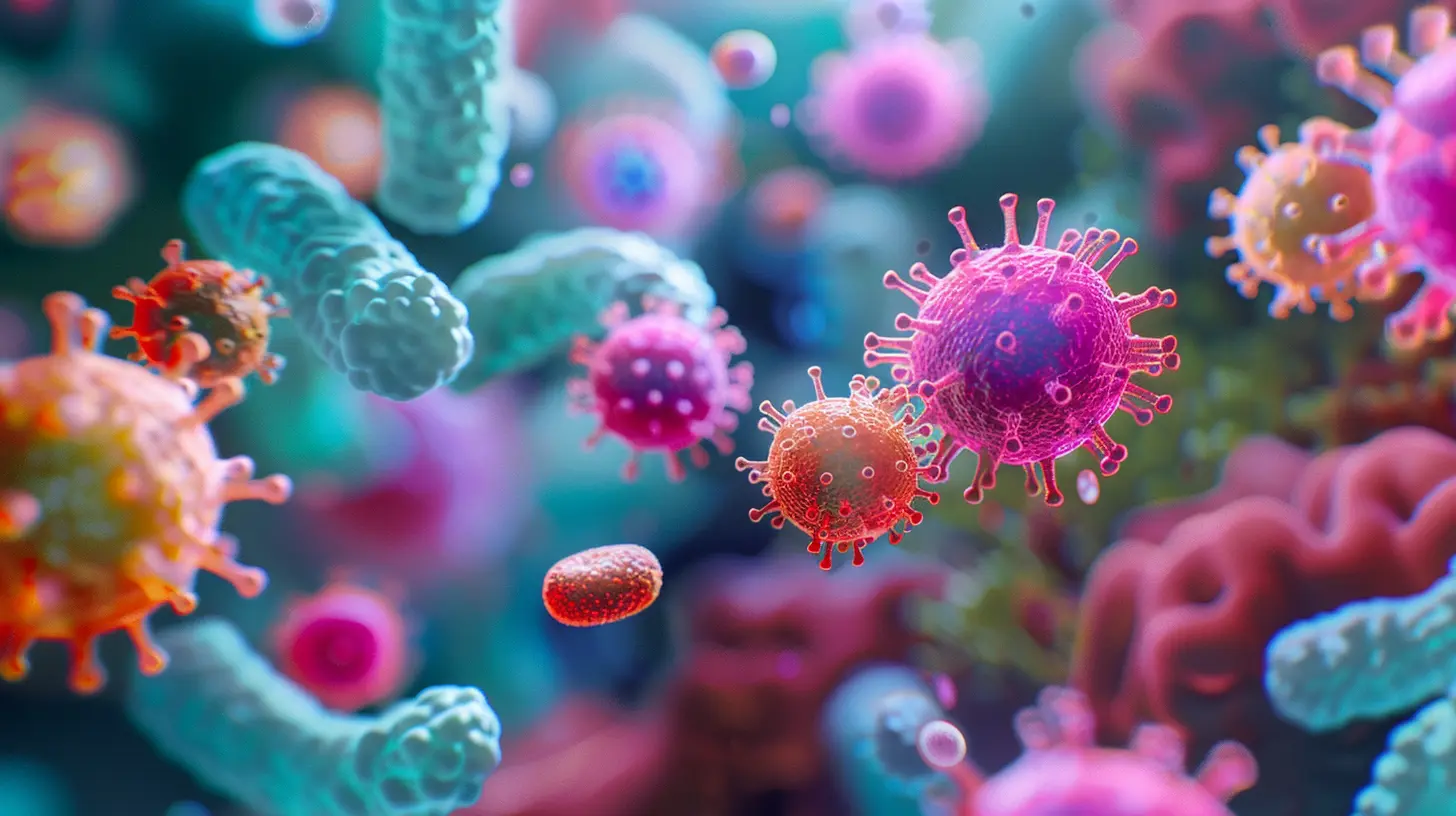
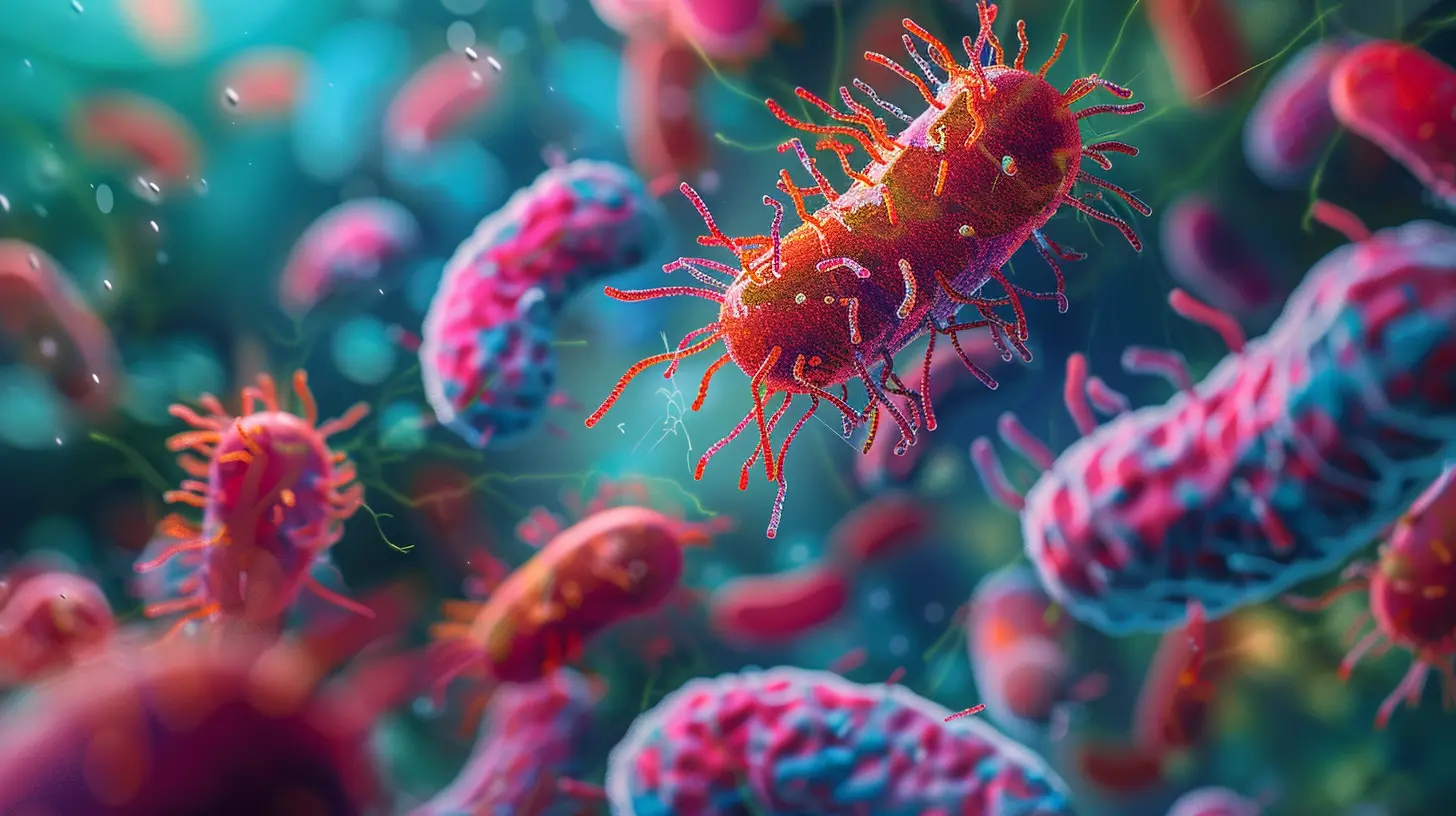
Did you know that trillions of tiny bacteria, fungi, and viruses reside in your gut, working behind the scenes to keep you healthy? Your gut isn't just about digestion—it's also the control center for your immune system. These microbes collectively form your gut microbiome, and their diversity (or lack thereof) plays a crucial role in determining the strength of your immune system.
Think of your gut microbiome like a rainforest. The more diverse it is, the healthier and more resilient it becomes. Just as a forest with various plant and animal species thrives against environmental changes, a well-balanced microbiome helps your immune system fight infections, reduce inflammation, and prevent chronic diseases.
But how exactly does microbiome diversity impact immune strength? And what can you do to improve it? Let's break it down.
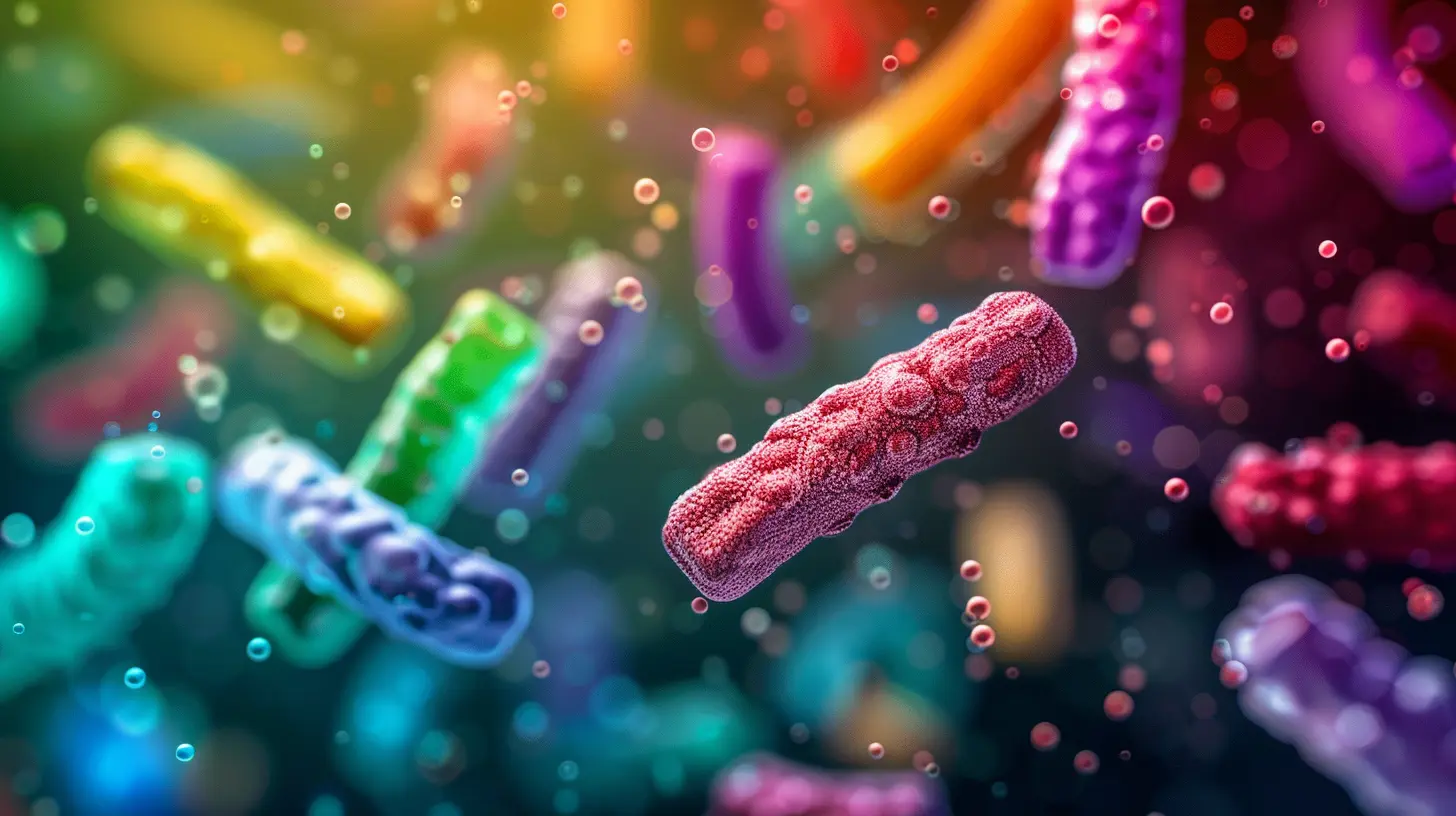
What Is the Microbiome and Why Does It Matter?
Your microbiome is the collection of microorganisms living in and on your body. While microbes exist throughout your body—on your skin, in your mouth, and even in your lungs—the gut microbiome is the most influential when it comes to immunity.A diverse microbiome helps your immune system distinguish between harmful invaders (like viruses and harmful bacteria) and beneficial microbes. When your gut is populated with a variety of good bacteria, they act as frontline defenders, preventing harmful bacteria from taking over and causing illness.
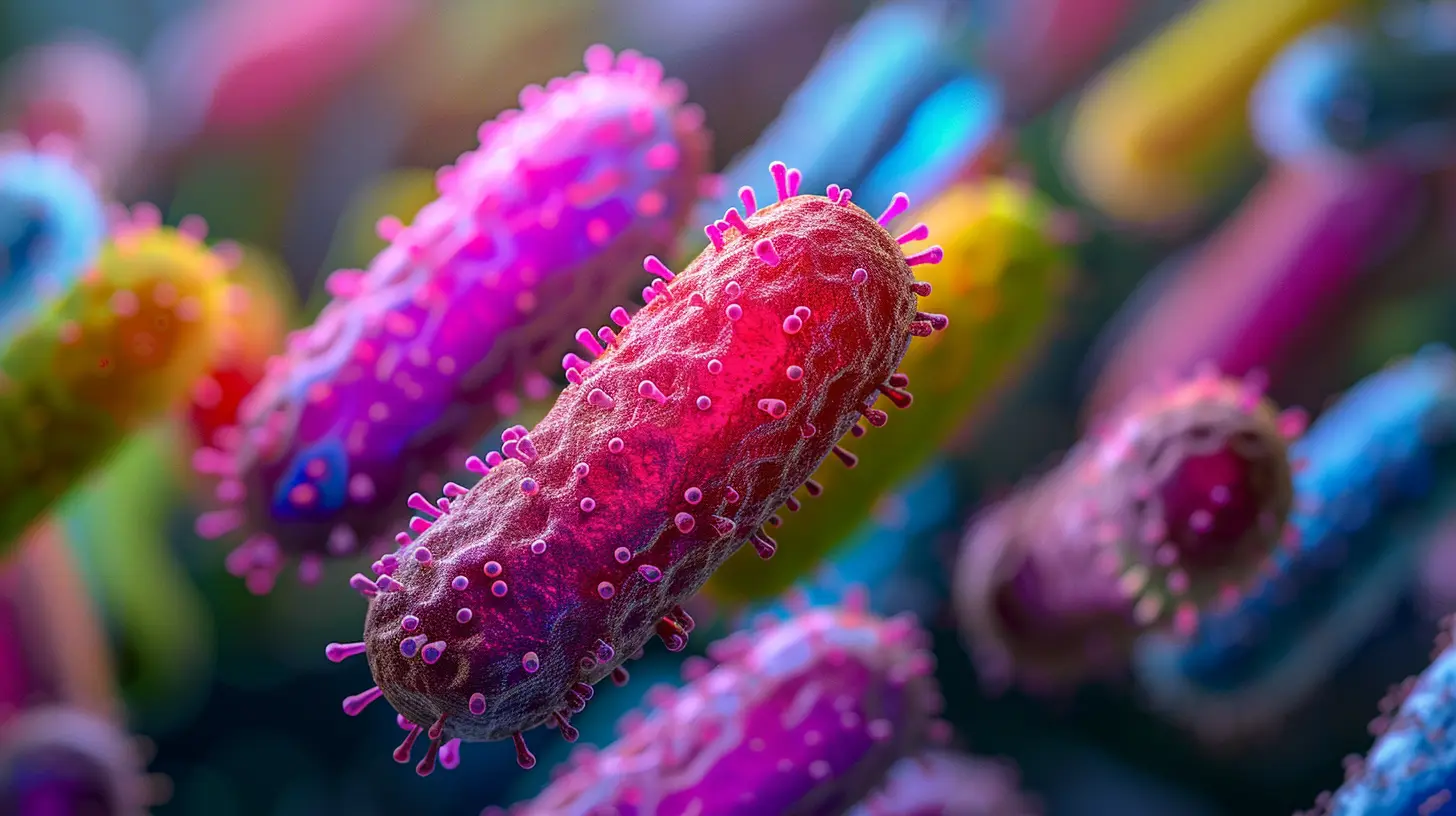
How Gut Microbiome Diversity Strengthens Immunity
1. Supports the Development of Immune Cells
Your immune system relies on a network of specialized cells to recognize and eliminate threats. A diverse microbiome helps train these immune cells, teaching them to respond appropriately to pathogens without overreacting (which can lead to autoimmune diseases).Some gut bacteria, such as Bifidobacteria and Lactobacilli, stimulate the production of regulatory T-cells, which help keep your immune system balanced and prevent excessive inflammation. Without these beneficial bacteria, your immune system might not function as efficiently.
2. Produces Essential Compounds for Immune Function
Gut bacteria produce short-chain fatty acids (SCFAs) like butyrate, acetate, and propionate—compounds that reduce inflammation and support immune response. SCFAs help strengthen the gut lining, making it harder for harmful pathogens to enter your bloodstream and make you sick.Low microbiome diversity can lead to a weakened gut barrier, increasing the risk of infections, allergies, and inflammatory diseases like Crohn’s and ulcerative colitis.
3. Protects Against Harmful Pathogens
A well-balanced microbiome prevents harmful bacteria from taking over by competing for space and nutrients. This “crowding out” effect keeps dangerous microbes in check, reducing the risk of infections.For example, beneficial bacteria like Lactobacilli produce natural antibiotics that inhibit the growth of harmful bacteria like Salmonella and E. coli. When microbiome diversity drops (due to poor diet, stress, or antibiotics), harmful bacteria can gain the upper hand, leading to digestive issues and illness.
4. Reduces Chronic Inflammation
Chronic inflammation is at the root of many diseases, including heart disease, diabetes, and even cancer. A diverse microbiome helps regulate inflammation by promoting the production of anti-inflammatory compounds.When you have a poor gut microbiome (low diversity or an overgrowth of harmful bacteria), your immune system may stay on high alert, leading to prolonged inflammation. Over time, this increases your risk of developing autoimmune diseases and other inflammatory conditions.
5. Enhances Vaccine Effectiveness
Believe it or not, the health of your gut microbiome can even influence how well vaccines work! Research shows that people with a more diverse gut microbiome have stronger responses to vaccines because their immune systems are better equipped to recognize and respond to the introduced antigens.This means maintaining a diverse microbiome not only protects you from infections but can also improve the effectiveness of vaccines you receive.
Factors That Affect Microbiome Diversity
Several factors shape the diversity of your microbiome, both positively and negatively. Understanding these can help you make informed choices to strengthen your gut health.Positive Factors for Microbiome Diversity:
- Eating a varied, fiber-rich diet → Whole foods like vegetables, fruits, legumes, nuts, and seeds promote beneficial bacteria growth.
- Fermented foods → Yogurt, kefir, sauerkraut, kimchi, and miso introduce probiotics (healthy bacteria) into your gut.
- Prebiotics → Foods like garlic, onions, bananas, and asparagus feed good bacteria, helping them thrive.
- Regular physical activity → Exercise has been linked to increased gut microbial diversity.
- Spending time outdoors → Exposure to nature and soil microbes can enrich your microbiome.
- Breastfeeding (for infants) → Breast milk contains beneficial bacteria that help establish a strong microbiome.
Negative Factors That Harm Microbiome Diversity:
- Antibiotic overuse → While antibiotics are sometimes necessary, they also wipe out beneficial bacteria, disrupting microbiome balance.
- Highly processed and sugary foods → These promote the growth of harmful bacteria and reduce beneficial ones.
- Chronic stress → Stress hormones can negatively impact gut bacteria, reducing their diversity.
- Lack of sleep → Poor sleep can throw off gut bacteria balance, weakening immune function.
- Excessive alcohol consumption → Alcohol can alter gut bacteria composition and contribute to gut inflammation.
How to Improve Your Gut Microbiome for a Stronger Immune System
If you feel like your microbiome could use a boost, don't worry—there are plenty of simple ways to improve its diversity and, in turn, strengthen your immune system.1. Diversify Your Diet
Eating a variety of plant-based foods ensures that your gut bacteria have the nutrients they need to thrive. Aim for at least 30 different plant foods per week to support microbiome diversity.2. Eat More Fermented Foods
Incorporate probiotic-rich foods like yogurt, kimchi, kombucha, and pickles into your diet. These foods introduce beneficial bacteria into your gut, improving microbial balance.3. Prioritize Prebiotic Foods
Prebiotics are like fertilizer for good bacteria. Include foods like oats, apples, dandelion greens, and leeks to keep your gut bacteria well-fed.4. Limit Processed Foods and Sugar
Highly processed foods and excessive sugar intake fuel harmful bacteria, weakening gut health. Stick to whole, nutrient-dense foods to maintain microbial balance.5. Exercise Regularly
Physical activity has been shown to increase microbiome diversity, especially moderate-intensity exercise like walking, cycling, and yoga.6. Manage Stress
Chronic stress disrupts your gut flora, so incorporating stress-reducing activities like meditation, deep breathing, or spending time in nature can help restore balance.7. Get Enough Sleep
Aim for 7-9 hours of quality sleep each night to support your microbiome and overall immune health.8. Avoid Unnecessary Antibiotics
Only take antibiotics when prescribed by a doctor, and if you do need them, consider taking a probiotic supplement afterward to help replenish your gut bacteria.Conclusion
Your gut microbiome is much more than just bacteria living in your digestive tract—it plays a fundamental role in maintaining a strong and responsive immune system. A diverse microbiome acts as your body's internal defense team, helping to regulate immune responses, fight pathogens, and reduce inflammation.By making simple lifestyle changes—eating a variety of whole foods, incorporating probiotics, exercising, and managing stress—you can create a thriving gut ecosystem that bolsters your immune system and keeps you healthy in the long run.
So, next time you sit down for a meal, think of it as feeding not just yourself, but the trillions of tiny allies working hard to protect you!
all images in this post were generated using AI tools
Category:
Healthy Immune SystemAuthor:

Jackson Mahoney
Discussion
rate this article
2 comments
Geneva McTiernan
Nurturing a diverse microbiome is key to boosting your immune system. Celebrate your health journey—every small step makes a big difference!
April 22, 2026 at 4:39 AM
Jackson Mahoney
Absolutely! Every small change can lead to significant benefits for our health. Thanks for highlighting this important aspect of wellness!
Astrid McVeigh
Microbiome diversity plays a crucial role in immune system strength. A varied gut microbiota enhances resilience against infections and autoimmune diseases, highlighting the importance of a balanced diet rich in prebiotics and probiotics for optimal health.
April 21, 2026 at 5:03 AM
Jackson Mahoney
I completely agree. A diverse microbiome is key to a robust immune system, and a balanced diet is essential for maintaining that diversity.