The Importance of Setting Boundaries to Protect Mental Health
16 June 2026
Let’s be honest — setting boundaries isn't the most glamorous self-care tip out there. It’s not as trendy as sipping green juice, taking bubble baths, or journaling by candlelight. But here’s the deal: boundaries are your mental health's invisible shield. And without that shield? You leave yourself wide open to toxic relationships, burnout, anxiety, and even depression.
So why is setting boundaries still so tough for many of us? Why do we feel guilty when we say “no”? Why do we stretch ourselves thin to keep everyone happy but end up feeling miserable?
Grab your coffee, settle in, and let’s talk about boundaries — the kind that protect your peace, preserve your energy, and help you feel more like YOU again.
What Are Boundaries, Anyway?
Simply put, boundaries are the limits and rules we set for ourselves within relationships — whether that’s with family, friends, coworkers, or even strangers. Think of them like your personal “Do Not Disturb” sign. They’re not walls meant to shut people out, but fences that keep the chaos from creeping in.Boundaries define what’s okay and what’s not okay. They help others understand how to treat you. And when they're respected, everyone benefits — not just you.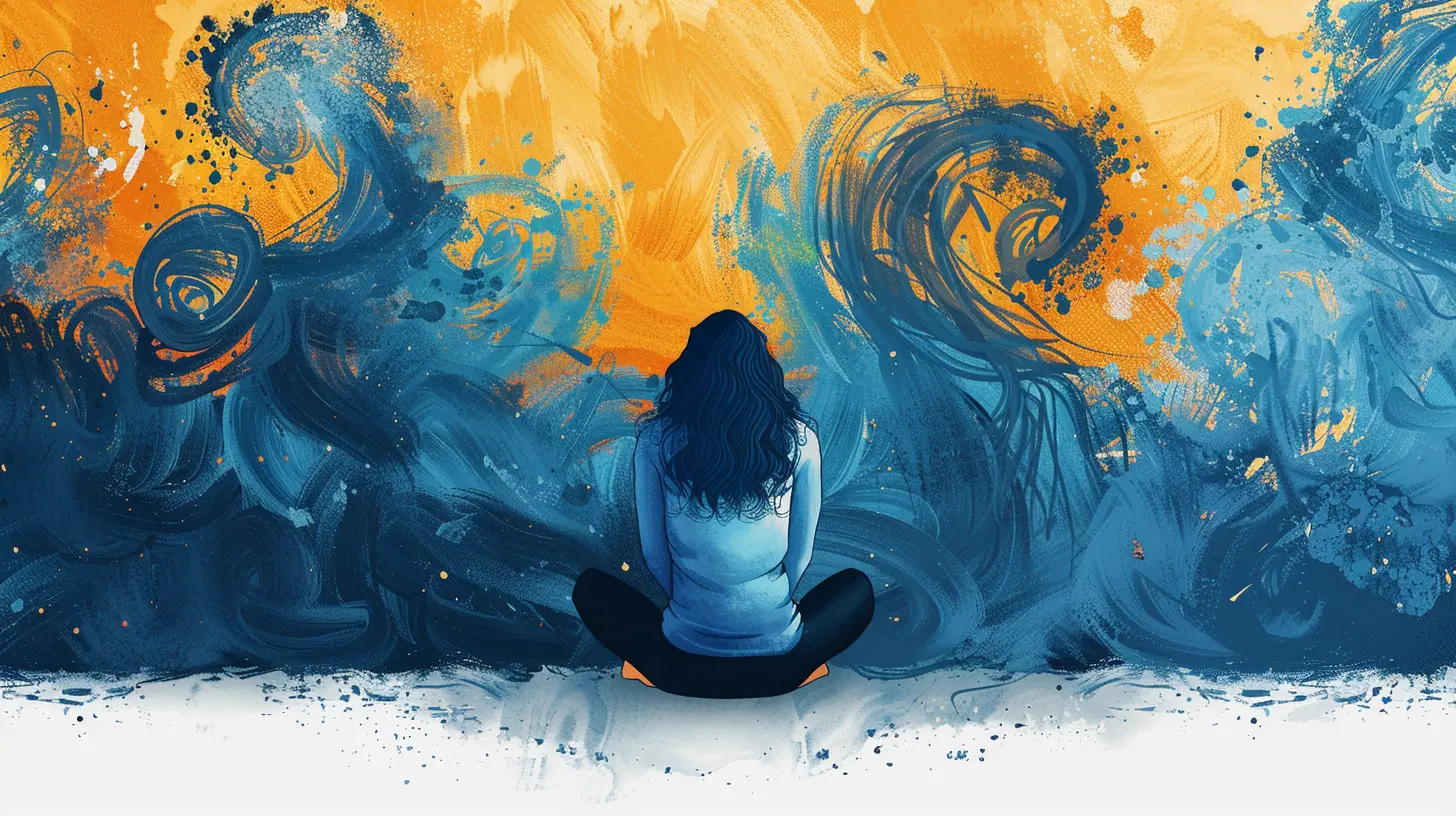
Why Boundaries Matter So Much for Mental Health
When your boundaries are strong, your mental health thrives. But when they’re weak or nonexistent? That’s when things start going sideways.Here’s why setting boundaries is a game-changer for your mental well-being:
? 1. They Reduce Stress and Prevent Burnout
Ever feel like you’re constantly running on empty, saying yes to everything, and slowly resenting everyone around you? That’s boundary burnout.Setting healthy limits — at work, at home, in your friendships — helps you protect your time and energy. When you say “no” to what drains you, you make room for what fuels you. Imagine your mental energy as a phone battery; boundaries are the charger.
? 2. They Support Better Emotional Regulation
Without boundaries, emotions can get messy. You may find yourself absorbed by other people’s drama, overreacting to small things, or constantly feeling overwhelmed.Clear boundaries help you stay in your emotional lane. You’re not responsible for fixing everyone else’s problems, and you don’t need to carry their emotional baggage on your shoulders.
❤️ 3. They Improve Self-Esteem and Self-Respect
Here’s the truth: when you set boundaries, you’re telling yourself (and others) that your well-being matters. You stop people-pleasing, and start self-respecting.And guess what? That confidence is contagious. Others begin to respect you more too. Because when you act like your time, space, and feelings are valuable — people notice.
? 4. They Strengthen Relationships
Ironically, boundaries don’t push people away — they actually bring the right people closer. They create trust, safety, and better communication.Think about it: would you rather be in a relationship where you're always walking on eggshells... or one where you both feel safe to speak up and be yourselves?
Exactly.
Common Signs That You Need to Set Boundaries
If you’re still wondering whether this whole “boundary” thing applies to you, check out some of these red flags:- You say “yes” when you really want to say “no”
- You feel responsible for others’ happiness or problems
- You get anxious when someone is upset with you
- You avoid conflict at all costs
- You feel drained after hanging out with certain people
- You constantly apologize — even when it’s not your fault
Sound familiar? That’s your mind waving red flags, whispering: “Hey... maybe it’s time to draw the line.”
Types of Boundaries You Might Need
Boundaries aren’t one-size-fits-all. Depending on the situation, you may need to set up different kinds of limits. Here are a few key types:1. Physical Boundaries
This includes your personal space, privacy, and physical needs. It’s okay to say, “I’m not a hugger” or “I need some time alone.”2. Emotional Boundaries
These protect your feelings and prevent emotional dumping. For example, you might say, “I can’t talk about this right now — it’s too overwhelming for me.”3. Time Boundaries
Your time is precious. Time boundaries might sound like, “I only take calls after 5 p.m.” or “I can meet for lunch, but I need to leave by 1.”4. Mental Boundaries
These involve your thoughts, values, and beliefs. It’s okay to disagree with someone and not argue about it. “I respect your opinion, but I see things differently.”5. Material Boundaries
We’re talking about your stuff: your car, money, clothes, etc. “I’m not comfortable lending money” is a valid boundary.6. Digital Boundaries
In today’s world, this is BIG. Maybe it means not answering work emails after 7 p.m., or muting group chats when you need a break.How to Set Healthy Boundaries Without Feeling Like a Jerk
Let’s be real — saying “no” can feel awkward, especially if you’re a natural helper or empath. But guess what? You can be kind AND assertive. It’s not either-or.Here’s how to set boundaries that stick:
✅ 1. Get Clear on What You Need
Before you can set boundaries with others, you’ve got to be honest with yourself. What drains your energy? What brings you peace? What are your non-negotiables?Knowing what you need makes it easier to communicate it.
✅ 2. Use “I” Statements
Instead of blaming or accusing, speak from your perspective. It reduces defensiveness and helps people understand where you're coming from.For example:
- “I feel overwhelmed when I get last-minute tasks. I'd appreciate more notice.”
- “I need some quiet time in the evenings to decompress from the day.”
Short, kind, and direct.
✅ 3. Stay Consistent
Here’s the hard part — maintaining your boundary once you’ve set it. People might test it (especially if they’re used to you saying yes). But consistency is key.The more you stick to your boundary, the more people will respect it — and you.
✅ 4. Expect Discomfort (but Do It Anyway)
Yeah, setting boundaries can feel scary. You might worry people will get mad, or that you’re being “selfish.”But here’s a reframe: Self-preservation isn’t selfish — it’s essential.
Let discomfort be your compass. If a conversation makes you squirm, but deep down you know it’s necessary… lean into it. Growth lives there.
Real-Life Examples of Boundary Setting
Want some inspiration on what boundaries look like in action? Here are a few go-to scripts you can steal:- “I’m not available this weekend, but thank you for thinking of me.”
- “I’d rather not talk about politics right now — let’s keep things light.”
- “I can’t take on another project right now. My plate is full.”
- “I’m stepping away from my phone for the day to recharge.”
Notice how they’re firm but kind? Direct but not dramatic? That’s the sweet spot.
When People Don’t Respect Your Boundaries
Unfortunately, not everyone will honor your limits. Some might guilt-trip you, ignore your boundaries, or even lash out.That’s not your fault — and it’s not your responsibility to fix them.
If someone repeatedly disrespects your boundaries, it’s okay to distance yourself, reevaluate the relationship, or seek support. Sometimes, protecting your peace means loving people from afar.
The Link Between Boundaries and Mental Health Conditions
Research shows that poor boundaries are linked with higher risks of anxiety, depression, and chronic stress. On the flip side, developing healthy limits can:- Reduce emotional exhaustion
- Improve your mood
- Lower anxiety levels
- Enhance resilience
Think of boundaries as part of your daily mental hygiene — just like brushing your teeth or drinking water. They keep your emotional ecosystem clean, stable, and strong.
Teaching Others to Respect Your Boundaries
You teach people how to treat you by what you allow, what you tolerate, and what you reinforce. When you speak up and stick to it, you're sending a clear message: “Hey, I value myself. I hope you do too.”Over time, this sets the tone for every relationship you have — from your boss to your mom to your partner.
And here’s the best part? The more you normalize boundary-setting in your own life, the more you empower others to do the same. It becomes a ripple effect of emotional wellness.
Final Thoughts: Boundaries are Brave
Here’s the truth most people won’t tell you: setting boundaries is an act of courage. It requires clarity, vulnerability, and strength. It’s not always comfortable, but it is always worth it.You don’t need to bend until you break. You don’t have to explain your “no.” You don’t have to be everything to everyone.
You just need to honor yourself — that’s where mental health begins.
So go ahead, friend. Draw the line. Reclaim your energy. Protect your peace.
Your mental well-being depends on it.
all images in this post were generated using AI tools
Category:
Stress ReliefAuthor:

Jackson Mahoney
Discussion
rate this article
1 comments
Lanae Ellison
Setting boundaries is crucial for mental well-being. It allows us to prioritize our needs and maintain healthier relationships, ultimately leading to a more balanced life.
June 16, 2026 at 3:36 PM
Jackson Mahoney
Absolutely, setting boundaries is essential. It empowers us to protect our mental health and fosters healthier connections with others.