The Link Between Exercise and Hormonal Health in Women
11 June 2026
We all know exercise is good for us—it makes you feel strong, clears your mind, and helps you squeeze into your favorite jeans. But here’s something you might not hear often: regular movement can have a powerful impact on your hormones. Yes, those little chemical messengers that rule everything from your mood to your metabolism, sleep, fertility, and even your skin. Intrigued yet? Buckle up, because we’re about to unpack the fascinating and empowering connection between exercise and hormonal health in women.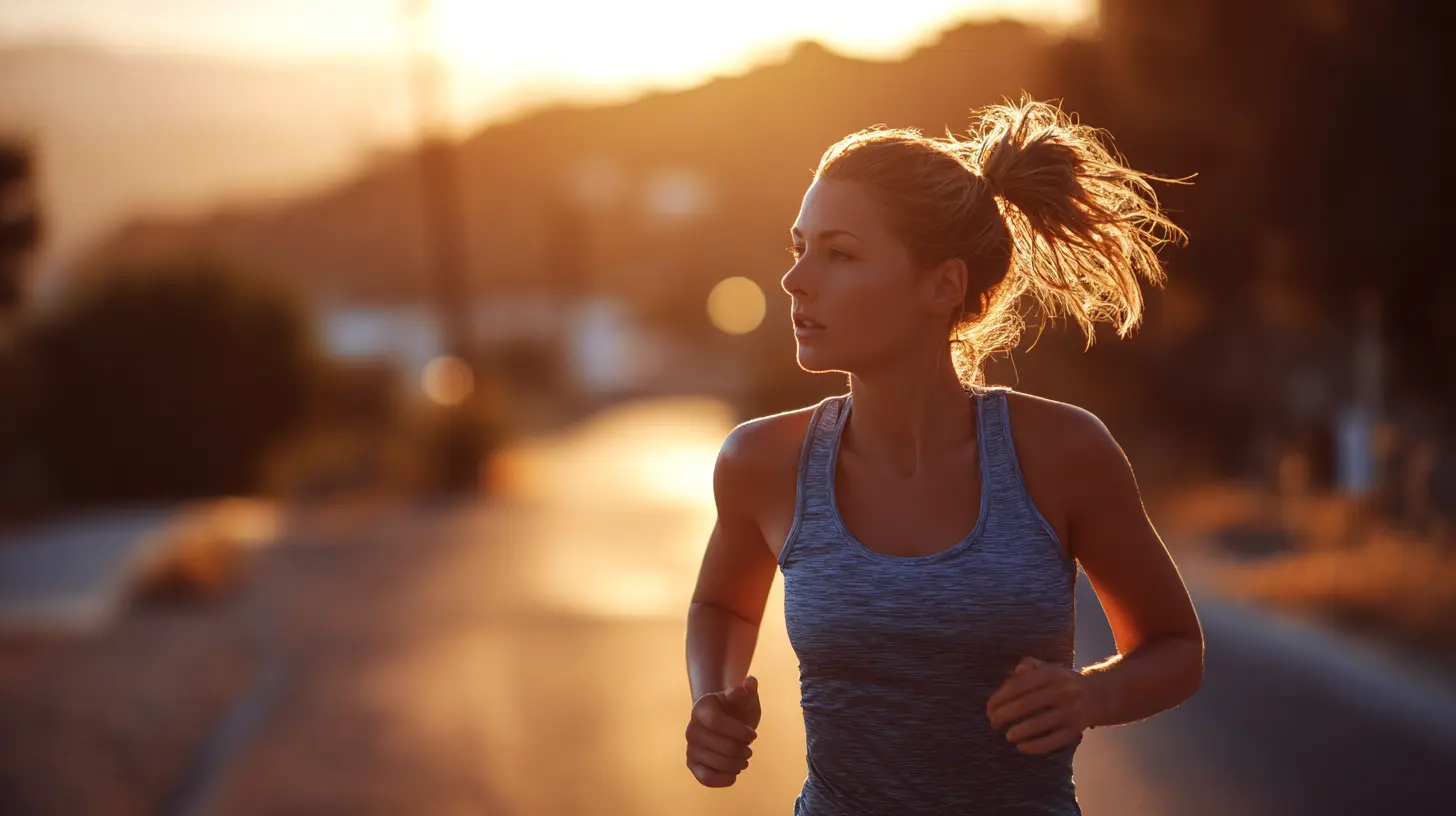
Why Hormones Matter More Than You Think
Hormones are like your body’s built-in Wi-Fi network. They connect your brain to your body and control how everything functions—from your appetite to your menstrual cycle. For women, this network is especially complex because of cyclical hormonal shifts happening every month (thank you, estrogen and progesterone!) and major life transitions like pregnancy, postpartum, and menopause.When your hormones are in balance, you feel like your best self: energetic, focused, and emotionally stable. But when they’re off? Hello irritability, fatigue, acne, bloating, and mood swings. Not fun.
The good news? Exercise—done right—can be one of the most effective, natural ways to support hormonal harmony.
How Exercise Impacts Hormones (In a Good Way)
We’re not talking about punishing workouts that leave you drenched and dizzy. Think of exercise as a conversation with your body. The right kind of movement can help regulate key hormones, such as:1. Insulin
This hormone helps manage your blood sugar. Too much insulin can lead to weight gain, PCOS, and even type 2 diabetes. Exercise increases your body’s sensitivity to insulin, meaning your cells can use blood sugar more effectively—not store it as fat.2. Cortisol
A little cortisol—aka the stress hormone—is necessary. But chronic stress can send it skyrocketing, messing with your sleep, cycles, and even your waistline. Regular movement, especially calming forms like yoga or walking, helps lower cortisol and promotes relaxation.3. Estrogen and Progesterone
These are the queen bees of your hormonal system. Exercise helps regulate their levels, which can ease PMS, improve fertility, and support a smoother perimenopause transition. Different types of workouts may even support different phases of your menstrual cycle (we’ll get there in a minute).4. Endorphins and Dopamine
Feel-good hormones that boost mood, reduce anxiety, and keep motivation high. Ever heard of the “runner’s high”? That’s endorphins doing their thing. Even a quick dance session in your living room can light up your brain like a Christmas tree.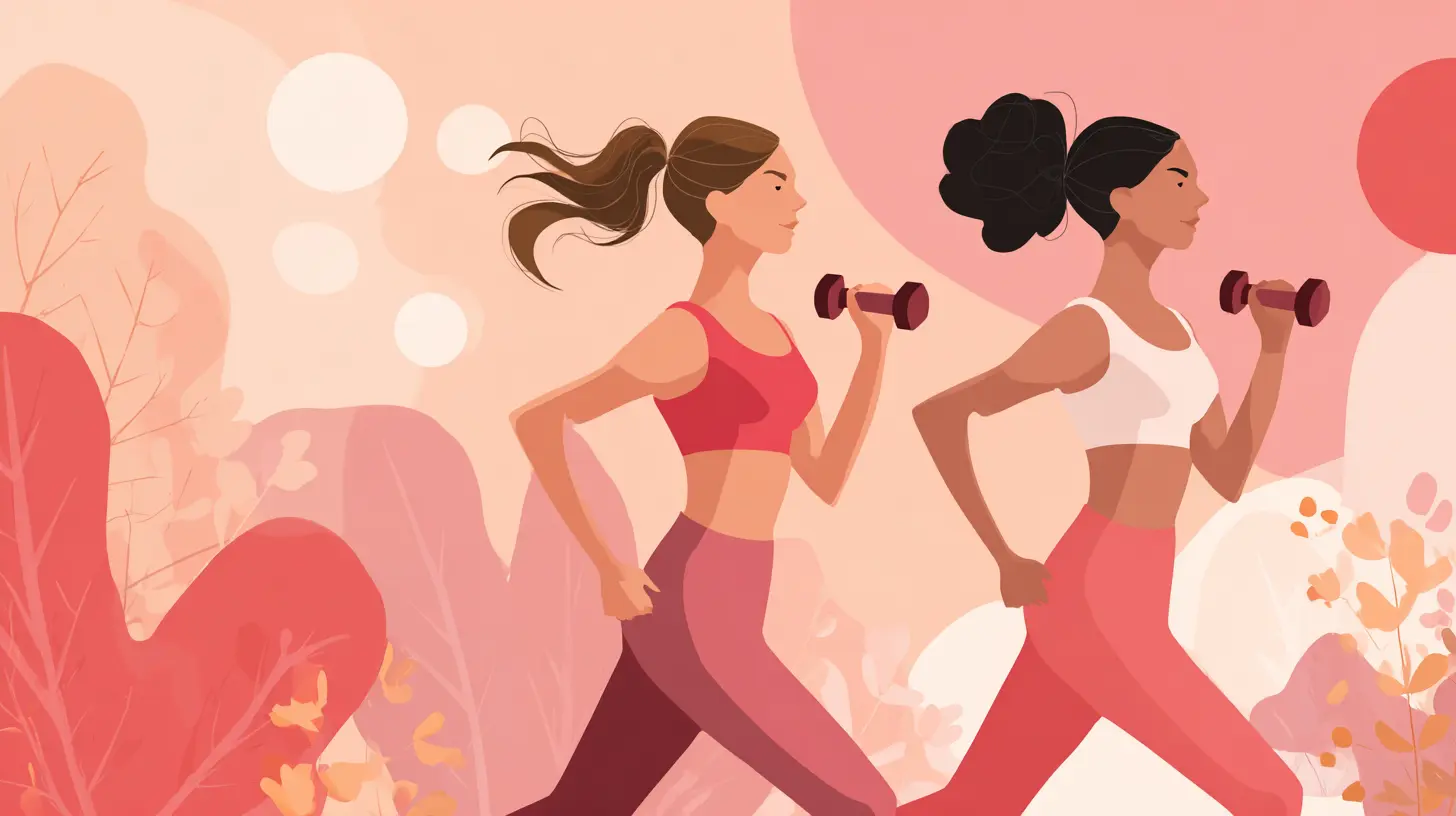
The Menstrual Cycle and Exercise: Timing is Everything
Here’s where things get super interesting. Your hormonal landscape changes week to week during your menstrual cycle, meaning your energy, strength, and motivation will ebb and flow. And that’s totally normal!Let’s break it down:
Menstrual Phase (Days 1–5):
You’re bleeding. Estrogen and progesterone are low. Energy? Probably dragging.Best workouts: Restorative yoga, stretching, walking. Think gentle and nurturing. Listen to your body—rest is productive too!
Follicular Phase (Days 6–14):
Estrogen is on the rise, and so is your energy.Best workouts: Strength training, cardio, HIIT. You’ll likely feel stronger and more motivated—rock that spin class!
Ovulation (Around Day 14):
Estrogen peaks. Testosterone gets a boost. You are a powerhouse right now.Best workouts: High-intensity training, powerlifting, endurance runs. Your body is primed to perform.
Luteal Phase (Days 15–28):
Progesterone rises, and you might feel a bit more sluggish or bloated as your period approaches.Best workouts: Ease back into low-impact workouts like Pilates, light weights, or swimming. Don’t beat yourself up for needing more rest.
By syncing your workouts with your cycle, you can work with your body—not against it.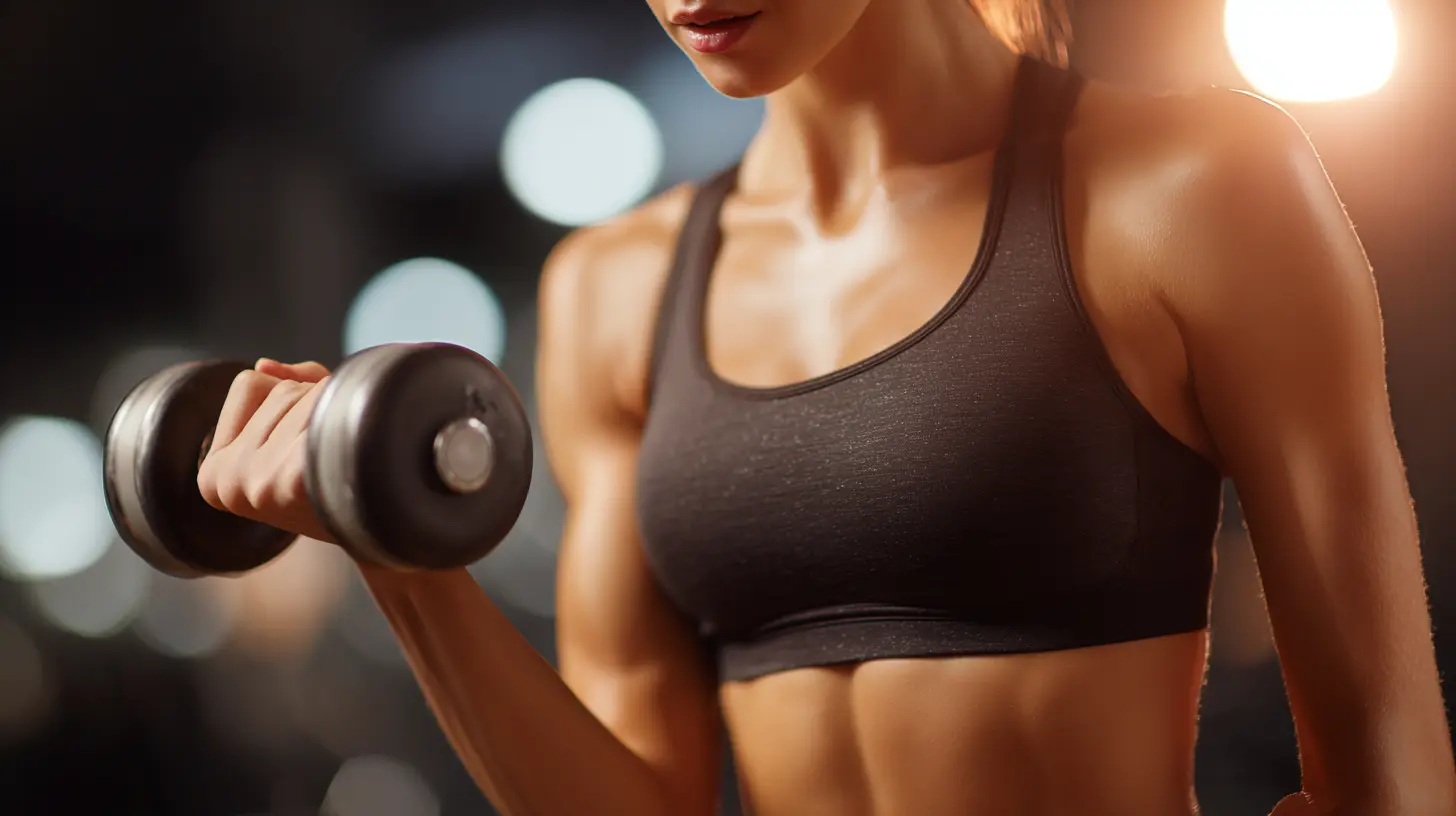
Exercise and PCOS: A Natural Hormone Helper
Polycystic Ovary Syndrome (PCOS) affects 1 in 10 women. It’s a hormonal disorder that can cause irregular periods, acne, weight gain, and fertility struggles. Here’s where exercise swoops in as a superhero.Regular movement helps:
- Lower insulin resistance (a key driver of PCOS symptoms)
- Reduce inflammation
- Support healthy ovulation
- Improve mood and body composition
Studies show that both moderate and vigorous exercise can help manage PCOS symptoms. Think brisk walks, strength training, or cycling. Consistency is more important than intensity.
Exercise During Perimenopause and Menopause
Hormonal changes during this time can be downright frustrating—hot flashes, night sweats, sleep issues, mood swings. But guess what? Staying active can seriously help smooth the ride.Weight training becomes especially important after 40. Here’s why:
- Estrogen helps maintain muscle and bone mass, but as it drops, so does your strength.
- Resistance training can prevent muscle loss, improve metabolism, and protect against osteoporosis.
- It can also help fight menopausal weight gain (yep, that’s a thing).
Cardio, strength, and flexibility workouts create a well-rounded routine that supports hormonal health and keeps you feeling fabulous through midlife and beyond.
Overdoing It: When Exercise Hurts Hormonal Health
Here’s the thing—more isn’t always better. If you’re pushing yourself too hard without enough recovery, your body can perceive it as stress. And remember what we said about cortisol? Too much stress from excessive training can throw hormones out of whack.Signs you might be overtraining:
- Irregular or missing periods
- Constant fatigue
- Poor sleep
- Increased injuries
- Mood swings
The fix? Balance. Make sure you’re getting rest days, sleeping well, eating enough, and not using exercise as punishment. Movement should be a celebration, not a chore.
Best Types of Exercise to Support Hormonal Health
Let’s go over the all-star lineup of movements that love your hormones back:Strength Training
Think squats, deadlifts, push-ups. Building muscle helps regulate insulin, improves testosterone balance, and keeps your metabolism humming.Yoga and Pilates
These aren’t just for stretching. Yoga supports adrenal health, reduces cortisol, and improves circulation to your reproductive organs. Plus, deep breathing = powerful stress relief.Cardio (In Moderation)
Walking, swimming, cycling, or jogging can boost endorphins, enhance insulin sensitivity, and support cardiovascular health. Just don’t overdo long, intense cardio sessions daily—they can spike cortisol.HIIT (High-Intensity Interval Training)
Short bursts of intensity followed by rest can be super effective. Just 20–30 minutes can improve metabolic health and support fat-burning hormones.Rest and Recovery
Yes, this counts too! Sleep and relaxation are hormonally healing. When you rest, your body recalibrates and rebuilds.Fueling Your Fitness: Nutrition Matters Too
Don’t forget—what you put in your body fuels how your hormones respond to exercise.Quick tips:
- Eat enough. Women need carbs, fats, and protein—especially if you’re working out.
- Don’t skip your post-workout snack. A mix of protein and complex carbs helps balance blood sugar and aids muscle recovery.
- Stay hydrated. Water supports every cellular process, including hormone transport.
- Balance your plate. Aim for whole foods, plenty of greens, colorful veggies, healthy fats, and lean protein.
Nutrition and exercise are like Beyoncé and backup dancers—they’re better together when it comes to hormonal harmony.
Real Talk: Motivation and Mindset
Let’s be honest, some days you just don’t feel like moving. That’s okay—hormones can absolutely influence motivation. The key is to tune in, not tune out. Ask yourself: What does my body need today?Movement should empower you, not exhaust you. Some days it’s a heavy lifting session. Others? A walk while listening to your favorite podcast. Even stretching for 10 minutes counts.
Progress happens with consistency, not perfection.
Final Thoughts: Movement IS Medicine
Your body is wise and capable—and it’s always working to find balance. Exercise is not just about calories burned or goals crushed. It’s one of the most potent tools we have to support our hormones naturally.Whether you're aiming to ease PMS, balance PCOS, transition through menopause smoothly, or just feel more in tune with your body, smart movement is your secret weapon.
So, lace up those sneakers, roll out your yoga mat, or dance it out in your kitchen. Your hormones will thank you.
all images in this post were generated using AI tools
Category:
Womens HealthAuthor:

Jackson Mahoney
Discussion
rate this article
1 comments
Otis Butler
Exercise plays a crucial role in balancing hormones in women. Regular physical activity not only enhances mood and energy but also regulates menstrual cycles and supports metabolic health. Prioritizing exercise is essential for women wanting to take control of their hormonal well-being.
June 11, 2026 at 3:59 AM
Jackson Mahoney
Absolutely, exercise is key for hormonal balance. It can transform mood and energy levels, making a big difference in overall health. Prioritizing it is definitely worth it.