The Psychology Behind Craving Crunchy Salads
9 November 2026
Crunchy salads have a unique appeal that captivates many people. The crispness of fresh vegetables, combined with a variety of textures and flavors, can make salads not just a meal but a sensory experience. But what drives this craving? Understanding the psychology behind why we desire crunchy salads can shed light on our eating habits, preferences, and overall health.
The Allure of Crunchiness
Sensory Appeal
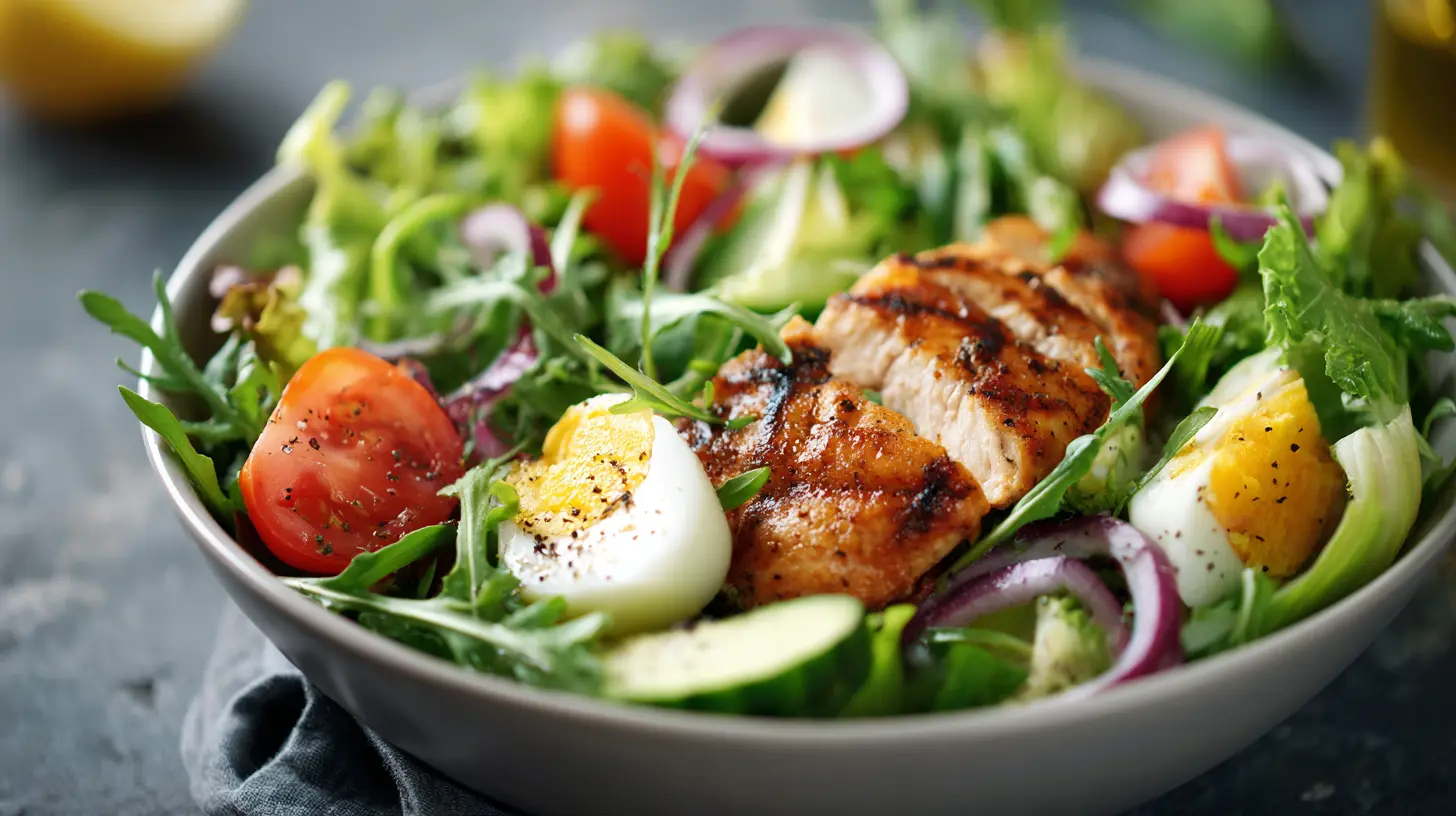
Crunchy foods engage our senses in a way that softer foods often do not. The sound of a crisp carrot snapping or the crunch of lettuce can evoke a satisfying auditory experience. This sensory feedback triggers the brain's reward system, releasing dopamine, a neurotransmitter associated with pleasure. The more crunch we experience, the more we may crave it.Texture and Satisfaction
Texture plays a crucial role in food enjoyment. Salads provide a variety of textures, from the crunch of raw vegetables to the creaminess of dressings. This combination can create a more satisfying eating experience. Research suggests that foods with diverse textures can enhance satiety, making us feel fuller and more satisfied after eating.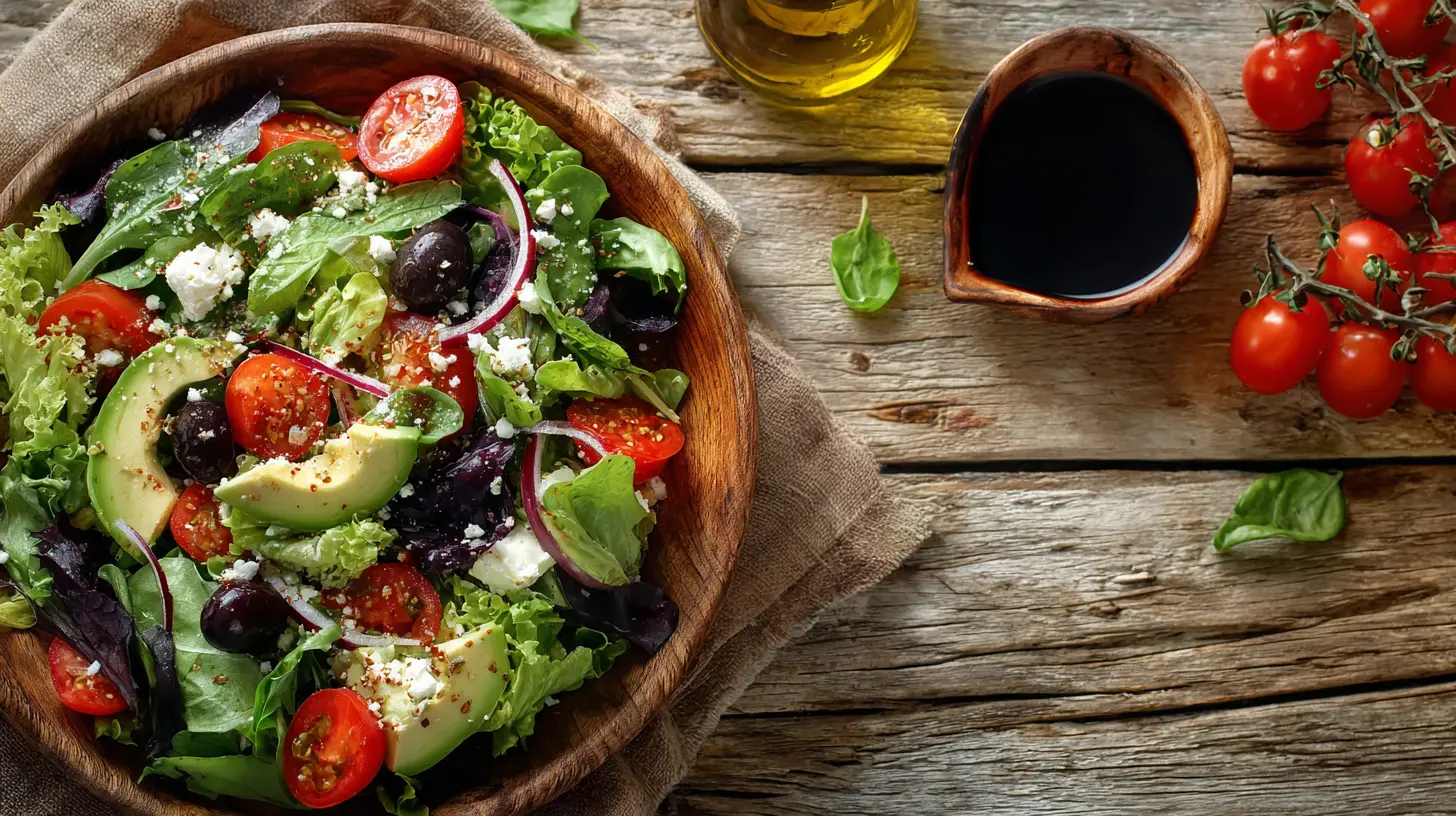
Nutritional Aspects of Salads
Low-Calorie Density
Crunchy salads are often low in calorie density, meaning they provide fewer calories relative to their volume. This characteristic can appeal to those looking to manage their weight. Eating a large salad can fill you up without leading to excessive calorie intake, which can be particularly appealing for individuals focused on weight loss or maintenance.Nutrient-Rich Ingredients
Salads are typically packed with vitamins, minerals, and antioxidants. Leafy greens, for instance, are rich in vitamins A, C, and K, as well as folate and calcium. The variety of ingredients often found in salads, such as colorful vegetables, nuts, and seeds, contributes to a well-rounded nutrient profile. This nutritional bounty can create a psychological association between salads and health, reinforcing the craving for these foods.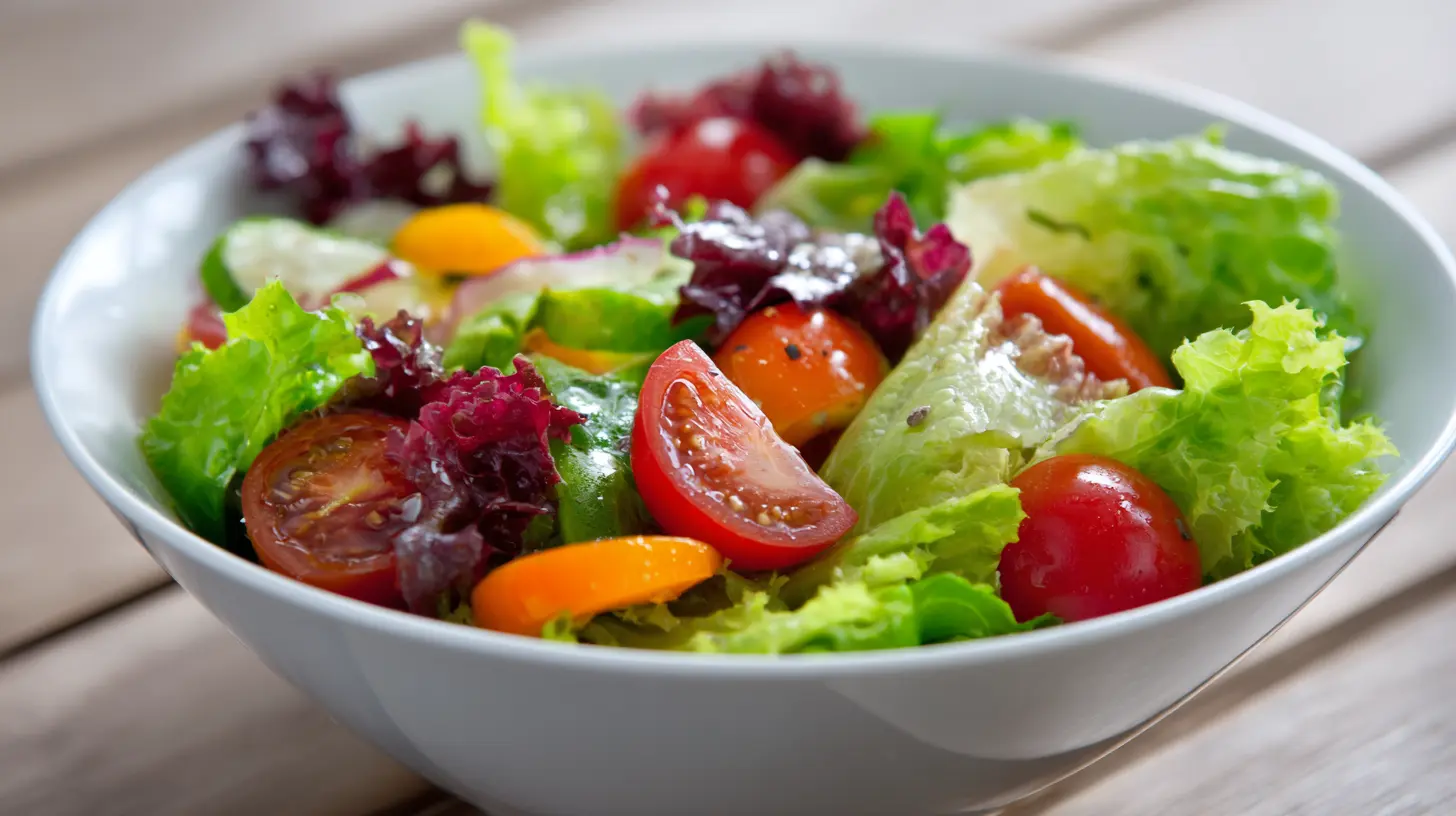
Emotional Connections to Food
Comfort and Well-Being
Food is often tied to emotions. For many, salads represent a healthy choice that aligns with personal wellness goals. Eating a crunchy salad may evoke feelings of control and accomplishment, especially if it is part of a balanced diet. Conversely, individuals may crave salads during times of stress as a way to regain a sense of control over their health.Social Influences
Social settings can also impact our food choices. Salads are often perceived as a healthy option in restaurants or gatherings, which can influence cravings. The presence of others enjoying salads can create a desire to partake in the experience, reinforcing the craving through social validation.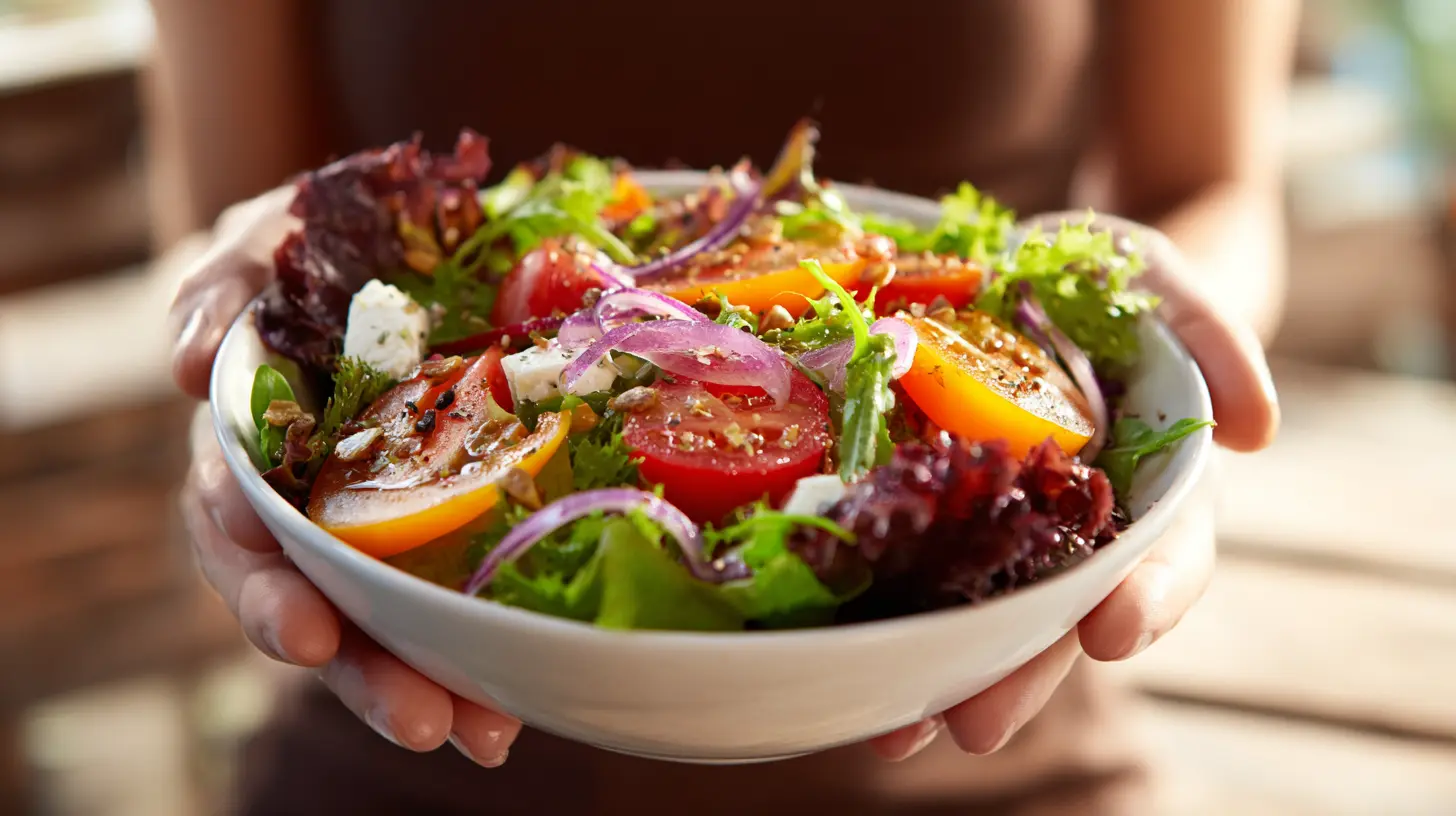
The Role of Habit and Routine
Building Positive Associations
Creating a habit of eating crunchy salads can lead to a positive feedback loop. When individuals consistently choose salads, their brains begin to associate the act of eating salads with positive outcomes, such as feeling energized or satisfied. Over time, this can lead to a stronger craving for salads, particularly during meals or snack times.Breaking Negative Patterns
For those who struggle with unhealthy eating habits, incorporating crunchy salads can serve as a strategy to break patterns of consuming processed or high-calorie foods. By replacing these options with salads, individuals can retrain their cravings over time, making crunchy salads a more desirable choice.Practical Tips for Enhancing Salads
Experiment with Ingredients
To keep your salads exciting and satisfying, experiment with different ingredients. Incorporating a variety of textures, colors, and flavors can enhance the overall experience. Try adding nuts for crunch, fruits for sweetness, or grilled proteins for substance. This not only improves the sensory appeal but also keeps nutritional value high.Pay Attention to Dressings
Dressings can make or break a salad. A well-chosen dressing can enhance flavors and textures, while a poor choice can detract from the experience. Opt for homemade dressings using wholesome ingredients to control calories and enhance taste. For example, a simple vinaigrette made with olive oil, vinegar, and herbs can elevate a basic salad without overwhelming it.Mindful Eating Practices
Practicing mindful eating can enhance the experience of eating salads. Take the time to appreciate the colors, textures, and flavors of each ingredient. Chewing slowly and savoring each bite can increase satisfaction and help reinforce positive associations with crunchy salads.
Common Mistakes and Misconceptions
Overloading on Dressing
One common mistake is overloading salads with dressing. While dressing adds flavor, too much can turn a healthy salad into a high-calorie meal. Aim for moderation, and consider serving dressings on the side to control portions.Neglecting Protein
Another misconception is that salads cannot be filling without a substantial protein source. While it is possible to enjoy a salad as a light meal, adding protein can enhance satiety and make it more satisfying. Consider incorporating grilled chicken, chickpeas, or tofu to provide balance.Assuming All Salads Are Healthy
Not all salads are created equal. Some restaurant salads can be laden with high-calorie toppings, fried ingredients, or creamy dressings that negate the health benefits. Always check nutritional information when dining out or opt for simpler salads that emphasize fresh ingredients.The Balance Between Health and Enjoyment
Finding Your Personal Balance
Craving crunchy salads can be a healthy inclination, but it is essential to find a balance that works for you. Consider your dietary needs, preferences, and lifestyle. For some, salads may be a daily staple, while others may prefer them as an occasional treat. Understanding your cravings and how they align with your overall health goals can lead to better food choices.Listening to Your Body
It is vital to listen to your body's signals. If you find yourself craving crunchy salads frequently, consider what that might indicate about your nutritional needs. Are you lacking in certain vitamins or minerals? Are you seeking more fiber in your diet? Paying attention to these signals can help you make informed dietary choices.
Conclusion
The craving for crunchy salads is rooted in a complex interplay of sensory appeal, nutritional value, emotional connections, and habitual patterns. By understanding the psychology behind these cravings, individuals can make informed choices that align with their health goals. Whether you enjoy salads as a daily meal or an occasional treat, embracing the variety, flavors, and textures they offer can lead to a more satisfying and healthful eating experience.
all images in this post were generated using AI tools
Category:
Healthy SaladsAuthor:

Jackson Mahoney