The Psychology of Eating Well for a Better Tomorrow
5 October 2026
Most people know what they should eat. Ask almost anyone on the street, and they can recite the basics: more vegetables, less sugar, smaller portions, plenty of water. The knowledge is not the problem. The problem lives somewhere deeper, in the messy intersection of emotion, habit, memory, and identity. That is where the real work happens, and that is what this article is about.
Eating well is not a test of willpower. It is a psychological skill, and like any skill, it can be built, weakened, or rebuilt depending on the conditions around it. When we treat food choices as a simple matter of discipline, we set ourselves up for shame and failure. When we treat them as a reflection of our inner world, we open the door to lasting change.
This article looks at eating well through a psychological lens. It examines why we eat the way we do, what gets in the way, and how small shifts in thinking and environment can shape a better tomorrow, not just for our bodies but for our minds, our relationships, and the people who learn from watching us.
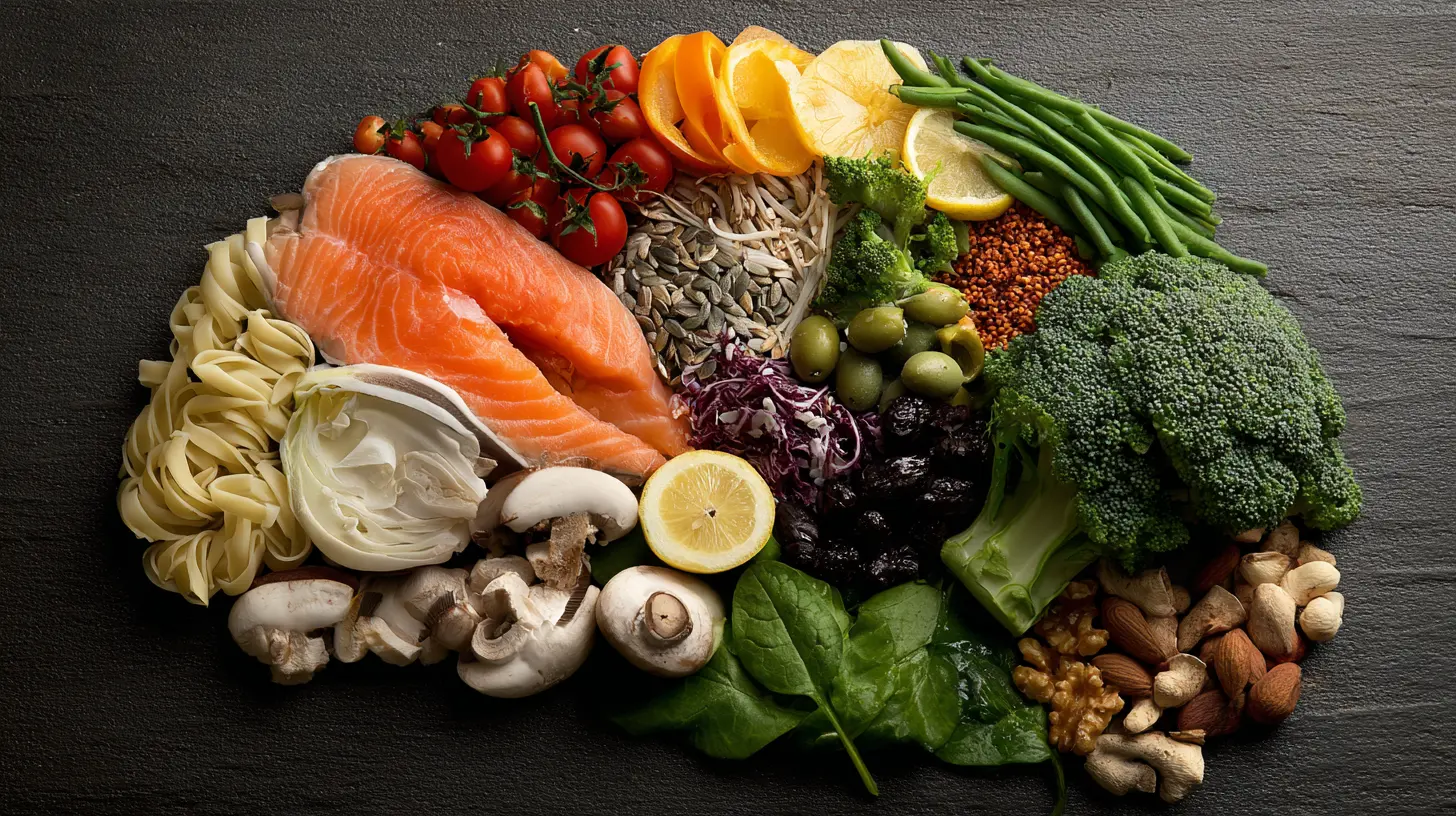
Why Knowledge Alone Rarely Changes Behavior
There is a well-worn gap between knowing and doing. A person can understand the risks of ultra-processed food, nod along to a documentary about nutrition, and still reach for the same snacks at 10 p.m. This is not hypocrisy. It is how the human brain is wired.The brain is not designed to optimize long-term health. It is designed to keep you alive, conserve energy, and seek reward. Foods high in sugar, fat, and salt trigger strong reward pathways because, for most of human history, those nutrients were scarce and valuable. A modern supermarket puts that ancient wiring in front of an endless buffet.
Knowledge sits in the slower, more deliberate part of the mind. Habits and cravings live in the faster, more automatic part. When you are tired, stressed, or distracted, the fast part wins almost every time. This is why telling someone to "just eat better" is about as useful as telling them to "just sleep better" or "just worry less."
The takeaway is not that knowledge is worthless. It is that knowledge needs to be paired with systems, self-awareness, and compassion. Otherwise it becomes one more thing to feel guilty about.
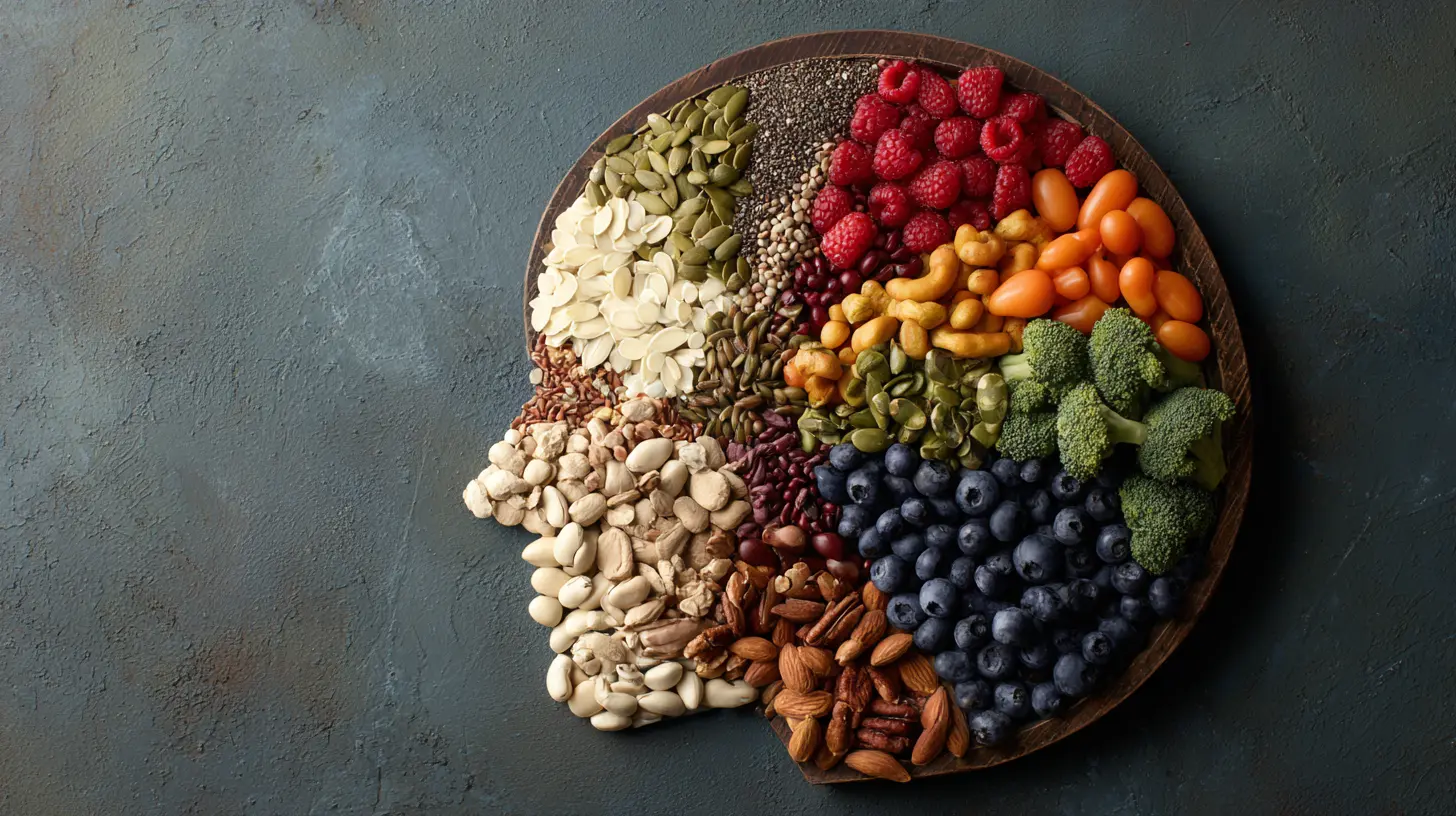
The Emotional Architecture of Eating
Food is never just fuel. From the first days of life, it is tied to comfort, safety, and connection. A warm meal after a hard day, a birthday cake, a family recipe passed down through generations. These associations are laid down early and they run deep.Emotional eating gets a bad reputation, but it is not a moral failing. It is a normal human response. The trouble starts when food becomes the only tool available for managing difficult feelings. When sadness, boredom, loneliness, or anxiety show up, and the only reliable comfort is in the pantry, the pattern hardens.
Consider a common example. A person comes home after a tense day at work. They are not physically hungry, but they open the fridge anyway. The act of eating provides a brief pause, a moment of pleasure, a temporary exit from the stress. The brain notes this. Next time stress appears, the fridge looks more attractive.
Breaking that loop does not require eliminating comfort eating. It requires widening the menu of coping options. A walk, a phone call, a shower, a few minutes of breathing, a creative task. None of these replace food entirely, and they do not need to. They simply give the brain alternatives so that food is a choice rather than a reflex.

How Habits Form and How They Break
Habits follow a predictable loop: a cue, a routine, and a reward. For eating, the cue might be a time of day, a location, a feeling, or a person. The routine is the behavior, and the reward is the pleasant sensation that follows.Most eating habits are context-dependent. You might not crave popcorn at 10 a.m., but the moment you sit on the couch with a movie, the craving appears. The cue is not hunger. It is the setting.
This is good news. Habits are easier to change when you change the context around them. Some practical approaches:
- Keep tempting foods out of sight, or better, out of the house. Willpower is a limited resource. Distance is not.
- Attach new habits to existing ones. After you pour your morning coffee, you eat a piece of fruit. The coffee becomes the cue.
- Make the desired behavior easy. Pre-cut vegetables, washed fruit on the counter, a filled water bottle within reach.
- Make the undesired behavior harder. Put the chips on a high shelf. Delete the delivery app from your home screen.
None of these steps require heroic effort. That is the point. Sustainable change comes from small environmental adjustments, repeated until they become automatic.
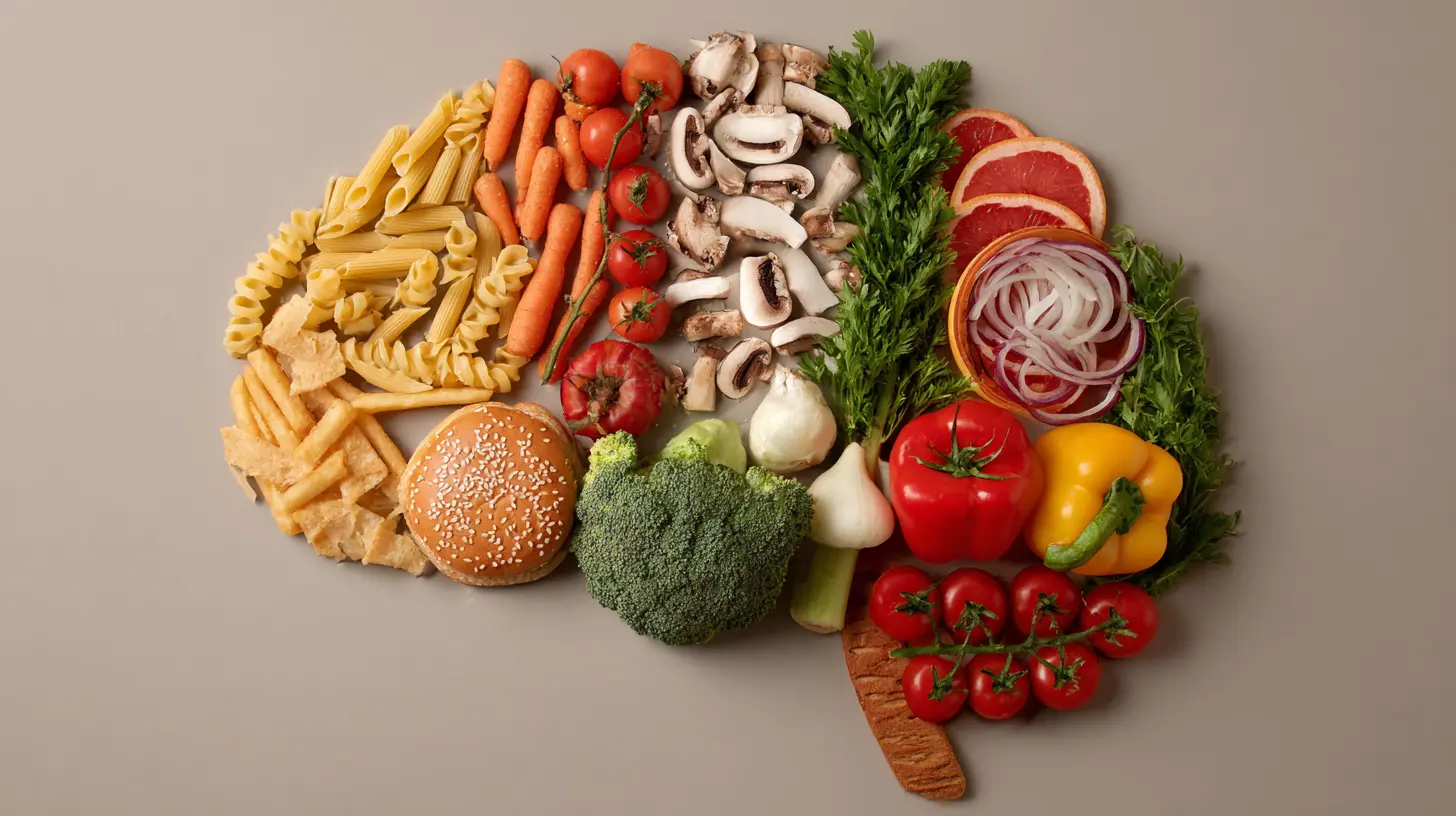
The Role of Identity in Lasting Change
There is a difference between wanting to eat well and seeing yourself as someone who eats well. The first is a goal. The second is an identity, and identity is far more powerful.When eating well is tied to who you are, the decisions become less about sacrifice and more about consistency. A person who sees themselves as someone who respects their body does not need to debate every food choice. The choice flows from the self-image.
This shift takes time. It usually starts with small acts that prove the new identity to yourself. Choosing water instead of soda once. Cooking a simple meal instead of ordering out. Eating a vegetable you normally avoid. Each small act is a vote for the kind of person you are becoming.
The trap here is perfectionism. Identity is not built by never slipping. It is built by returning to the pattern after a slip. One missed workout does not make you an unfit person. One indulgent meal does not undo a week of balanced eating. The story you tell yourself about those moments matters more than the moments themselves.
Stress, Sleep, and the Biology of Cravings
Psychology does not operate in a vacuum. Stress hormones and sleep debt directly influence appetite and food choices. When you are sleep-deprived, the brain craves quick energy, which usually means refined carbohydrates and sugar. When you are chronically stressed, the body holds onto fat and the mind reaches for comfort.This means that eating well is not only about food. It is also about rest, movement, and managing the load of daily life. A person who sleeps seven to eight hours, moves their body regularly, and has some outlet for stress will find healthy eating far easier than someone running on five hours of sleep and constant tension.
Practical implications:
- Protect sleep like an appointment. It is not a luxury. It is a foundation.
- Move daily, even briefly. A short walk after meals can help regulate blood sugar and mood.
- Build small recovery rituals into the day. Five minutes of quiet, a stretch, a cup of tea without a screen.
These are not indirect strategies. They are part of the same system. Fix the sleep, and the cravings often shrink on their own.
Common Mistakes and Misconceptions
Many well-intentioned efforts backfire because they rest on faulty assumptions. Here are some of the most common.Mistake 1: All-or-nothing thinking
One "bad" meal does not ruin a day, and one "bad" day does not ruin a week. The all-or-nothing mindset turns a minor slip into a full relapse. A more useful frame is the 80/20 approach: eat nourishing foods most of the time, and leave room for enjoyment without guilt.Mistake 2: Using food as a reward or punishment
Treating dessert as a reward for "being good" and withholding it as punishment for "being bad" keeps food in a moral framework. This can create a cycle of restriction and bingeing. Food is not a grade. It is nourishment, pleasure, and culture.Mistake 3: Ignoring hunger and fullness cues
Many people have learned to override their body's signals. They eat by the clock, by the plate, or by the rules. Relearning to notice hunger and fullness takes practice, but it is one of the most reliable guides available.Mistake 4: Copying someone else's plan
A diet that works for a friend may not work for you. Genetics, culture, medical history, budget, and schedule all matter. There is no single correct way to eat well. There are principles, and there are personal applications.Mistake 5: Expecting motivation to carry you
Motivation is a feeling. It comes and goes. Systems, habits, and environment carry you when motivation is absent. Rely on those instead.Practical Strategies That Respect Psychology
Here are approaches that tend to work because they align with how the mind actually functions.Start with one change
Pick a single behavior and repeat it until it feels normal. Breakfast, for example. Get that one meal right for two weeks before touching anything else. Stacking too many changes at once overwhelms the system.Use implementation intentions
This is a fancy term for a simple tool. Instead of saying "I will eat more vegetables," say "When I make dinner on weeknights, I will add a serving of vegetables." The when and the how make the intention far more likely to stick.Eat without screens sometimes
Mindless eating is real. When you eat while scrolling or watching, you often eat more and enjoy it less. Try one meal a day without a screen. Notice the taste, the texture, the pace. This is not about restriction. It is about presence.Plan for the hard moments
Willpower is lowest when you are tired, hungry, or emotional. Plan ahead for those times. Keep easy, nourishing options on hand. Decide in advance what you will do when stress hits. A plan made in a calm moment is worth more than ten resolutions made in a motivated one.Forgive yourself quickly
Self-compassion is not softness. It is strategy. Research on behavior change consistently shows that people who forgive themselves after a slip are more likely to get back on track than those who berate themselves. Shame drives secrecy and avoidance. Compassion drives honesty and return.
The Social and Cultural Dimension
Eating does not happen in isolation. It happens at tables, in kitchens, at celebrations, and in workplaces. Culture, family, and community shape what we eat and how we feel about it.This is why rigid diets often fail in social settings. They set up a conflict between belonging and restriction. A person who cannot share a birthday cake without anxiety is not eating well in a psychological sense, even if their plate looks perfect.
A better approach is flexibility with intention. Enjoy the cake. Savor it. Then return to your normal pattern at the next meal. This keeps food in its proper place: part of a life, not the whole of it.
There is also a generational dimension. Children learn eating habits by watching, not by listening. A parent who diets constantly and talks about food in terms of guilt teaches those lessons. A parent who cooks, eats with pleasure, and treats food as ordinary teaches something else entirely. The psychology of eating well is passed down, and it can be rewritten at any point in the chain.
Why "Better Tomorrow" Is the Right Frame
The phrase better tomorrow is deliberate. Eating well is not about a perfect body or a number on a scale. It is about the kind of life you are building, one meal at a time.A better tomorrow looks like more energy in the morning. Fewer crashes in the afternoon. A calmer relationship with food. Less time spent in shame and more time spent in life. It looks like children who grow up without diet culture in their heads. It looks like aging with strength and dignity.
None of this requires a dramatic overhaul. It requires a shift in perspective. Food is not an enemy to be controlled. It is a daily practice, a form of self-respect, and a quiet act of hope.
Conclusion
The psychology of eating well is not about mastering a set of rules. It is about understanding yourself, your history, your emotions, and your environment. It is about building systems that make good choices easier and shame less necessary. It is about recognizing that a single meal is never the whole story, and that the story is still being written.Start small. Stay kind to yourself. Pay attention. The better tomorrow you are looking for is not waiting at the end of a perfect diet. It is being built right now, in the ordinary choices of an ordinary day.
all images in this post were generated using AI tools
Category:
Mood Boosting FoodsAuthor:

Jackson Mahoney