The Rise of Personalized Nutrition: Is One-Size-Fits-All Dieting Dead?
16 November 2026
In a world where everyone seems to have an opinion on the best diet, the rise of personalized nutrition is shaking things up. Gone are the days when people blindly followed cookie-cutter diets that promised miraculous results. Today, the conversation is shifting toward understanding individual needs, preferences, and biological responses. But what does this mean for you? Let's dive into the fascinating world of personalized nutrition and see if the one-size-fits-all approach is truly dead.
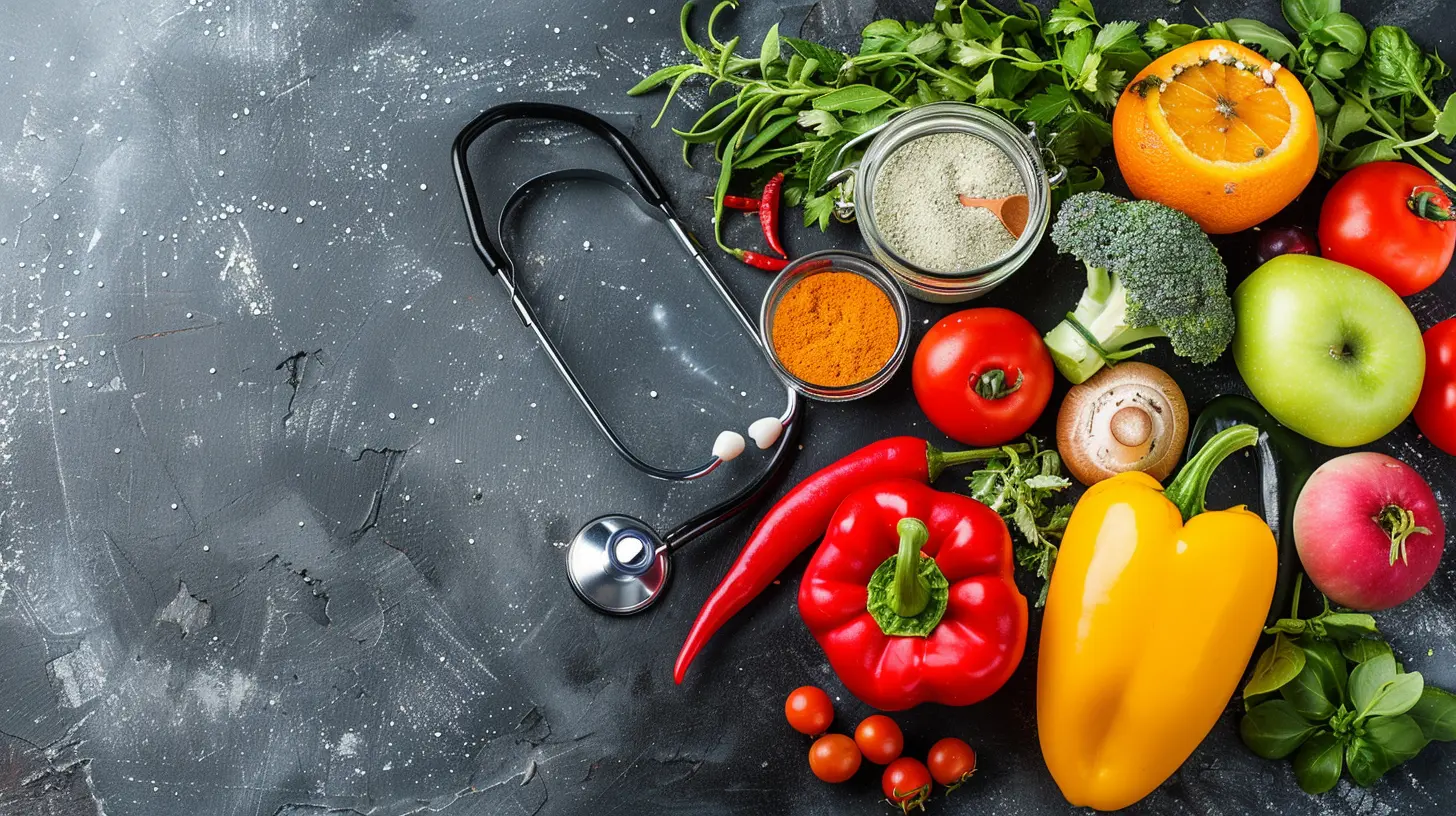
The Shift from Generic Diets to Personalization
The Limitations of One-Size-Fits-All Diets
Traditional diets often operate on a "one-size-fits-all" principle, assuming that what works for one person will work for another. This approach can lead to frustration and disappointment. For instance, consider the popular ketogenic diet. While some individuals thrive on high-fat, low-carb eating, others may find it unsustainable or even harmful.The problem lies in the fact that our bodies are complex systems influenced by genetics, lifestyle, environment, and personal preferences. A diet that suits your friend might not suit you, and that is perfectly okay. The realization that nutrition is not a universal solution is driving the movement toward personalized nutrition.
What Is Personalized Nutrition?
Personalized nutrition tailors dietary recommendations to the individual. It considers various factors such as genetics, microbiome composition, lifestyle habits, and even personal goals. This approach aims to optimize health by addressing unique needs rather than applying a blanket solution.For example, someone with a genetic predisposition to lactose intolerance may benefit from a dairy-free diet, while another person may thrive on a diet that includes dairy. This tailored approach can enhance dietary adherence and improve overall health outcomes.
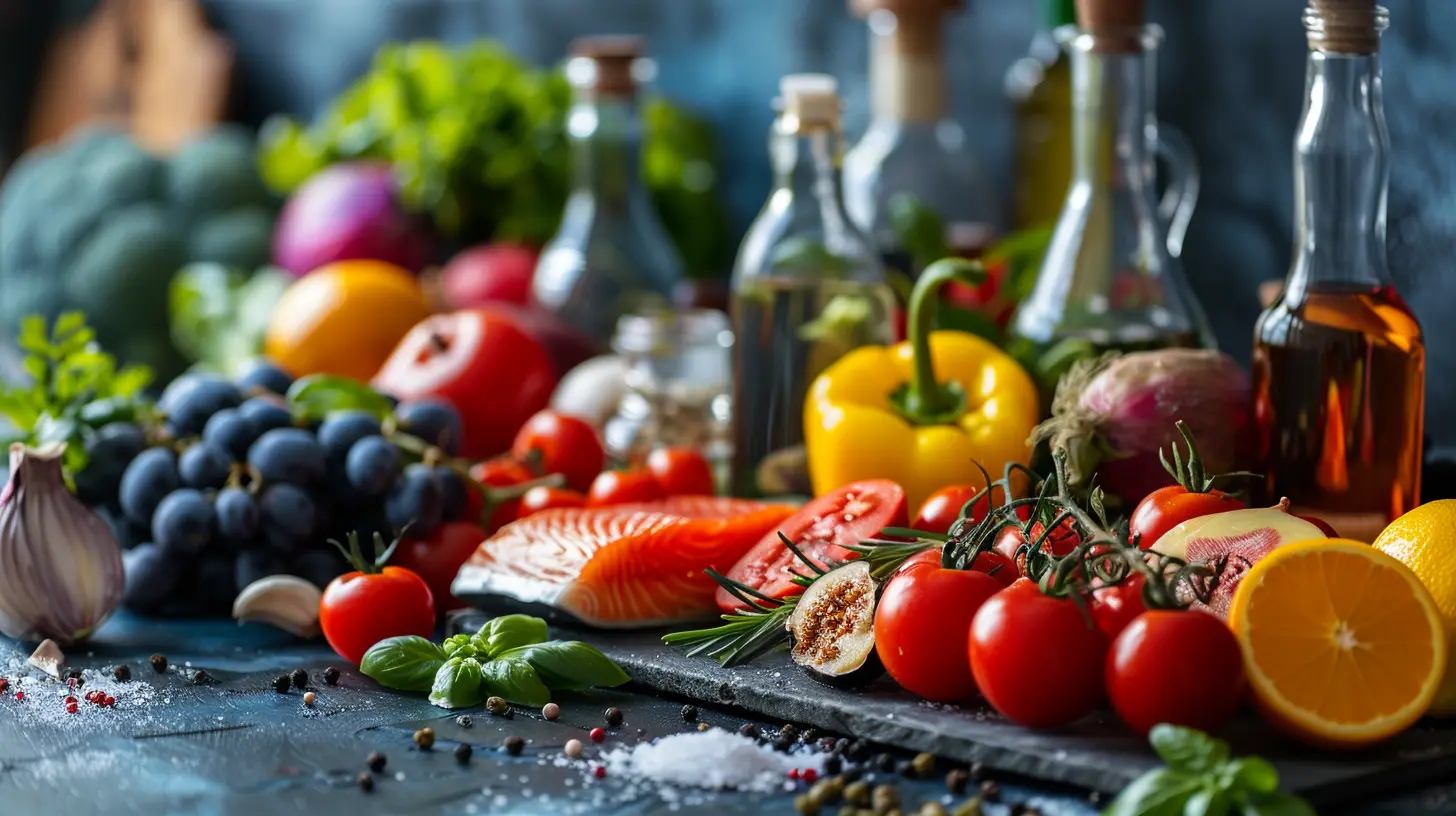
The Science Behind Personalized Nutrition
Genetic Influences on Nutrition
Genetics plays a significant role in how our bodies respond to different foods. Variations in our genes can affect metabolism, nutrient absorption, and even taste preferences. For instance, certain genetic markers can indicate how well a person metabolizes carbohydrates or fats.Research has shown that people with specific gene variants may respond better to certain diets. For example, individuals with the FTO gene variant might find it harder to lose weight on a low-calorie diet compared to others. Understanding these genetic influences can help people choose diets that align better with their biology.
The Role of the Microbiome
The gut microbiome, the collection of trillions of bacteria living in our digestive system, is another important factor in personalized nutrition. Each person's microbiome is unique and can significantly influence how they digest food and absorb nutrients.Emerging research suggests that a diverse microbiome can promote better health and weight management. For instance, individuals with a higher diversity of gut bacteria may have an easier time maintaining a healthy weight. Personalized nutrition can help identify foods that support a healthy microbiome, such as prebiotics and probiotics, tailored to individual needs.

Practical Applications of Personalized Nutrition
Nutrigenomics: The Intersection of Nutrition and Genetics
Nutrigenomics is the study of how food interacts with genes. This field is at the forefront of personalized nutrition, enabling individuals to make informed dietary choices based on their genetic makeup.For instance, genetic testing can reveal how a person metabolizes caffeine. If someone has a genetic variant that slows caffeine metabolism, they might choose to limit their coffee intake to avoid jitters or insomnia. By understanding these connections, individuals can create diets that work harmoniously with their genetic predispositions.
Customized Meal Plans
With the rise of technology and data analysis, creating customized meal plans has never been easier. Many companies now offer personalized nutrition services that analyze genetic data, lifestyle habits, and health goals to provide tailored meal recommendations.For example, a service might suggest a Mediterranean-style diet rich in healthy fats and vegetables for someone with a family history of heart disease. Alternatively, it might recommend a low-FODMAP diet for someone with irritable bowel syndrome. The key is that these meal plans are designed specifically for the individual, increasing the likelihood of success.
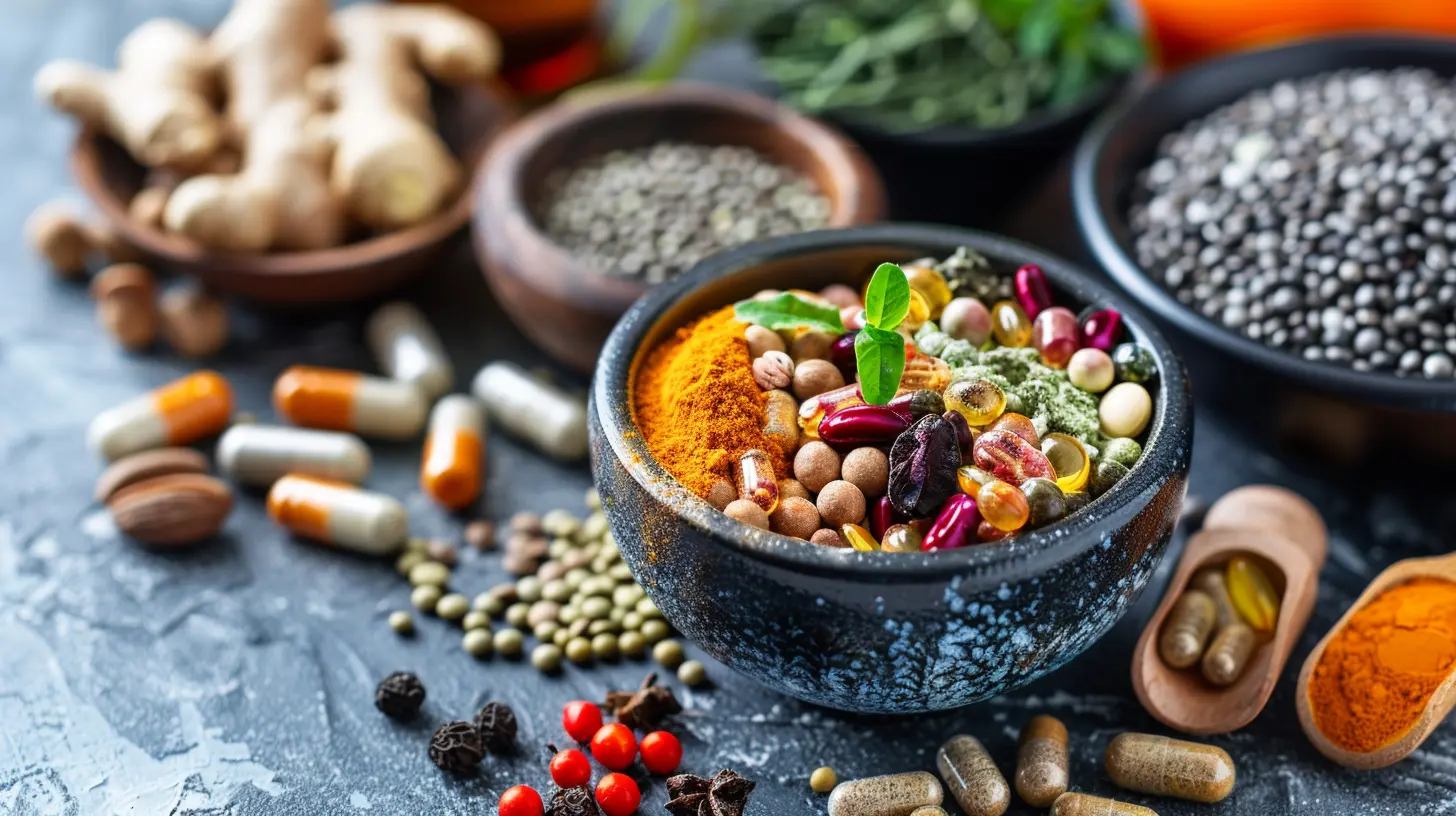
Benefits of Personalized Nutrition
Improved Health Outcomes
One of the most significant advantages of personalized nutrition is the potential for improved health outcomes. When individuals follow diets tailored to their unique needs, they are more likely to experience positive results, whether that means weight loss, better energy levels, or improved digestion.For instance, a person with insulin resistance may find that a low-carb diet helps stabilize their blood sugar levels. Conversely, someone with a high metabolism might thrive on a higher-carb diet. Personalized nutrition allows for these nuanced adjustments that can lead to better health.
Enhanced Adherence to Dietary Changes
Another benefit of personalized nutrition is increased adherence to dietary changes. When people feel their diet is tailored to their preferences and needs, they are more likely to stick with it.Consider a person who dislikes fish but is following a generic heart-healthy diet that emphasizes seafood. They may struggle to maintain that diet over time. However, if a personalized plan suggests alternative sources of omega-3 fatty acids, such as walnuts or chia seeds, they may find it easier to comply.
Greater Satisfaction and Enjoyment
Personalized nutrition also enhances the enjoyment of eating. Diets that cater to individual tastes and preferences can make healthy eating feel less like a chore and more like a pleasure.Imagine a food lover who adores Italian cuisine. A personalized nutrition plan can incorporate healthy versions of their favorite dishes, allowing them to enjoy their meals without feeling deprived. This balance is crucial for long-term success.
Common Misconceptions About Personalized Nutrition
It's Only for the Health-Conscious
One common misconception is that personalized nutrition is only for those who are already health-conscious or looking to lose weight. In reality, personalized nutrition can benefit anyone, regardless of their current health status or goals. Whether you want to manage a health condition, boost energy, or simply feel better in your body, personalized nutrition can provide valuable insights.It's All About Genetics
While genetics plays a significant role in personalized nutrition, it is not the only factor. Lifestyle, environment, and personal preferences also contribute to how individuals respond to different diets. Focusing solely on genetics can lead to an incomplete understanding of one's nutritional needs.It's a Quick Fix
Personalized nutrition is not a magic bullet. It requires time, effort, and sometimes trial and error. While it can lead to impressive results, individuals should approach it with realistic expectations and a willingness to adapt as they learn more about their bodies.
Best Practices for Implementing Personalized Nutrition
Start with Self-Assessment
Before diving into personalized nutrition, start with a self-assessment. Consider your health goals, dietary preferences, and any existing health conditions. This initial reflection can help guide your journey and make it easier to identify what you want from your nutrition plan.Consult a Professional
Working with a registered dietitian or nutritionist can provide valuable guidance. These professionals can help interpret genetic data, assess your dietary habits, and create a personalized plan that aligns with your goals. They can also help you navigate any challenges that arise along the way.Embrace Flexibility
Personalized nutrition is not a rigid framework. As you learn more about your body and how it responds to different foods, be open to adjusting your diet. Flexibility allows for experimentation and adaptation, which are key to finding what works best for you.Focus on Whole Foods
While personalized nutrition may involve specific recommendations, the foundation should always be whole, nutrient-dense foods. Prioritize fruits, vegetables, whole grains, lean proteins, and healthy fats. These foods provide essential nutrients and can support overall health, regardless of individual dietary preferences.The Future of Personalized Nutrition
Technology and Innovation
The future of personalized nutrition is bright, with technology playing a crucial role. Advances in genetic testing, wearable devices, and data analysis are making it easier for individuals to access personalized nutrition insights.Imagine a world where your smartwatch tracks your dietary habits and provides real-time feedback on how certain foods affect your energy levels or mood. This level of personalization could revolutionize how we approach nutrition and health.
The Role of Community and Support
As personalized nutrition gains popularity, community support will become increasingly important. Online platforms and social media can connect individuals with similar goals, providing a space for sharing experiences, recipes, and tips.Supportive communities can help individuals stay motivated and accountable, making the journey toward personalized nutrition more enjoyable.
Conclusion
The rise of personalized nutrition marks a significant shift in how we approach diets and health. With a focus on individual needs, preferences, and biological responses, personalized nutrition offers a refreshing alternative to one-size-fits-all dieting. By understanding the science behind nutrition, embracing technology, and fostering community, individuals can create tailored diets that promote better health outcomes and enhance overall satisfaction with eating.As we move forward, it's clear that personalized nutrition is not just a trend; it's a fundamental evolution in how we think about food and health. So, is one-size-fits-all dieting dead? It seems that way, as we embrace a future where nutrition is as unique as we are.
all images in this post were generated using AI tools
Category:
Health TrendsAuthor:

Jackson Mahoney

