The Role of Antioxidants in Fighting Cellular Damage
2 December 2025
Ever wonder why everyone keeps talking about antioxidants? They're in your skincare, in your smoothie bowls, and even in that fancy green tea your friend swears by. But what are they really doing for your body? In simple terms, antioxidants are like your body’s personal clean-up crew. They're on a mission to protect your cells from damage — and they’re pretty darn good at it.
Let’s pull back the curtain and get into the nitty-gritty of how antioxidants help fight cellular damage. By the end of this deep dive, you’ll understand why they’ve earned such a glowing reputation in the health world.
Why Cellular Damage Happens in the First Place
Before we jump into how antioxidants save the day, we need to understand what they're up against.The Culprit: Free Radicals
Picture this: your body is a busy city, with trillions of cells doing their job like hardworking citizens. But then, these rogue elements called free radicals come crashing in like vandals.Free radicals are unstable molecules that are missing an electron. They're desperate to steal one from your healthy cells, and when they do, it leads to something called oxidative stress. Think of oxidative stress as rust forming inside your body — it's a slow, degenerative process that damages cells, proteins, and even DNA.
What Causes Free Radicals?
They’re not just the result of bad luck. Free radicals are formed from things like:- Pollution and environmental toxins
- Smoking and alcohol
- Unhealthy foods (hello, processed junk!)
- UV radiation from too much sun
- Even your body's normal metabolism
That’s right — just breathing and digesting food creates some free radicals. You can’t avoid them entirely, but you can definitely fight back.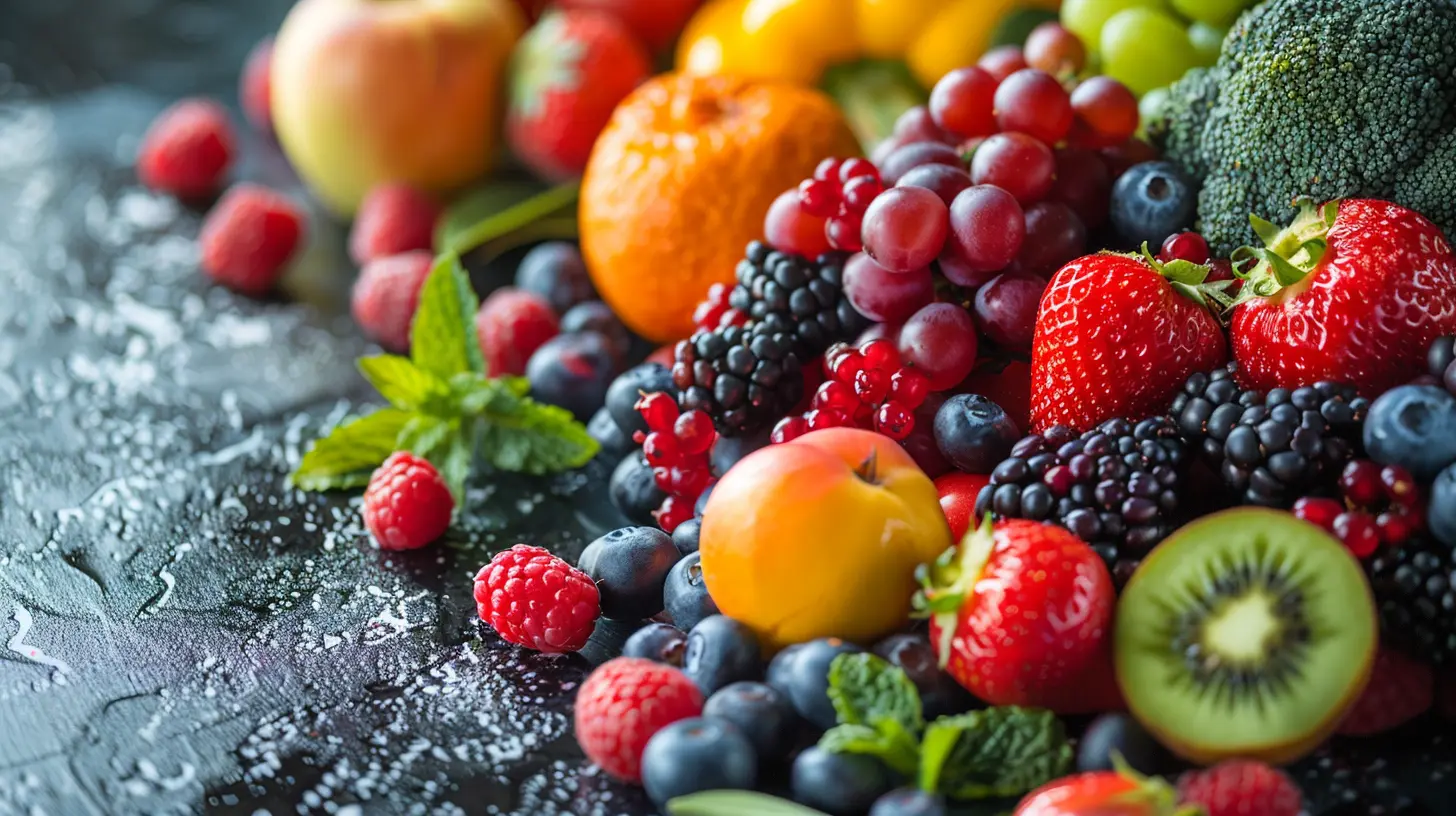
So, What Are Antioxidants?
Alright, now that we know who the bad guys are, let’s meet the heroes.Antioxidants are molecules that neutralize free radicals by giving them the electron they crave — without becoming unstable themselves. It’s like handing a tantrum-throwing toddler a toy and instantly calming things down.
They act like bodyguards for your cells, reducing oxidative stress and helping to prevent the damage that often leads to chronic diseases and aging.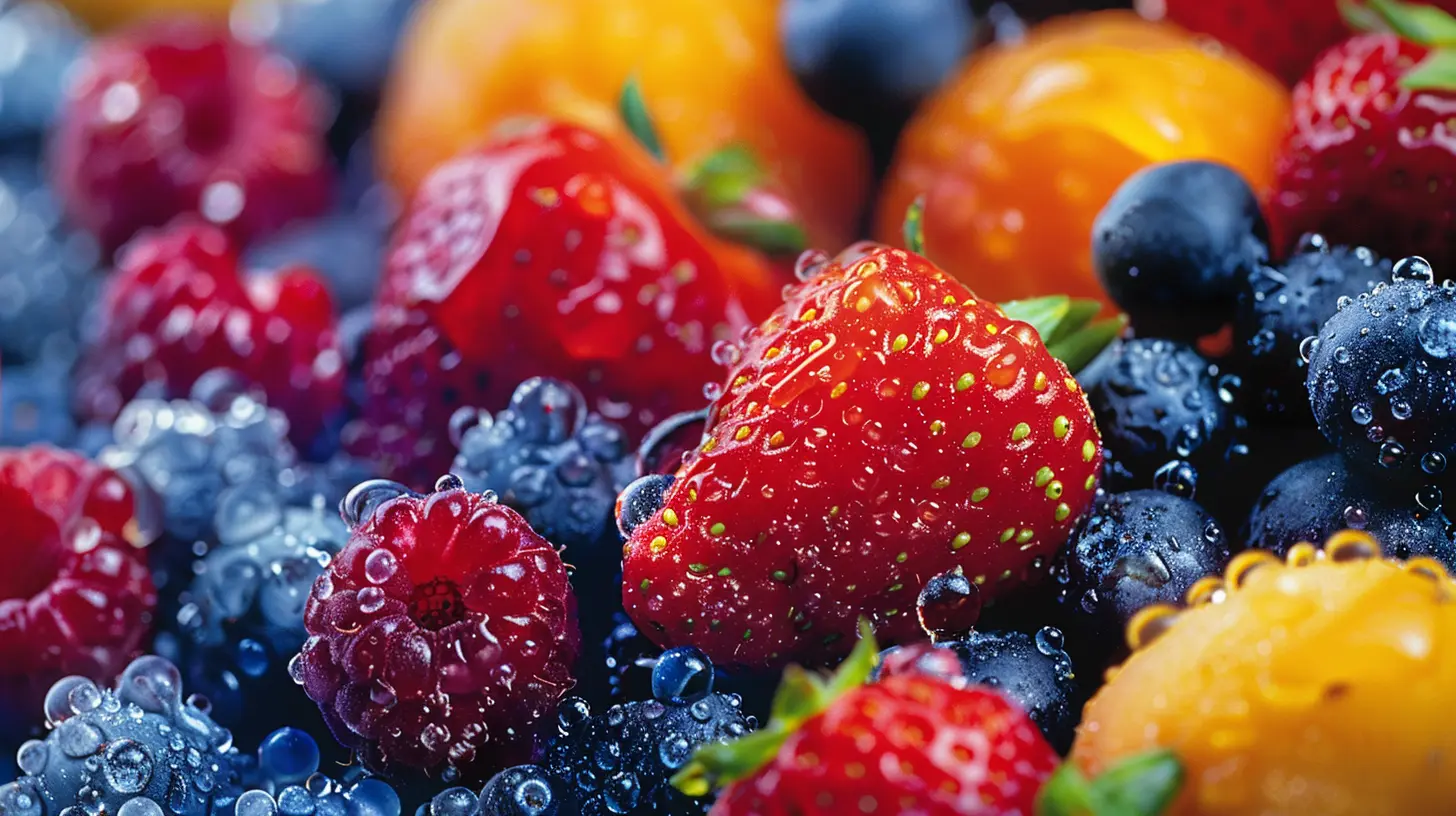
Types of Antioxidants (A.K.A. The Super Squad)
There’s not just one type of antioxidant — your body has an entire team, each playing a different role.1. Vitamin C
This water-soluble vitamin is found in citrus fruits, strawberries, and bell peppers. It works mostly in your blood plasma and is great at combating free radicals caused by pollution and cigarette smoke. Plus, it helps regenerate other antioxidants. Yep, Vitamin C is like the multitasker of the group.2. Vitamin E
This fat-soluble vitamin hangs out in your cell membranes, defending them against attack. You can find it in nuts, seeds, and leafy green veggies. It’s especially helpful in protecting skin cells — which is why it pops up in so many skincare products.3. Beta-Carotene
Found in carrots, sweet potatoes, and other orange-colored fruits and veggies. It gets converted into Vitamin A in the body and plays a key role in eye health and immune function.4. Selenium
This trace mineral is essential in small amounts and can be found in Brazil nuts, seafood, and whole grains. Selenium works to regenerate other antioxidants and supports thyroid function.5. Flavonoids and Polyphenols
These guys come from plant-based foods — think fruits, veggies, tea, coffee, and even dark chocolate. They’re a diverse group with a ton of different compounds, offering a wide range of protective effects.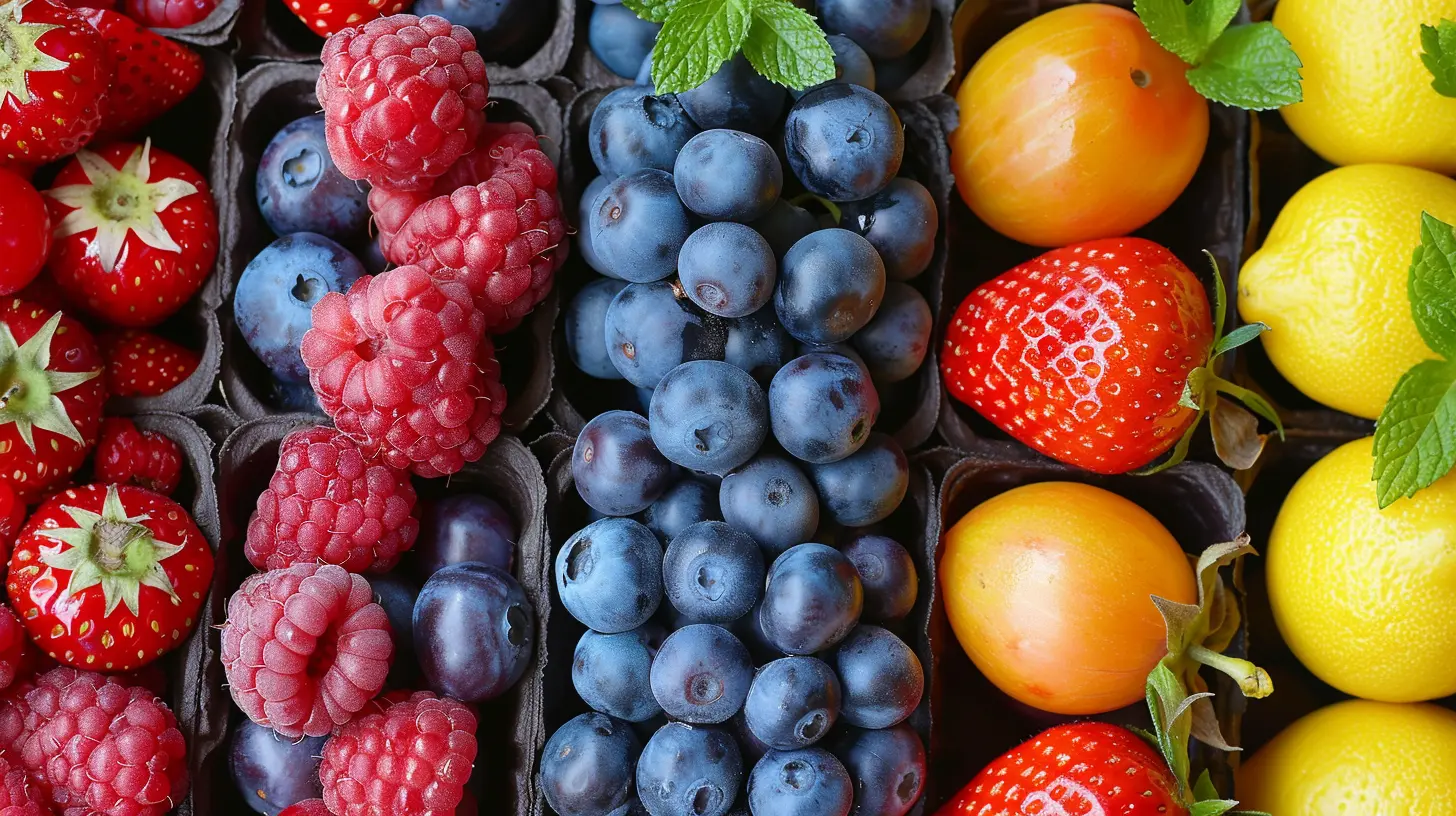
How Antioxidants Fight Cellular Damage
Antioxidants don’t just show up and kick free radicals to the curb – they do it strategically.Battling Oxidative Stress
When there are too many free radicals and not enough antioxidants, your body experiences oxidative stress. This can lead to:- Inflammation
- Premature aging
- Increased risk of diseases like cancer, heart disease, and Alzheimer’s
Antioxidants help balance things out by neutralizing free radicals before they cause damage. It’s like having firefighters on hand to prevent a small flame from becoming a raging inferno.
Protecting DNA
Your DNA is like your body’s instruction manual. Damage to DNA can lead to mutations and some serious health issues. Antioxidants play a big role in protecting DNA from oxidative harm, which could lower your cancer risk and keep your cells functioning properly.Strengthening the Immune System
Free radicals can impair your immune function, making it easier for you to get sick. Antioxidants, especially Vitamin C and zinc, help boost your body's defense system and speed up recovery when you're feeling under the weather.Antioxidants and Aging: The Youth Preservers
Here’s a hot topic: aging. We all do it, but wouldn’t it be nice to slow the process a little?Oxidative stress is one of the key drivers of aging. It affects the skin, organs, and even your brain. By minimizing cellular damage, antioxidants help keep everything running smoother for longer. It’s not about living forever — it’s about aging well and feeling good while you do it.
Skin Health Benefits
Ever noticed how antioxidants are everywhere in skincare? That’s not just marketing fluff. Vitamin E, Vitamin C, and other antioxidants help:- Reduce fine lines and wrinkles
- Protect against UV damage
- Improve skin texture and tone
It’s like giving your skin an internal and external shield against time.
How to Get More Antioxidants Into Your Life
The best part? You don’t need a cabinet full of supplements. Mother Nature's got you covered.Eat the Rainbow
The more colorful your plate, the richer it is in antioxidants. Here's a cheat sheet:- Red: Tomatoes, berries, red peppers
- Orange/Yellow: Carrots, sweet potatoes, oranges
- Green: Spinach, kale, broccoli
- Blue/Purple: Blueberries, grapes, eggplant
Go Whole, Not Processed
Highly processed foods are usually stripped of nutrients. Stick to whole, minimally processed options to get the most antioxidant bang for your buck.Sip Smart
Green tea, black tea, and even coffee are rich in antioxidants called polyphenols. Just be mindful of what you’re adding (sorry, extra whip cream doesn’t count).Spice It Up
Herbs and spices like turmeric, cinnamon, and oregano are antioxidant powerhouses. Use them generously in your cooking.Consider Supplements (But Wisely)
While it’s best to get your antioxidants from food, there are times when supplements might help — especially if you have a deficiency. Just make sure to check with a healthcare provider before adding anything to your routine.Do Antioxidants Have a Dark Side?
Let’s keep it real — too much of anything can be harmful. Mega-dosing on antioxidant supplements without medical supervision might do more harm than good.Some studies even suggest that excess antioxidant intake can interfere with certain treatments or throw your body’s delicate balance off. So it's all about moderation and getting what your body needs, not just flooding your system.
Final Thoughts: Small Actions, Big Impact
Here’s the deal: antioxidants aren’t magic. But they’re a vital part of a healthy lifestyle and a powerful tool in the fight against cellular damage.By making simple choices — eating more fruits and veggies, drinking herbal teas, and dialing down on heavily processed junk — you're giving your body the support it needs to thrive.
Think of antioxidants as your internal wellness warriors. Quiet, consistent, and incredibly effective at keeping your cells safe, healthy, and humming along for years to come.
So the next time someone talks about antioxidants, you'll know — they're not just buzzwords. They’re your body’s everyday superheroes.
all images in this post were generated using AI tools
Category:
NutritionAuthor:

Jackson Mahoney
Discussion
rate this article
2 comments
Xena Klein
This article effectively highlights the importance of antioxidants in combating cellular damage. It's a clear reminder of how our diet can significantly impact overall health and longevity.
December 21, 2025 at 3:38 AM
Jackson Mahoney
Thank you for your insightful comment! I'm glad to hear you found the article informative and that it emphasizes the crucial link between diet and health.
Lindsey Sharpe
Antioxidants are crucial for combating oxidative stress and protecting our cells from damage. Essential!
December 2, 2025 at 5:52 AM
Jackson Mahoney
Thank you! Absolutely, antioxidants play a vital role in safeguarding our cells and combating oxidative stress.