The Role of Calcium and Vitamin D in Bone Health
19 February 2026
Let’s talk bones. No, not the spooky skeletons from Halloween or the chicken wings you devour on game day, but the living, breathing (well, not literally breathing) framework that holds you upright. Your bones are a LOT more than just internal scaffolding—they're dynamic, ever-changing, and seriously underappreciated.
So, if we’re going to give bones the love they deserve, we need to talk about their BFFs—calcium and vitamin D. These two nutrients might as well wear matching friendship bracelets because they’re inseparable when it comes to keeping your bones strong and healthy.
Ready to give your bones a standing ovation? Let’s dive into the quirky (and crucial) world of calcium, vitamin D, and their powerhouse partnership.
Why Bone Health Even Matters (Seriously)
Okay, before we get into the details, you might be wondering—why all this fuss about bones? I mean, they’re just there, right?Wrong.
Your bones do way more than just hold you up. They protect important organs (hello, ribcage), help you move, store minerals, and even produce blood cells. That’s right—your bones are low-key factories. Who knew?
And here’s the kicker: your skeleton is constantly remodeling itself. Old bone is broken down and new bone is built. But there’s a catch—this process depends heavily on, you guessed it, calcium and vitamin D.
Stay with me, because this gets juicier.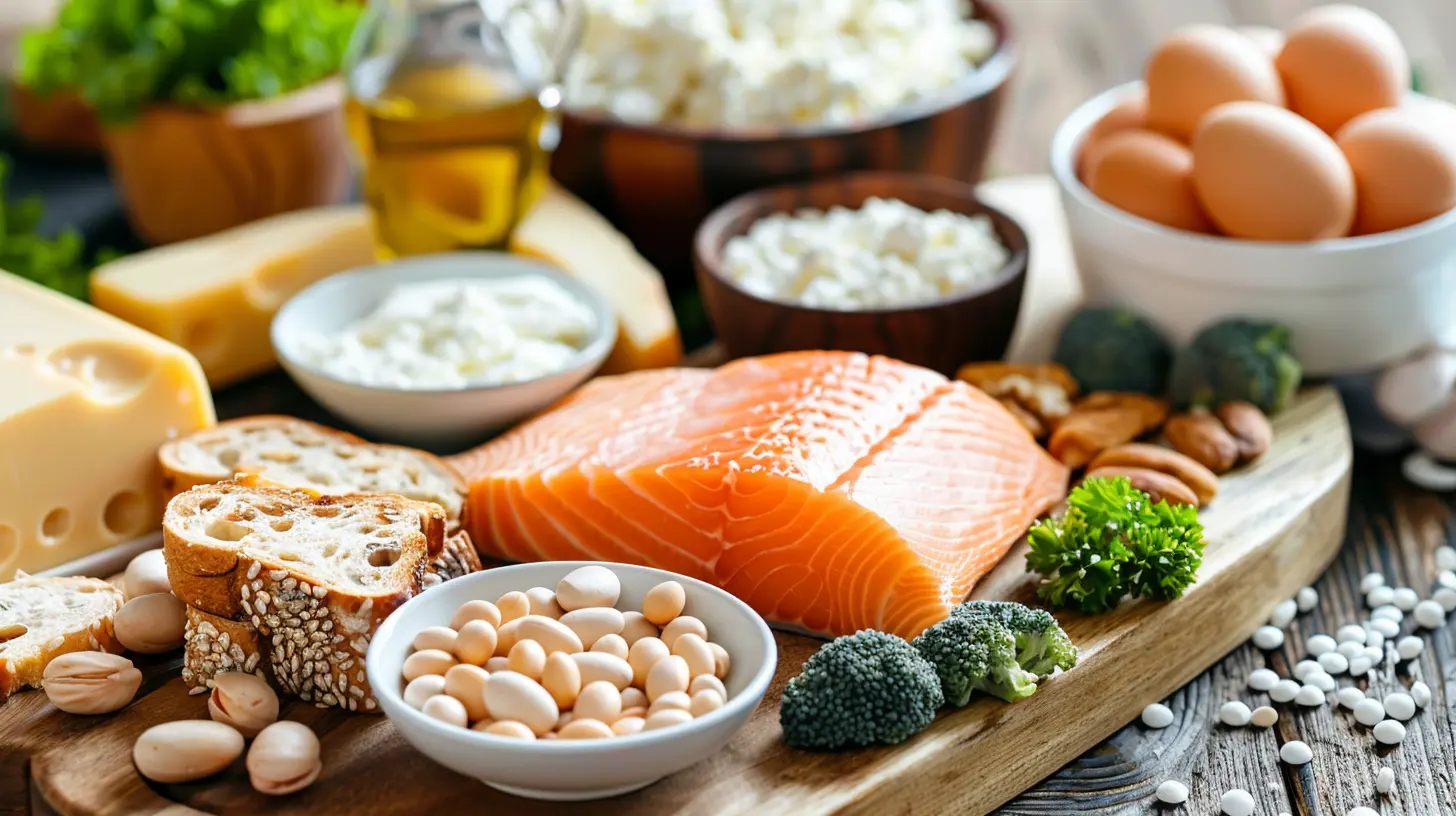
Meet Calcium: The Hard Stuff (Literally)
Imagine calcium as the bricks used to build a house. It’s the major mineral found in your bones—about 99% of your body’s calcium is chilling in your skeleton and teeth. The remaining 1%? That’s busy running your heart, muscles, and nerves.So, Why Do You Need Calcium for Bone Health?
Think of your bones as a calcium bank. Every day, your body makes withdrawals (to help with other bodily functions), and you’ve got to make deposits—through diet or supplements—to keep your bone savings account full.If you’re low on calcium, your body either:
- Taps into your bones for extra calcium (hello, bone loss).
- Or tells your bones, “Sorry, no new construction today.”
Neither of those is good news. Over time, it can lead to weaker bones, fractures, or even osteoporosis. That’s the sneaky bone disease that makes your bones as fragile as a potato chip.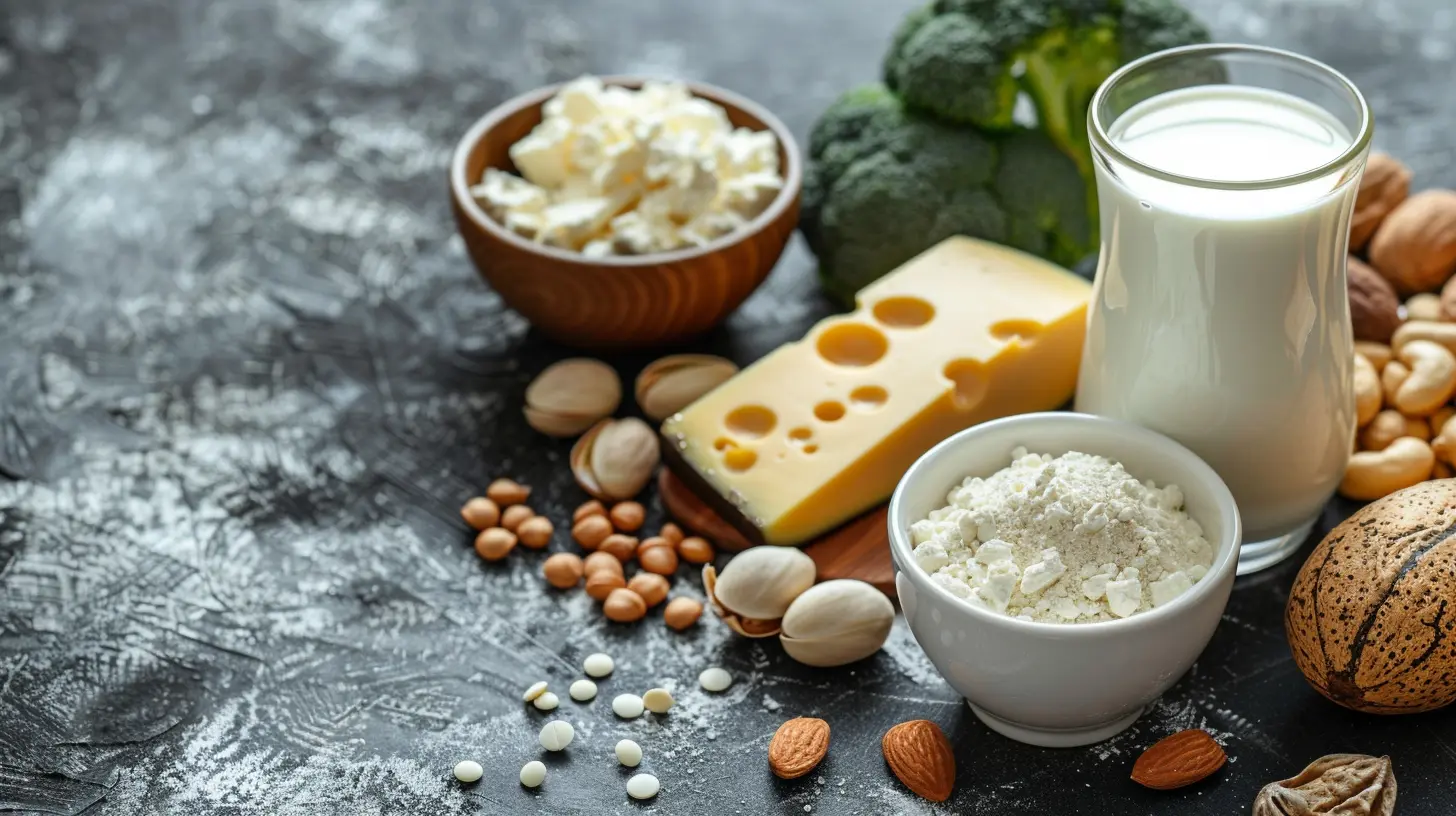
Vitamin D: The Unsung Hero of Bone Health
If calcium is the bricks, vitamin D is the construction worker. You can have all the calcium in the world, but without vitamin D, your body can’t absorb it efficiently. That’s like having a pantry full of food but no can opener.So, What Exactly Does Vitamin D Do?
Vitamin D helps your intestines absorb calcium from food. Without it, calcium would just pass through your system like an uninvited guest. It also helps regulate calcium and phosphate levels in your blood, which are crucial for healthy bone mineralization.In short? Vitamin D is the key that unlocks the door to bone strength.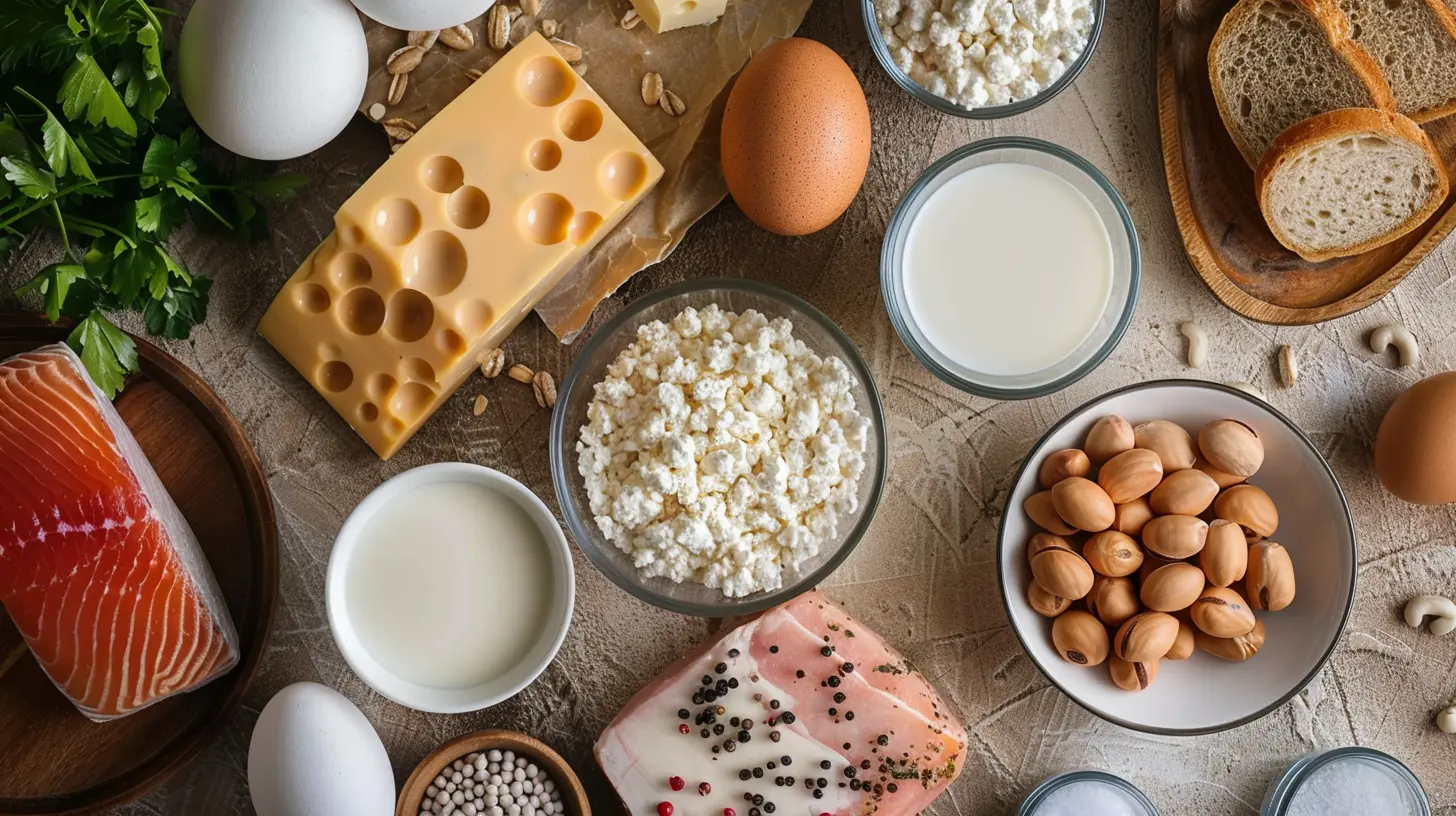
Sources of Calcium and Vitamin D (Your Grocery List Just Got Healthier)
Let’s take a quick trip to your kitchen, shall we?Top Calcium-Rich Foods:
- Dairy products (milk, cheese, yogurt—your bones are drooling).- Leafy greens like kale, bok choy, and collard greens.
- Fortified plant milks (almond, soy, oat—pick your potion).
- Canned sardines and salmon (with bones—don’t freak out).
- Tofu and tempeh (plant-based peeps, rejoice!).
Top Vitamin D Sources:
- Sunshine! Your skin makes vitamin D when exposed to sunlight (cue dramatic music).- Fatty fish like salmon, mackerel, and tuna.
- Egg yolks (yeah, the yellow part).
- Fortified foods (milk, cereal, orange juice).
Pro tip: If you live somewhere cloudy, cold, or where the sun plays hide-and-seek, you might need a supplement to keep your vitamin D levels on point.
The Dynamic Duo: How Calcium and Vitamin D Team Up
Here's where it gets cool—these two nutrients don’t just coexist, they collaborate.Vitamin D tells your intestines, “Hey, better start absorbing that calcium!” Without it, your calcium intake might be pointless. And without calcium, vitamin D doesn’t have a job to do. It’s a nutrient love story, really.
Bonus: Together, they help prevent bone loss, reduce fracture risk, and keep bones dense and strong well into your golden years.
What Happens When You Don’t Get Enough?
Spoiler alert: It’s not great.Calcium Deficiency Can Lead To:
- Brittle bones- Muscle cramps
- Fatigue
- Long-term? Osteopenia or osteoporosis—basically the “gray area” of bone strength
Vitamin D Deficiency Can Cause:
- Weakened bones (rickets in kids, osteomalacia in adults)- Increased risk of fractures
- Muscle weakness and pain
Combine both deficiencies and your bones are basically on strike. They’re tired, unsupported, and downright cranky.
Who’s At Risk? (It Might Be You)
Some people need to be extra vigilant about bone health:- Women, especially post-menopause (thanks, hormones)
- Older adults (bone loss naturally increases with age)
- Vegans or lactose-intolerant folks (calcium can be trickier to get)
- People with darker skin or limited sun exposure (vitamin D may be lower)
- Anyone with digestive disorders (like Crohn’s or celiac—nutrient absorption can be impaired)
If you’re nodding your head right now, keep reading. We’ve got fixes.
Boosting Your Bone Facts: Tips for Stronger Bones
Stronger bones don’t just fall from the sky (unless you’re getting vitamin D from it). It takes active effort.Here’s how you can bone up on bone health:
1. Make Friends With Food
Aim to get calcium and vitamin D from your diet first. Supplements are great, but real food packs extra nutrition.2. Soak Up Some Sun
Just 10–30 minutes of midday sunlight on your arms and legs a few times a week can boost vitamin D. Don’t forget sunscreen afterward!3. Move That Body
Weight-bearing exercises (walking, hiking, dancing, lifting weights) help build and maintain bone density. Lazy bones lose bone—literally.4. Cut the Bone Bandits
Limit soda (looking at you, phosphoric acid), alcohol, and salt. These can mess with calcium absorption and bone health.5. Don’t Smoke
Smoking isn’t just bad for lungs—it’s brutal on bones. It slows healing and weakens skeletal structure. Yikes.Supplements: Yay or Nay?
Sometimes food and sunshine just don’t cut it. That’s where supplements come in.But hold your horses—not all are created equal. Here’s the scoop:
- Calcium citrate is good if you have low stomach acid or take it without food.
- Calcium carbonate is cheaper but better absorbed with meals.
For vitamin D, most people do fine with vitamin D3 (cholecalciferol)—it’s more effective than D2.
Just don’t go overboard. Too much calcium or vitamin D can cause kidney stones or other issues. Stick to the recommended daily amounts unless your doctor says otherwise.
How Much Do You Actually Need?
Let’s keep this simple:Recommended Daily Intake:
| Nutrient | Adults (19–50) | Older Adults (51+) ||----------------|----------------|--------------------|
| Calcium | 1,000 mg | 1,200 mg |
| Vitamin D | 600 IU | 800–1,000 IU |
Your needs can vary based on your health condition, so it’s smart to talk to a health provider before popping any pills.
The Bottom Line: Love Your Bones, They Love You Back
Your bones may not text you back or hold your hand on a bad day, but they’re supporting you every second—literally. Taking care of them isn’t a someday thing; it’s an everyday thing. With the right combo of calcium, vitamin D, a balanced diet, and movement, you can keep your skeleton smiling for decades to come.So next time you drink a glass of milk or catch some rays, remember—you’re doing it for your bones. And your bones? They say thanks.
all images in this post were generated using AI tools
Category:
NutritionAuthor:

Jackson Mahoney
Discussion
rate this article
2 comments
Cruz McFadden
Essential nutrients for strong bones—don’t neglect!
March 9, 2026 at 3:59 AM
Jackson Mahoney
Absolutely! Calcium and vitamin D are crucial for maintaining strong bones. Prioritizing these nutrients is key to bone health.
Rusty Patterson
Thank you for this informative article! It's essential to recognize the vital role calcium and vitamin D play in maintaining strong bones. For those struggling with bone health issues, remember you're not alone; small, consistent changes can make a significant difference. Take care of yourselves!
February 19, 2026 at 5:58 AM
Jackson Mahoney
Thank you for your thoughtful comment! I'm glad you found the article informative. Small changes can truly have a big impact on bone health. Take care!