The Role of Gut Health in Women's Hormonal Balance
4 January 2026
Ladies, gather 'round. We need to talk about something that's been living rent-free in your body while possibly turning your hormones into hormonal drama queens—your gut.
Yes, your gut. That mysterious cavern of chaos that seems to have a mind of its own. One minute you're digesting kale like a champion; the next, you eat a cookie and suddenly you're bloated, moody, and wondering if you're morphing into the Hulk.
But here's the kicker: your gut isn’t just about digestion. It’s basically the command center for your entire hormonal operation. Think of it as the CEO of your endocrine system, working overtime while you binge-watch Netflix thinking it’s just about breaking down tacos.
So if you’ve been blaming PMS, mood swings, fatigue, or even that random chin pimple on stress or the moon—maybe it’s time you looked a little lower. Literally.
Let’s dive headfirst into how your gut and your hormones are totally BFFs (or frenemies, depending on how you treat your gut).
What Even Is Gut Health Anyway?
Before we go diagnosing our guts with trust issues, let’s clarify what we’re talking about.Your gut is home to trillions (yes, trillions, with a 't') of microorganisms, lovingly referred to as your gut microbiome. Think of this like a bustling city inside you, filled with bacteria, fungi, viruses, and other microscopic partygoers. Ideally, they all live in harmony. But when something throws off the balance (hello antibiotics, processed foods, stress, or that week-long wine and cheese bender), it's like hosting a frat party in your intestines. Chaos ensues.
When your gut is healthy, digestion runs smoothly, your immune system’s on point, and yes—your hormones are a little less extra.
Hormones: The Divas of the Body
Let’s face it: hormones run the show. These chemical messengers are responsible for everything from your mood to your metabolism, sleep, skin, sex drive, and whether or not you turn into an emotional tornado during your period.For women, hormone balance is like tightrope walking in heels—while juggling. Estrogen, progesterone, cortisol, insulin, and thyroid hormones all need to be in sync. One goes rogue, and the whole system throws glitter (and rage) into the room.
So how does your gut play into all this?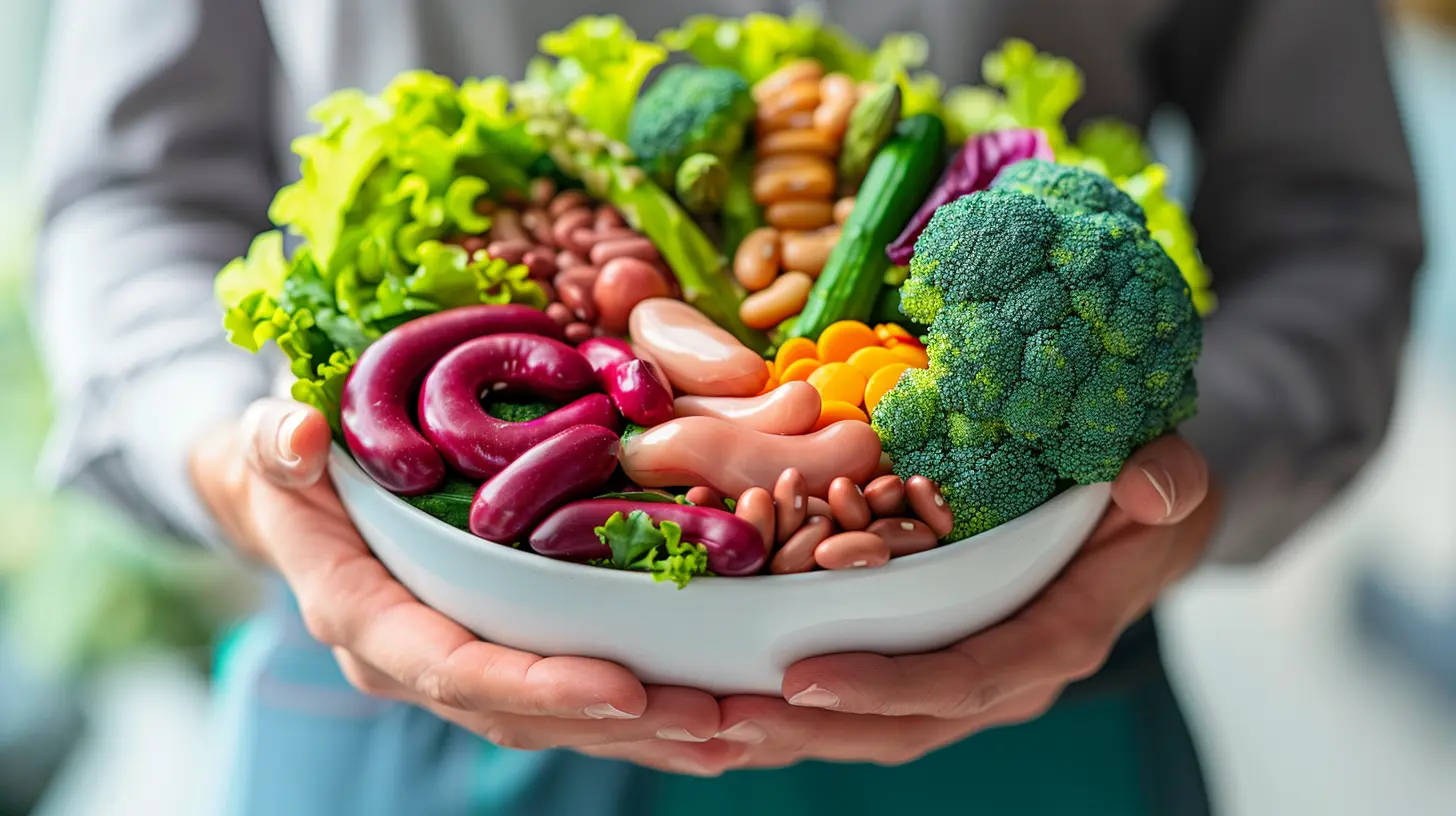
Estro-what? The Gut and Estrogen
Estrogen is like that one friend who can be amazing in small doses but unbearable when she overstays her welcome. Your body naturally makes estrogen, uses it, and then needs to get rid of it. Enter the gut.Your microbiome includes a special group of bacteria called the estrobolome (Yes, it sounds made up. No, it’s not). These little guys help metabolize and eliminate excess estrogen.
When your gut is crowded with the wrong type of bacteria (hello inflammation and leaky gut), estrogen doesn’t get excreted properly. Instead, it gets reabsorbed and recirculated like a bad rumor. This can lead to estrogen dominance, which has a lovely list of symptoms like:
- Mood swings worthy of a rom-com breakup scene
- Weight gain (especially around your middle)
- PMS from actual hell
- Fatigue that makes you cry every morning
So yeah, your ability to poop out excess estrogen is crucial. Who knew the toilet held the key to hormonal harmony, right?
Cortisol: Your Gut on Stress
Ah, cortisol. The stress hormone. Picture it as your internal alarm system, only sometimes it gets stuck in the “screaming” position.When you’re stressed, your body pumps out cortisol. That’s fine in short bursts (like running from a bear), but modern life isn’t a wildlife documentary. Constant stress = constant cortisol = digestive chaos.
Cortisol messes with your gut microbiome, increasing the bad bacteria and inflaming your gut lining. In return, your poor gut can't regulate hormone production or detoxify properly. It’s a vicious cycle—kind of like scrolling social media when you're already anxious. Doesn’t help. Makes it worse. Repeat.
Insulin and the Blood Sugar Roller Coaster
Okay, let’s talk sugar. Or more accurately, blood sugar. Insulin is the hormone that helps manage blood sugar, and when your gut is unhealthy, insulin becomes... well, a bit of a drama queen.Unbalanced gut bacteria can lead to insulin resistance, meaning sugar hangs out in your bloodstream way longer than it should. The result? Mood swings, weight gain, cravings that rival a pregnant raccoon, and eventually hormonal disorders like PCOS.
If you’ve ever been hangry enough to consider biting a coworker, you’ve met insulin imbalances.
Your gut helps by breaking down fiber and fermenting it into short-chain fatty acids like butyrate, which actually improve insulin sensitivity. Yep, your gut’s doing you favors—when you let it.
Thyroid: The Sluggish Sister
Feeling constantly tired? Cold? Depressed? Gaining weight despite eating like a Gwyneth Paltrow-approved monk?Your thyroid might be struggling. And guess what? Gut health plays a huge supporting role in keeping thyroid hormones doing their job.
A leaky or inflamed gut can trigger autoimmune responses like Hashimoto’s (because we needed one more thing to worry about). Plus, poor gut health can impair your ability to absorb key nutrients like iodine and selenium—both of which are crucial for thyroid function.
In short? Bad gut = sluggish thyroid = you wondering why three naps a day still isn’t enough.
Progesterone: Your Chill Pill... Or Not
Progesterone is the hormone that keeps you sane during the second half of your cycle. It balances the effects of estrogen and helps you sleep peacefully instead of tossing and turning while mentally rewriting your entire life.But guess what? Chronic gut inflammation and stress lower progesterone levels. That’s right, your gut throws this hormonal chill-pill right out the window. Less progesterone = more anxiety, insomnia, irregular periods, and feeling like your skin is rebelling.
Gut Health & PCOS: A Tangled Affair
Polycystic Ovary Syndrome (PCOS) is one of those tricky conditions that’s linked to—you guessed it—both insulin resistance and inflammation. Which, as we’ve established, are heavily influenced by gut health.Research shows that women with PCOS often have reduced gut diversity and more of the not-so-helpful bacteria. Fixing the gut can actually lead to improvements in insulin sensitivity, testosterone levels, ovulation, and even those pesky cystic breakouts.
Not that we're saying probiotics are magic—but they sure come close.
Signs Your Gut Might Be Sabotaging Your Hormones
Okay, you might be thinking, “Cool, but how do I know if my gut's messing with my hormones?” Here are some red flags waving in your internal fiesta:- Bloating, gas, constipation, or diarrhea (aka playing “GI symptom roulette” after every meal)
- Mood swings or anxiety that come out of nowhere
- Periods that are irregular, overly dramatic, or just MIA
- Skin issues like acne, eczema, or dullness
- Chronic fatigue that no amount of sleep fixes
- Frequent headaches or migraines
- Cravings that make you question your life choices
If this sounds like your list of “mystery symptoms,” plot twist: it might not be your hormones—it might be your gut.
How to Fix the Gut-Hormone Drama (Without Going Full Goop)
The good news? You don’t need to live off of celery juice or do a parasite cleanse that costs more than rent. Here’s how to get your gut (and your hormones) back on speaking terms:1. Feed Your Gut Like It’s Royalty
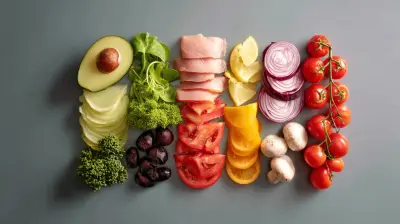
Your gut flora love fiber-rich foods. Load up on colorful fruits, veggies, legumes, and whole grains. Think of it as composting for your microbiome.Prebiotics (like garlic, onions, asparagus, and bananas) are basically snacks for good bacteria. Feed them well. They’ll return the favor.
2. Bring in the Probiotic Troops
Fermented foods like yogurt, kefir, sauerkraut, kimchi, and kombucha introduce beneficial bacteria into your gut. Your microbiome is like a party—invite the right guests.Probiotic supplements can help too, especially if you’ve been on antibiotics or your diet has more processed foods than you'd like to admit.
3. Ditch the Sugar & Refined Crap
Sugar feeds bad bacteria and causes inflammation. It’s like giving a microphone to the loudest, most annoying guest at the party. Kindly show sugar the door—or at least don’t let it live there rent-free.4. Manage Stress (Yes, Really)
Stress wrecks havoc on your gut and hormones alike. Meditation, yoga, therapy, or even just taking a daily walk—anything that resets your nervous system is a win.Bonus points if you stop glorifying being "busy" like it’s a personality trait.
5. Stay Regular (And I Don’t Just Mean With Netflix)
Pooping is essential for getting rid of excess hormones. If you’re not going regularly, your estrogen is likely hanging around longer than needed.Drink water, eat your fiber, move your body. You know the drill.
6. Get Enough Sleep (Actual Sleep, Not Instagram Scrolling)
Your gut and hormones reset overnight. If you’re skimping on deep sleep, you’re robbing your body of its built-in detox and repair system.Aim for 7–9 hours and maybe put your phone in a different room, okay?
One Last Gut Check
Look, the idea that your gut is running the hormonal show might feel like just one more thing to worry about—but it’s actually empowering. You have the power to support your gut, which in turn supports your sanity, skin, cycle, and all-around womanly magic.So the next time you’re battling PMS, lashing out at your partner for breathing too loud, or wondering why your skin’s freaking out... maybe give your gut a little love. It might be the hormonal wingwoman you didn’t know you needed.
And if all else fails? There’s always probiotics and a therapist. You got this.
all images in this post were generated using AI tools
Category:
Womens HealthAuthor:

Jackson Mahoney
Discussion
rate this article
2 comments
Payton Powell
Oh sure, let’s just throw all our hormonal issues at the gut! Who knew our stomachs were secretly running the show? Next, I expect my probiotics to handle my relationship drama too. They really are the MVPs of life!
February 2, 2026 at 5:35 PM
Jackson Mahoney
I appreciate your humor! While probiotics won't solve relationship drama, they do play a vital role in supporting gut health, which can influence hormonal balance. It's all interconnected!
Quentin Spencer
Loved this article! It’s amazing how gut health affects hormonal balance. It’s a great reminder to prioritize our digestive health for overall well-being! 🌼
January 9, 2026 at 6:01 AM
Jackson Mahoney
Thank you so much! I'm glad you found the article insightful. Prioritizing gut health is indeed crucial for hormonal balance and overall well-being! 🌼