The Role of Hydration in Maximizing Workout Efficiency
11 December 2025
Introduction
You’ve probably heard it before—drink more water! But do you actually pay attention to how much you drink, especially when working out? Most of us focus on proteins, carbs, and supplements, but hydration often takes a backseat. What if I told you that neglecting your water intake could be sabotaging your workout performance without you even realizing it?
Hydration isn’t just about quenching your thirst; it’s about fueling your body, regulating temperature, preventing muscle cramps, and maximizing endurance. Let’s break down why hydration is a game-changer when it comes to working out. 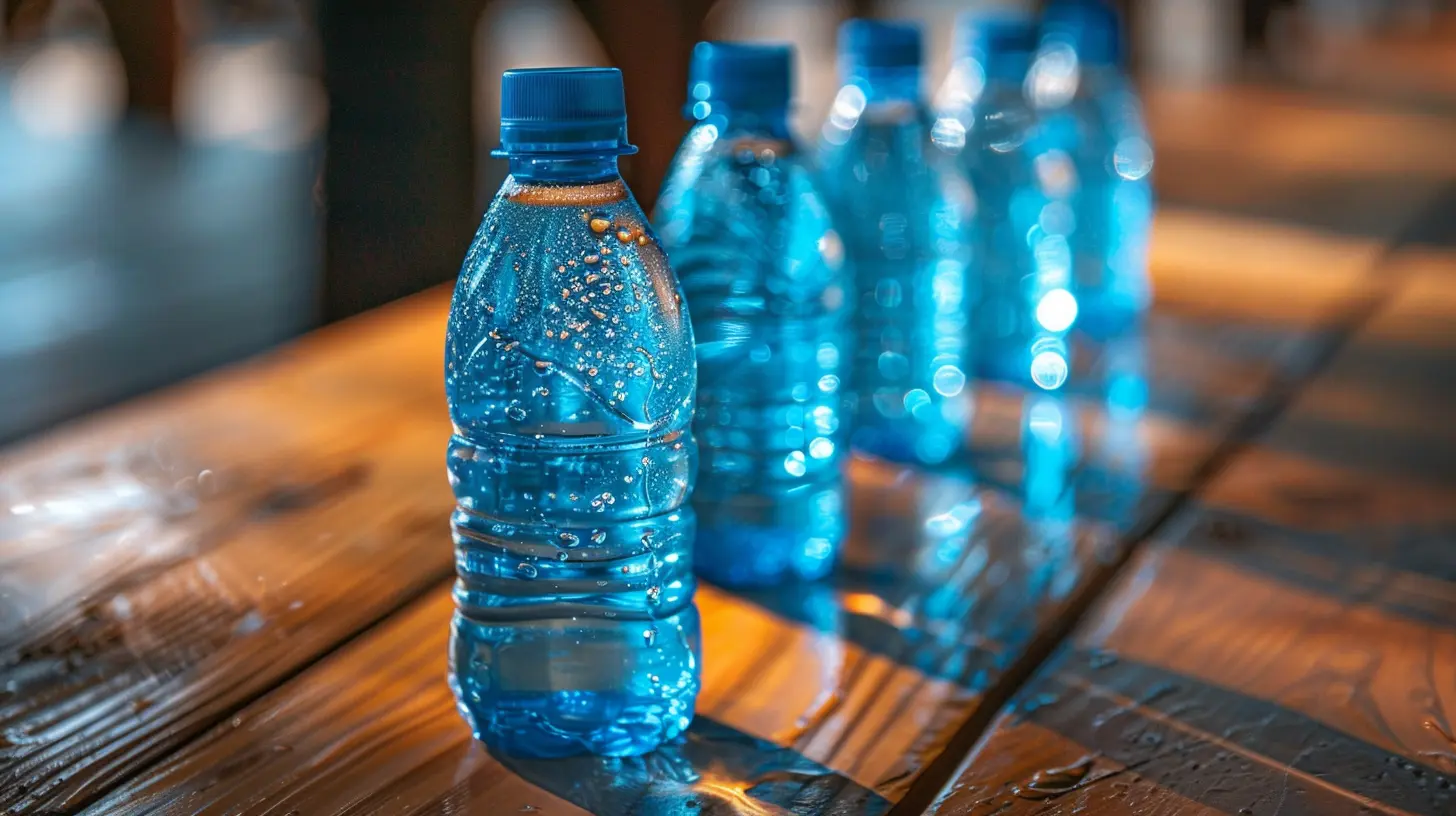
Why Hydration Matters During Workouts
Your body is about 60% water, and every single cell depends on it to function properly. When you work out, you sweat—losing fluids and electrolytes in the process. If you don’t replenish these fluids, your body struggles to regulate temperature, transport nutrients, and maintain energy levels.Think of your body like a car. If you don’t have enough oil, everything starts to overheat and break down. That’s exactly what happens when you don’t hydrate properly. 
The Science Behind Hydration and Performance
Water is more than just a thirst-quencher—it directly impacts how your muscles function and recover. Here’s how hydration plays a role in your workout efficiency:1. Temperature Regulation
Ever felt dizzy or overheated during a tough session? That’s because your body needs water to regulate temperature. Sweating is your body’s natural cooling system, but without enough fluids, you won’t sweat efficiently. This leads to overheating, fatigue, and even heatstroke in extreme cases.2. Energy Levels and Endurance
Feeling sluggish halfway through your workout? Dehydration can make you feel more fatigued because water plays a key role in delivering oxygen and nutrients to your muscles. If your muscles don’t get what they need, your performance drops, and you hit exhaustion faster.3. Muscle Function and Recovery
Ever had painful muscle cramps after exercising? Dehydration can cause electrolyte imbalances, leading to cramping, weakness, and muscle soreness. Proper hydration keeps your muscles functioning smoothly and reduces recovery time after intense workouts.4. Joint Lubrication
Your joints act as shock absorbers during workouts, and guess what helps keep them pain-free? Water! Proper hydration ensures your joints are well-lubricated, reducing the risk of injuries and making movements smoother.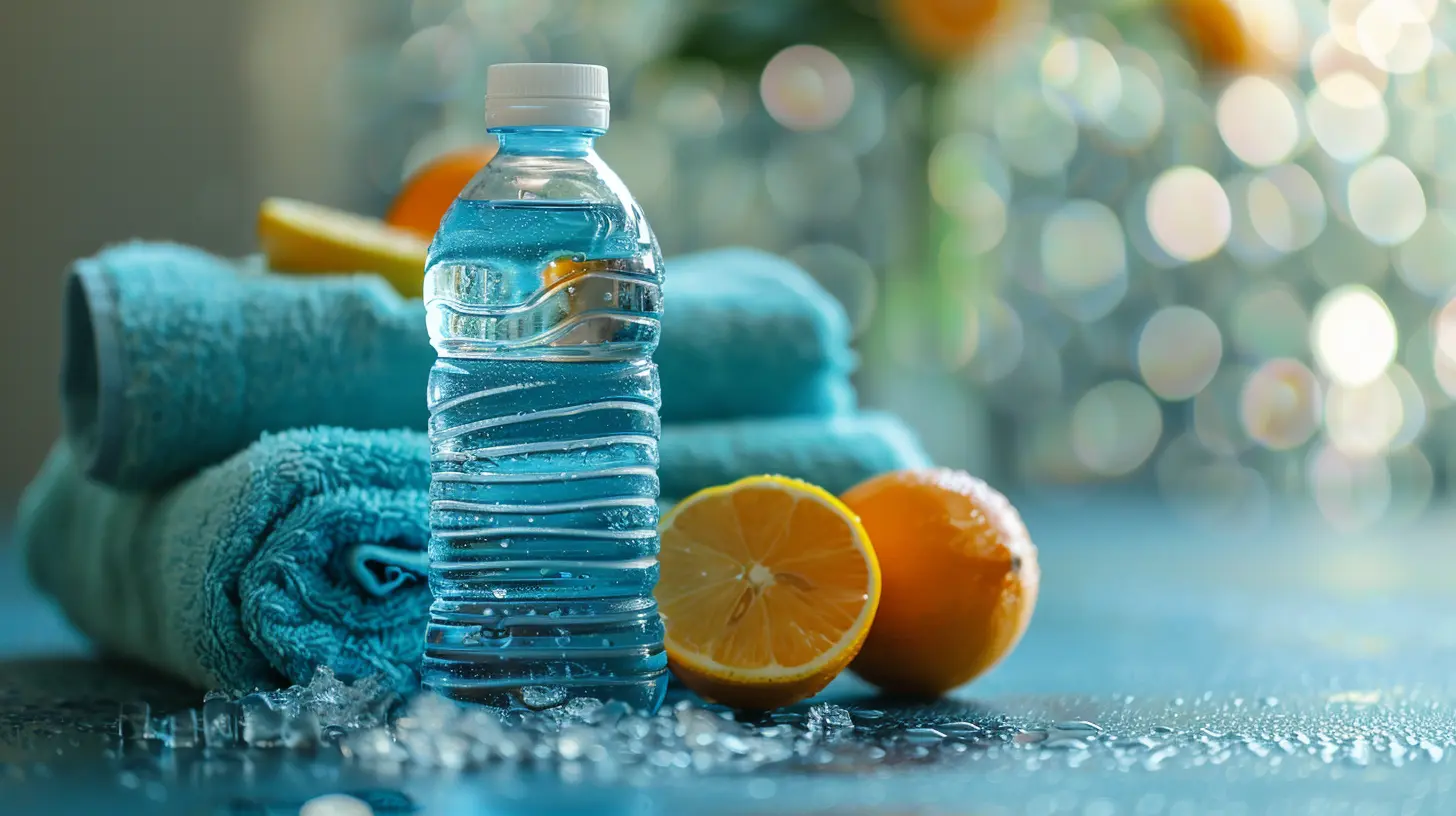
How Much Water Should You Drink Before, During, and After Exercise?
Hydration needs vary from person to person, but here’s a general guideline to keep you on track:Before Your Workout
- Drink 16-20 ounces of water about 2 hours before exercise.- Sip another 8-10 ounces 30 minutes before starting your workout.
During Your Workout
- Aim for 7-10 ounces of water every 10-20 minutes (adjust based on sweat loss).- If you're exercising for more than an hour, consider an electrolyte drink to replenish lost minerals.
After Your Workout
- Drink 16-24 ounces of water for every pound of sweat lost.- Keep sipping water throughout the day to maintain hydration.

Signs of Dehydration: Are You Drinking Enough?
Your body gives you warning signs when it’s running low on fluids. Pay attention to these symptoms:✅ Thirst: If you're thirsty, you're already mildly dehydrated. Don’t ignore it!
✅ Dark Urine: Pale yellow is ideal—darker shades mean you need more water.
✅ Fatigue: Feeling drained even before your workout ends? Could be dehydration.
✅ Muscle Cramps: A clear sign that your electrolyte balance is off.
✅ Dizziness or Headaches: Dehydration affects blood flow, leading to brain fog and headaches.
Tips to Stay Hydrated Throughout the Day
Drinking enough water shouldn’t feel like a chore. Here are some simple ways to keep your hydration levels up:🚰 Start Your Day with Water: Before reaching for coffee, drink a glass of water to jumpstart hydration.
🥒 Eat Water-Rich Foods: Cucumbers, watermelon, oranges, and celery can boost your water intake.
📱 Set Reminders: Use a water-tracking app or set alarms to sip water regularly.
🥤 Carry a Water Bottle: Having water on hand makes it easier to sip throughout the day.
🙅♂️ Avoid Excess Caffeine & Alcohol: Both can dehydrate you, so balance them with more water.
Water vs. Sports Drinks: Which One is Better?
Not sure if plain water is enough? Here’s the truth:💧 Water: Best for short workouts (under an hour) and general hydration.
🏃♂️ Sports Drinks: Useful for long, intense workouts (over an hour) when electrolytes and carbs need replenishing.
For most people, plain water works just fine, but if you're sweating buckets, an electrolyte drink can help restore balance.
Can You Overhydrate? Yes, and Here’s What Happens
Drinking too much water can lead to hyponatremia, a condition where sodium levels drop dangerously low. This can cause nausea, confusion, and in extreme cases, life-threatening complications.To avoid this, balance your water intake with adequate electrolytes, especially during prolonged workouts.
The Bottom Line
If you want to maximize your workout efficiency, hydration is non-negotiable. It affects everything—energy levels, endurance, muscle recovery, and even injury prevention. Don’t wait until you’re thirsty; make hydration a habit throughout the day.Remember, staying hydrated isn’t just about drinking water—it's about fueling your body for peak performance. So, before you hit the gym next time, ask yourself: Have I had enough water today?
all images in this post were generated using AI tools
Category:
FitnessAuthor:

Jackson Mahoney
Discussion
rate this article
2 comments
Darrow McGuffey
Discover the hidden power of hydration—what secrets does your water bottle hold for unlocking peak performance in your workouts?
January 12, 2026 at 6:04 PM
Jackson Mahoney
Hydration is crucial for optimal performance; your water bottle holds the key to maintaining energy, enhancing recovery, and preventing fatigue during workouts. Stay hydrated to unlock your full potential!
Denise McQuiston
Thank you for this insightful article! Staying properly hydrated is indeed crucial for enhancing workout performance. I appreciate the tips provided and look forward to implementing them in my routine for better fitness results.
December 14, 2025 at 4:59 AM
Jackson Mahoney
Thank you for your kind words! I'm glad you found the article helpful. Best of luck with your hydration and fitness journey!