The Science Behind Feel-Good Foods for 2027 and Beyond
24 April 2026
Let’s be real for a second: we’ve all had that moment where a bowl of mac and cheese or a square of dark chocolate feels like a hug for your soul. But here’s the thing—by 2027, we won’t just be eating for comfort; we’ll be eating for cognitive precision. The science behind feel-good foods is evolving faster than your Instagram feed refreshes. And I’m not talking about vague wellness trends. I’m talking about the neurochemical, gut-brain axis, and epigenetic mechanisms that actually dictate why a handful of walnuts can make you feel sharper, or why fermented foods might just be your new best friend for mood regulation.
So, buckle up. We’re about to dive deep into the lab-tested, future-forward science of food that makes you feel good—not just in the moment, but for the long haul. And yes, I’ll keep it conversational, because science shouldn’t feel like a textbook.
The Gut-Brain Axis: Your Second Brain Is Hungry
You’ve probably heard the phrase “trust your gut,” but by 2027, that’s going to be literal advice from your doctor. The gut-brain axis is a bidirectional communication network linking your enteric nervous system (the “second brain” in your gut) to your central nervous system. Think of it like a super-fast fiber-optic cable running between your stomach and your prefrontal cortex.Here’s the kicker: about 90% of your body’s serotonin—the neurotransmitter responsible for happiness and emotional stability—is produced in your gut, not your brain. So when you eat something that disrupts your microbiome (hello, ultra-processed snacks), you’re essentially dimming the lights on your own mood. The science for 2027 is clear: feel-good foods are those that feed the specific bacterial strains that produce serotonin, dopamine, and GABA (your brain’s natural chill pill).
What does that mean for your plate?
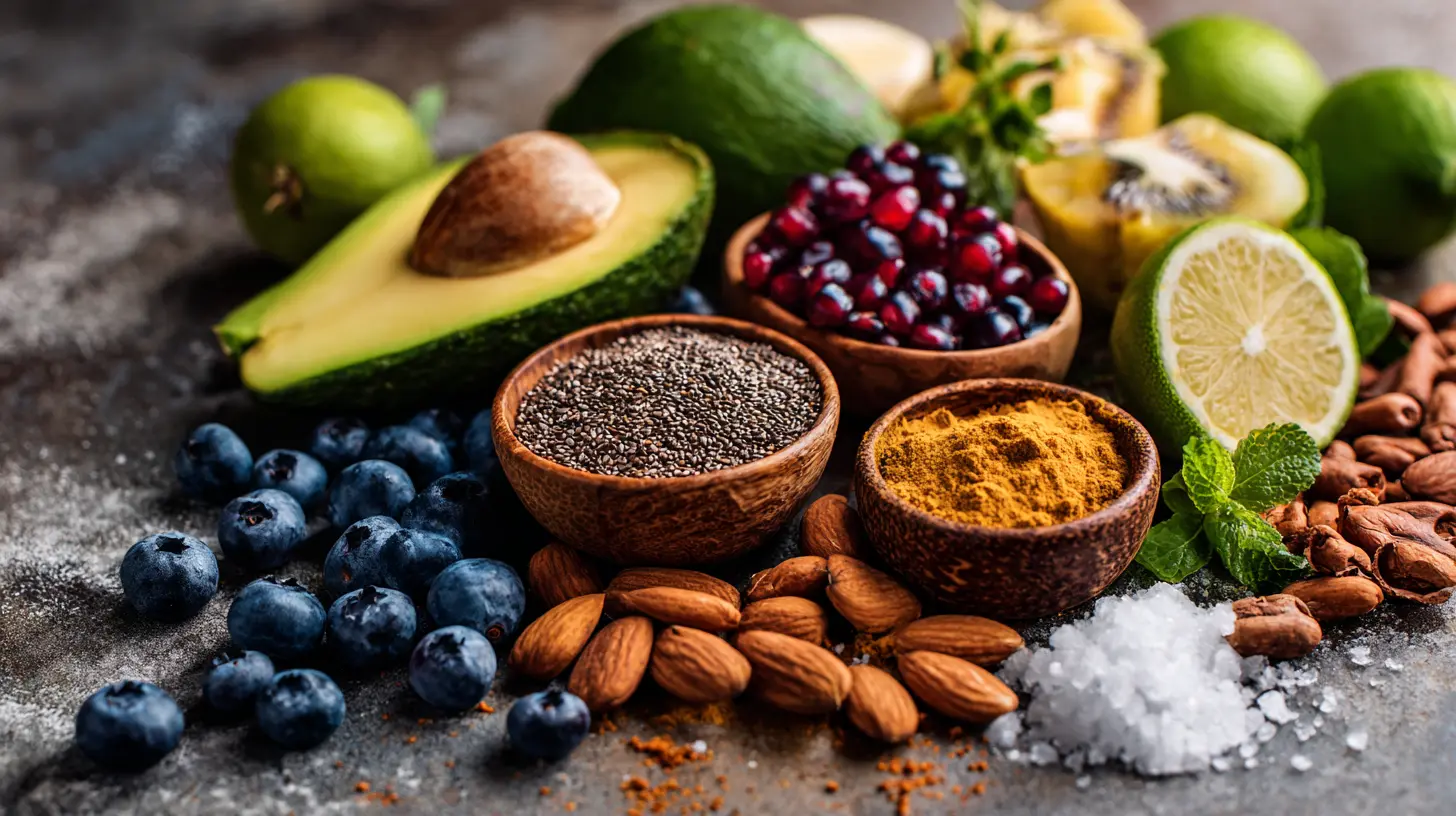
Prebiotic fibers (think onions, garlic, asparagus, and oats) are like fertilizer for good bacteria. Probiotic foods (kimchi, kefir, miso) are like planting new seeds. But the real magic? Postbiotics—the metabolites your gut bacteria produce after feasting on prebiotics. By 2027, we’ll see postbiotic-enriched foods hitting shelves, designed to directly modulate mood without needing to digest anything. Imagine a yogurt that literally makes you calmer. That’s not sci-fi; that’s science.
The Dopamine Diet: Why Reward Eating Is Getting a Makeover
We’ve all been there: you’re stressed, you reach for a cookie, and for about 90 seconds, the world feels okay. That’s dopamine—the “reward” neurotransmitter. But here’s the problem: the standard Western diet creates a dopamine rollercoaster. High sugar, high fat foods spike dopamine, then crash it, leaving you craving more. It’s like a relationship that’s toxic but feels exciting.The science for 2027 flips this script. Instead of chasing dopamine spikes, researchers are focusing on dopamine stability. Enter the role of tyrosine—an amino acid found in eggs, cheese, soy, and lean meats. Tyrosine is a precursor to dopamine, but the key is steady release, not a flood. When you eat a protein-rich breakfast with complex carbs (think eggs on whole-grain toast with avocado), your brain gets a slow, sustained drip of dopamine. You feel alert, motivated, but not jittery.
But wait—there’s more. By 2027, we’ll see personalized dopamine profiles based on your genetic variants (specifically the COMT gene). Some people are “warriors” (fast dopamine breakdown) and some are “worriers” (slow breakdown). Feel-good foods will be tailored to your type. A warrior might need more tyrosine-rich foods; a worrier might need more magnesium (found in spinach and almonds) to calm dopamine overproduction. It’s food as precision psychiatry.
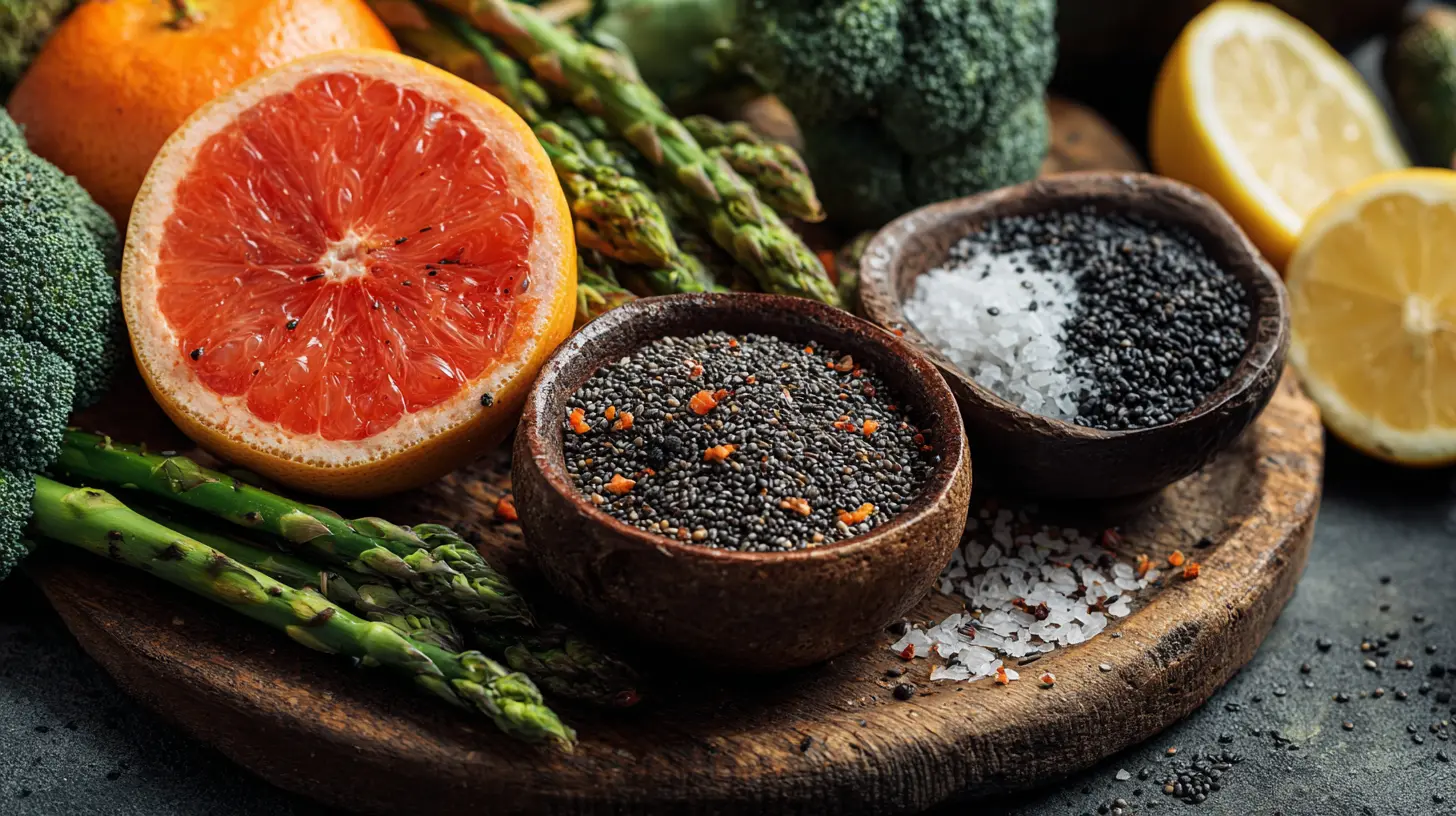
The Cortisol Connection: Eating to Outsmart Stress
Let’s talk about the elephant in the room—or rather, the tiger in the jungle. Cortisol, your primary stress hormone, isn’t inherently bad. It’s what gets you out of bed in the morning and helps you react to danger. But in 2027, chronic low-grade stress is the norm, and cortisol is the silent saboteur of your mood.Here’s where feel-good foods get strategic. Omega-3 fatty acids (found in fatty fish, walnuts, and flaxseeds) are proven to reduce cortisol levels by calming the hypothalamic-pituitary-adrenal (HPA) axis. Think of omega-3s as the shock absorbers for your stress response. But the real game-changer? Adaptogens—herbs and mushrooms like ashwagandha, rhodiola, and lion’s mane that help your body “adapt” to stress. By 2027, adaptogens won’t just be in fancy lattes; they’ll be integrated into everyday staples like bread, pasta, and even chocolate.
But here’s the nuance: not all adaptogens work the same. Ashwagandha is great for lowering cortisol in the evening, but rhodiola is better for morning energy without the crash. The science says we’ll soon have “chrononutrition” plans—eating specific compounds at specific times to match your cortisol rhythm. Imagine a breakfast bar that boosts morning alertness and a dinner tea that promotes evening relaxation. That’s the future, and it’s delicious.
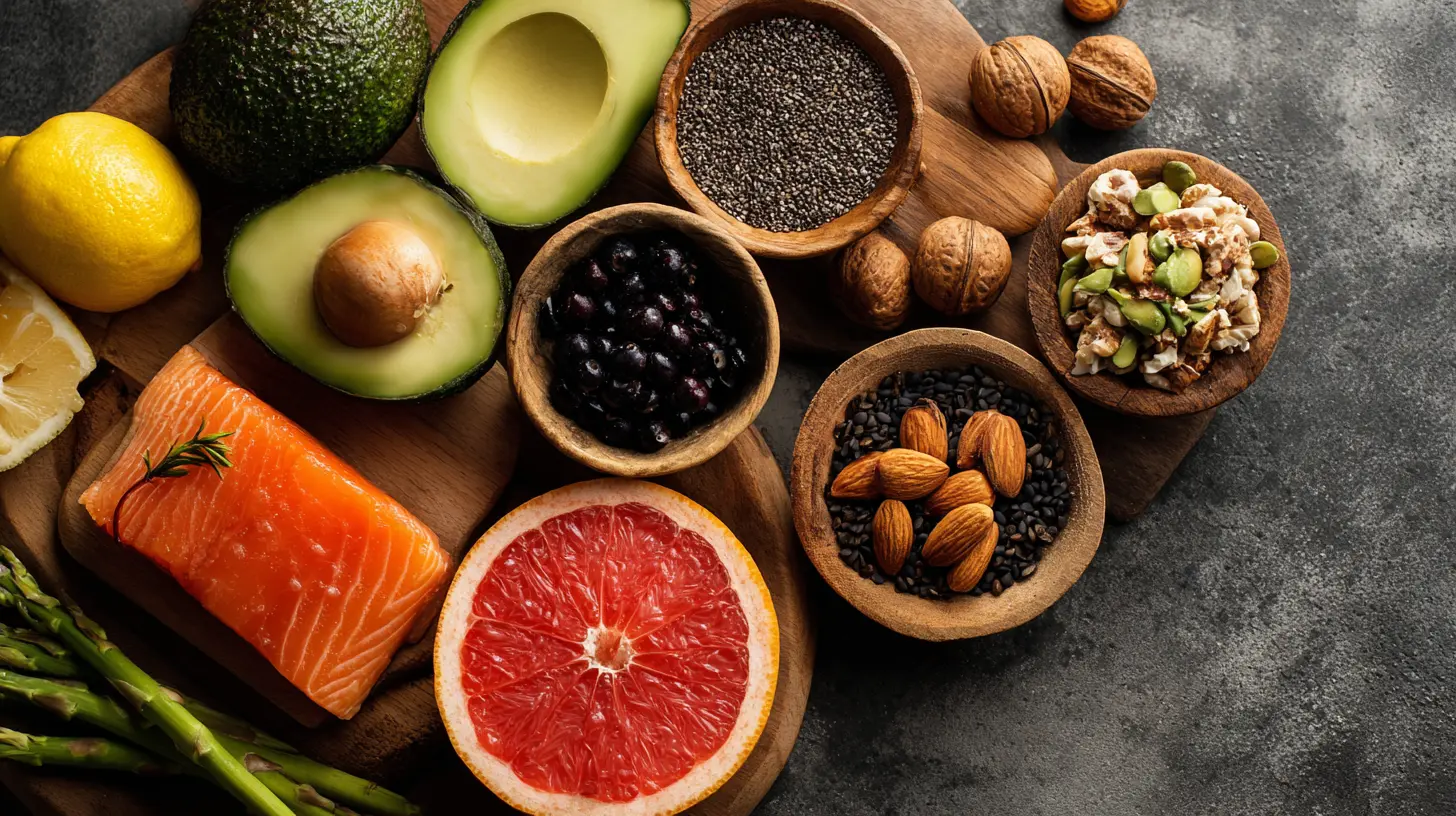
The Inflammation-Mood Link: Why Your Happy Food Might Be Anti-Inflammatory
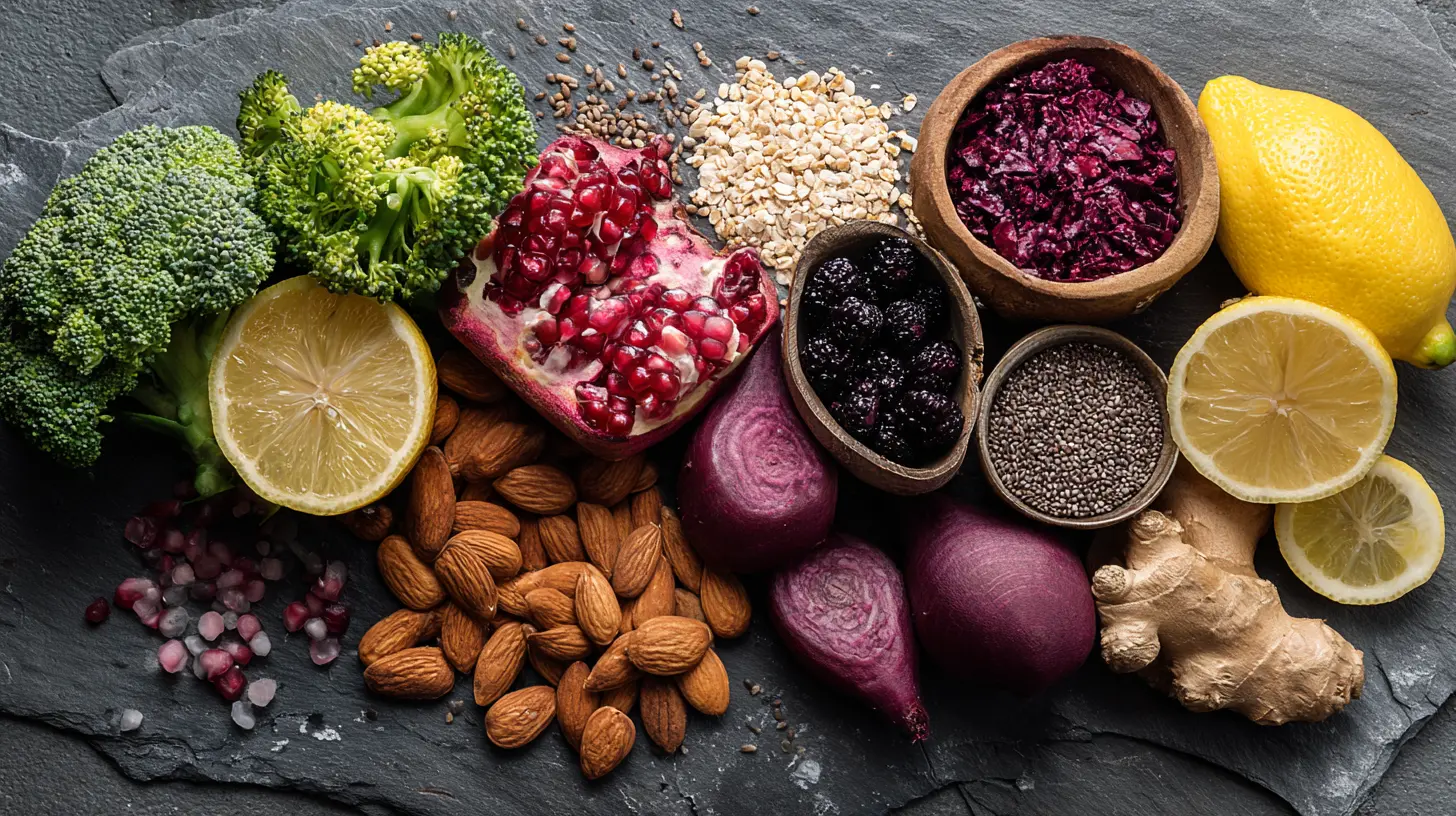
You might not feel inflamed, but if you’re eating a standard diet, your body likely is. Chronic low-grade inflammation is like a slow leak in your brain’s plumbing. It impairs neurotransmitter production, reduces neuroplasticity, and is directly linked to depression and anxiety. The science is unequivocal: inflammation is the enemy of feel-good.So, what foods fight it? Polyphenols—plant compounds found in berries, dark chocolate, green tea, and turmeric. These compounds cross the blood-brain barrier and reduce oxidative stress. But here’s the twist: by 2027, we’ll understand that different polyphenols target different inflammatory pathways. Resveratrol (in grapes and red wine) activates sirtuins, which protect neurons. Quercetin (in apples and onions) stabilizes mast cells, reducing allergic-type inflammation that can fog your mood.
The future of feel-good eating isn’t just “eat more plants”—it’s about strategic diversity. You need a rainbow of polyphenols because your brain’s inflammatory profile is unique. Personalized meal kits based on your inflammatory biomarkers? Already in development. The goal is to eat in a way that puts out small fires before they become mood-killing wildfires.
The 2027 Pantry: What You’ll Actually Eat
Let’s get practical. By 2027, your pantry will look different. Here’s what science says will be the stars:1. Fermented Everything
Not just yogurt and sauerkraut. Think fermented oat milk, fermented hot sauce, and even fermented coffee. The key is live cultures that produce GABA and butyrate—a short-chain fatty acid that directly supports brain health. Kombucha will be old news; we’re talking about functional fermentation with specific bacterial strains chosen for mood elevation.2. Mushroom-Based Adaptogens
Lion’s mane for focus, reishi for sleep, cordyceps for energy. By 2027, these won’t be supplements; they’ll be ingredients in your pasta sauce, protein powder, and even your morning oatmeal. The science shows that lion’s mane stimulates Nerve Growth Factor (NGF), which is like Miracle-Gro for your brain cells.3. Polyphenol-Rich Snacks
Think dark chocolate with added bacopa monnieri (an Ayurvedic herb that boosts memory), or berry bars with maca root for hormonal balance. The goal is to make every snack a “nootropic” snack—one that enhances cognitive function while tasting good.4. Precision Protein
Not just “protein powder,” but blends designed for your neurotransmitter needs. A morning shake with tyrosine for dopamine, tryptophan for serotonin (found in turkey and pumpkin seeds), and glycine for GABA (found in collagen and bone broth). It’s like a smoothie that speaks to your brain chemistry.
The Epigenetic Twist: Food That Changes Your Genes
Here’s where it gets mind-blowing. Your genes aren’t your destiny. Epigenetics—the study of how lifestyle factors turn genes on or off—is the frontier of feel-good science. By 2027, we’ll have foods that actively “reprogram” your genetic expression for better mood.For example, sulforaphane (found in broccoli sprouts) activates the NRF2 pathway, which turns on antioxidant genes. This reduces inflammation and protects your brain. Similarly, curcumin (in turmeric) inhibits the NF-kB pathway, which turns off inflammatory genes. It’s like having a remote control for your DNA.
But here’s the practical takeaway: you don’t need a gene sequencer to benefit. Eating a diet rich in cruciferous vegetables, berries, and green tea creates an epigenetic environment that favors calm, focus, and resilience. The science says that what you eat today influences not just your mood tomorrow, but the mood of your future self—and potentially even your children’s genetic expression. That’s a heavy responsibility, but also an incredible opportunity.
The Sugar Trap: Why “Feel-Good” Isn’t “Feel-High”
I’d be remiss if I didn’t address the elephant in the room: sugar. We’ve been told it’s bad, but the science is more nuanced. Sugar does make you feel good—briefly. It activates the opioid receptors in your brain, which is why it’s addictive. But by 2027, we’ll understand that the “feel-good” from sugar is a debt you pay with interest.Chronic sugar consumption disrupts the gut microbiome, increases inflammation, and impairs insulin signaling in the brain. The result? Brain fog, mood swings, and increased risk of depression. The alternative isn’t artificial sweeteners (which mess with your microbiome too). It’s whole-food sweeteners like date syrup, monk fruit, or allulose—compounds that provide sweetness without the metabolic crash.
But here’s the rhetorical question: does that mean you can never have cake? Of course not. The science of 2027 is about context. A piece of cake after a balanced meal, with protein and fiber, has a different metabolic effect than cake on an empty stomach. It’s not about deprivation; it’s about timing and pairing. Feel-good eating is flexible, not rigid.
The Social and Sensory Dimension: You Eat with Your Eyes and Your Tribe
Let’s not forget that eating is inherently social and sensory. The science shows that the experience of eating—the aroma, the texture, the company—directly influences your brain’s reward response. A meal eaten alone in front of a screen releases less dopamine than a meal shared with friends. By 2027, we’ll see “communal eating” become a health intervention. Restaurants will design meals for groups, and meal delivery services will include “virtual dining” options where you eat simultaneously with friends via video call.Moreover, the olfactory system is directly linked to the limbic system (emotion and memory). Smelling fresh herbs, roasting vegetables, or brewing coffee can trigger positive emotional states before you even take a bite. Future feel-good foods will be designed for multisensory engagement—think crunchy textures, vibrant colors, and complex aromas that prime your brain for satisfaction.
The Bottom Line: Your 2027 Feel-Good Food Strategy
So, what does all this science mean for your actual shopping list? Let me break it down simply:- Eat for your microbiome: Include fermented foods, prebiotic fibers, and avoid artificial additives that kill good bacteria.
- Stabilize dopamine: Combine protein with complex carbs at every meal. Think eggs + oats, or salmon + sweet potato.
- Calm cortisol: Prioritize omega-3s, adaptogens, and magnesium-rich foods. Eat your greens and your fatty fish.
- Fight inflammation: Eat a rainbow of polyphenols. Berries, dark chocolate, turmeric, and green tea are non-negotiable.
- Consider epigenetics: Eat broccoli sprouts, garlic, and onions to activate protective genes.
- Don’t ignore the experience: Eat with others, savor your food, and make it beautiful. Your brain notices.
The science behind feel-good foods for 2027 and beyond isn’t about a single superfood or a restrictive diet. It’s about a system—a holistic approach that respects your gut, your brain, your genes, and your humanity. You don’t need to be perfect. You just need to be intentional.
So, next time you sit down to eat, ask yourself: Is this food feeding my mood, or just my hunger? The answer might just change everything.
all images in this post were generated using AI tools
Category:
Mood Boosting FoodsAuthor:

Jackson Mahoney
Discussion
rate this article
2 comments
Zayne Hughes
Thank you for this insightful article! It's fascinating to see how emerging research on feel-good foods may shape our diets in the coming years. Understanding the science behind these choices can truly enhance our well-being. Looking forward to more discussions!
April 25, 2026 at 4:14 PM
Jackson Mahoney
Thank you for your kind words! I'm glad you found the article insightful. Excited for future discussions too!
Vireo Roth
Thank you for this insightful article! It’s inspiring to learn how the right foods can elevate our mood and well-being. As we look to 2027 and beyond, I’m excited to embrace these feel-good foods on my wellness journey!
April 25, 2026 at 3:33 AM
Jackson Mahoney
Thank you for your kind words! I'm glad you found it inspiring. Here's to making wellness a delicious journey!