The Science of Immunity: How Your Lifestyle Shapes Defense Mechanisms
25 June 2026
Your immune system is like a personal bodyguard, tirelessly working 24/7 to keep you safe from harmful invaders. But did you know that the way you live—what you eat, how much you sleep, how often you move—can either strengthen or weaken this defense system?
In today’s fast-paced world, where stress, processed foods, and sedentary habits are all too common, understanding how to support your immunity is more important than ever. Let’s dive into the fascinating science of immunity and uncover how your daily choices can make a difference.
Understanding Your Immune System: Your Body’s Natural Shield
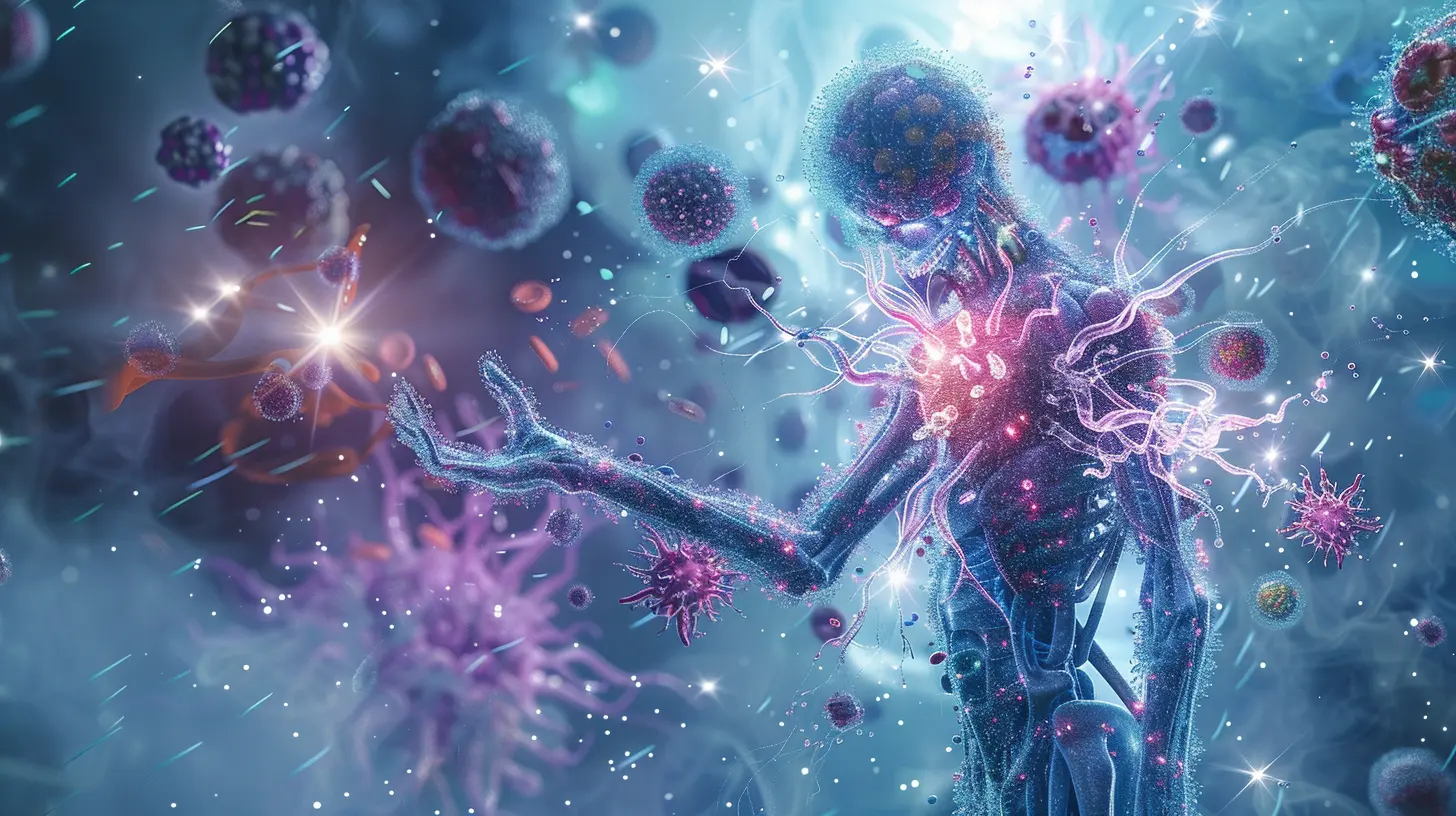
Think of your immune system as a fortress with multiple layers of defense. It has two main components:- Innate Immunity – This is your body’s first line of defense, which includes physical barriers like your skin and mucous membranes, as well as immune cells that attack invaders on sight.
- Adaptive Immunity – This is the smarter part of your immune system. It learns from past infections and builds long-term immunity against specific threats.
Now, here’s the catch: While your immune system is naturally designed to protect you, it isn’t invincible. Your lifestyle plays a critical role in either reinforcing or weakening these protective barriers.
The Impact of Diet on Your Immune System
You are what you eat, and so is your immune system! Nutrition is one of the most powerful ways to boost immunity. A diet rich in essential nutrients keeps your immune cells strong and functioning properly.Immune-Boosting Nutrients to Focus On
1. Vitamin C – Found in oranges, bell peppers, and strawberries, this vitamin helps stimulate the production of white blood cells, which fight infections.2. Vitamin D – Your body needs sunlight to produce this essential vitamin, but you can also get it from fatty fish, egg yolks, and fortified foods. Vitamin D is crucial in modulating immune responses.
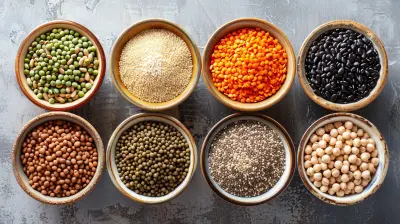
3. Zinc – This mineral, found in nuts, seeds, and beans, helps immune cells function properly and promotes healing.
4. Probiotics and Prebiotics – Your gut health is directly linked to immunity. Fermented foods like yogurt, kimchi, and sauerkraut, along with fiber-rich fruits and vegetables, support healthy gut bacteria, which in turn strengthen your immune defenses.
On the flip side, processed foods loaded with sugar and unhealthy fats can weaken the immune response, making you more vulnerable to infections.
The Role of Sleep in Immunity: Rest to Defend
Think of sleep as your immune system’s recharge mode. While you sleep, your body repairs itself and produces proteins called cytokines, which help fight infections and inflammation.How Lack of Sleep Weakens Immunity
- Reduces the production of germ-fighting antibodies- Increases stress hormones that suppress immune function
- Slows down your recovery from illnesses
To keep your immune system in top shape, aim for 7-9 hours of quality sleep per night. Create a bedtime routine, limit screen time, and keep your room cool and dark for the best rest.
Exercise: The Immune System’s Best Friend
Regular movement does more than keep your waistline in check—it also strengthens your immune system. Moderate exercise helps increase circulation, allowing immune cells to move freely and efficiently throughout the body.How Exercise Supports Immunity
- Reduces stress hormones that can weaken immune responses- Helps flush out bacteria from the respiratory system
- Increases production of immune cells that fight infections
However, balance is key. While moderate exercise boosts immunity, overtraining can do the opposite by increasing inflammation and making you more susceptible to illness.
Stress and Immunity: The Silent Immune Killer
Stress is like kryptonite for your immune system. When you're stressed, your body produces cortisol, a hormone that suppresses immune function. Chronic stress weakens your body’s ability to fight infections and increases inflammation.Ways to Reduce Stress and Boost Immunity
- Practice mindfulness and meditation – Just 10 minutes a day can lower cortisol levels.- Engage in hobbies you enjoy – Painting, music, or reading can help distract your mind from daily stressors.
- Spend time in nature – Fresh air and greenery have a calming effect on the nervous system.
Hydration: The Overlooked Key to Immunity
Water is essential for almost every bodily function, including immune health. It helps carry oxygen to cells, flushes out toxins, and keeps your mucosal barriers (like those in your nose and throat) moist and ready to trap harmful invaders.How Much Water Should You Drink?
A general rule of thumb is 8-10 glasses per day, but this varies based on your activity level and climate. Listen to your body—if you're thirsty, drink up!The Power of Social Connections in Immunity
Did you know that loneliness can weaken your immune system? Studies have shown that strong social connections help lower stress hormones and boost immune responses.Ways to Strengthen Social Bonds for a Healthier Immune System
- Spend quality time with friends and family- Join a community or support group
- Engage in meaningful conversations
A happy, connected life is not just good for the soul—it’s also great for your immunity!
Final Thoughts: Small Changes, Big Impact
Your immune system is a dynamic and powerful force, constantly working to protect you. But it needs your help! By making smarter lifestyle choices—eating nutritious foods, sleeping well, staying active, managing stress, staying hydrated, and nurturing social bonds—you can significantly strengthen your body’s natural defenses.So, the next time you're tempted to skip sleep, reach for junk food, or let stress take over, remember—your immune system is relying on you. Give it the support it deserves, and it will return the favor by keeping you strong and resilient.
all images in this post were generated using AI tools
Category:
Healthy Immune SystemAuthor:

Jackson Mahoney
Discussion
rate this article
1 comments
Dior Wade
Great insights! Small lifestyle changes can make a big difference.
June 30, 2026 at 2:59 AM
Jackson Mahoney
Thanks! It's amazing how even minor adjustments can boost our immune health.