The Secret to a Restaurant-Quality Salad at Home
24 November 2026
Salads can be deceptively simple yet profoundly complex. At first glance, they seem like a straightforward combination of greens, vegetables, and a dressing. However, achieving that restaurant-quality taste and presentation requires a deeper understanding of ingredients, preparation methods, and presentation techniques. In this article, we will delve into the essential components that contribute to a top-notch salad and provide practical tips to elevate your homemade salads.
Understanding the Base: Greens Matter
The Importance of Freshness
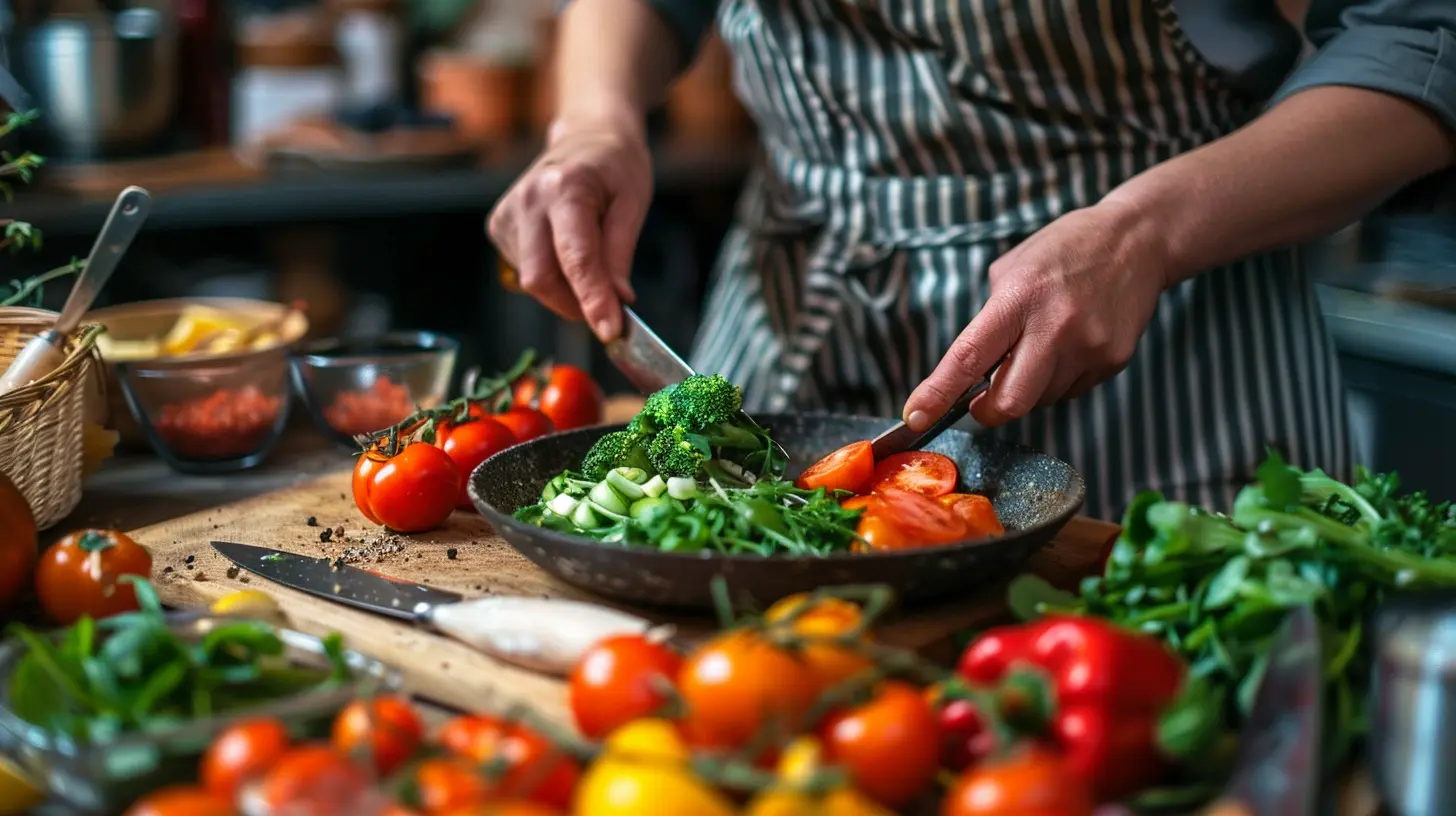
The foundation of any salad is its greens. Freshness is paramount. When selecting greens, consider the season. Seasonal greens not only taste better but also offer better nutritional value. For example, spring offers tender lettuces like butterhead and arugula, while winter may bring heartier options like kale and spinach.Types of Greens
Different greens offer various flavors and textures. Here are a few popular options:- Romaine: Crisp and sturdy, romaine holds up well under heavier dressings.
- Arugula: Slightly peppery, arugula adds a unique flavor that can enhance other ingredients.
- Spinach: Mild and versatile, spinach can be used fresh or sautéed.
- Kale: Tougher and more fibrous, kale benefits from massaging with dressing to soften it.
Experimenting with a mix of greens can provide a diverse flavor profile and texture.
Common Mistakes
One frequent mistake is using wilted or pre-packaged greens that lack freshness. Always opt for whole heads or bunches of greens, and store them properly in your fridge to maintain crispness. Rinsing greens before storage can actually lead to faster spoilage, so only wash them right before use.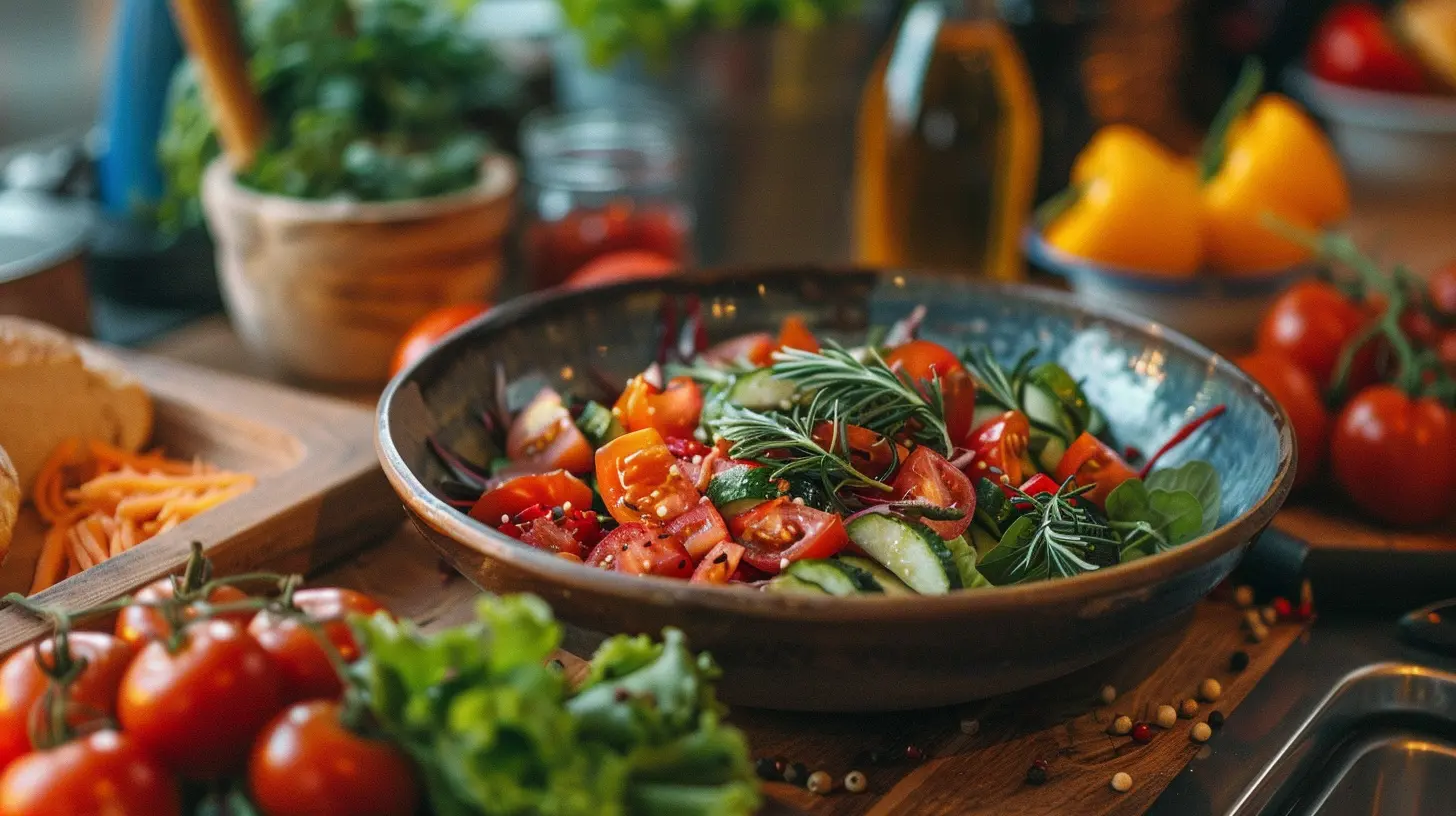
Vegetables and Add-Ins: Color, Flavor, and Nutrition
Choosing the Right Vegetables
The choice of vegetables can transform a simple salad into a culinary masterpiece. Aim for a variety of colors and textures. Here are some options to consider:- Bell Peppers: Sweet and crunchy, they add vibrant color.
- Cherry Tomatoes: Juicy and slightly acidic, they bring a burst of flavor.
- Cucumbers: Crisp and refreshing, they offer a nice crunch.
- Radishes: Spicy and crunchy, they add a nice bite.
Incorporating Fruits
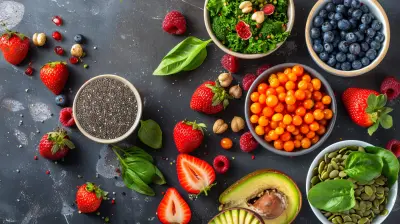
Fruits can provide a delightful sweetness that balances the savory elements of a salad. Consider adding:- Berries: Strawberries, blueberries, or raspberries can add a pop of color and flavor.
- Citrus: Oranges or grapefruits can brighten up a salad.
- Dried Fruits: Raisins, cranberries, or apricots can provide a chewy texture.
The Role of Nuts and Seeds
Adding nuts or seeds can enhance texture and add healthy fats. Almonds, walnuts, sunflower seeds, or pumpkin seeds can elevate your salad both nutritionally and in terms of flavor.Balancing Flavors
When choosing vegetables and add-ins, think about balance. Combining sweet, savory, and acidic elements creates a more complex flavor profile. For example, pairing sweet strawberries with tangy goat cheese and balsamic reduction creates a delicious contrast.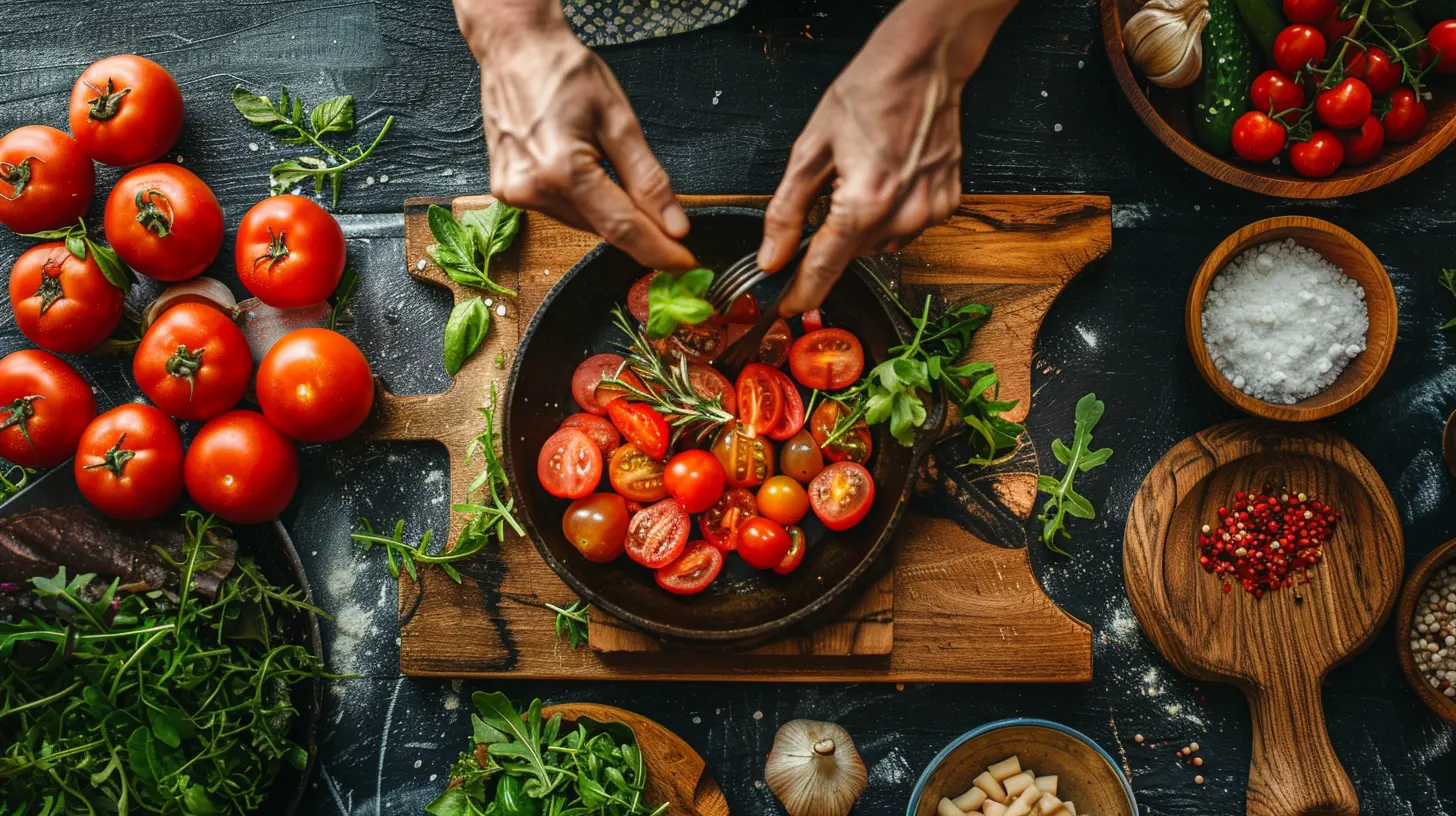
Dressings: The Key to Flavor
Emulsification Basics
Dressing can make or break a salad. The key is to create a balanced dressing that complements your ingredients. Traditional vinaigrettes are typically made from oil and vinegar, but the ratio can vary based on personal preference. A common starting point is three parts oil to one part vinegar.Homemade vs. Store-Bought
While store-bought dressings offer convenience, homemade dressings can deliver superior flavor and customization. Plus, they allow you to control the ingredients, which is especially important for those with dietary restrictions.Simple Vinaigrette Recipe
- 3 tablespoons olive oil- 1 tablespoon vinegar (balsamic, red wine, or apple cider)
- 1 teaspoon Dijon mustard
- Salt and pepper to taste
Whisk all ingredients together until emulsified. Adjust vinegar and seasoning to taste.
Common Dressing Mistakes
One common error is overdressing the salad. A good rule of thumb is to start with a small amount of dressing and add more as needed. You want to enhance the flavors, not drown them.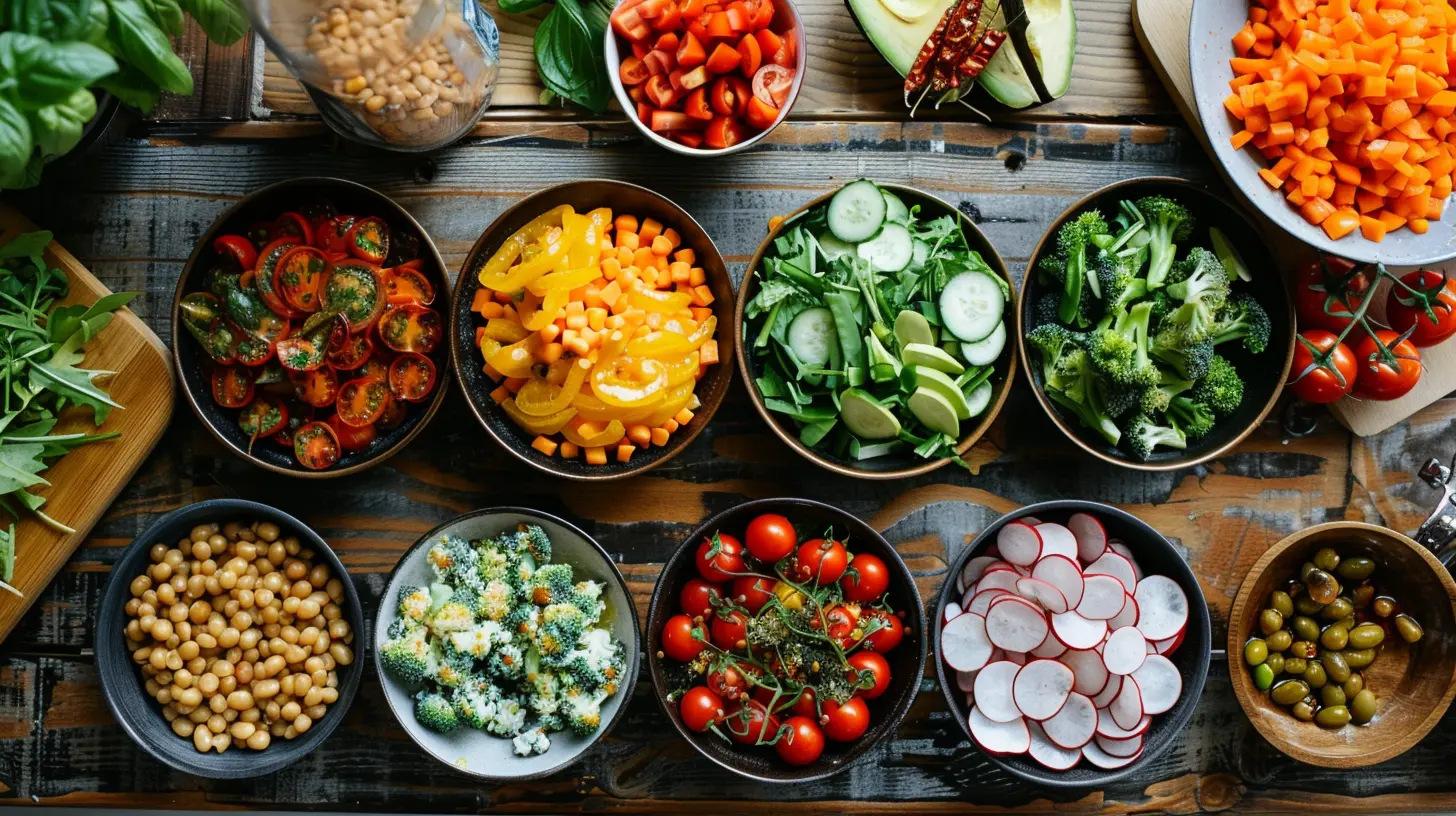
Assembly and Presentation: The Art of Plating
Layering for Texture and Aesthetics
How you assemble your salad can impact both its appearance and taste. Layering ingredients instead of tossing them can create visual interest. Start with greens, then add vegetables, proteins, and finally, dressing on top.The Power of Color
A visually appealing salad not only looks good but also makes the eating experience more enjoyable. Aim for a rainbow of colors by incorporating various vegetables and fruits. This not only looks inviting but also indicates a variety of nutrients.Using the Right Plate
The choice of plate can affect how your salad is perceived. A wide, shallow bowl can showcase the ingredients better than a deep one, allowing the vibrant colors to stand out.Protein: Making It a Meal
Choosing Protein Wisely
To turn your salad into a satisfying meal, adding protein is essential. Options can include:- Grilled Chicken: A classic choice that pairs well with many salads.
- Chickpeas or Beans: Great for a vegetarian option and add fiber.
- Fish: Salmon or tuna can bring a rich flavor.
- Cheese: Feta, goat cheese, or Parmesan can add creaminess and depth.
Preparing Protein
How you prepare the protein can greatly affect the salad. For instance, marinating chicken before grilling can add flavor, while simply boiling eggs for a cobb salad can provide a delightful contrast in texture.
Special Touches: Extras That Impress
Herbs and Spices
Fresh herbs can elevate a salad significantly. Consider adding chopped basil, mint, or parsley for a burst of freshness. Spices, too, can provide an unexpected kick; try a dash of cumin or smoked paprika for added depth.Garnishes
Don't underestimate the power of garnishes. A sprinkle of microgreens, edible flowers, or a few slices of avocado can take your salad to the next level. These touches can enhance both flavor and presentation.Common Misconceptions
Salads are Always Healthy
While salads can be nutritious, the ingredients and dressings matter. A salad loaded with cheese, croutons, and heavy dressing can easily become more caloric than a burger. Always be mindful of portion sizes and ingredient choices.All Greens are Equal
Not all greens are created equal. Some, like iceberg lettuce, offer minimal nutritional value compared to darker leafy greens. Educating yourself on the benefits of different greens can help you make better choices.You Should Always Toss Your Salad
While tossing can be useful, sometimes it's better to keep certain ingredients separate until serving. This allows for individual customization and helps maintain texture in ingredients that might wilt or become soggy.
Best Practices for Salad Success
1. Prep Ahead: Wash and chop vegetables in advance, storing them separately to maintain freshness.2. Experiment: Don't be afraid to try new ingredients or flavor combinations. Creativity leads to delicious results.
3. Taste as You Go: Constantly tasting your salad as you add ingredients will help you achieve the perfect balance of flavors.
4. Season Properly: Always season each layer, not just the dressing. This enhances overall flavor.
Conclusion
Creating a restaurant-quality salad at home is about understanding and mastering the components that make a salad delicious. From the freshness of your greens to the balance of flavors and the art of presentation, each element plays a crucial role. By applying these principles and experimenting with your own preferences, you can elevate your salads from simple sides to standout dishes that impress.
all images in this post were generated using AI tools
Category:
Healthy SaladsAuthor:

Jackson Mahoney