The Ultimate Guide to Natural Mood-Boosters
23 November 2026
Mood plays a significant role in our overall well-being and quality of life. Whether you are battling the occasional blues or dealing with more persistent feelings of sadness, understanding natural mood-boosters can give you effective tools to enhance your emotional state. This guide provides an in-depth look at various natural strategies and lifestyle changes that can help elevate your mood.
Understanding Mood and Its Influences
The Science Behind Mood
Mood is influenced by a complex interaction of biological, psychological, and social factors. Neurotransmitters like serotonin, dopamine, and norepinephrine are crucial for regulating mood. A deficiency or imbalance in these chemicals can lead to feelings of depression or anxiety. Factors such as diet, exercise, sleep, and stress management play essential roles in maintaining a balanced mood.The Importance of Natural Mood-Boosters
Natural mood-boosters can provide a holistic approach to managing emotional well-being. Unlike pharmaceuticals, which may come with side effects or dependency issues, natural options often promote overall health. However, they may not be a substitute for professional treatment in severe cases. Understanding when and how to implement these strategies is crucial for effectiveness.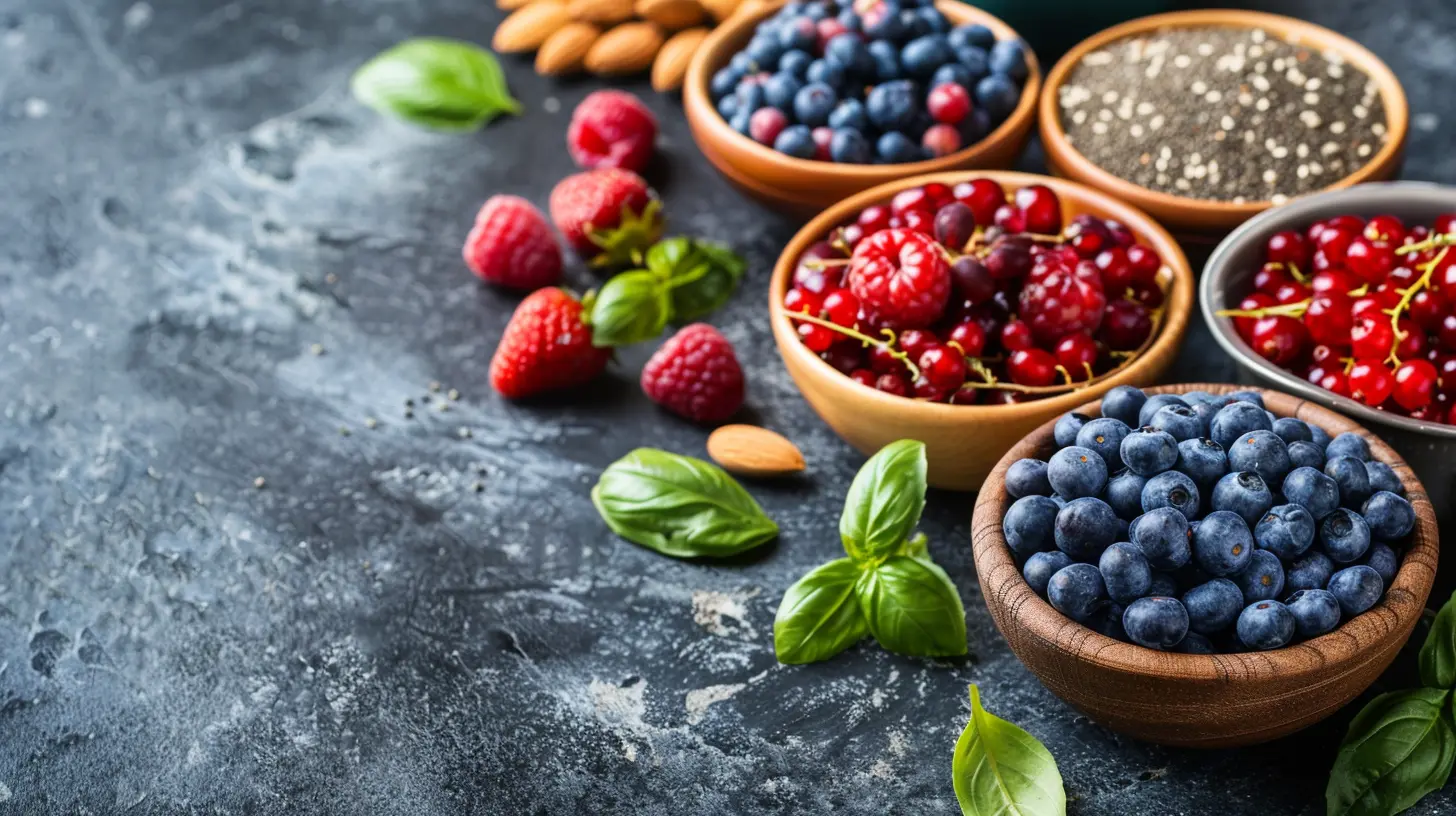
Dietary Choices for Better Mood
Nutrient-Dense Foods
Certain foods can positively affect mood by providing essential nutrients. For example:- Omega-3 Fatty Acids: Found in fatty fish such as salmon, walnuts, and flaxseeds, these acids have been linked to reduced symptoms of depression. They help regulate neurotransmitters and promote brain health.
- Whole Grains: Foods like oats, brown rice, and quinoa stabilize blood sugar levels, which can prevent mood swings. They also provide B vitamins that are important for brain function.
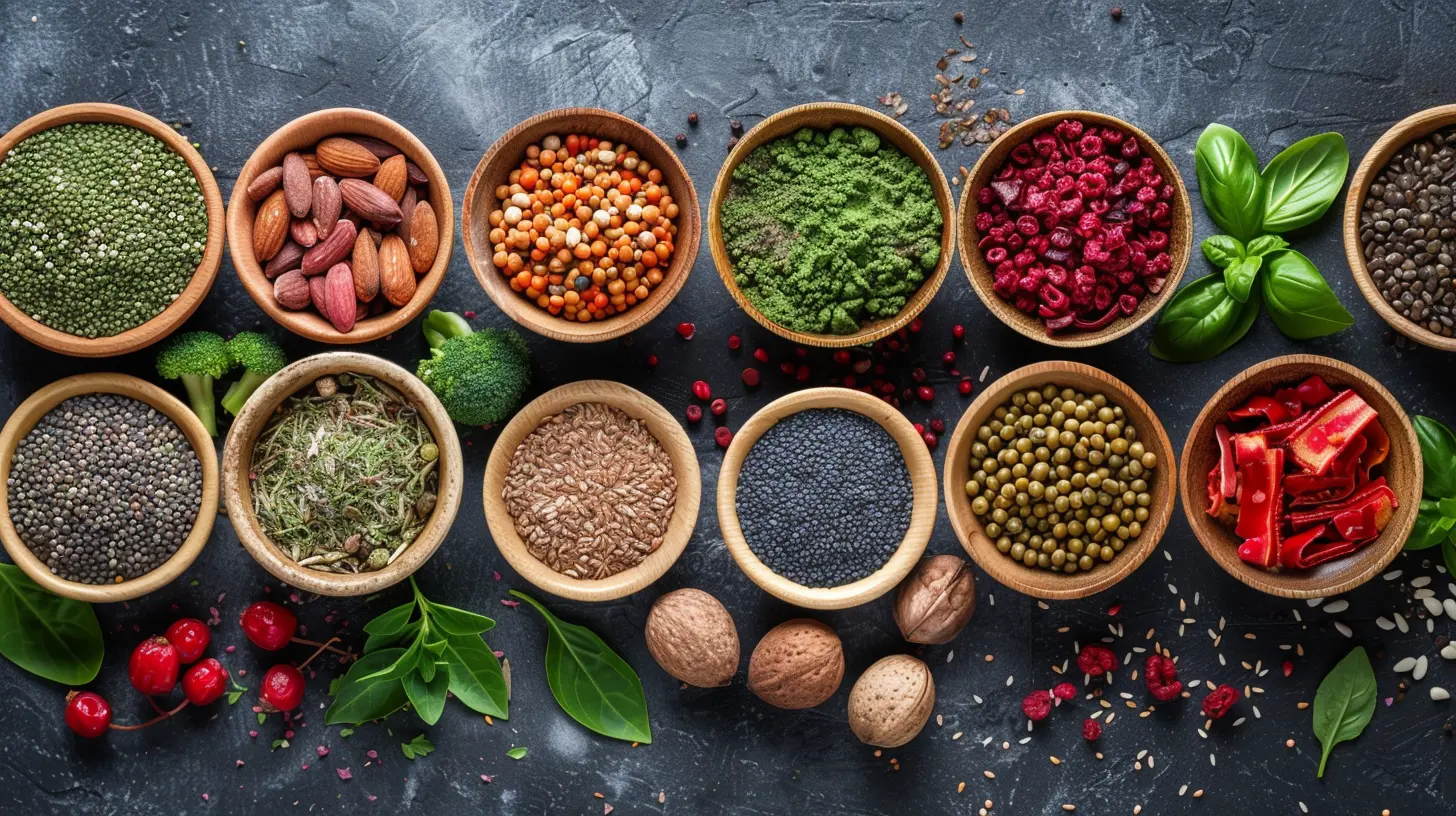
- Fruits and Vegetables: A colorful plate often means a variety of antioxidants, vitamins, and minerals. Berries, leafy greens, and citrus fruits can help combat oxidative stress, which is associated with mood disorders.
The Role of Gut Health
Emerging research highlights the connection between gut health and mood, often referred to as the gut-brain axis. Probiotics and prebiotics can help maintain a healthy gut microbiome. Foods rich in probiotics, such as yogurt, kefir, and fermented vegetables, may enhance serotonin production.Avoiding Mood-Dampening Foods
While it's important to focus on what to eat, it is equally crucial to consider what to avoid. Processed foods high in sugar and unhealthy fats can lead to energy crashes and mood swings. Caffeine should also be consumed in moderation, as it can contribute to anxiety if overconsumed.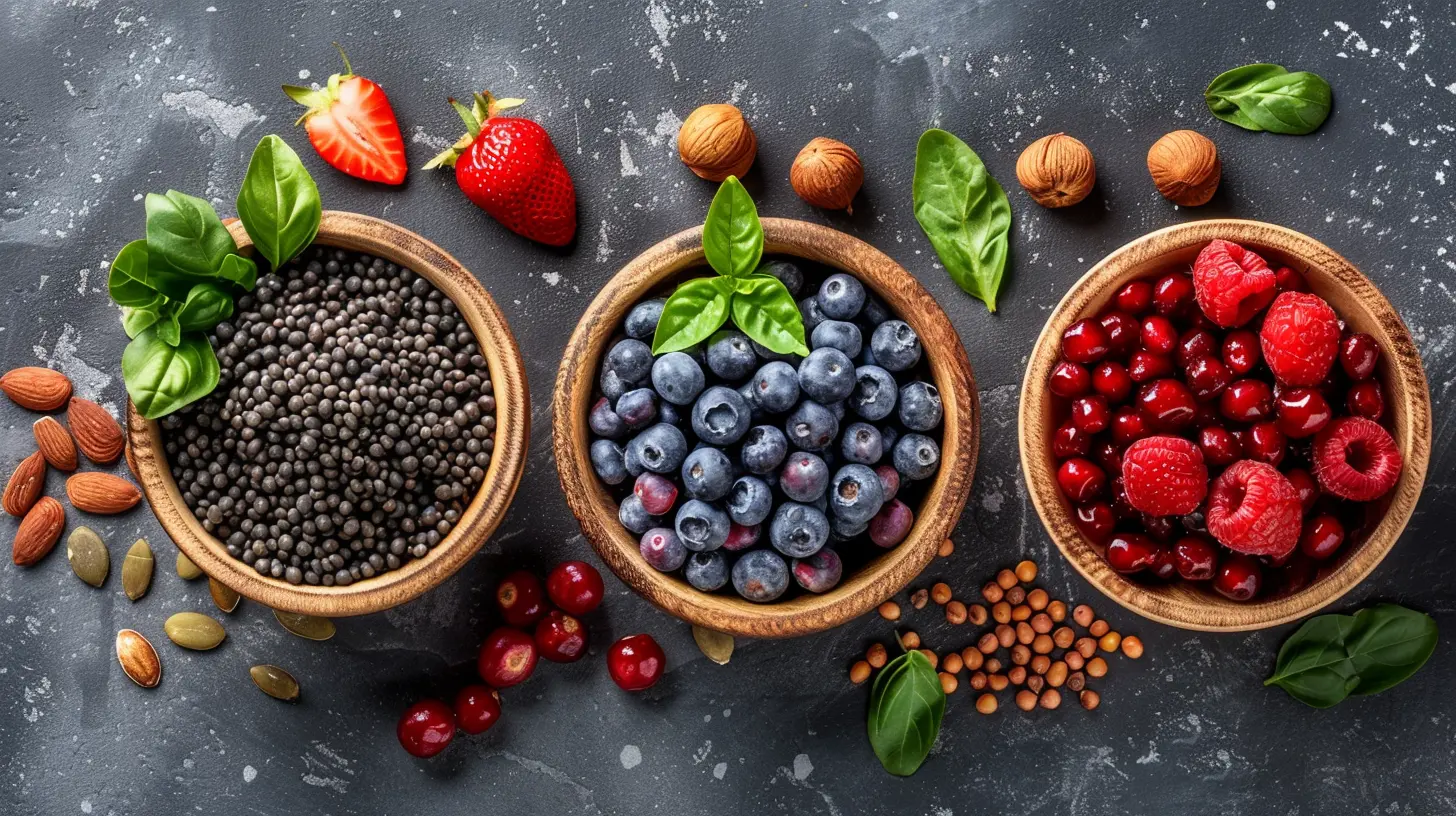
The Power of Physical Activity
Exercise as a Mood Booster
Regular physical activity is one of the most effective natural mood-boosters. Exercise releases endorphins, often referred to as "feel-good" hormones. Whether it's brisk walking, dancing, or yoga, engaging in physical activity can significantly improve emotional well-being.Finding the Right Activity
Choosing an activity you enjoy is essential for consistency. If you dislike running, there are countless alternatives, such as swimming, cycling, or martial arts. The key is to find something that keeps you engaged. Group activities can also provide social support, which can further enhance mood.Setting Realistic Goals
When starting a new exercise routine, setting achievable goals is vital. Begin with small increments, such as 10-15 minutes of activity a day, and gradually increase the duration and intensity. Celebrate your accomplishments, no matter how small, to foster motivation.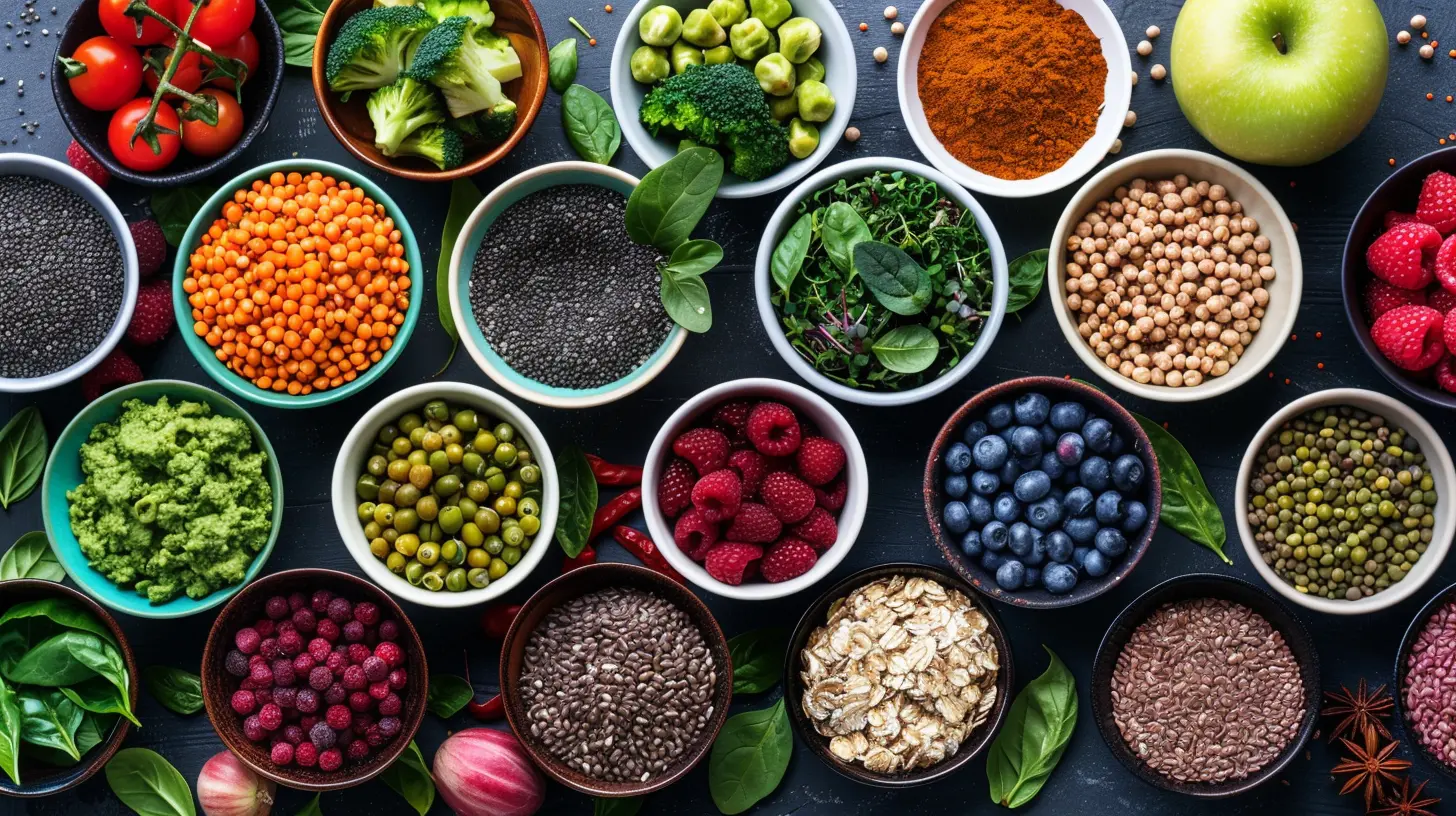
Mindfulness and Mental Practices
The Benefits of Mindfulness
Mindfulness practices, including meditation and deep-breathing exercises, can help ground you in the present moment, reducing anxiety and stress. These practices promote emotional regulation and enhance overall mental health.Incorporating Mindfulness into Daily Life
You don't need to set aside hours for meditation. Brief moments of mindfulness can be integrated into daily routines. For example, take a few minutes to focus on your breath while waiting in line or practice gratitude by reflecting on what you appreciate each day.Cognitive Behavioral Techniques
Cognitive Behavioral Therapy (CBT) techniques can also be used as natural mood-boosters. Challenging negative thoughts and reframing them into positive affirmations can shift your emotional state. Journaling can be a powerful tool for tracking thoughts and feelings, helping to identify patterns and triggers.The Role of Sleep
Sleep Hygiene for Mood Stability
Quality sleep is foundational for emotional health. Poor sleep can exacerbate mood disorders, while adequate rest can boost mood and cognitive function. Establishing a sleep routine can greatly improve sleep quality.Creating a Sleep-Friendly Environment
Optimize your bedroom for sleep by keeping it dark, cool, and quiet. Limit exposure to screens before bedtime to help your body produce melatonin, the hormone responsible for sleep regulation.Addressing Sleep Disorders
If you suspect sleep disorders like insomnia or sleep apnea, seeking professional help is crucial. These conditions can severely impact mood and overall health.
Social Connections and Support
The Importance of Relationships
Social support is a vital component of emotional well-being. Building connections with friends and family can provide comfort and reduce feelings of isolation. Regular interactions, whether in-person or virtually, can foster a sense of belonging.Volunteering and Community Involvement
Engaging in community service or volunteering can also enhance mood. Helping others fosters a sense of purpose and can lead to positive feelings about oneself. Plus, it opens doors to new social connections.Seeking Professional Support
While natural mood-boosters can be effective, they may not be sufficient for everyone. If feelings of sadness persist, consulting a mental health professional is essential. Therapy options, including talk therapy or counseling, can provide valuable tools for managing mood.Alternative Therapies
Herbal Supplements
Certain herbs have mood-boosting properties. For instance:- St. John's Wort: Often used for mild depression, this herb may help elevate mood but can interact with other medications, so caution is advised.
- Ashwagandha: An adaptogen that may help the body cope with stress and anxiety. It's essential to consult a healthcare provider before starting any herbal supplement.
Aromatherapy
Essential oils, such as lavender and bergamot, can promote relaxation and improve mood. Diffusing these oils or using them in a bath can create a calming atmosphere.Acupuncture and Acupressure
These therapies focus on balancing energy within the body and have been reported to help alleviate symptoms of anxiety and depression. While research is ongoing, many individuals report positive experiences.
Common Mistakes and Misconceptions
Over-Reliance on Quick Fixes
One common misconception is that natural mood-boosters are quick fixes. While some strategies can provide immediate relief, others require consistent practice. Patience and persistence are key.Ignoring Professional Help
Another mistake is overlooking the importance of professional mental health support. While natural methods can complement treatment, they are not a substitute for professional intervention in more severe cases.Believing in One-Size-Fits-All Solutions
What works for one person may not work for another. Individual responses to mood-boosters can vary widely based on personal circumstances and biology. It's important to experiment and find what resonates with you.Conclusion
Natural mood-boosters encompass a wide range of strategies that promote emotional well-being. From dietary changes and physical activity to mindfulness practices and social connections, these methods can enhance quality of life. However, balance is essential. While integrating these strategies, it is crucial to remain aware of individual needs and seek professional help when necessary.By taking proactive steps and embracing a holistic approach to mood management, you can cultivate a more positive and fulfilling emotional landscape.
all images in this post were generated using AI tools
Category:
Mood Boosting FoodsAuthor:

Jackson Mahoney