Understanding the Connection Between Sleep and Hormonal Regulation
26 April 2026
Getting quality sleep isn’t just about feeling well-rested; it’s essential for maintaining proper hormonal balance in the body. If you’ve ever noticed how a bad night’s sleep leaves you feeling cranky, sluggish, or even extra hungry, that’s your hormones at play.
Hormones control almost everything—your metabolism, mood, immune system, and even your ability to lose weight. And guess what? Sleep is one of the biggest factors that influence how well these hormones function. So, if you’re burning the midnight oil too often, you could be disrupting your body’s natural hormonal rhythms.
But how exactly does sleep impact your hormonal health? And what happens when you don’t get enough shut-eye? Let’s break it all down.
The Link Between Sleep and Hormones
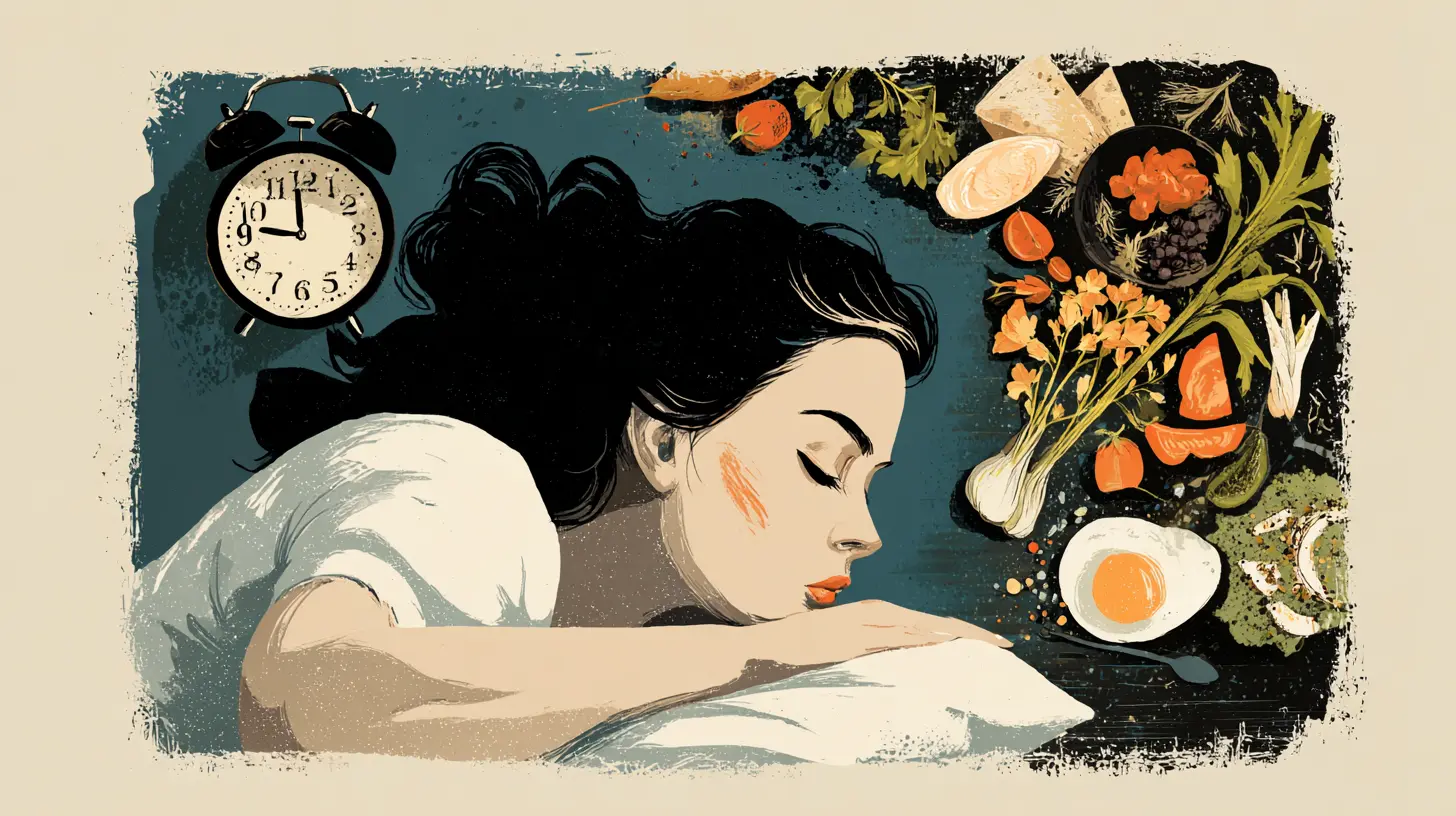
Sleep and hormones are deeply connected through the body's internal clock, also known as the circadian rhythm. This 24-hour cycle regulates many biological processes, ensuring everything runs smoothly when you’re awake and asleep.While you sleep, your body works like a factory—repairing cells, releasing growth hormones, and maintaining proper metabolic functions. When you don’t sleep enough, this system gets thrown off balance, leading to hormonal imbalances that can affect everything from appetite to stress levels.
Now, let’s take a closer look at how different hormones are tied to your sleep cycle. 
1. Cortisol – The Stress Hormone
Cortisol, often called the “stress hormone,” follows a daily rhythm. It peaks in the morning to help wake you up and gradually decreases throughout the day.But when you don’t get enough sleep, cortisol levels stay elevated for longer. This can lead to:
- Increased stress and anxiety
- Higher blood pressure
- Impaired immune function
- Difficulty concentrating
Chronic sleep deprivation keeps your body in a constant state of stress, which can wreak havoc on your mental and physical health. 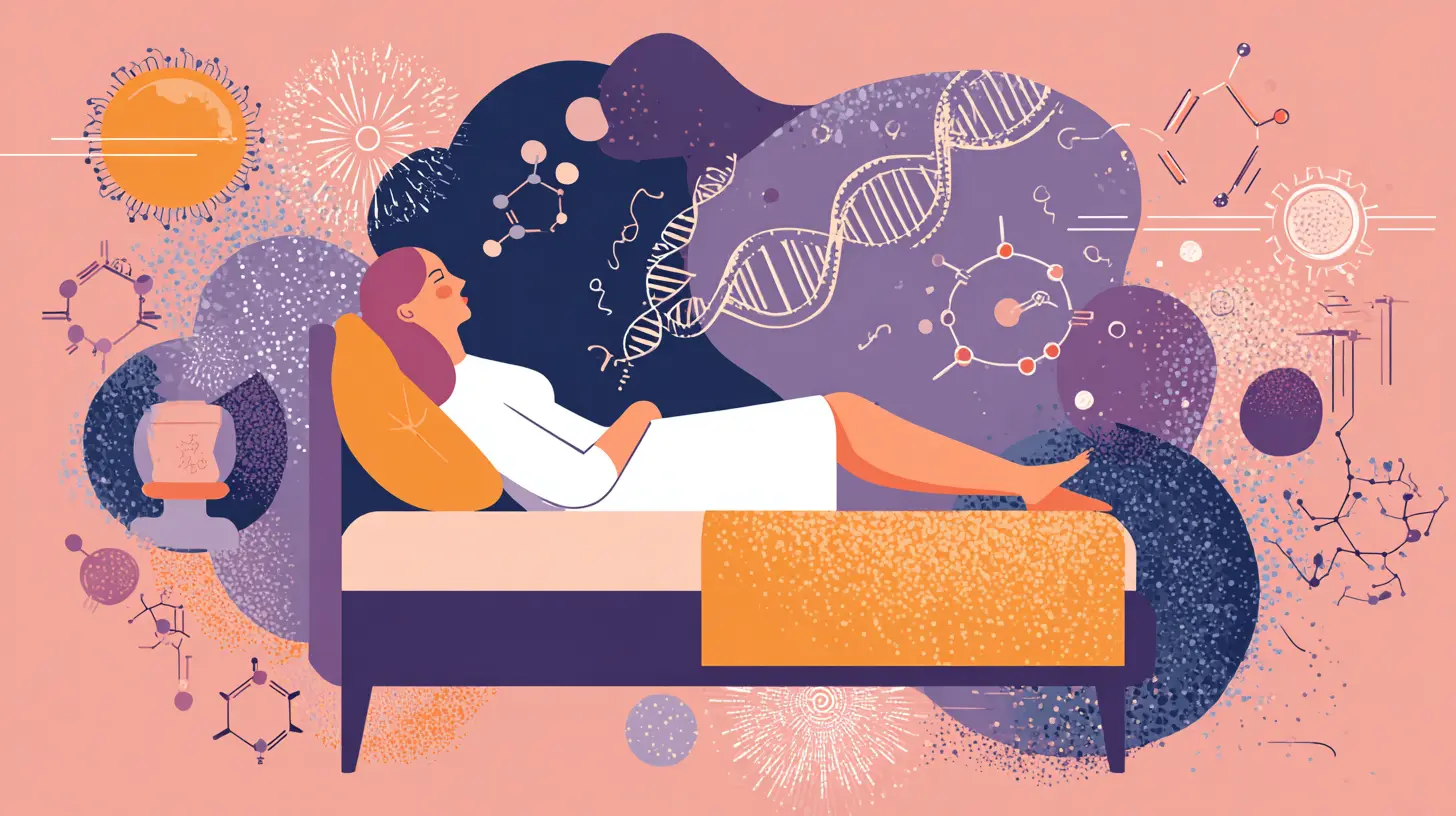
2. Melatonin – The Sleep Hormone
Melatonin is your body’s natural sleep aid. It’s released in response to darkness, signaling your body that it’s time to wind down.However, poor sleep habits—like scrolling on your phone before bed or keeping bright lights on—can reduce melatonin production. When this happens, falling asleep becomes a struggle, leading to a vicious cycle of insufficient rest and hormonal imbalances.
To boost melatonin naturally, aim for a dark, cool, and quiet bedroom environment. 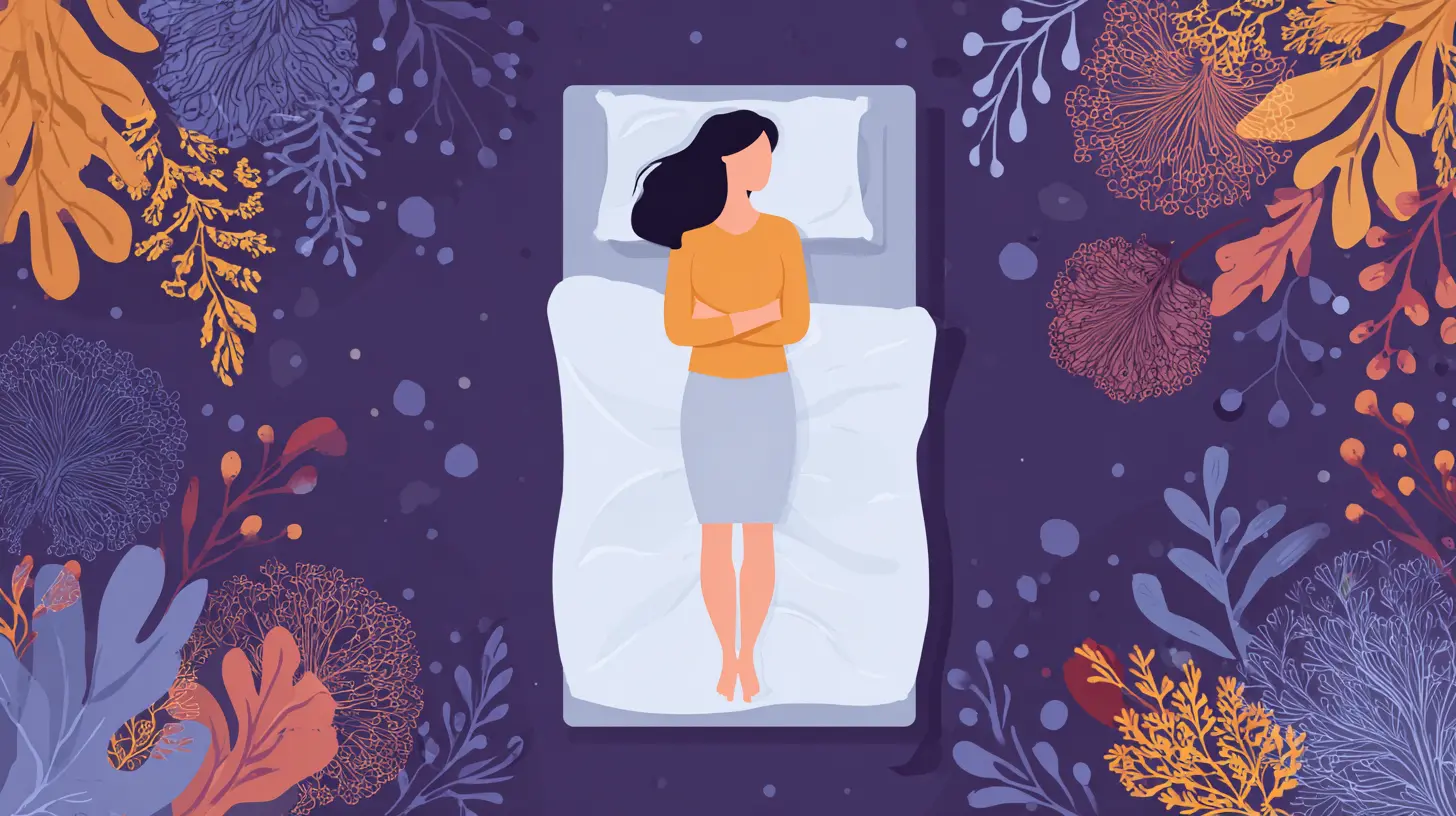
3. Ghrelin and Leptin – Hunger Hormones
Ever noticed that you crave junk food after a bad night’s sleep? That’s because of two key hormones: ghrelin (the hunger hormone) and leptin (the satiety hormone).- Ghrelin increases when you don’t get enough sleep, making you feel hungrier than usual.
- Leptin decreases, meaning your body struggles to recognize when it's full.
This double whammy often leads to overeating, increased cravings for sugary and fatty foods, and weight gain over time.
If you’re trying to maintain a healthy weight, prioritizing sleep is just as important as diet and exercise.
4. Insulin – The Blood Sugar Regulator
Insulin is the hormone responsible for regulating blood sugar levels. However, when sleep is disrupted, your cells become less responsive to insulin, leading to insulin resistance.This means your body has to produce more insulin to keep your blood sugar in check. Over time, this can increase the risk of type 2 diabetes and metabolic disorders.
Getting enough sleep helps your body use insulin efficiently, keeping your blood sugar stable and reducing your risk of developing chronic conditions.
5. Growth Hormone – The Repair and Recovery Hormone
Your body releases growth hormone while you sleep, which plays a major role in:- Muscle growth and repair
- Fat metabolism
- Immune system function
- Tissue and bone health
If you skimp on sleep, your body produces less growth hormone, making it harder to recover from workouts, maintain muscle mass, and keep your metabolism running efficiently.
For those looking to build muscle or improve overall recovery, deep sleep is non-negotiable.
6. Testosterone – The Hormone Crucial for Both Men and Women
Testosterone isn’t just essential for men—it’s vital for women, too. It influences libido, muscle strength, energy levels, and even mood.Sleep deprivation has been shown to reduce testosterone levels, leading to fatigue, lowered sex drive, and difficulty building muscle. Just a week of poor sleep can significantly drop testosterone levels, affecting overall well-being.
If you’re feeling sluggish, irritable, or noticing a drop in energy, consider evaluating your sleep schedule.
Tips to Improve Sleep and Support Hormonal Balance
Now that we know how sleep affects hormones, the next step is improving sleep quality. Here are some simple yet effective ways to get better rest:1. Stick to a Consistent Sleep Schedule
Going to bed and waking up at the same time every day (yes, even on weekends) helps regulate your circadian rhythm, making it easier to fall asleep and wake up refreshed.2. Create a Relaxing Bedtime Routine
Wind down with activities like reading, meditating, or taking a warm bath before bed. Avoid screens at least an hour before sleep to prevent blue light from disrupting melatonin production.3. Optimize Your Sleep Environment
Make your bedroom cool, dark, and quiet to create the ideal sleep setting. Invest in a comfortable mattress and blackout curtains if necessary.4. Limit Caffeine and Alcohol
Caffeine can stay in your system for hours, making it harder to fall asleep. Alcohol may make you drowsy initially but disrupts deep sleep later in the night.5. Get Regular Exercise
Physical activity helps regulate hormones and improves sleep quality. However, avoid intense workouts close to bedtime, as they can increase cortisol and make falling asleep harder.6. Manage Stress Effectively
Incorporate stress-reducing activities like yoga, meditation, deep breathing, or journaling into your daily routine to lower cortisol levels and promote relaxation.Final Thoughts
Sleep isn’t just a time for rest—it’s a cornerstone of hormonal health. From regulating appetite to managing stress, deep sleep plays a crucial role in keeping our body functioning at its best.If you’ve been struggling with mood swings, weight gain, constant fatigue, or other unexplained health issues, poor sleep might be the culprit. The good news? Prioritizing a good night’s rest can help bring your hormones back into balance, leading to better overall health and well-being.
So, tonight, ditch the late-night scrolling and get some quality shut-eye—your hormones will thank you!
all images in this post were generated using AI tools
Category:
Hormonal BalanceAuthor:

Jackson Mahoney
Discussion
rate this article
2 comments
Teagan Wolfe
Great article! It highlights how crucial sleep is for maintaining hormonal balance. Many people overlook the impact of poor sleep on their health. Understanding this connection could motivate individuals to prioritize their sleep routines, leading to better overall well-being and improved hormonal health... Keep up the good work!
May 8, 2026 at 4:31 AM
Jackson Mahoney
Thank you! I'm glad you found it valuable. Sleep really does play a vital role in our overall health.
Katalina Gray
Ever wonder if your sleep is plotting world domination with your hormones? Dive into the fascinating slumber party where melatonin and cortisol tango, shedding light on how your nightly adventures shape your daily vibe! Sweet dreams, science sleuths!
April 28, 2026 at 4:50 AM
Jackson Mahoney
Sleep and hormones really do have a wild dance together. It's intriguing how our nightly rest can influence everything from mood to energy levels. Thanks for the fun perspective!