Unusual Salad Combinations That Are Surprisingly Delicious
24 September 2026
Salad has an image problem. For many people, it sits in the culinary penalty box: the thing you eat when you have been "bad," the plate of leaves that signals virtue rather than pleasure. That reputation is undeserved, and it is also boring. The truth is that salad is one of the most flexible formats in cooking. It is a structure, not a recipe. Once you understand what that structure can hold, some genuinely strange-sounding combinations start to make sense, and a few of them become the dishes you crave.
This article is not a list of gimmicks. It is a guide to why unexpected pairings work, when they fail, and how to build them yourself. You will find specific combinations worth trying, the reasoning behind each one, and the common mistakes that turn a bold idea into a bowl of regret.
Why Unusual Combinations Work in the First Place
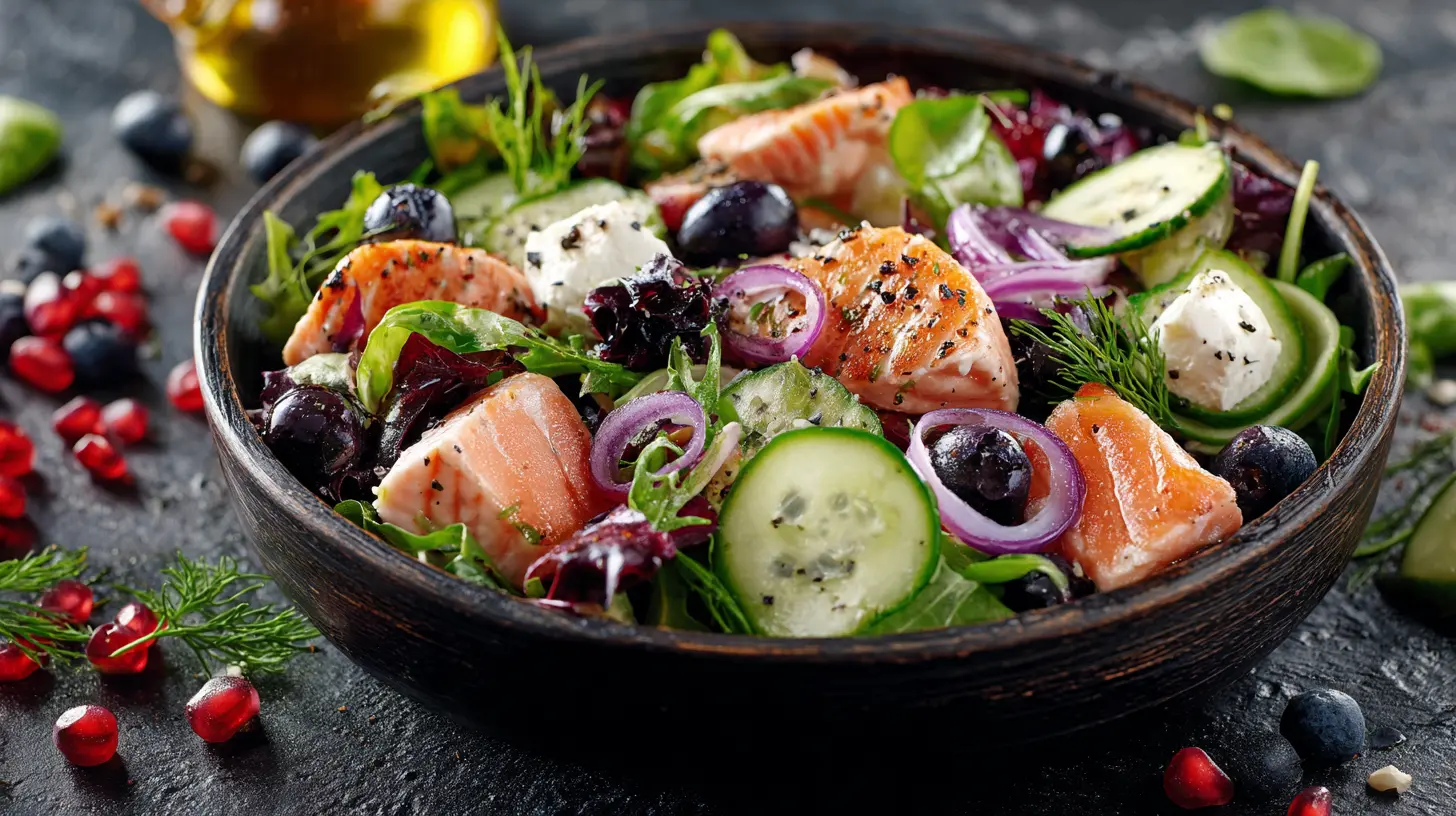
Most people assume salad is about vegetables. It is actually about contrast. A good salad balances fat against acid, sweet against bitter, soft against crunchy, and rich against fresh. When you understand those axes, you realize that almost any ingredient can belong in a salad if it is placed correctly.Consider a classic example: watermelon and feta. On paper it sounds odd. In practice it works because the watermelon brings sweetness and water, the feta brings salt and fat, and a little mint or lime adds aroma and acid. Nothing about that logic is limited to watermelon or feta. The same principle explains why pear and blue cheese works, why grapefruit and avocado works, and why roasted beets and yogurt works.
There is also a practical reason to experiment. Salads are low-risk. If a combination fails, you have lost a few ingredients and ten minutes. Compare that to a failed braise, which costs you an afternoon. This makes salad the ideal place to test flavor ideas you would never gamble a main course on.
Finally, unusual salads solve a real problem: palate fatigue. The same three dressings and the same five vegetables get old. Introducing one unexpected element, whether it is a fruit, a pickle, a grain, or a cured meat, resets your attention. That is why the most memorable salads at restaurants are rarely the most complicated. They are the ones with one ingredient you did not expect.
The Core Framework: How to Judge Any Pairing Before You Make It
Before trying any combination in this article, or inventing your own, run it through a short checklist.Balance of the five basic tastes. You want at least three of these present: salty, sweet, sour, bitter, umami. A salad with only salty and sour tastes sharp and flat. Add something sweet or rich and it rounds out.
Texture contrast. A salad of all soft ingredients feels like baby food. A salad of all crunchy ingredients feels like eating gravel. Aim for two or three distinct textures.
Fat and acid ratio. Fat carries flavor. Acid cuts through it. If your salad has cheese, nuts, avocado, or oily dressing, it needs enough acid to keep it from feeling heavy.
Temperature and moisture. Wet ingredients dilute dressing. If you add tomatoes, cucumber, or melon, either salt and drain them first or dress the salad at the last moment.
Intensity matching. A delicate butter lettuce cannot stand up to aged gouda and anchovy. A sturdy kale can. Match the assertiveness of your ingredients or the mild ones will disappear.
If a combination passes these five checks, it is probably worth trying. If it fails two or more, rethink it before you waste the ingredients.
Fruit in Savory Salads: Beyond the Usual Strawberry and Spinach
Strawberries with spinach and poppy seed dressing has become so common it is barely unusual anymore. The more interesting territory is fruit that people do not associate with salad at all.Roasted Grapes, Walnuts, and Blue Cheese over Arugula
Roasting grapes concentrates their sugar and softens their skins until they burst. The result is jammy and slightly savory, closer to a condiment than a fruit. Paired with bitter arugula, toasted walnuts, and a sharp blue cheese, this salad hits every note. The grapes provide sweetness and warmth, the arugula provides bitterness, the walnuts provide crunch and earthiness, and the blue cheese provides salt and fat.Why it works: heat transforms the fruit's texture and flavor, so it no longer reads as dessert. The bitterness of the greens keeps the sweetness in check.
When to avoid it: if your blue cheese is very mild, the salad will taste flat. Use a cheese with real bite, such as roquefort or gorgonzola piccante.
Mango, Red Onion, and Chili with Cucumber
This is closer to a Southeast Asian style salad than a Western one, and that is the point. Ripe mango gives sweetness and softness. Thinly sliced red onion gives sharpness and crunch. Cucumber gives water and freshness. A dressing of lime juice, fish sauce, a little sugar, and sliced chili ties it together.Why it works: the fish sauce supplies umami and salt, which fruit-based salads usually lack. Without it, the salad tastes like a smoothie in a bowl.
A common mistake here is under-salting. Fruit is watery and sweet, and it needs salt to taste like food rather than candy.
Dried Figs, Prosciutto, and Bitter Greens
Dried fruit is underused in salads because people fear it will be too sweet. The fix is to pair it with something salty and something bitter. Figs, torn prosciutto, radicchio, and a balsamic dressing is a combination that tastes far more complex than its four ingredients suggest.Why it works: the chewiness of dried figs gives a texture that fresh fruit cannot. Prosciutto adds salt and fat. Radicchio adds bitterness. The balsamic bridges sweet and sour.
Trade-off: this salad is rich. It works as a starter or a side to grilled meat, not as a light lunch on its own.
Vegetables That People Do Not Expect in Salad
Some vegetables have been typecast. Corn is a side dish. Peas are frozen filler. Beets are a punishment. All of them can carry a salad if treated properly.Charred Corn, Cotija, and Lime
Corn straight from the cob, charred in a dry skillet until some kernels blacken, is a completely different ingredient from boiled corn. The char adds bitterness and smoke. Combined with crumbled cotija, cilantro, lime juice, and a little mayonnaise or yogurt, it becomes a salad that people eat with a spoon.Why it works: charring creates new flavor compounds through browning, which is the same reason grilled meat tastes different from boiled meat. The dairy adds fat and salt, and the lime keeps it bright.
When to use it: summer, when corn is sweet. Out of season, frozen corn can work if you dry it well and char it hard, but the result is noticeably less sweet.
Shaved Brussels Sprouts with Pecorino and Lemon
Raw Brussels sprouts, sliced paper thin, have a nutty, slightly mustardy flavor that disappears when you roast them. Tossed with lemon juice, olive oil, pecorino, and toasted almonds, they make a salad that is crunchy, salty, and sharp.Why it works: the raw sprout provides bitterness and crunch, the cheese provides salt and umami, and the lemon provides acid. It is essentially a cabbage slaw with more personality.
Practical note: slice them as thin as you can, or the salad will be tough. A mandoline helps, but a sharp knife and patience work too. Let the dressed salad sit for ten minutes before serving so the acid softens the sprouts slightly.
Roasted Beets with Yogurt, Dill, and Pistachio
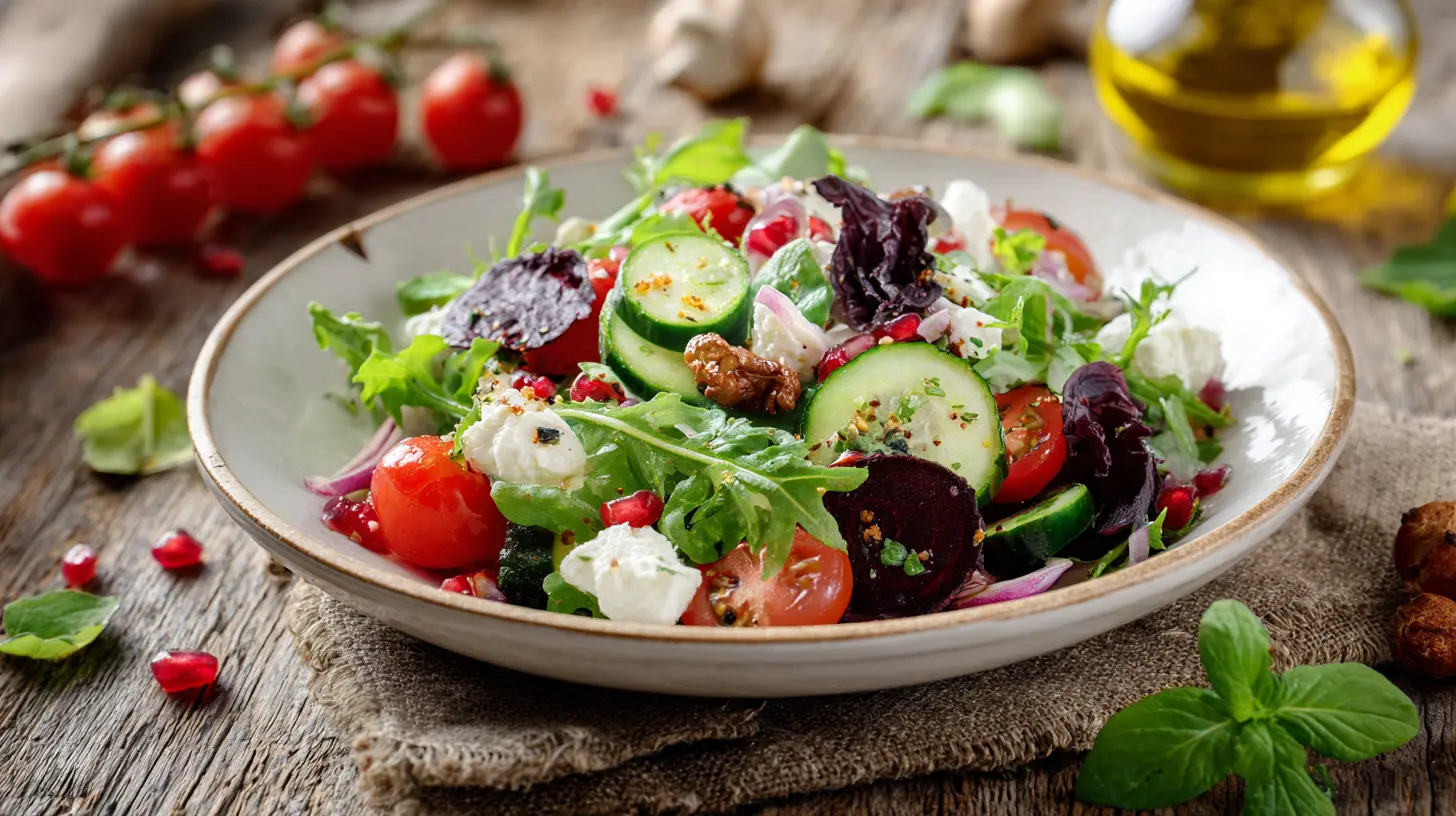
Beets have a reputation problem rooted in bad preparation. Canned beets are mushy and metallic. Roasted beets, cooled and cut into chunks, are sweet, earthy, and firm. Layered over thick yogurt with dill, crushed pistachios, and a drizzle of olive oil, they become something closer to a Middle Eastern mezze than a salad.Why it works: the yogurt provides acidity and coolness, which balances the sweetness of the beets. The pistachios provide crunch and salt. The dill provides freshness.
Common mistake: dressing the beets too early. Their pigment bleeds and turns everything pink. Keep the components separate until serving.
Grains, Legumes, and Starches as Salad Backbones
A salad does not have to be mostly leaves. Some of the most satisfying versions use grains or legumes as the base and treat vegetables as the garnish.Farro, Roasted Squash, and Sage Brown Butter
Farro is chewy and nutty. Roasted squash is sweet and soft. Sage browned in butter is aromatic and savory. Combined with a handful of arugula and a squeeze of lemon, this is a salad that eats like a meal.Why it works: the grain provides structure and chew, the squash provides sweetness, and the brown butter provides richness and aroma. The lemon keeps the butter from feeling heavy.
Trade-off: this is not a low-calorie salad. The butter is essential to the flavor, and substituting oil will change the dish significantly.
Lentils, Feta, and Pickled Onion
Lentils are earthy and dense. Feta is salty and creamy. Pickled onion is sharp and acidic. With a mustard vinaigrette and a handful of parsley, this salad improves as it sits, which makes it ideal for packing ahead.Why it works: the lentils absorb the dressing and become more flavorful over time. The pickled onion cuts through the density of the legumes. The feta adds salt and fat.
Best practice: use small lentils, such as French green or beluga, which hold their shape. Large brown lentils tend to fall apart and turn the salad muddy.
Warm Potato, Anchovy, and Celery
This is essentially a warm potato salad without mayonnaise, closer to a Ligurian-style dish. Boiled potatoes, sliced celery, chopped anchovy, olive oil, lemon, and parsley.Why it works: the anchovy dissolves into the oil and provides a deep savory background that you notice without identifying. The celery provides crunch and a clean, slightly bitter edge. The potato provides substance and absorbs the dressing.
When to avoid it: if you or your guests dislike anchovy, do not try to hide it. The flavor is central, not subtle.
Dressings That Change Everything
Sometimes the unusual element is not the ingredient but the dressing. A familiar salad with an unexpected dressing feels new.Miso and Tahini
Miso provides fermented umami and salt. Tahini provides sesame bitterness and creaminess. Together with lemon and a little maple syrup, they make a dressing that works on almost any sturdy green, from kale to romaine.Why it works: the combination covers salty, sour, bitter, and sweet in one spoonful. It is also thick enough to cling to leaves rather than pooling at the bottom of the bowl.
Practical tip: thin it with warm water, not cold. Cold water makes tahini seize and turn grainy.
Anchovy and Garlic
This is essentially a loose version of the Italian bagna cauda. Warm olive oil, chopped anchovy, sliced garlic, and lemon. Poured over bitter greens such as escarole or chicory, it wilts them slightly and makes them silky.Why it works: warm dressing softens sturdy greens and releases their aroma. The anchovy and garlic provide depth that cold vinaigrette cannot.
When to use it: with assertive greens. Delicate lettuce will collapse into mush.
Yogurt and Herb
Thick yogurt, lemon, garlic, salt, and a large amount of chopped herbs, such as mint, dill, and cilantro. This is less a dressing than a sauce, and it works best spooned under the salad rather than tossed through it.Why it works: the yogurt provides acid and fat without the sharpness of vinegar. The herbs provide freshness that balances rich toppings such as roasted vegetables or lamb.
Common Mistakes When Building Unusual Salads
Adding too many unusual ingredients at once. One or two surprises per salad is enough. Three or four and the flavors compete until nothing reads clearly.Skipping salt until the end. Salt changes texture by drawing out water and softening firm ingredients. Add it in layers, not just at the table.
Dressing too early. Acid breaks down cell walls and turns crunchy vegetables limp. Dress at the moment of serving unless the recipe specifically calls for marinating.
Ignoring the role of fat. Fat carries aroma and rounds out sharpness. If your salad tastes harsh, the problem is usually not enough fat, not too much acid.
Assuming healthy means low-fat. Many vitamins, including A, D, E, and K, are fat-soluble. A salad with no fat at all is a salad your body cannot fully use.
Overchopping. Uniform, tiny pieces look tidy but lose texture. Leave some ingredients in larger pieces so each bite varies.
How to Invent Your Own Combinations
Start with a base. Choose one of the following: leaves, grains, legumes, or a firm vegetable such as cabbage or cucumber.Add one sweet element. Fruit, dried fruit, roasted squash, or a touch of honey in the dressing.
Add one salty or savory element. Cheese, cured meat, anchovy, olives, or miso.
Add one crunchy element. Nuts, seeds, toasted breadcrumbs, fried shallots, or raw sliced vegetables.
Add one fresh element. Herbs, citrus zest, or something raw and bright.
Then dress it with fat, acid, and salt. Taste it before serving. If it tastes flat, it usually needs acid or salt. If it tastes harsh, it needs fat or sweetness. If it tastes boring, it needs aroma, which usually means herbs, zest, or something toasted.
This framework is not a rule. It is a way to think. Once you use it a few times, you will start to predict which combinations will work before you make them.
Final Thoughts
The most interesting salads are not the ones with the longest ingredient lists. They are the ones where each element has a job. A fruit brings sweetness. A cheese brings salt and fat. A bitter green brings balance. A toasted nut brings crunch. When every part earns its place, the result tastes intentional rather than random.Unusual combinations are worth trying not because they are strange, but because they expand what salad can be. A salad can be a side dish, a main course, a dessert-adjacent treat, or a way to use up what is in your refrigerator. The only real requirement is balance.
Start with one unexpected ingredient. See how it changes the bowl. Then try another. Over time, you will stop thinking of salad as a compromise and start thinking of it as one of the most versatile things you can make.
all images in this post were generated using AI tools
Category:
Healthy SaladsAuthor:

Jackson Mahoney