What Chefs Know About Salad Building That You Don’t
19 November 2026
Salads often get a bad rap. They're seen as the obligatory side dish or a last-minute effort to counterbalance the toppings on a pizza. But salads can be vibrant, exciting, and downright delicious when crafted with intention. Chefs, with their culinary expertise, know the secrets to building a salad that not only pleases the palate but also nourishes the body. Let's peel back the layers of salad building to reveal some culinary wisdom that can transform your greens from dull to dazzling.
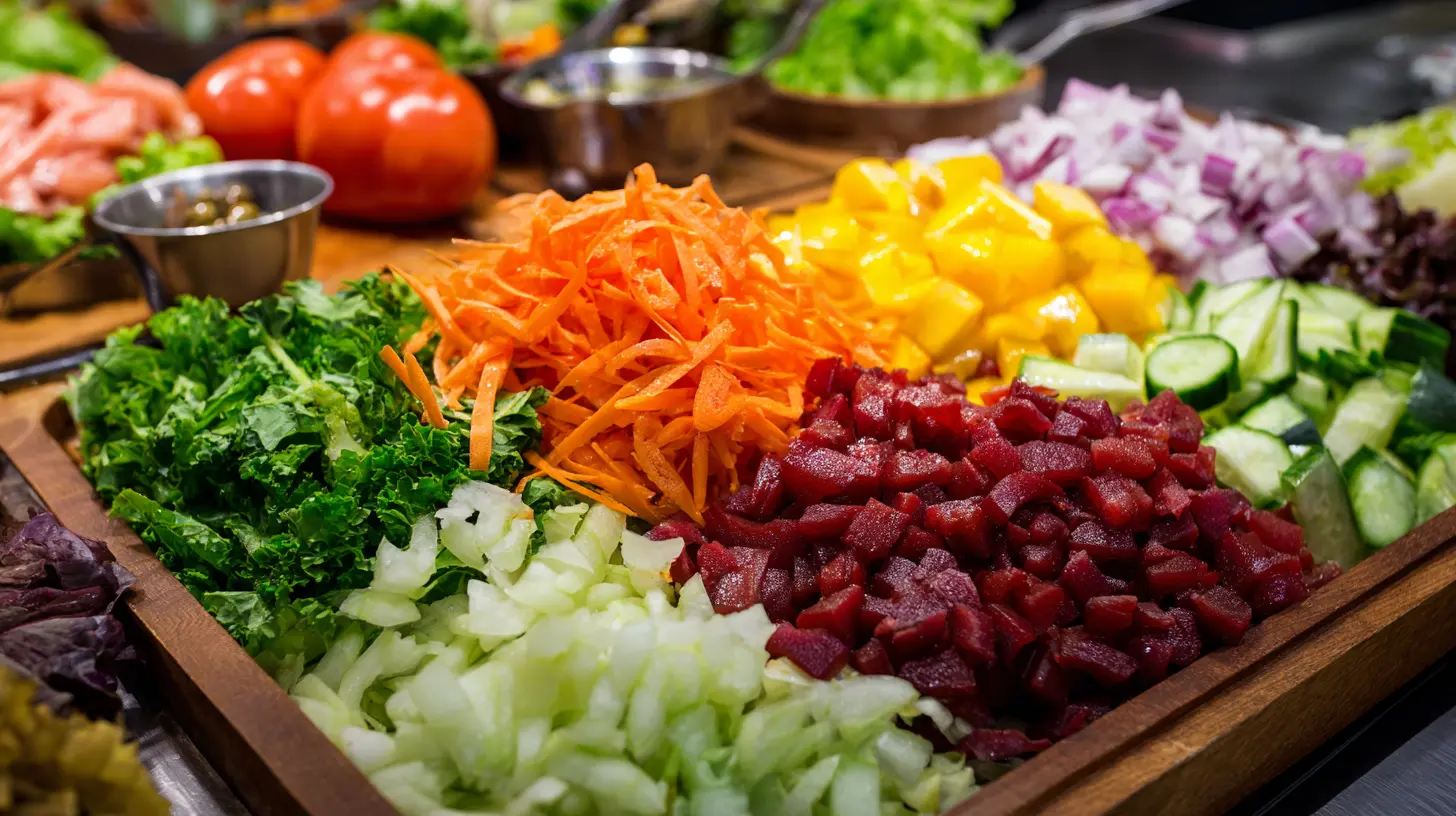
The Foundation: Greens Matter
One of the first things chefs consider is the base of any salad-the greens. Not all greens are created equal, and the choice can dramatically affect the overall flavor and texture of the dish.Leafy Greens: A World of Choices
When choosing greens, chefs often opt for a mix to add complexity. Here are some options to consider:- Romaine: Crisp and sturdy, romaine holds up well to dressings and toppings.
- Arugula: With its peppery bite, arugula adds a bold flavor that can enliven even the most mundane salad.
- Spinach: Mild and versatile, spinach works well in both fresh salads and cooked dishes.
- Kale: Tough and hearty, kale benefits from massaging or dressing to soften its texture.
Pro Tip: Mix textures and colors. A base of crunchy romaine combined with silky spinach and peppery arugula creates a multi-dimensional experience.
Common Mistake: Overlooking Freshness
Freshness is key. Chefs swear by using greens that are vibrant and crisp. Wilted or brown-edged leaves not only look unappetizing but can also affect the flavor. Always check for freshness, and if possible, buy from local farmers or markets where the greens are picked at their peak.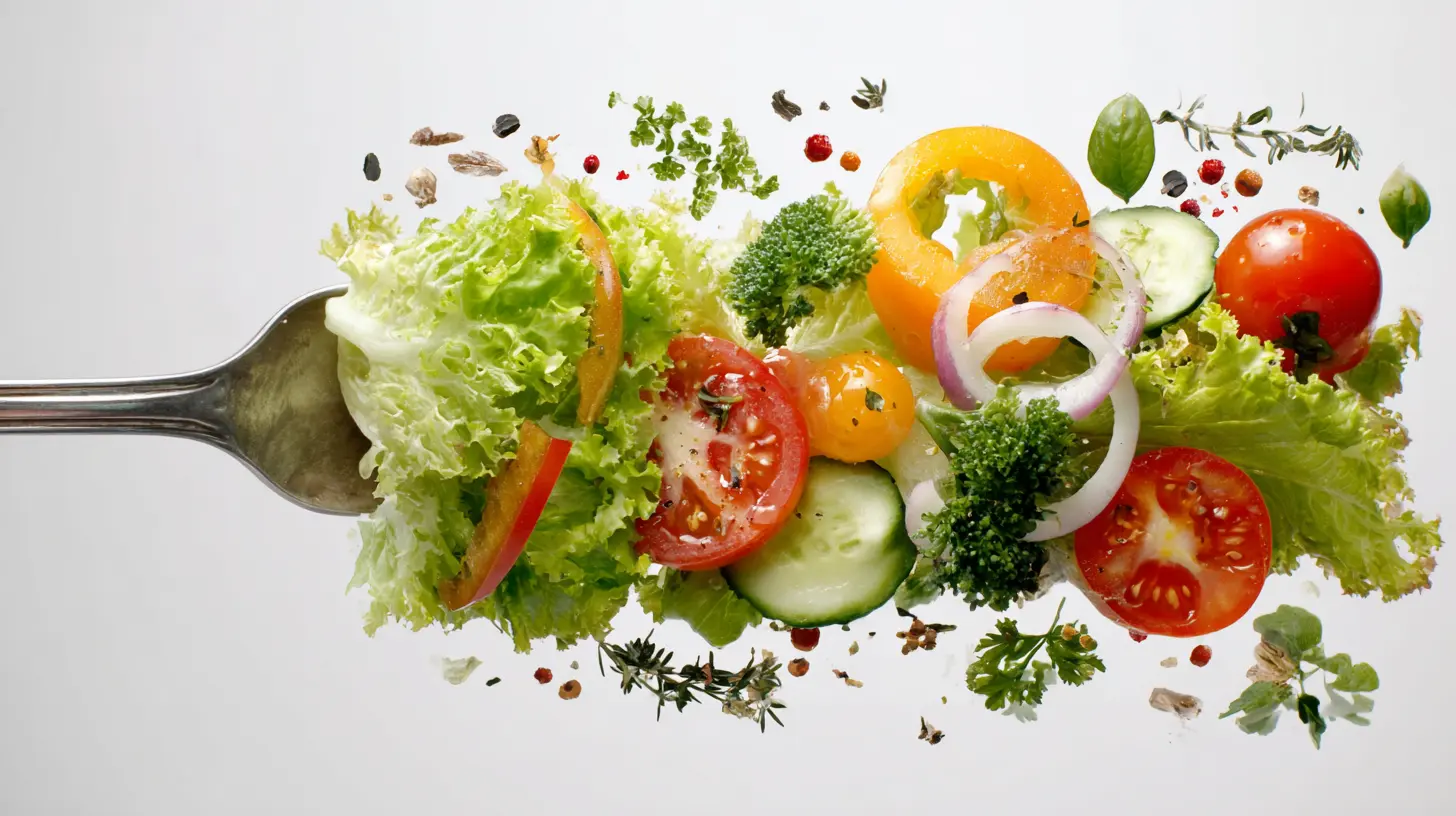
The Balance of Flavors
A great salad balances flavors: bitter, sweet, salty, and sour. Chefs excel at harmonizing these tastes, creating a dish that sings.Sweetness and Acidity
Consider the addition of fruits like strawberries, apples, or citrus segments. These bring a natural sweetness that can counterbalance bitter greens.- Example: A salad featuring arugula, sliced strawberries, and goat cheese provides a perfect sweet-tart contrast that delights the palate.
Acidity can come from dressings or pickled vegetables. A splash of vinegar or a squeeze of lemon can elevate the overall flavor profile.
Salinity
Salty elements, such as feta cheese or olives, can enhance the salad's depth. However, moderation is crucial. Too much salt can overwhelm the other flavors.Trade-Off: While salty components can enhance flavor, they may also increase sodium intake. If you're watching your salt, consider using fresh herbs or spices to enhance flavor without the sodium spike.
Texture: The Unsung Hero
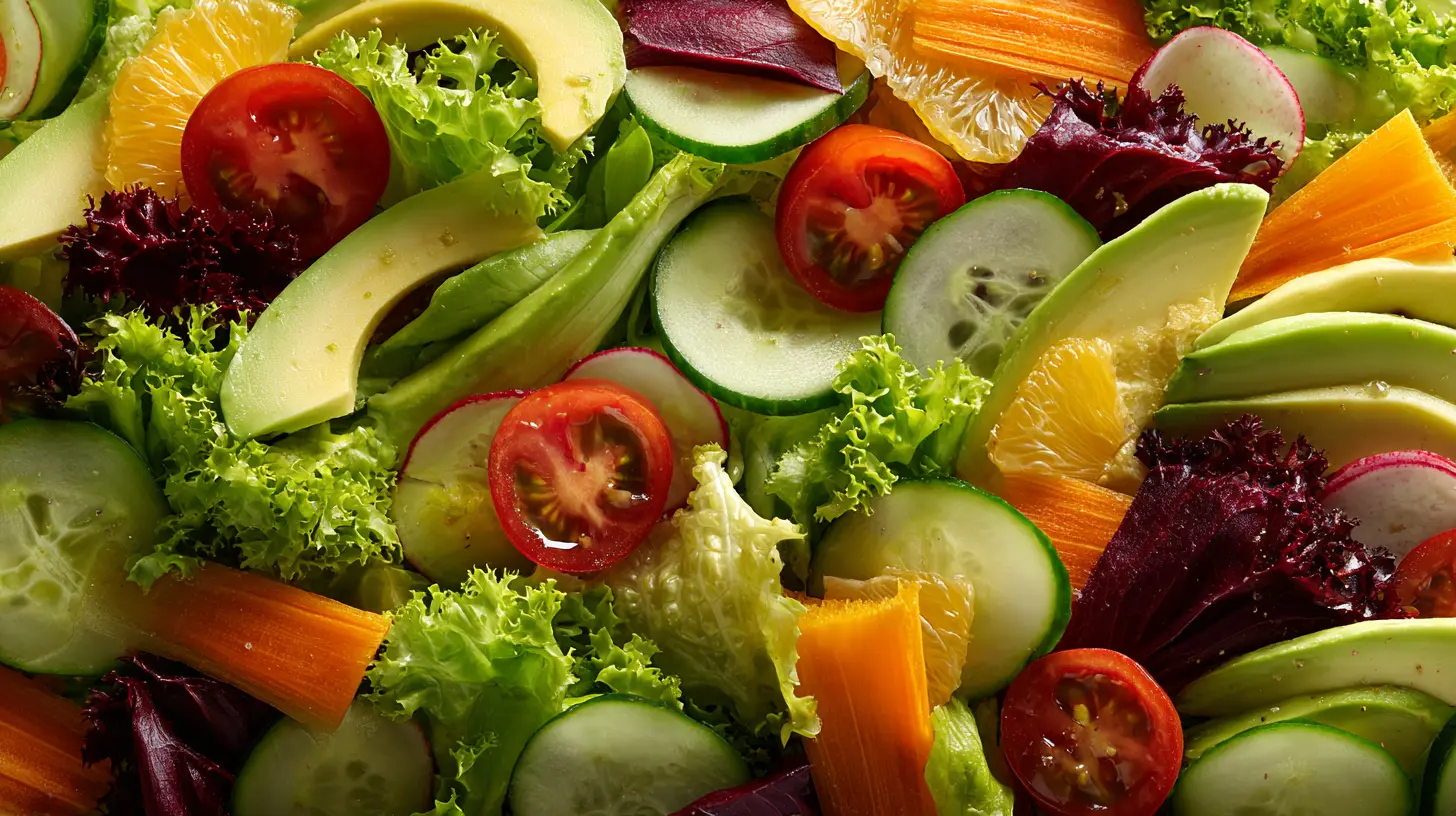
Texture is often an overlooked aspect of salad building. Chefs know that incorporating various textures can turn an ordinary salad into a sensational one.Crunch vs. Softness
Adding different textures keeps the mouth engaged. Consider including:- Crunchy elements: Nuts, seeds, or croutons can provide a satisfying crunch.
- Creamy components: Ingredients like avocado or creamy cheese add a smooth contrast.
Example: A salad with crunchy walnuts, creamy blue cheese, and crisp radishes offers a delightful interplay of textures.
Temperature Matters
Serving salads at the right temperature can also enhance the experience. A warm salad, like roasted vegetable salad, can provide comforting warmth while still being healthy.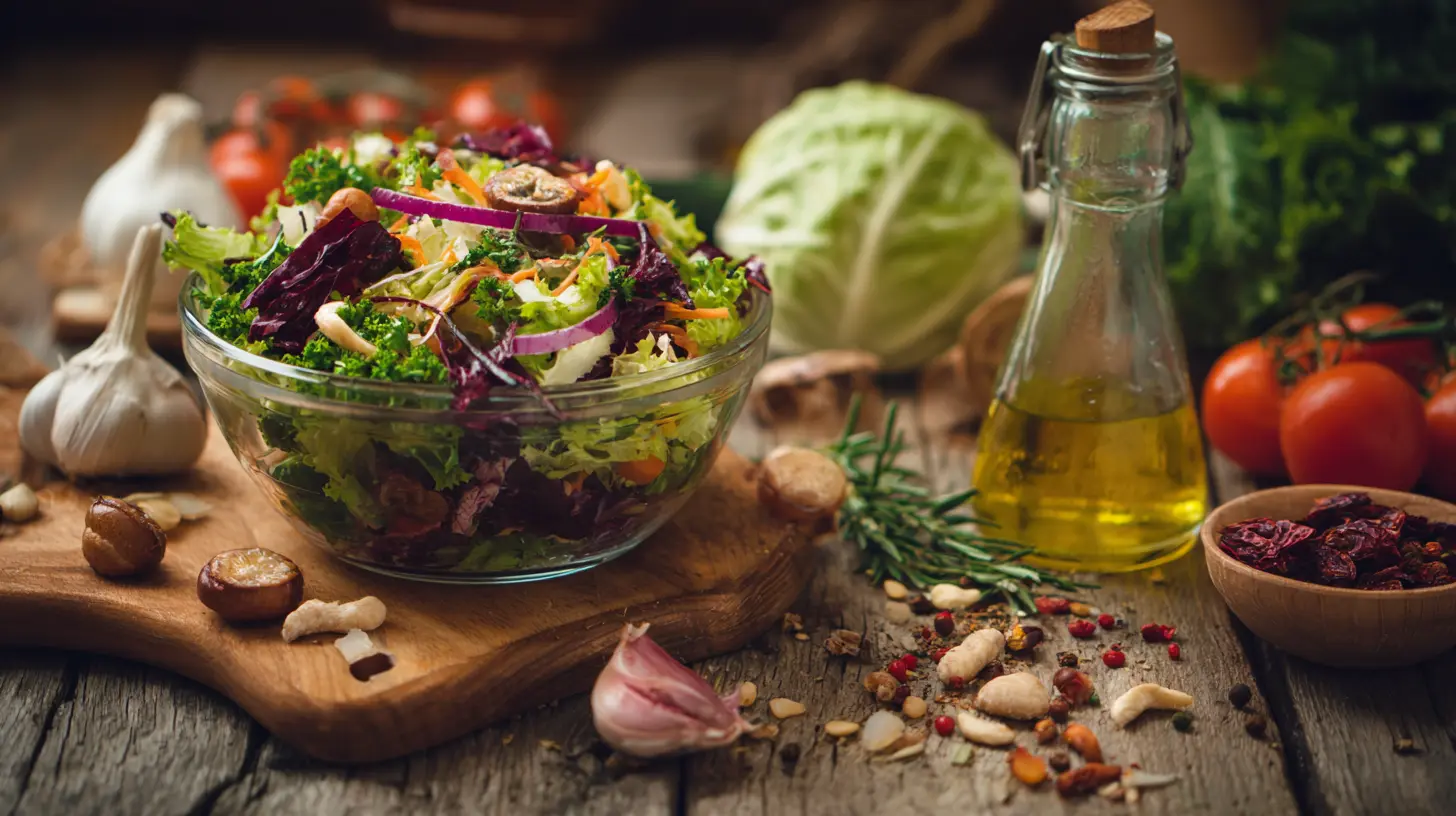
Dressings: The Finishing Touch
Ah, dressings-the final flourish that brings everything together. Chefs often have a signature dressing that elevates their salads.Homemade vs. Store-Bought
While store-bought dressings can be convenient, they often lack the freshness and flavor that homemade versions provide. Chefs commonly whip up simple dressings using basic ingredients.- Vinaigrette: A classic choice, blending oil, vinegar, and seasonings. The standard ratio is three parts oil to one part vinegar.
- Creamy Dressings: Yogurt or sour cream can be bases for richer dressings, perfect for heartier salads.
Best Practice: Always dress your salad just before serving to avoid sogginess. If making in advance, consider keeping the dressing on the side.
Flavor Profiles
Understanding flavor profiles is crucial. A light vinaigrette works beautifully with delicate greens, while a robust dressing pairs well with hardy ingredients.Comparison: A citrus vinaigrette complements a summer salad, while a balsamic reduction might enhance a fall-inspired dish featuring roasted squash.
Toppings: The Extra Mile
Toppings can make or break a salad. Chefs think beyond the standard options to add pizzazz.Proteins
Adding protein not only makes a salad more filling but also enhances its nutritional profile. Options include:- Grilled chicken: Adds a smoky flavor.
- Chickpeas: A great plant-based protein choice.
- Hard-boiled eggs: Provide richness and depth.
Consideration: Balance your proteins with the salad's overall theme. A Mediterranean salad pairs well with grilled shrimp, while a classic Caesar is complemented by chicken.
Herbs and Spices
Fresh herbs can elevate a salad's flavor. Chefs often incorporate herbs like basil, mint, or cilantro to add brightness.Common Misconception: Many believe dried herbs can replace fresh ones. While dried herbs can work in a pinch, they lack the vibrancy and freshness that comes from using herbs in their natural state.
Plating: The Art of Presentation
Chefs understand that how a salad looks can be just as important as how it tastes. Presentation can entice the diner before the first bite.Color and Arrangement
A colorful salad is visually appealing. Layering ingredients in a bowl or on a plate can create an artistic display.- Example: A rainbow salad with red beets, yellow peppers, green cucumbers, and purple cabbage not only looks stunning but also indicates a variety of nutrients.
Garnishes
Consider finishing touches like edible flowers or microgreens. This adds a touch of sophistication and a burst of flavor.Health Considerations: More Than Just Greens
While flavor and presentation are vital, chefs also think about nutrition.Balanced Nutrition
A well-built salad should be nutritionally balanced. Include a variety of food groups, such as:- Fruits and vegetables: For vitamins and minerals.
- Whole grains: Such as quinoa or brown rice for fiber.
- Healthy fats: From nuts and avocados.
Dietary Preferences
Be mindful of dietary restrictions. Offering gluten-free or vegan options can make your salad accessible to a broader audience.
Conclusion: Building Your Salad Masterpiece
Crafting a salad is an art form that combines flavor, texture, and nutrition. By understanding the fundamentals chefs use, you can create salads that not only satisfy but also impress. Remember to play with flavors, think about texture, and don't shy away from experimenting with ingredients.Whether you're building a simple weekday salad or a show-stopping centerpiece, the principles of salad crafting remain the same: balance, freshness, and creativity. Now you have the tools to elevate your salad game from boring to brilliant.
all images in this post were generated using AI tools
Category:
Healthy SaladsAuthor:

Jackson Mahoney