What Nutritionists Say About Eating Salads Daily
31 August 2026
Let's be honest. When someone says they eat a salad every day, you probably picture a person who has their life together. Maybe they do yoga at sunrise. Maybe they own a reusable straw. Maybe they have never screamed at a printer in their life.
But here is the thing. Nutritionists do not actually think salads are magic. We think they are a tool. A very useful tool, sure, but also one that people often misuse. I have spent over a decade counseling clients on their eating habits, and I can tell you that the daily salad is one of the most misunderstood meals in the modern diet. So let us talk about what really happens when you eat salad every day, why it works, why it sometimes fails, and how to do it without turning your kitchen into a sad produce graveyard.
The Salad Paradox: Why It Can Be Both Healthy and Unhealthy
Here is the first thing you need to understand. A salad is not a food. It is a format. You can put anything in a bowl and call it a salad. That means a daily salad can be the healthiest thing you eat all day, or it can be a calorie bomb with more saturated fat than a double cheeseburger. Both are true.I have seen clients who eat what they call a healthy salad for lunch every day. It has iceberg lettuce, shredded cheese, croutons, ranch dressing, and maybe some grilled chicken that was cooked in butter. They are proud of themselves. They are also confused why their cholesterol is going up.
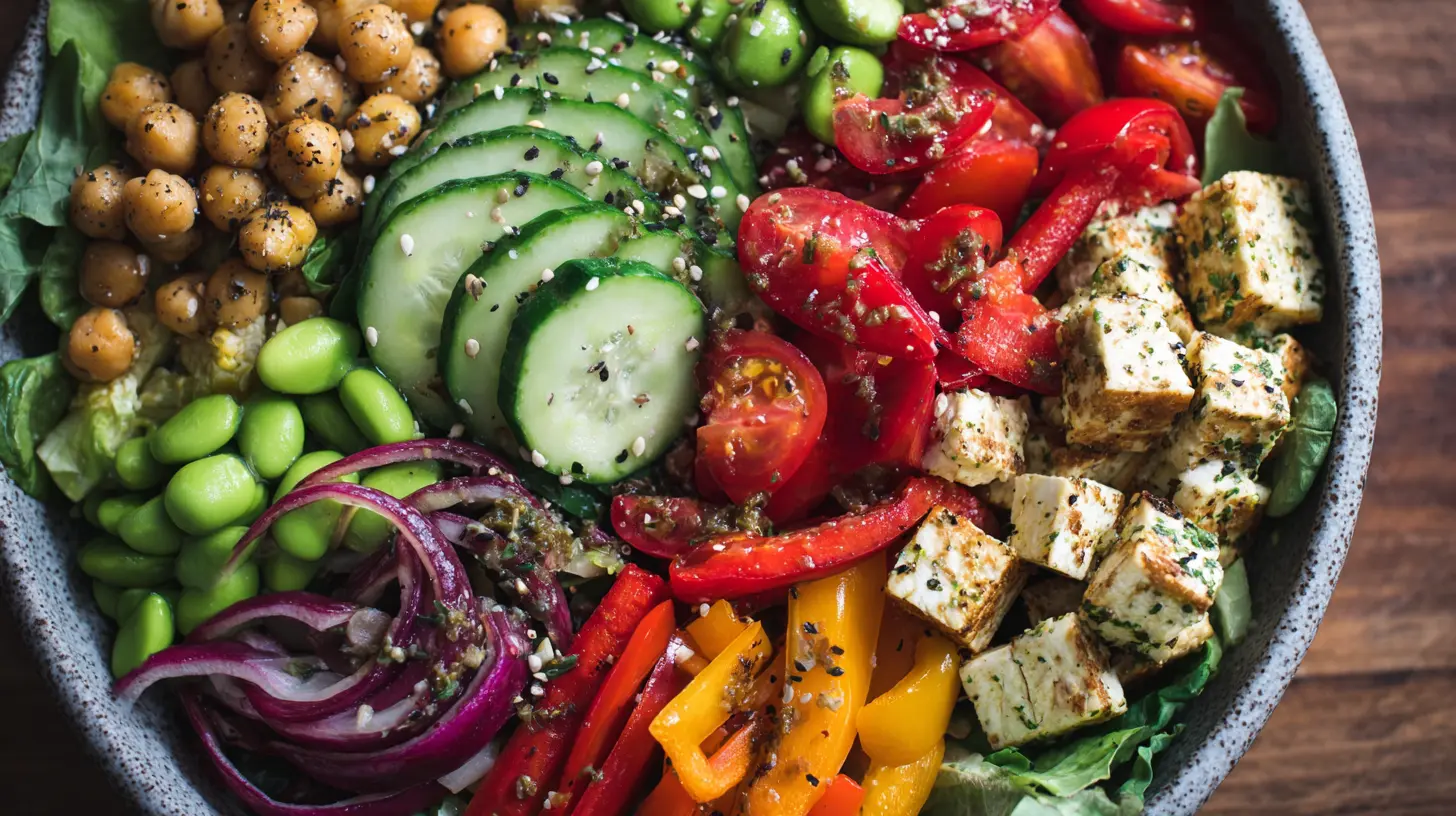
On the flip side, I have seen clients who eat a massive bowl of dark leafy greens, roasted sweet potatoes, chickpeas, walnuts, and a simple olive oil and lemon dressing. They feel fantastic. Their energy is stable. Their skin looks better. The difference is not the salad. The difference is the choices inside the bowl.
So when a nutritionist says eating salads daily is good, what we actually mean is that eating a well-constructed salad daily is good. That is a crucial distinction. And that is where most of the confusion begins.
The Real Benefits of a Daily Salad Habit
Let us talk about why this habit is worth your time in the first place. There are real, measurable benefits that go beyond just feeling virtuous.Volume Eating Without the Calorie Load
Most people struggle with portion control because they eat calorie-dense foods that do not fill them up. A salad flips that equation. A big bowl of leafy greens and crunchy vegetables takes up a lot of space in your stomach for very few calories. This is called volume eating, and it works. You feel full because your stomach is physically stretched, not because you ate a certain number of calories.The practical result is that you naturally eat less of other things later in the day. I have seen clients who start a daily salad habit and drop a few pounds in the first month without changing anything else. That is not because salads burn fat. It is because they crowd out the chips and the second helping of pasta.
Fiber, Fiber, and More Fiber
The average American gets about 15 grams of fiber a day. The recommended amount is between 25 and 38 grams. That is a massive gap. Salads are one of the easiest ways to close it.Fiber does a lot of heavy lifting. It slows down digestion, which keeps your blood sugar stable. It feeds the good bacteria in your gut, which affects everything from your mood to your immune system. And it helps you feel satisfied after a meal. A salad with beans, nuts, seeds, and vegetables can easily deliver 10 to 15 grams of fiber. That is half your daily goal in one meal.
But here is the catch. If your salad is just lettuce and tomatoes, you are getting maybe 2 grams of fiber. That is not nothing, but it is also not the game changer that people expect. The fiber benefit only shows up when you build the salad with intention.
Micronutrients You Are Probably Missing
Let us talk about the vitamins and minerals that most people do not get enough of. Potassium, magnesium, vitamin C, vitamin K, and folate are all common shortfalls in the standard diet. A daily salad gives you a reliable delivery system for all of them.Dark leafy greens like spinach and kale are packed with vitamin K, which is important for bone health and blood clotting. Bell peppers are loaded with vitamin C. Beets and leafy greens provide magnesium and potassium, which help with blood pressure and muscle function. The variety of plant compounds in a salad also acts as a sort of antioxidant insurance policy. You are not relying on one superfood. You are getting a broad spectrum of protective compounds that work together.
The Hydration Bonus
This one surprises people. Vegetables are mostly water. A salad with cucumbers, tomatoes, celery, and lettuce can contribute a meaningful amount of fluid to your daily intake. Many people walk around chronically dehydrated without realizing it. They feel tired, get headaches, and have dry skin. A daily salad does not replace drinking water, but it definitely helps.
Why Your Salad Might Be Making You Worse Off
Now for the uncomfortable part. There are several ways that a daily salad habit can backfire. I see these mistakes constantly, and they are worth addressing head on.The Dressing Trap
Store-bought dressings are the single biggest problem I see. A typical ranch or Caesar dressing has about 120 to 150 calories per two tablespoons. Most people pour on four to six tablespoons without thinking. That is 300 to 450 calories before you even eat the salad. Many commercial dressings also use soybean oil, added sugar, and preservatives that do nothing good for you.The solution is not to go dry. Fat is actually important for absorbing fat-soluble vitamins like A, D, E, and K. The solution is to control the dressing. Use a simple vinaigrette made with olive oil, vinegar, mustard, and a pinch of salt. Or use plain yogurt with herbs. Or just use less of the good stuff. Two tablespoons of extra virgin olive oil is plenty for a large salad.
The Crunchy Topping Illusion
Croutons, tortilla strips, crispy noodles, and fried onion bits are all just refined carbohydrates fried in oil. They add crunch, sure. They also add empty calories and a lot of sodium. A handful of croutons can easily add 100 calories and 200 milligrams of sodium. That is not the end of the world, but it is not helping your health goals either.If you want crunch, use seeds, nuts, or roasted chickpeas. These give you the texture you crave along with fiber, healthy fats, and protein. It is a straight upgrade with no downside.
The Protein Problem
A salad without protein is a snack, not a meal. If you eat a lettuce and vegetable salad for lunch and then wonder why you are starving by 3 PM, this is why. Protein is the most satiating macronutrient. It keeps you full, stabilizes your blood sugar, and supports muscle maintenance.The fix is simple. Add a palm-sized portion of protein to every salad. Grilled chicken, canned tuna, hard-boiled eggs, tofu, tempeh, beans, lentils, or edamame all work. If you are vegetarian, beans and quinoa are your best friends. If you are not, eggs and chicken are the easiest options.
The Boredom Factor
Here is the real reason most daily salad habits die. Boredom. People eat the same salad every day for two weeks, then suddenly they cannot look at another leaf of romaine. They quit entirely and go back to burgers.The fix is variety, but not in the way you might think. You do not need fifty different recipes. You need a system. Change the protein, change the dressing, change the greens, change the toppings. That is four variables. Even if you only have three options for each, that is eighty-one different combinations. You will never get bored if you rotate.
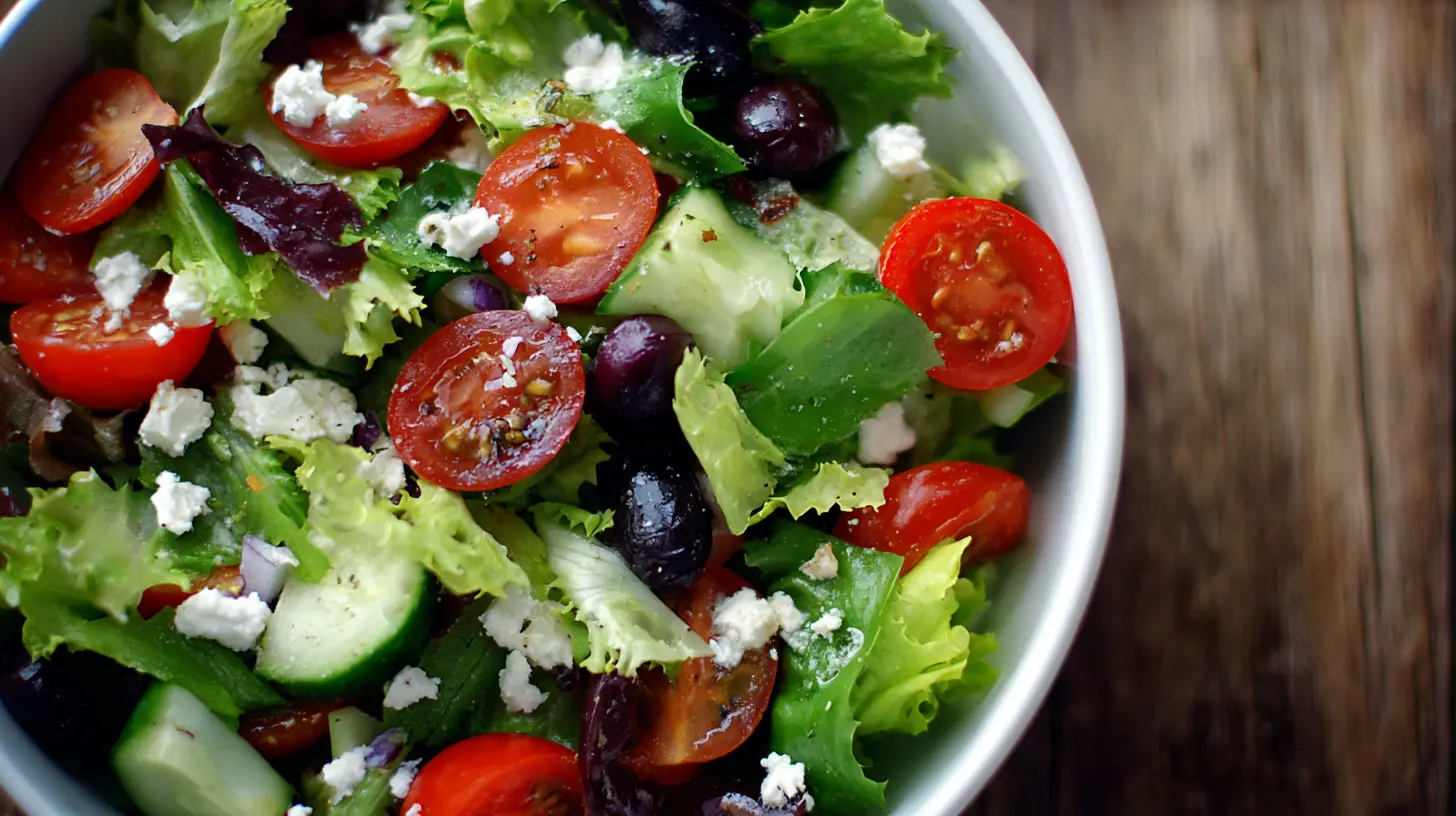
The Right Way to Build a Daily Salad
Let me give you a framework that actually works. This is not a recipe. It is a formula that you can adapt to whatever you have in your fridge.Start With a Sturdy Base
Use a mix of greens. Do not just use one type. Baby spinach, arugula, romaine, and kale all have different textures and nutrient profiles. A mix keeps things interesting and gives you a broader range of nutrients. If you use kale, massage it with a little olive oil and salt first. It breaks down the tough fibers and makes it much more pleasant to eat.Add a Rainbow of Vegetables
The more colors, the better. Red bell peppers, shredded carrots, cherry tomatoes, cucumber, red onion, radishes, shredded cabbage, and broccoli slaw all work. Aim for at least three different vegetables beyond your greens. This is where the fiber and micronutrients come from.Include a Starchy Element
This is the part that many people skip, and it is a mistake. A small portion of roasted sweet potato, quinoa, farro, or even corn adds texture and helps make the salad satisfying. It also provides resistant starch, which feeds your gut bacteria. You do not need much. A quarter to a half cup is plenty.Add Protein
This is non-negotiable. As I said earlier, you need protein to make this a real meal. Grilled chicken, salmon, canned beans, or eggs. If you are in a rush, a can of tuna or a few slices of deli turkey work fine. The goal is at least 20 grams of protein in the salad.Top With Healthy Fats
Avocado, nuts, seeds, or a good olive oil dressing. Fats help you absorb nutrients and keep you full. A quarter of an avocado or a tablespoon of pumpkin seeds is a reasonable amount. Do not go overboard, but do not skip it either.Dress It Yourself
Homemade vinaigrette takes thirty seconds. Olive oil, vinegar, a little mustard, salt, and pepper. Shake it in a jar and pour. It tastes better than anything from a bottle, and you control exactly what goes in it.The Timing Question: When Should You Eat Your Salad?
There is no universal best time to eat a salad. It depends on your schedule and your digestion. But there are some practical considerations.Salad for Lunch
This is the most common approach, and it makes sense. A lunch salad gives you energy for the afternoon without the heavy, sluggish feeling that comes from a burger and fries. The key is to make it substantial enough to carry you through the day. If you eat a light salad for lunch, you will be ravenous by 4 PM and eat everything in sight. That defeats the purpose.Salad as a Dinner Side
Many people do well with a salad before or alongside dinner. It fills you up with vegetables first, so you naturally eat less of the main course. This works especially well if you are trying to manage your weight. The downside is that you might be too tired at the end of the day to actually assemble a salad. That is when prepping ahead becomes useful.Salad for Breakfast
This is unusual, but I have seen it work for some clients. A breakfast salad with eggs, avocado, and greens is surprisingly satisfying. It is not for everyone, but if you are tired of oatmeal and eggs, it is worth trying. The combination of protein, fat, and fiber sets you up for a stable blood sugar morning.
Common Misconceptions About Daily Salads
Let me clear up some myths that refuse to die.Myth: Raw Vegetables Are Always Better Than Cooked
This is not true. Cooking vegetables can increase the availability of certain nutrients. Lycopene in tomatoes is better absorbed when cooked. Beta-carotene in carrots is also more bioavailable after cooking. On the other hand, raw vegetables retain more vitamin C and some B vitamins, which are heat-sensitive.The best approach is to eat both. Your daily salad can include some raw vegetables and some roasted or steamed ones. You get the benefits of both preparation methods.
Myth: Iceberg Lettuce Is Useless
Iceberg gets a bad reputation because it is mostly water. That is true. It has very few nutrients compared to spinach or kale. But it is not useless. It provides hydration, crunch, and volume. If the choice is between a salad with iceberg and no salad at all, iceberg wins. Just do not make it your only green.Myth: Salad Dressing Is Always Bad
This is wrong. Fat is necessary for nutrient absorption. A salad with zero fat means your body cannot absorb the fat-soluble vitamins in the vegetables. The problem is not dressing. The problem is the type and amount. Olive oil, avocado oil, or a yogurt-based dressing are all fine choices. The issue is the sugar-laden, industrial seed oil dressings that dominate the supermarket shelves.Myth: You Need Expensive Ingredients
This one makes me laugh. Some of the most nutrient-dense salad ingredients are cheap. Cabbage, carrots, canned beans, frozen peas, and eggs are all affordable and work great in salads. You do not need goji berries, hemp hearts, or imported microgreens. Those are nice, but they are not necessary. A simple salad with basic ingredients is better than an elaborate one you only make once a month.The Social and Practical Side of Daily Salads
Let us be realistic. Eating a salad every day requires some effort. You need to buy fresh produce regularly. You need to wash and chop things. You need to store them properly so they do not go bad. This is where most people fall off the wagon.Meal Prep Without Losing Your Mind
The key is to prep ingredients, not entire salads. Wash and chop your greens, store them in a container with a paper towel to absorb moisture. Chop your vegetables and keep them in separate containers. Cook a batch of protein on Sunday. Make a jar of dressing that lasts a week. Then, when you want a salad, it takes five minutes to assemble.Eating Out and Social Situations
You cannot always control what you eat. When you go out to a restaurant, a salad can be a healthy choice, or it can be a disaster. Ask for dressing on the side. Ask for no croutons. Ask if they can add extra vegetables or a protein. Most places are happy to accommodate.When you are at a friend's house for dinner, do not be the person who brings their own salad. That is weird. Just eat what is served and get back on track the next day. The daily habit is about consistency over the long term, not perfection every single day.
When a Daily Salad Is Not a Good Idea
I want to be balanced here. There are situations where eating a salad every day is not the right call.If You Have a History of Disordered Eating
For some people, focusing on salads can be a slippery slope into restrictive eating. If you have struggled with orthorexia or other disordered patterns, a rigid daily salad rule might not be healthy for you. In that case, you are better off working with a professional to develop a more flexible approach.If You Have Digestive Issues
Raw vegetables are high in fiber, which is great for most people. But if you have irritable bowel syndrome or other digestive sensitivities, a large raw salad can cause bloating, gas, and discomfort. Cooking your vegetables or choosing lower-FODMAP options can help. Listen to your body. If salads make you feel terrible, they are not helping you.If You Are Trying to Gain Weight
If you are underweight or trying to build muscle, a daily salad can work against you. Salads are filling but low in calories. You might not be able to eat enough to meet your energy needs. In that case, eat salads occasionally, but focus on calorie-dense foods like nuts, seeds, avocados, whole grains, and lean proteins.The Bottom Line
Eating a salad every day is a good habit for most people. It is not magic. It is not a cure-all. But it is a reliable way to get more fiber, vitamins, minerals, and water into your diet while naturally reducing your intake of less healthy foods.The key is to build your salad the right way. Use a variety of greens. Add colorful vegetables. Include protein and healthy fats. Skip the sugary dressings and fried toppings. Prep ahead so it is easy. And rotate your ingredients so you do not get bored.
If you do that, a daily salad will do more for you than most other single dietary changes. It will help you feel fuller, digest better, have more stable energy, and support your long-term health in ways that are hard to measure but impossible to ignore.
So go ahead. Eat the salad. Just make it a good one.
all images in this post were generated using AI tools
Category:
Healthy SaladsAuthor:

Jackson Mahoney
Discussion
rate this article
1 comments
Katie McFarland
Daily salads whisper health, vibrant greens dance on the plate... nourish life.
September 7, 2026 at 4:25 AM
Jackson Mahoney
Absolutely! Daily salads are a simple way to boost health and bring color to our meals. It's all about those fresh ingredients.