What to Eat With Salads to Stay Full Longer
28 September 2026
A salad can be the most satisfying meal of your day, or it can leave you rummaging through the pantry forty minutes later. The difference rarely comes down to willpower. It comes down to what you put next to the leaves.
Most people treat salad as a light option by default. That assumption is the problem. Lettuce, cucumber, and a splash of vinaigrette deliver volume and crunch but very little of what actually signals fullness to your body. If you want a salad that holds you until your next meal, you need to think about satiety signals, not just calorie counts.
This article breaks down what to pair with salads, why those pairings work, and how to build combinations that keep you full without turning a salad into a heavy, sluggish plate of food.
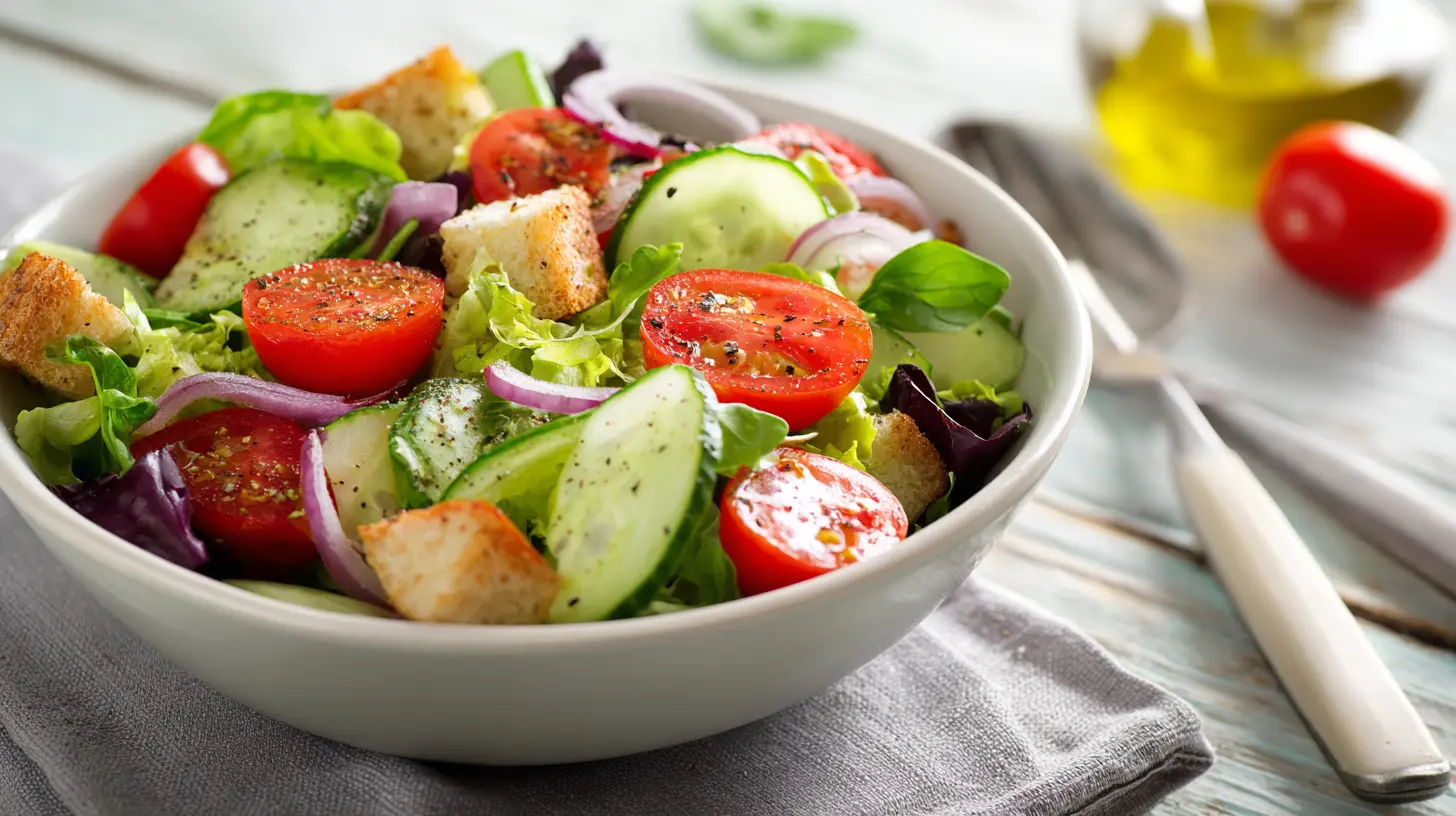
Why Most Salads Fail at Keeping You Full
Before choosing toppings, it helps to understand what fullness actually is. Satiety is not one signal. It is a conversation between your stomach, your gut, your blood sugar, and your brain. Several things influence how long that conversation lasts:- Physical stretch of the stomach from volume
- Slower stomach emptying, which keeps food in the digestive tract longer
- Hormonal signals released when protein, fat, and fiber reach the intestines
- Blood sugar stability, which prevents the crash-and-crave cycle
- Sensory satisfaction, which affects how psychologically "done" you feel after eating
A bowl of greens with a light dressing mostly delivers volume. That is one signal out of five. It is why a big salad can feel filling while you are eating it and then vanish from your awareness an hour later.
The fix is not to abandon salads. It is to add the missing signals.
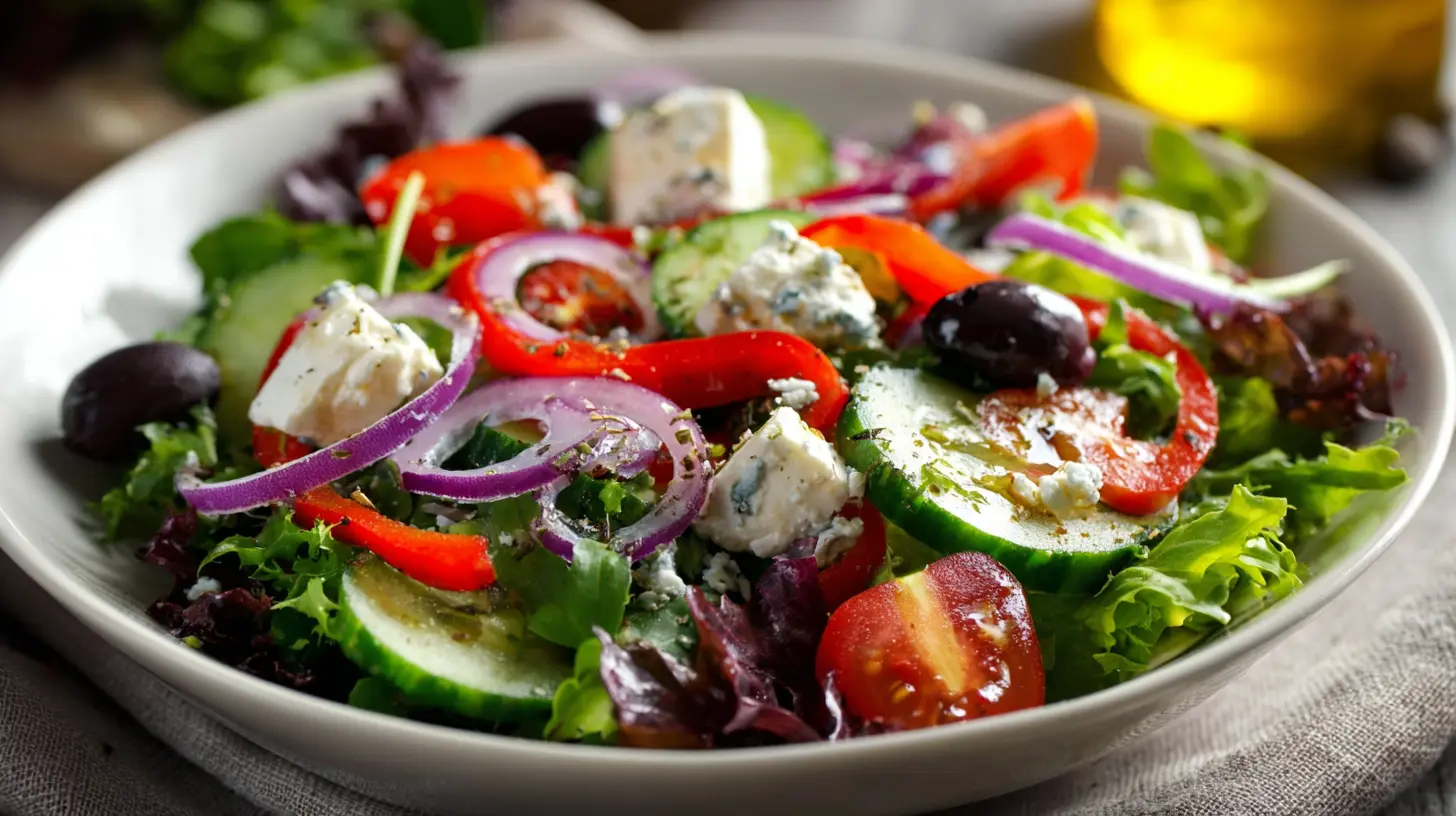
The Four Pillars of a Filling Salad
Every satisfying salad tends to hit four categories. You do not need all four in perfect amounts, but the more you include, the more durable your fullness becomes.1. Protein
Protein is the strongest single driver of satiety. It slows stomach emptying, triggers fullness hormones, and helps preserve muscle mass, which matters for long-term metabolic health. A salad without protein is essentially a side dish.2. Fat
Fat slows digestion and makes meals feel richer, which increases sensory satisfaction. It also helps you absorb fat-soluble vitamins like A, D, E, and K from the vegetables themselves. A salad with no fat is not just less filling, it is also less nutritious in practice.3. Fiber
Fiber adds bulk, feeds gut bacteria, and slows the release of glucose into the bloodstream. Different types of fiber do different jobs, which is why variety matters more than chasing a single number.4. Complex Carbohydrates
This is the pillar most people skip, and it is often the reason a salad fails. A small amount of starch or intact whole grain adds staying power and prevents the low-energy feeling that sends you looking for a snack.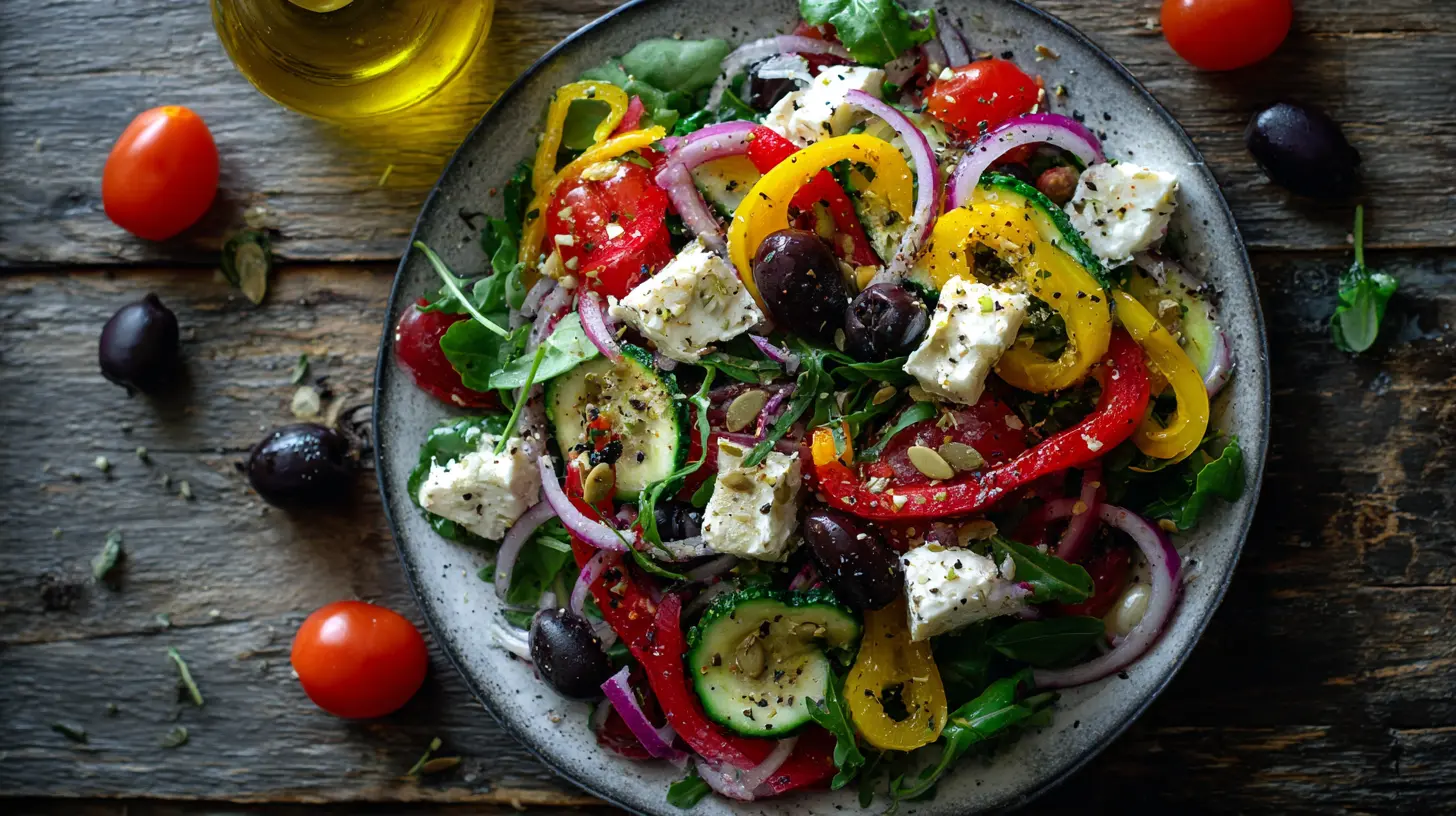
Protein Options That Actually Keep You Full
Protein is where most salads either succeed or fall apart. Here is how common options compare in practice.Chicken and Turkey
Grilled or roasted chicken is the default for good reason. It is lean, neutral in flavor, and works with nearly any dressing. The trade-off is that very lean poultry can feel dry and unsatisfying if it is not paired with fat. A drizzle of olive oil or a few slices of avocado solves this.Fish and Seafood
Salmon, tuna, sardines, and shrimp bring protein plus omega-3 fats, which add both satiety and anti-inflammatory value. Canned sardines or tuna in olive oil are one of the most underrated salad proteins. They are cheap, shelf-stable, and require no cooking. The main downside is smell and texture, which not everyone enjoys.Eggs
Two or three hard-boiled or soft-boiled eggs turn a salad into a real meal. Eggs are one of the most satiety-dense foods per calorie. They also add fat and a creamy texture that reduces the need for heavy dressing.Legumes
Chickpeas, lentils, black beans, and edamame deliver protein and fiber at the same time. This combination is powerful for fullness. The trade-off is that legumes also bring carbohydrates, which matters if you are managing blood sugar. For most people, that is a feature, not a bug.Tofu and Tempeh
Firm tofu, especially when pan-fried or baked, adds protein with a satisfying chew. Tempeh is fermented and slightly denser, with more protein per bite. Both absorb marinades well, which makes them flexible.Cheese
Cheese is a protein source and a fat source at once. Feta, goat cheese, parmesan, and cottage cheese all work. The caution is portion size. Cheese is calorie-dense and easy to overdo, and too much can make a salad feel heavy rather than satisfying.A Practical Protein Target
As a general guide, aim for roughly 20 to 30 grams of protein in a main-meal salad. That is about a palm-sized portion of meat, fish, or tofu, or a combination of smaller sources like eggs plus beans. If your salad has less than 15 grams, expect to be hungry soon.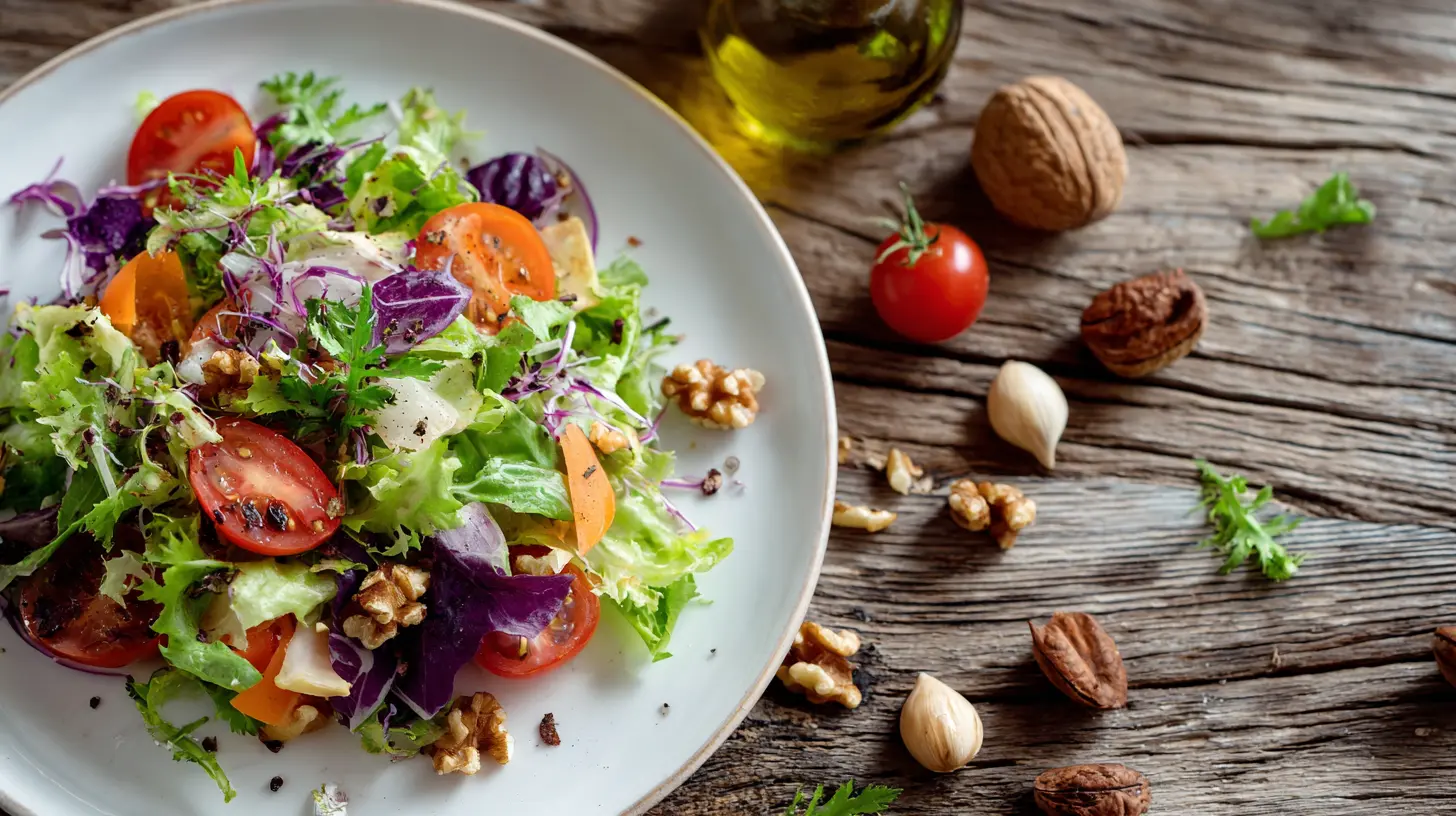
Fats That Add Staying Power Without Weighing You Down
Fat is the most misunderstood salad ingredient. People avoid it out of calorie fear, then wonder why they are hungry. The key is choosing fats that add flavor and function rather than just calories.Olive Oil
Extra virgin olive oil is the backbone of most dressings. It slows digestion, carries flavor, and supports absorption of fat-soluble nutrients. Two tablespoons is a reasonable starting point for a main-meal salad.Avocado
Avocado adds creaminess, fiber, and potassium. It is one of the few foods that contributes both fat and fiber, which makes it especially effective for fullness. Half an avocado is usually enough.Nuts and Seeds
Walnuts, almonds, pecans, pumpkin seeds, sunflower seeds, and sesame seeds add crunch, fat, and a small amount of protein and fiber. Toasting them intensifies flavor so you can use less. The trade-off is that nuts are easy to overeat by the handful, so measuring helps.Olives and Sun-Dried Tomatoes
These add fat with concentrated flavor. A few olives go a long way and can reduce how much dressing you need.Full-Fat vs Low-Fat Dressings
Low-fat dressings often replace fat with sugar, starch, or stabilizers. That trade can backfire. Fat is not the enemy of fullness. A modest amount of real fat usually keeps you satisfied longer than a larger amount of sweetened, thickened dressing.Fiber: The Volume That Does Real Work
Fiber is the reason salads feel like meals in the first place. But not all fiber behaves the same way.Soluble Fiber
Soluble fiber forms a gel in the gut, slows digestion, and feeds beneficial bacteria. Good sources for salads include beans, lentils, oats, barley, chia seeds, flaxseed, and some fruits. This is the type most strongly linked to extended fullness.Insoluble Fiber
Insoluble fiber adds bulk and speeds transit. It comes from leafy greens, cucumber, celery, bell peppers, and cruciferous vegetables. It contributes to the physical feeling of fullness but does less for hormonal satiety.The Best Approach
Combine both. A salad with leafy greens plus beans plus seeds hits both categories. If you only eat leaves and watery vegetables, you get volume without the slow-burn effect.A Word on Fiber Tolerance
If you are not used to eating a lot of fiber, increasing it suddenly can cause bloating and discomfort. Add fiber sources gradually over a week or two and drink enough water. Fiber without water can actually make digestion harder, not easier.
Carbohydrates: The Missing Piece Most People Skip
This is the section that surprises people. Adding a modest amount of carbohydrate to a salad often makes it more filling, not less.Why Carbs Help
Carbohydrates, especially when paired with fiber and protein, support stable blood sugar and provide the energy your brain expects from a meal. A salad with no carbs can leave you mentally unsatisfied even if your stomach is full.Best Choices
- Quinoa: complete protein plus fiber- Farro, barley, or brown rice: chewy texture and slow digestion
- Sweet potato: roasted cubes add sweetness and fiber
- Whole grain bread on the side: simple and effective
- Fruit: apple slices, pear, berries, or orange segments
When to Limit Carbs
If you are managing insulin resistance, prediabetes, or a specific medical condition, you may do better with a smaller portion of carbs and more protein and fat. That is a legitimate variation. The point is not that everyone needs a cup of quinoa. The point is that removing all carbs from a salad is often the reason it does not hold.Portion Guidance
A quarter to a half cup of cooked grains or a small roasted sweet potato is usually enough to change how long a salad keeps you full without making it heavy.Texture and Flavor: The Overlooked Satiety Lever
Satiety is not purely biochemical. How satisfying a meal feels affects when you decide you are done and how long you stay that way.Why Crunch Matters
Crunchy foods take longer to chew, which gives your body more time to register fullness. Nuts, seeds, raw vegetables, and toasted grains all contribute.Why Creaminess Matters
A little creaminess, from avocado, egg yolk, tahini, or a yogurt-based dressing, makes a salad feel richer. Richer meals tend to feel more complete.Why Flavor Intensity Matters
Strong flavors, like feta, olives, pickled onions, herbs, citrus zest, and chili, increase satisfaction per bite. When food tastes more interesting, you often need less of it to feel done.The Salt and Acid Balance
A salad that tastes flat will never satisfy you, no matter how nutritious it is. Salt and acid, from lemon juice or vinegar, wake up the palate. Do not skip them.
Building a Salad That Keeps You Full: A Step-by-Step Framework
Here is a practical structure you can apply to almost any salad.Step 1: Start With a Base
Use a mix of tender greens and sturdy vegetables. Spinach, arugula, romaine, kale, cabbage, and mixed greens all work. Add cucumber, tomato, radish, or bell pepper for volume and crunch.Step 2: Add 20 to 30 Grams of Protein
Choose one or combine two. Chicken, salmon, eggs, tofu, tempeh, beans, or lentils.Step 3: Add a Fat Source
Olive oil, avocado, nuts, seeds, cheese, or olives. One or two sources is usually enough.Step 4: Add a Fiber-Rich Carbohydrate
Quinoa, farro, sweet potato, chickpeas, or fruit.Step 5: Add Flavor and Texture
Herbs, pickled onions, citrus, chili, toasted seeds, or a bold dressing.Step 6: Taste and Adjust
If it feels flat, add acid or salt. If it feels light, add protein or fat. If it feels heavy, add acid or fresh herbs.Common Mistakes That Undermine Fullness
Mistake 1: Treating Salad as a Low-Calorie Food
If your goal is to stay full, stop optimizing for the lowest calorie salad. Optimize for the most satisfying one within reason.Mistake 2: Skipping Protein
A salad without protein is a snack pretending to be a meal.Mistake 3: Using Sugar-Heavy Dressings
Sweet dressings can spike and crash blood sugar, which triggers hunger. Check labels if you use bottled dressing.Mistake 4: Going Fat-Free
Fat-free salads often leave you hungry and reduce nutrient absorption.Mistake 5: Eating Too Fast
It takes time for fullness signals to reach your brain. Slow down, chew, and put your fork down between bites.Mistake 6: Drinking Your Calories
Sugary drinks and even some smoothies alongside a salad can undermine fullness. Water, sparkling water, or unsweetened tea are better choices.
Real-World Examples: Three Salads Compared
Salad A: Light and Unsatisfying
Mixed greens, cucumber, tomato, a few shreds of carrot, fat-free dressing. Protein: about 3 grams. Fat: nearly zero. Fiber: mostly insoluble. Result: hungry within an hour.Salad B: Better but Incomplete
Mixed greens, grilled chicken, cherry tomatoes, light vinaigrette. Protein: about 25 grams. Fat: moderate. Fiber: mostly insoluble. Result: satisfied for two to three hours.Salad C: Built for Fullness
Mixed greens, spinach, grilled salmon, avocado, chickpeas, pumpkin seeds, olive oil and lemon dressing, side of farro. Protein: about 30 grams. Fat: moderate to high. Fiber: soluble and insoluble. Result: satisfied for four to five hours.The difference between B and C is not dramatic in effort. It is dramatic in outcome.
When a Salad Is Not the Right Choice
Salads are not always the answer. If you are very hungry, very cold, or in need of something warm and grounding, a salad may not satisfy you no matter how well you build it. In those cases, a soup, a grain bowl, or a warm protein and vegetable plate may work better. Listening to your body's cues matters more than following a rule.Similarly, if you have a digestive condition that makes raw vegetables difficult, cooked and cooled vegetables or roasted vegetables can replace some of the raw base.
Practical Tips for Everyday Salads
- Prep components in advance. Cooked grains, roasted vegetables, boiled eggs, and grilled protein keep for days.- Keep dressing separate until you eat, especially if you pack lunch.
- Use a smaller bowl if you tend to overfill, or a larger one if you under-eat salads.
- Rotate proteins to avoid boredom.
- Season in layers. Salt the vegetables, season the protein, and flavor the dressing.
- Do not fear leftovers. A roasted chicken salad made from last night's dinner is often better than one made from scratch.
How to Tell If Your Salad Is Working
Pay attention to how you feel one, two, and three hours after eating. If you are thinking about food within an hour, your salad was likely low in protein, fat, or carbs. If you feel sluggish or overly full, it may have been too heavy or too large. If you feel steady and clear until your next meal, you got it right.Adjust one variable at a time. Add protein first, then fat, then carbs. This makes it easier to identify what your body responds to.
Final Thoughts
Staying full after a salad is not about eating more lettuce. It is about building a meal that speaks to your body in the language it understands: protein, fat, fiber, carbohydrates, and flavor. When those elements are present, a salad stops being a punishment and becomes what it should be, a satisfying, flexible, and genuinely nourishing meal.Start with protein. Add fat. Include a fiber-rich carbohydrate. Season it well. Then adjust based on how you feel. That is the whole method, and it works whether you are eating at home, packing lunch, or ordering at a restaurant.
all images in this post were generated using AI tools
Category:
Healthy SaladsAuthor:

Jackson Mahoney
Discussion
rate this article
1 comments
Felicity McFarland
I love adding nuts and seeds to my salads. They really help keep me full and add a nice crunch.
September 28, 2026 at 2:44 AM