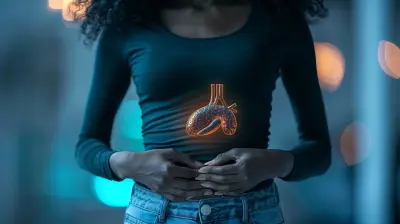
Why Fiber is Important for Hormonal Health and Detoxification
3 January 2026
When you think of fiber, the first thing that probably comes to mind is digestion. And while it’s true that fiber keeps things moving in your gut, its role goes way beyond just preventing constipation. Did you know that fiber plays a major role in balancing hormones and detoxifying your body? Yep, this simple nutrient is like the unsung hero of hormonal health.
So, if you’re struggling with bloating, acne, mood swings, or even stubborn weight gain, fiber might be the missing piece of the puzzle. Let’s dive into why fiber is so crucial for hormonal balance and detoxification and how you can get more of it in your diet. 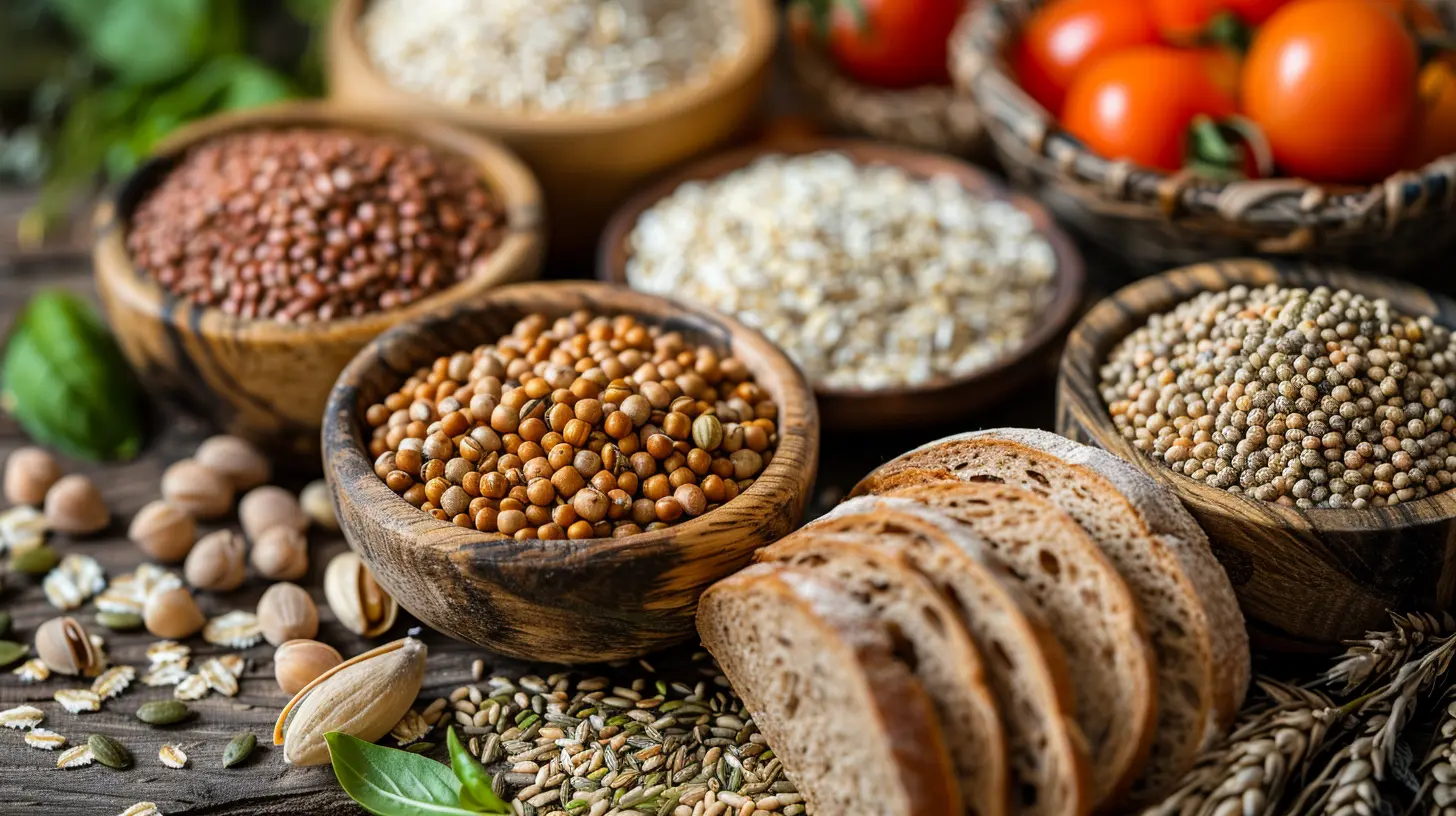
The Role of Fiber in Hormonal Health
Hormones control almost everything in your body—your metabolism, mood, energy levels, and even your skin. When they’re balanced, you feel great. But when they’re out of whack? It’s a whole different story.Fiber Helps Eliminate Excess Estrogen
One of the biggest ways fiber supports hormonal health is by helping your body get rid of excess estrogen. Too much estrogen can lead to issues like PMS, heavy periods, bloating, and even conditions like PCOS and endometriosis.So, how does fiber help? Well, your liver processes and packages up excess hormones, like estrogen, and sends them to your digestive system to be eliminated through your stool. If you’re not eating enough fiber, those hormones can get reabsorbed into your bloodstream instead of being flushed out, leading to estrogen dominance.
Stabilizes Blood Sugar Levels
Ever feel those mid-day crashes or intense sugar cravings? That’s your blood sugar doing a rollercoaster ride. Fiber slows down the absorption of sugar, keeping your blood sugar levels stable. This is crucial because blood sugar spikes can lead to insulin resistance, which messes with your hormone balance and increases the risk of conditions like diabetes and PCOS.By incorporating more fiber into your meals, you keep your energy steady, prevent mood swings, and reduce the chances of hormonal imbalances.
Feeds Beneficial Gut Bacteria
Gut health and hormones are deeply connected. Your gut microbiome helps regulate estrogen levels, produces neurotransmitters that affect your mood, and plays a role in maintaining overall hormonal balance.Fiber acts as a prebiotic, feeding the good bacteria in your gut. A healthy gut microbiome means better hormone regulation, improved digestion, and even clearer skin. 
How Fiber Supports Detoxification
Your body is constantly detoxifying—getting rid of waste, toxins, and excess hormones. And fiber is a powerful ally in this process.Binds to Toxins and Hormones for Elimination
Think of fiber as a broom, sweeping out all the unwanted substances from your body. It binds to toxins, waste, and excess hormones, carrying them out through your stool. Without enough fiber, these substances can linger in your body, leading to inflammation, sluggishness, and even weight gain.Supports Liver Function
Your liver is your body’s main detox organ. It processes toxins, heavy metals, and hormones, preparing them for elimination. But for the liver to do its job effectively, it needs fiber.Certain types of fiber, particularly soluble fiber (found in foods like oats, flaxseeds, and beans), help your liver break down toxins and flush them out efficiently.
Prevents Constipation and Keeps Digestion Smooth
It’s no secret—if you’re not pooping regularly, your body isn’t detoxifying properly. Fiber keeps your digestive system moving, ensuring that waste and toxins don’t build up in your body.If you’re not going to the bathroom at least once a day, it might be time to up your fiber intake. 
Best Fiber-Rich Foods for Hormonal Health and Detox
Now that we know why fiber is so important, let’s talk about where to get it. Not all fiber is created equal, so it’s important to focus on fiber-rich foods that support hormonal balance and detoxification.1. Flaxseeds
Flaxseeds are one of the best foods for hormonal health. They are rich in lignans, a type of fiber that helps regulate estrogen levels. Just one tablespoon of ground flaxseeds per day can support hormone balance and digestion.2. Chia Seeds
Chia seeds are packed with fiber, omega-3s, and antioxidants. They help stabilize blood sugar and keep digestion smooth. Try adding them to smoothies, yogurt, or oatmeal.3. Leafy Greens
Spinach, kale, and collard greens are full of fiber and antioxidants. They support liver detoxification and help with estrogen metabolism.4. Cruciferous Vegetables (Broccoli, Brussels Sprouts, Cauliflower)
These veggies contain a compound called indole-3-carbinol, which helps your body detox excess estrogen. Plus, they’re high in fiber to keep digestion moving.5. Berries
Blueberries, raspberries, and blackberries are high in fiber and loaded with antioxidants. They support gut health, reduce inflammation, and help with detoxification.6. Lentils and Beans
These plant-based protein sources are also rich in fiber, keeping blood sugar stable and promoting healthy digestion.7. Whole Grains (Quinoa, Brown Rice, Oats)
Whole grains are excellent sources of fiber and help keep blood sugar levels in check. Avoid refined grains like white bread and pasta, as they can spike insulin levels.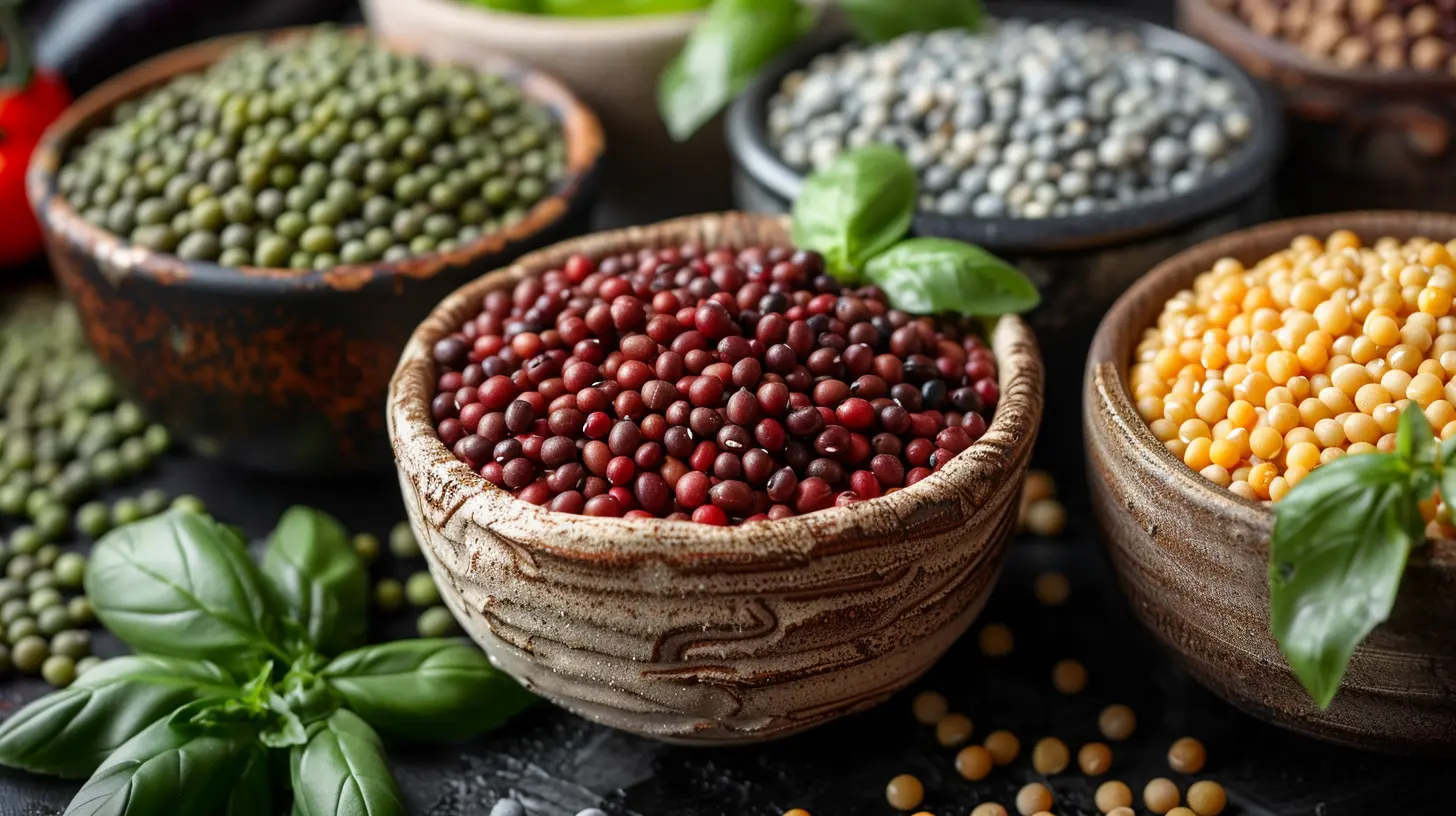
How to Add More Fiber to Your Diet
If you’re not getting enough fiber, don’t worry. It’s easy to add more to your daily routine. Here are some simple ways to do it:- Start your day with a fiber-packed breakfast. Try oatmeal with flaxseeds and berries or a chia seed pudding.
- Snack on raw veggies and hummus. Carrots, cucumbers, and bell peppers are great options.
- Add beans or lentils to soups, salads, or stir-fries.
- Swap white rice for quinoa or brown rice.
- Include a fiber-rich smoothie in your routine. Blend spinach, flaxseeds, chia seeds, and berries for a hormone-balancing boost.
- Drink plenty of water. Fiber absorbs water, so staying hydrated helps with digestion and prevents bloating.
Remember, increasing your fiber intake gradually is key. Adding too much fiber too quickly can cause bloating or gas. Give your body time to adjust, and always drink enough water.
Final Thoughts
Fiber is an absolute game-changer when it comes to hormonal health and detoxification. It helps eliminate excess estrogen, supports liver function, stabilizes blood sugar, and promotes a healthy gut—all of which contribute to balanced hormones and overall well-being.So, if you’ve been feeling off lately—whether it’s bloating, mood swings, or sluggish digestion—try increasing your fiber intake. It’s one of the easiest and most natural ways to support your body.
Simple dietary changes can have a profound impact on how you feel. Start small by adding more fiber-rich foods to your daily meals, and watch your body thank you for it!
all images in this post were generated using AI tools
Category:
Hormonal BalanceAuthor:

Jackson Mahoney
Discussion
rate this article
2 comments
Georgia Soto
This article effectively highlights the crucial role of fiber in hormonal balance and detoxification. However, it would benefit from exploring specific types of fiber and their distinct impacts on hormonal health, as well as practical strategies for incorporating them into daily diets for optimal benefits.
February 4, 2026 at 3:43 AM
Jackson Mahoney
Thank you for your insightful feedback! I appreciate your suggestion to delve into specific types of fiber and practical dietary tips in future articles.
Skye Fisher
Absolutely loved this article! 🌟 It's amazing how fiber plays such a crucial role in hormonal health and detoxification. Incorporating more fiber into our diets can truly enhance our well-being! Cheers to better health and vibrant living—let's embrace those delicious fruits, veggies, and grains! 🥦🌾💚
January 8, 2026 at 4:14 AM
Jackson Mahoney
Thank you so much for your kind words! I'm glad you enjoyed the article and appreciate your enthusiasm for fiber's benefits. Here’s to our health with those delicious foods! 🌟💚