Why Rest Days are Crucial for Optimal Performance
13 May 2026
Let’s be honest — in a world that glorifies the hustle, taking a break sounds like laziness, right? Like you're falling behind while others are grinding. But here's the truth no one's screaming from the rooftops — rest is not the enemy of progress. It’s the secret sauce. The unsung hero. The calm before your next performance storm.
Whether you're a weekend warrior, a gym junkie, or a dedicated athlete chasing personal records, rest days aren’t optional — they’re essential. Not just for your body, but for your mind, your motivation, and your long-term gains.
Let’s dig deep into why rest should be cherished, not skipped, and how it’s the golden key to unlocking your full potential.
The Myth of "No Days Off"
Ever heard the phrase "No Days Off"? Yeah, catchy. Motivating, even. But also... kind of dangerous.Pushing your body to its limits every single day might feel productive, but it actually backfires. Overtraining can quietly creep in — fatigue, irritability, poor sleep, declining performance, or worse, injury. It’s your body's cry for help, whispering, “Please, just slow down.”
The truth? Growth doesn’t happen during the grind. It happens during recovery. Muscles repair, your nervous system resets, and your brain files away all that hard-earned skill. It’s in the pause between the beats where the magic brews.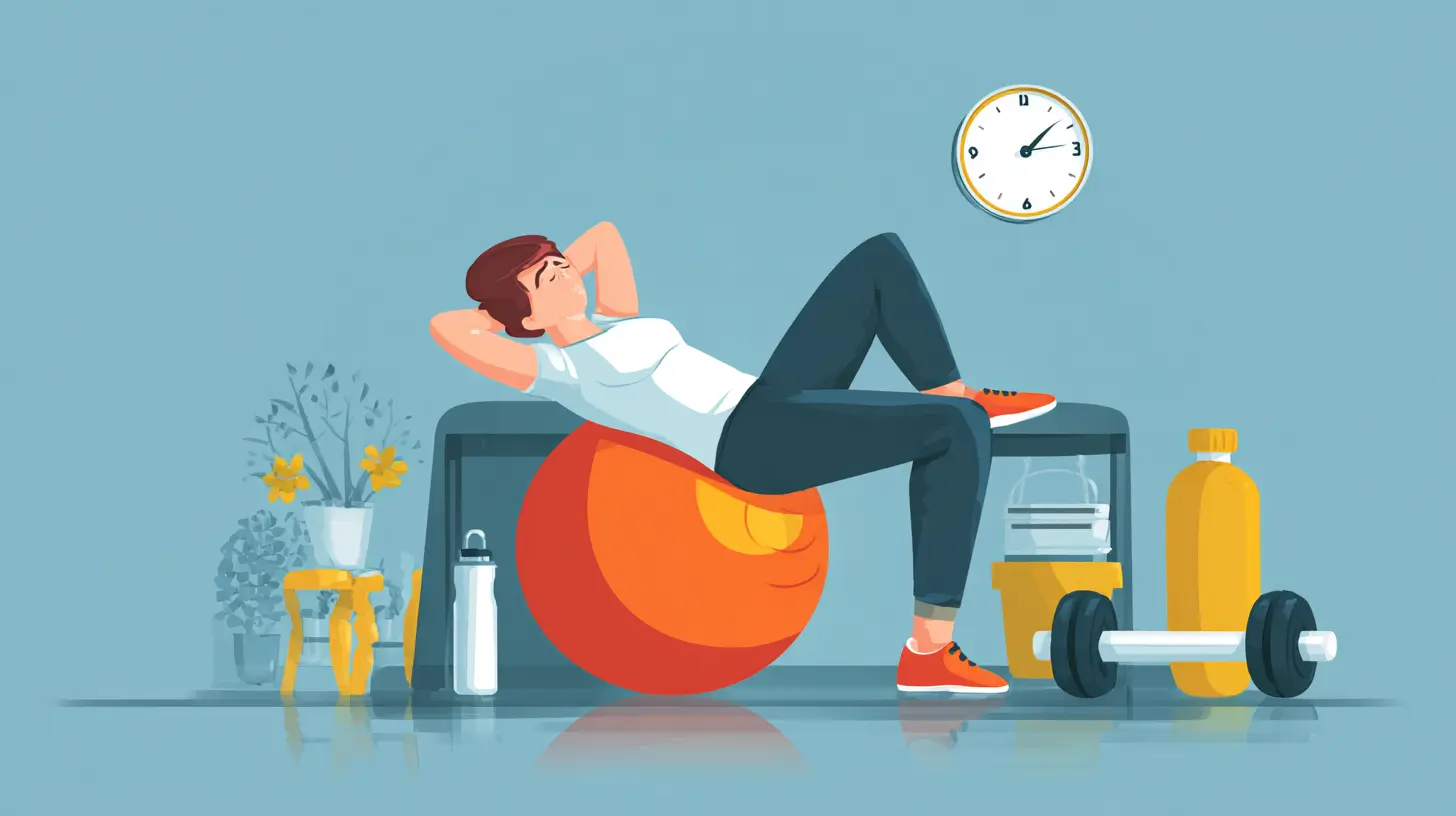
What Actually Happens When You Rest?
You crush a workout. Your muscles scream. Sweat drips. Your heart pulses with pride. That session was a masterpiece. But it’s just one part of the symphony.So, what happens when you step away and rest?
1. Muscle Recovery and Growth
Every time you lift, push, pull, or sprint, you're creating microscopic tears in your muscle fibers. That might sound bad, but it’s exactly what you want. Your body heals these tears stronger and tougher than before. This process is called muscle hypertrophy. But without rest? Those tears don’t get fully repaired. Like building on a crumbling foundation.It's like trying to refill your gas tank without stopping the car. Eventually? You stall.
2. Hormonal Rebalancing
Exercise impacts your hormones in a big way — we’re talking cortisol (the stress hormone), testosterone (muscle builder), and growth hormone (the repair master). Constant stress from training spikes cortisol and messes with the delicate balance.But rest days? They're your body's chance to level things out. It resets your hormonal compass, helping you avoid burnout and even supporting fat loss and muscle growth.
3. Nervous System Recovery
The Central Nervous System (CNS) is not something we usually think about while training, but it’s working overtime — firing signals, coordinating movement, keeping you sharp. Heavy lifting and high-intensity sessions can fry your CNS.Ever feel sluggish, like your muscles aren't listening even though your brain is screaming at them? That’s a fried CNS. Enter rest days. They reset the system. Recharge the circuit board. Reboot the machine.
Mental Gains: The Hidden Power of Rest
Okay — so rest heals the body. But here’s what’s often overlooked: rest rejuvenates the mind.1. Fighting Mental Fatigue
Training can be mentally taxing. Discipline takes energy. So does pushing through pain, sacrificing time, and chasing goals. Over time, that mental bank account runs low.Rest is like a vacation for your brain. It clears the fog, boosts focus, and rekindles that fire in your belly. And when your mindset is strong? You're unstoppable.
2. Boosting Motivation and Avoiding Burnout
Ever hit a wall where even the thought of working out makes you sigh? That’s burnout knocking.Giving yourself a guilt-free rest day — or two — allows your enthusiasm to rise again like a phoenix. You return to your routine not with dread, but with excitement.
Types of Rest Days (No, It’s Not Just Netflix and Chill)
Here’s the thing — rest doesn’t have to mean doing absolutely nothing (although sometimes, that’s exactly what you need). There are different flavors of rest, and knowing which one your body is craving can make all the difference.1. Active Rest Days
Think of these as “gentle movement” days. Light yoga, a walk in the park, a mellow bike ride. It's movement without the stress. Active recovery boosts circulation, which helps with muscle repair and soreness without tipping you back into fatigue.It’s like giving your body a massage from the inside.
2. Complete Rest Days
No workouts. No stretching. Just pure unplugging. These are for the days your body's screaming “enough!” — after intense sessions or during illness, stress, or emotional fatigue.Don’t fight yourself. Sometimes the best move forward is to be still.
Listening to Your Body: The Art of Intuitive Rest
Your body speaks. Constantly. But are you listening?So many of us ignore the signs: dragging energy, trouble sleeping, constant soreness, mood swings. These are neon signs saying: “Take a break, please.”
Learning to listen to your body's whispers before it starts shouting is a superpower. Rest isn’t a setback. It’s a strategy.
It’s not weakness. It’s wisdom.
Rest Days and Performance: The Science Behind the Slow
You might be thinking, “Okay, cool story. But will rest actually make me better?” Answer: yes — and science backs it.Studies show that athletes who incorporate regular rest days outperform those who train relentlessly without recovery. Their strength, endurance, and speed increase faster — and more sustainably.
That plateau you’re stuck on? Could be solved with a rest day.
That nagging injury? Might heal with proper recovery.
The progress you're chasing? It’s waiting for you on the other side of rest.
Real Talk: My Experience With Overtraining
Let me get personal for a sec. There was a time I trained like a maniac — two-a-days, barely sleeping, zero rest days. At first, the gains came fast. But then? Plateau. Injuries. Mood swings. I couldn’t figure it out.Guess what changed everything? Rest. Not just one day off. Consistent, intentional recovery. I started sleeping better. My workouts felt explosive again. I felt human.
Rest didn’t take me backward. It launched me forward.
How Often Should You Rest?
There’s no one-size-fits-all answer here. But here’s a rough guideline:- Beginners: 2–3 rest days per week
- Intermediate to Advanced: 1–2 rest days (plus light days)
- High Intensity Training: Built-in deload weeks every 4–6 weeks
But again — listen to YOUR body, not someone else's Instagram schedule.
7 Signs You Might Need a Rest Day (Right Now)
Still not sure if you should take a day off? Check out these red flags:1. You're always sore, even after light workouts
2. Your performance is dipping despite training harder
3. You're feeling unmotivated or dreading workouts
4. You’re having trouble sleeping or feeling constantly fatigued
5. Mood swings or irritability
6. Nagging aches or injuries are flaring up
7. You’re getting sick more often
Listen close. Your body is whispering wisdom.
Making Rest Days Count
So you've accepted the magic of rest. Now what?Let’s make those rest days work for you:
- Sleep like it’s your job – aim for 7–9 hours
- Hydrate and fuel up – recovery thrives on nutrients
- Light movement – walking or stretching enhances healing
- Unplug – mental rest is as important as physical rest
- Reflect and visualize – use the downtime to visualize smashing your next goal
Rest isn’t passive. It’s purposeful.
The Balance That Builds Champions
Ultimately, progress is a balance between stress and recovery. The masterpiece isn’t painted in one brushstroke — it’s layer after layer, with pauses in between.Rest days are the frame around your canvas. They preserve the beauty, protect the work, and give it structure.
Your body is a symphony and rest? That’s the silence between the notes that makes the music powerful.
So go ahead. Take the day off. Walk, breathe, sleep. Trust the silence. You’re not falling behind — you’re fueling your rise.
Final Words: It’s Okay to Rest
Let’s rewrite the narrative: Rest days aren’t for the weak. They’re for the wise. For the ones who want to train for decades, not just for a season.So the next time you feel guilty for skipping a workout, remind yourself — rest is part of the plan. Essential. Strategic. Powerful.
You don’t grow in the gym. You grow when you recover.
Take your rest. You're earning your results—whether you're sweating or sleeping.
all images in this post were generated using AI tools
Category:
FitnessAuthor:

Jackson Mahoney
Discussion
rate this article
2 comments
Fay Bailey
Rest days are like secret sauce for your performance burger. Without them, you might just end up with a sad, soggy bun. Take a break, let your body recharge, and watch how you bounce back like a rubber band ready for action!
July 23, 2026 at 3:21 AM
Jackson Mahoney
Absolutely! Rest days are essential. They keep you energized and ready to hit your goals even harder.
Zanthe McIntosh
This article beautifully highlights the importance of rest days. It's easy to overlook them when striving for goals, but taking time to recharge is essential for both physical and mental well-being. Embracing rest can lead to better performance and a more enjoyable journey toward health. Thank you for sharing!
May 17, 2026 at 2:40 AM
Jackson Mahoney
Thank you for your thoughtful comment! I'm glad you found the article valuable. Rest days really do play a key role in overall health and performance.