Air Quality is at ‘Hazardous’ Levels. What Does That Mean for Health?
July 17, 2026 - 04:35
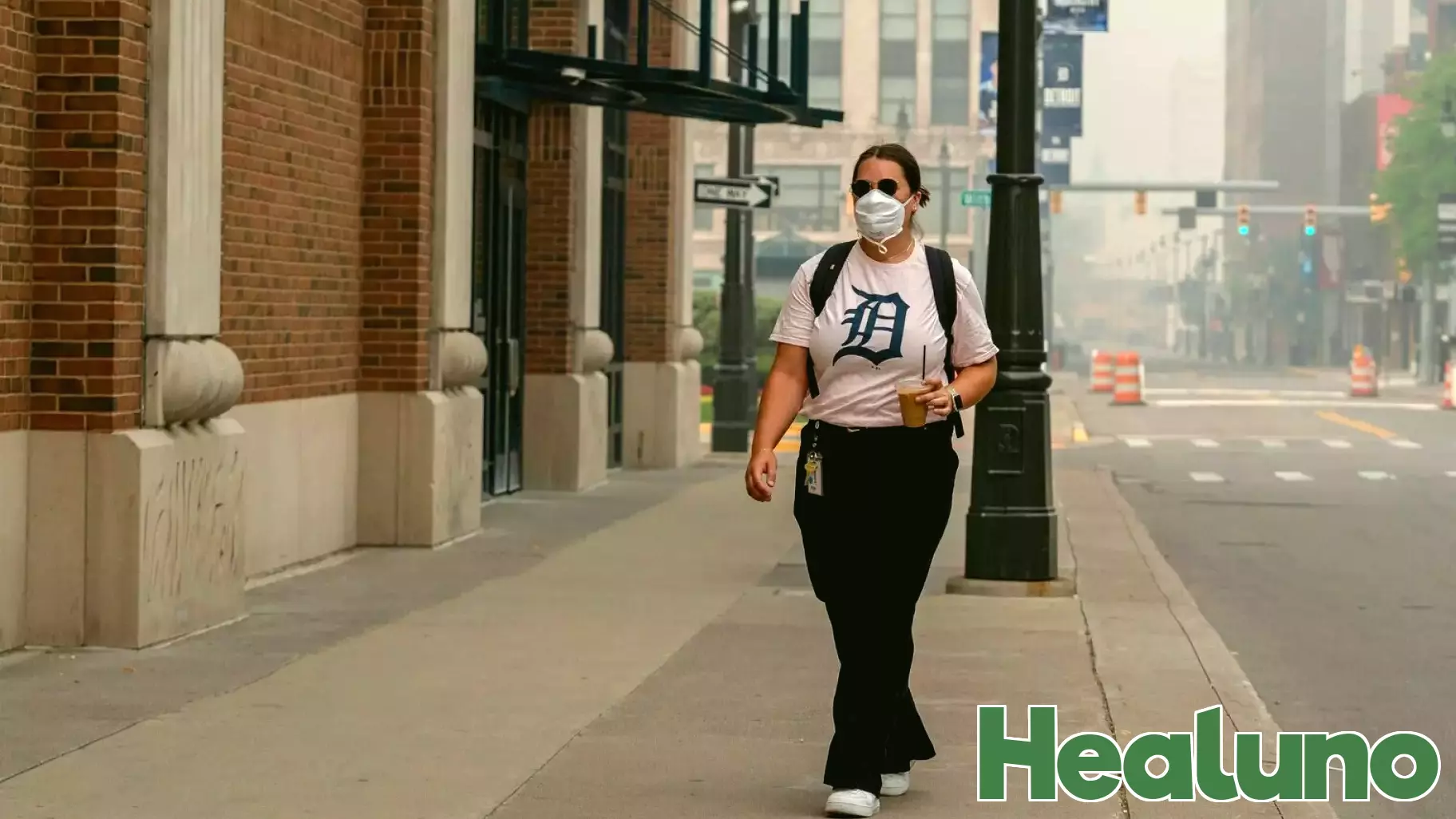
As smoke from Canadian wildfires continues to drift across large parts of the United States, air quality monitors in several major cities are flashing red. The official reading is "hazardous," a term that sounds alarming because it is. But what does that actually mean for the people breathing this air?
When the Air Quality Index, or AQI, hits the hazardous range, it signals that the concentration of fine particulate matter, known as PM2.5, is dangerously high. These tiny particles are small enough to bypass the body's natural defenses. They can travel deep into the lungs and even enter the bloodstream. For healthy adults, short-term exposure at this level can cause immediate symptoms like burning eyes, a scratchy throat, coughing, and shortness of breath. Even a few hours outdoors can leave someone feeling winded or with a headache.
The real danger, however, is for vulnerable groups. People with asthma, chronic obstructive pulmonary disease, or heart conditions face a much higher risk of severe complications. The fine particles can trigger asthma attacks, cause irregular heartbeats, and worsen existing lung damage. For older adults and young children, whose lungs are still developing or already weakened, the risk of hospitalization rises sharply. Doctors warn that even healthy individuals should avoid all outdoor exertion when the AQI is in the hazardous zone. Running a simple errand can become a health gamble.
Beyond the immediate physical effects, there is a mental toll. The orange sky and the smell of smoke create a sense of dread. Public health officials recommend staying indoors with windows sealed, running air purifiers if available, and wearing an N95 mask if you must go outside. The key takeaway is simple: when the air is labeled hazardous, treat it like a storm warning. Stay inside, keep the air clean, and listen to your body. The smoke will clear, but the damage to your lungs can last much longer.
MORE NEWS

October 15, 2026 - 05:48
CDC Survey Finds 40 Percent of High School Students Report Binge EatingA new survey from the Centers for Disease Control and Prevention reveals that roughly 40 percent of high school students reported binge eating within the past month. The finding points to how...

October 14, 2026 - 19:59
Arizona Lawmakers Raise Alarm Over Soaring Employee Health Insurance CostsArizona legislators are warning that the state`s employee health insurance program is becoming financially unsustainable, with costs climbing faster than officials can manage. During recent budget...

October 14, 2026 - 00:20
Taxi Alliance Pushes for Driver Health Funding After Deadly SummerThe Taxi Workers Alliance is pressing state officials to allocate money for a health benefit fund covering drivers, following a difficult stretch of months in which four taxi drivers lost their...

October 13, 2026 - 00:27
Will Friedle Woke Up 'Peeing Blood' & This Common Health Issue Was the CauseWill Friedle is opening up about a frightening medical experience that sent him to the emergency room. The 50 year old actor discussed the incident during a recent episode of his Pod Meets World...