Cyclosporiasis cases are still being reported in N.C. Here’s what to know
August 24, 2026 - 00:58
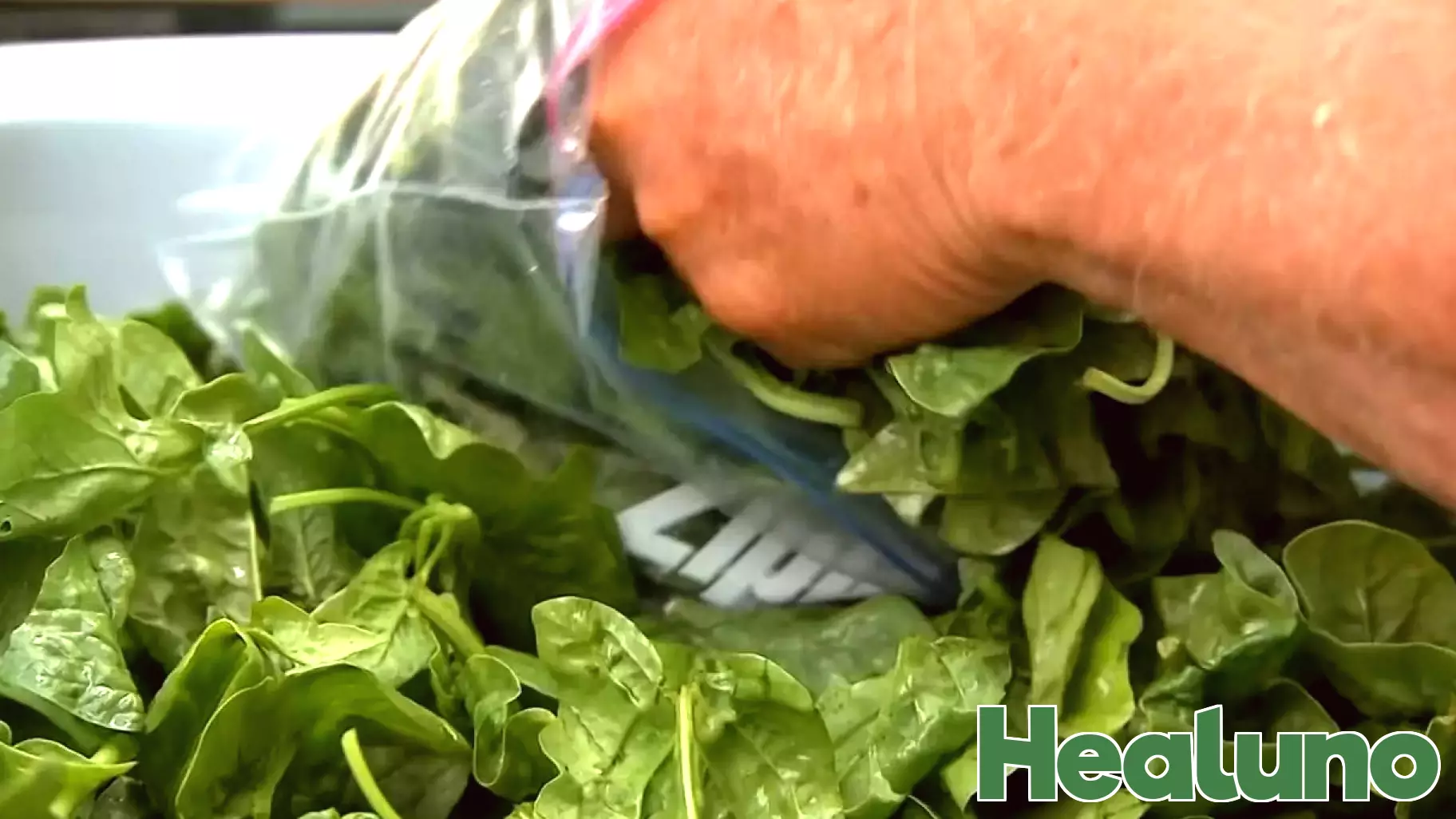
Health officials in North Carolina say new cases of cyclosporiasis are still being reported, but the pace has slowed considerably from the sharp spike seen in June and July. The state Department of Health and Human Services has been tracking the intestinal illness caused by the Cyclospora parasite, which is typically spread through contaminated food or water.
During the summer surge, dozens of infections were confirmed each week, prompting warnings about imported fresh produce, especially cilantro, raspberries, and mixed salad greens. Now, while cases are still trickling in, the numbers are closer to what is normally seen this time of year. Officials caution that the reporting lag means some recent infections may not yet be reflected in the data.
Cyclosporiasis symptoms usually appear about a week after exposure and include watery diarrhea, cramping, bloating, nausea, and fatigue. The illness can last for several weeks if untreated, and it is especially dangerous for young children, older adults, and people with weakened immune systems. A course of antibiotics is effective, so anyone with persistent symptoms is urged to see a doctor.
The exact source of the current outbreak has not been confirmed. State and federal investigators have interviewed patients and traced food histories, but no single distributor or product has been named. In past years, outbreaks have been linked to imported produce from tropical regions, where the parasite is more common.
Prevention remains the same as always: wash all fruits and vegetables thoroughly under running water, even if you plan to peel them, and avoid eating raw produce that has been sitting out for long periods. Cooking kills the parasite, so hot dishes are generally safe.
Public health officials say they will continue to monitor reports through the fall, as cyclosporiasis can appear later than usual in some years. They also remind anyone who has been diagnosed to stay hydrated and follow their doctor's treatment plan fully, since symptoms can return if the medicine is stopped too early.
MORE NEWS

November 21, 2026 - 21:06
A doctor’s guide to surviving — and enjoying — holiday feasting while on GLP‑1 medicationChanges in appetite, smaller portion tolerance, limits on alcohol consumption, medication side effects, and the desire to maintain progress can make navigating holiday traditions feel a little...

November 21, 2026 - 02:26
Understanding Community Responses in a Health CrisisTo prepare for the next pandemic, a network scientist at Northeastern is exploring how various communities respond to the same health guidance. This research aims to uncover the factors that...

November 20, 2026 - 04:41
Americans See AI as a Solution for Simplifying HealthcareA recent survey reveals that many Americans are looking for a more straightforward and comprehensible healthcare experience. The findings suggest that artificial intelligence could play a crucial...

November 19, 2026 - 09:39
Measles Cases Are Rising Across the U.S. Here's What You Need to Know About MMR VaccinationMeasles cases are on the rise in the United States, prompting health officials to urge certain groups to consider getting another dose of the MMR vaccine. The MMR vaccine protects against measles,...