Choosing the Right Toothpaste for Your Needs
26 February 2026
Let’s be honest for a second—most of us don’t give toothpaste a second thought. We just grab whatever’s on sale or smells minty fresh, toss it into our cart, and check the box on our hygiene to-do list. But here’s the thing: toothpaste isn’t one-size-fits-all. In fact, using the wrong one could be doing more harm than good.
So the big question is—how do you know which toothpaste is right for you?
In this article, we’re diving into the nitty-gritty of choosing the perfect tube of paste for your pearly whites. Whether you're fighting cavities, chasing whitening goals, tackling tooth sensitivity, or just want something natural and fluoride-free, we’ve got you covered.
Why Toothpaste Matters More Than You Think
Toothpaste is like the sidekick to your toothbrush. It may not get all the glory, but it plays a crucial role in maintaining oral health. It's not just about fresh breath—it helps remove plaque, prevent decay, strengthen enamel, fight gum disease, and yes, even brighten up those coffee-stained teeth.Think of it this way: brushing without the right toothpaste is like washing your car without soap. You’ll get rid of some dirt, sure, but you're not getting that deep clean.
Let’s Break Down What’s Inside That Tube
Before we start picking the right toothpaste, let’s decode that intimidating list of ingredients. Don’t worry—I’ll keep it simple, scout’s honor.- Fluoride – This is the superhero of cavity protection. It strengthens enamel and keeps those nasty bacteria in check.
- Abrasives – Ingredients like calcium carbonate or silica that help scrub away surface stains and plaque.
- Humectants – These keep the paste from drying out. Think of them as the moisturizers of the toothpaste world.
- Flavoring agents – To make you want to brush your teeth. No one likes a chalky, bitter paste.
- Detergents (like sodium lauryl sulfate) – They create that foamy action, helping spread the toothpaste around your mouth.
- Therapeutic agents – These are the extras for whitening, sensitivity relief, or tartar control.
Knowing what’s inside helps you understand what your mouth really needs—and what it doesn’t.
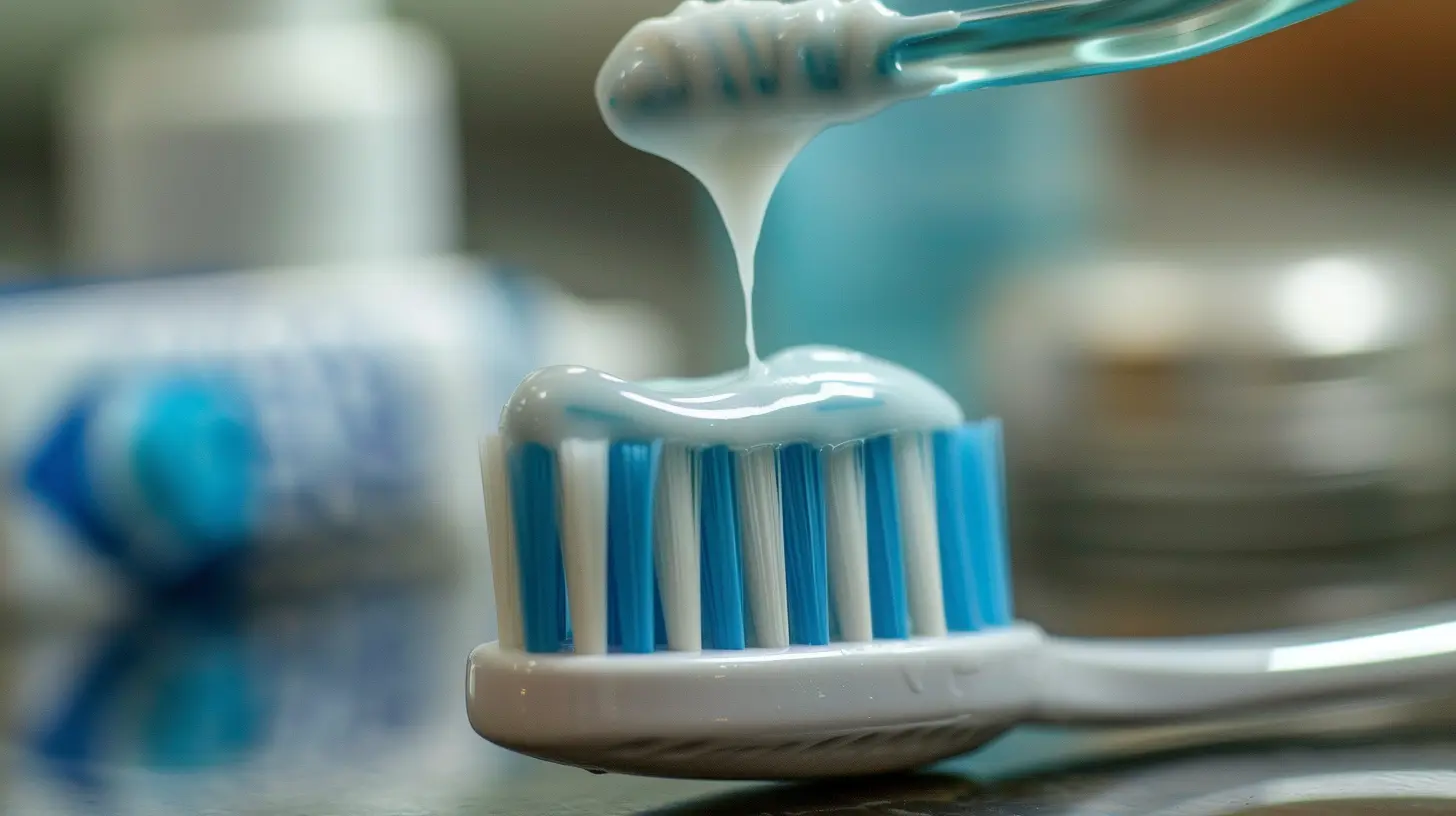
1. Toothpaste for Cavities: Go Fluoride or Go Home
If you’re prone to cavities (or your dentist gave you that look last time), fluoride toothpaste is non-negotiable.Fluoride is hands-down the most effective cavity-fighter. It remineralizes weak spots in enamel and makes teeth more resistant to future attacks.
Look for:
- Sodium fluoride or stannous fluoride
- ADA (American Dental Association) Seal of Approval
- 1,000–1,500 ppm fluoride content (check the label if you're curious)
Pro tip: Don’t rinse immediately after brushing. Let that fluoride sit on your teeth a bit longer—it’s like a spa day for your enamel.
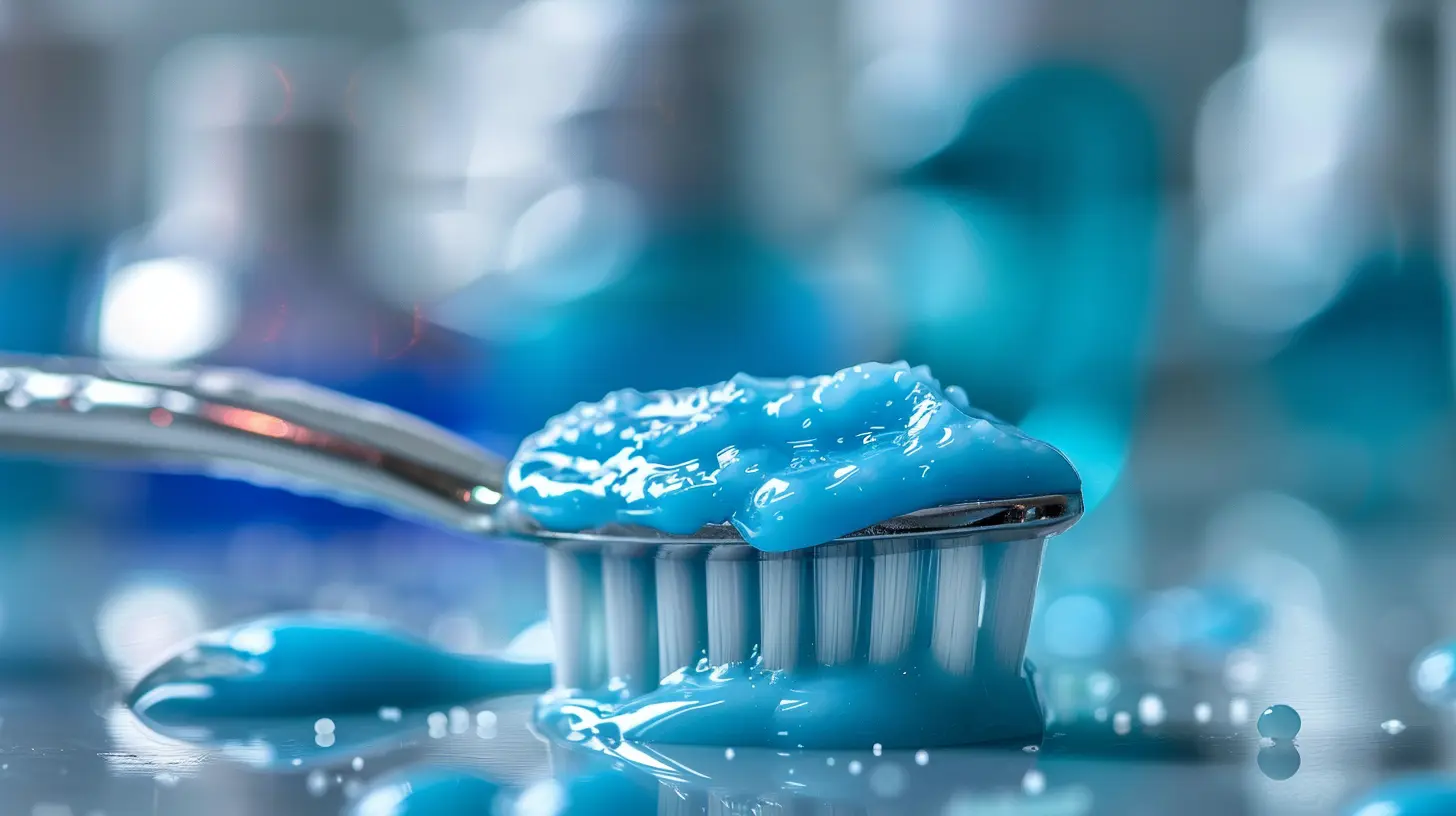
2. Toothpaste for Sensitive Teeth: Gentle Rides Only
Does the thought of ice cream make you flinch? You could be dealing with tooth sensitivity. The culprits? Worn enamel or exposed roots.Sensitivity toothpaste is designed to calm that zing down. It usually contains:
- Potassium nitrate – helps dull the nerves inside your teeth
- Stannous fluoride – forms a protective barrier over sensitive areas
Give it a week or two to kick in. It’s not instant magic, but with consistent use, you’ll feel the difference.
Watch out: Some whitening toothpastes are abrasive and can make sensitivity worse. Read the label, not the marketing hype.
3. The Whitening Craze: Does It Really Work?
We all want that Hollywood smile, right? But not all whitening is created equal. Whitening toothpaste is more like a slow burn—it removes surface stains rather than actually changing the tooth color.Whitening pastes usually include:
- Mild abrasives (like silica)
- Enzymes or low-concentration peroxide
- Activated charcoal (if you're feeling trendy)
Important: Whitening toothpaste can be abrasive, and over time, it might wear down enamel if used recklessly. So, moderation is key.
If you're serious about whitening, chat with your dentist for options that go beyond the toothpaste aisle.
4. Natural Toothpaste: Yay or Nay?
Going natural sounds great—fewer chemicals, fewer worries. But does “natural” mean “better”? Not always.Natural toothpastes often skip the fluoride (which we’ve already agreed is super important). They might use ingredients like:
- Baking soda
- Coconut oil
- Essential oils
- Herbal extracts like neem or tea tree
While these can support oral health, they might not be strong enough to fight cavities or gum disease on their own. So, if you go natural, look for options that are still clinically proven to be effective.
Fun fact: Some natural brands now offer fluoride versions too, giving you the best of both worlds.
5. Tartar Control Toothpaste: Prevention, Not A Cure
Tartar is that hardened plaque you can’t brush away once it sets. Tartar control toothpaste helps prevent it from forming in the first place.Key ingredients:
- Pyrophosphates
- Zinc citrate
- Triclosan (though this one’s controversial and banned in some countries)
These ingredients help break down plaque before it becomes tartar. But don’t expect miracles—only a dentist can remove built-up tartar.
6. Kids’ Toothpaste: Small But Mighty
Children need toothpaste that’s gentle yet effective. And let’s face it, if it doesn't taste good, they’re not brushing.For kids under 3:
- Use a smear of toothpaste (about the size of a grain of rice)
- Go with fluoride-free if they’re still swallowing it
For ages 3–6:
- Use a pea-sized amount
- Encourage them to spit (even if they don’t rinse)
Look for pediatric formulas with fluoride and child-friendly flavors. And bonus points if your kid actually wants to brush!
7. Specialized Toothpastes: Niche But Necessary
Certain oral health conditions require targeted toothpaste solutions. Here are some honorable mentions:- Antibacterial toothpaste – For those with gum disease or gingivitis.
- Dry mouth toothpaste – Contains enzymes and lubricants to keep the mouth moist.
- Braces-friendly formulas – Balances fluoride and tartar control while being gentle on sensitive gums.
Your dentist might recommend one of these if you’ve got specific issues going on. Always follow their lead.
Matching Toothpaste to Lifestyle: The Unsung Hero
Beyond dental needs, your lifestyle can also impact which toothpaste suits you best.- Smoker? Look for anti-stain or whitening formulas.
- Pregnant or breastfeeding? Ask your doctor before switching products.
- Vegan or cruelty-free? Look for certified labels from reliable sources.
- On a budget? Generic store brands often contain the same active ingredients as name brands. Just compare the labels.
Red Flags in Toothpaste You Should Avoid
Not all toothpaste is created equal. Watch out for ingredients that can do more harm than good:- Sodium lauryl sulfate (SLS): Can irritate sensitive mouths or trigger canker sores
- Overly abrasive agents: These can wear down enamel, especially in whitening formulas
- Artificial sweeteners or dyes: Some people may have sensitivities
- No fluoride when you need it: Going fluoride-free is fine—IF you're not prone to decay
Read the label—not just the marketing pitch.
The Bottom Line: Pick Smart, Not Popular
Choosing the right toothpaste isn’t about grabbing the flashiest box or the one with the fanciest promises. It’s about knowing what your mouth actually needs and finding a toothpaste that checks those boxes.Ask yourself:
- Are you battling cavities or gum issues?
- Is sensitivity holding you back?
- Do you want a brighter smile without damaging enamel?
- Are you on a natural or fluoride-free journey?
Once you answer those questions, you're not just a consumer—you’re a savvy toothpaste pro.
And remember, toothpaste is only one part of the equation. Good oral hygiene also includes proper brushing technique, flossing, regular dentist visits, and cutting back on sugar-laced snacks. Your mouth is like a garden—treat it with care, and it’ll flourish.
all images in this post were generated using AI tools
Category:
Healthy TeethAuthor:

Jackson Mahoney
Discussion
rate this article
2 comments
Daphne Barlow
Great article! Choosing the right toothpaste is essential for maintaining optimal oral health. Your tips on identifying personal needs and understanding ingredients are invaluable. A well-informed choice can make all the difference—keep up the fantastic work in spreading this important knowledge!
March 6, 2026 at 3:43 AM
Jackson Mahoney
Thank you for your kind words! I'm glad you found the tips helpful. Your oral health is important, and making informed choices is key!
Nym McFarlane
Great insights! Choosing the right toothpaste is essential for health!
February 28, 2026 at 4:07 PM
Jackson Mahoney
Thanks for your feedback! I'm glad you found the insights helpful. Choosing the right toothpaste really does make a difference.