Colorful Plates, Brighter Days: Eating the Rainbow for Your Mind
19 September 2026
Most people treat food as fuel for the body. Fewer treat it as raw material for the brain. That oversight is costly, because the brain is the most metabolically demanding organ you own. It runs on roughly 20 percent of your resting energy budget despite making up only about 2 percent of your body weight. What you put on your plate does not just keep your heart beating. It shapes your mood, your memory, your focus, and your long-term risk of cognitive decline.
The phrase "eat the rainbow" gets tossed around like a slogan on a smoothie shop wall. It deserves more respect than that. Behind the cliche sits a real biochemical logic: the pigments that give plants their color are often the same compounds that protect your neurons from damage, tune inflammation, and feed the bacteria that talk to your brain. Different colors signal different molecules. Different molecules do different jobs. Skip a color, and you skip a set of tools.
This article is not a list of superfoods to worship. It is a working framework for using color as a practical guide to feeding your mind, with the trade-offs, caveats, and common mistakes spelled out.
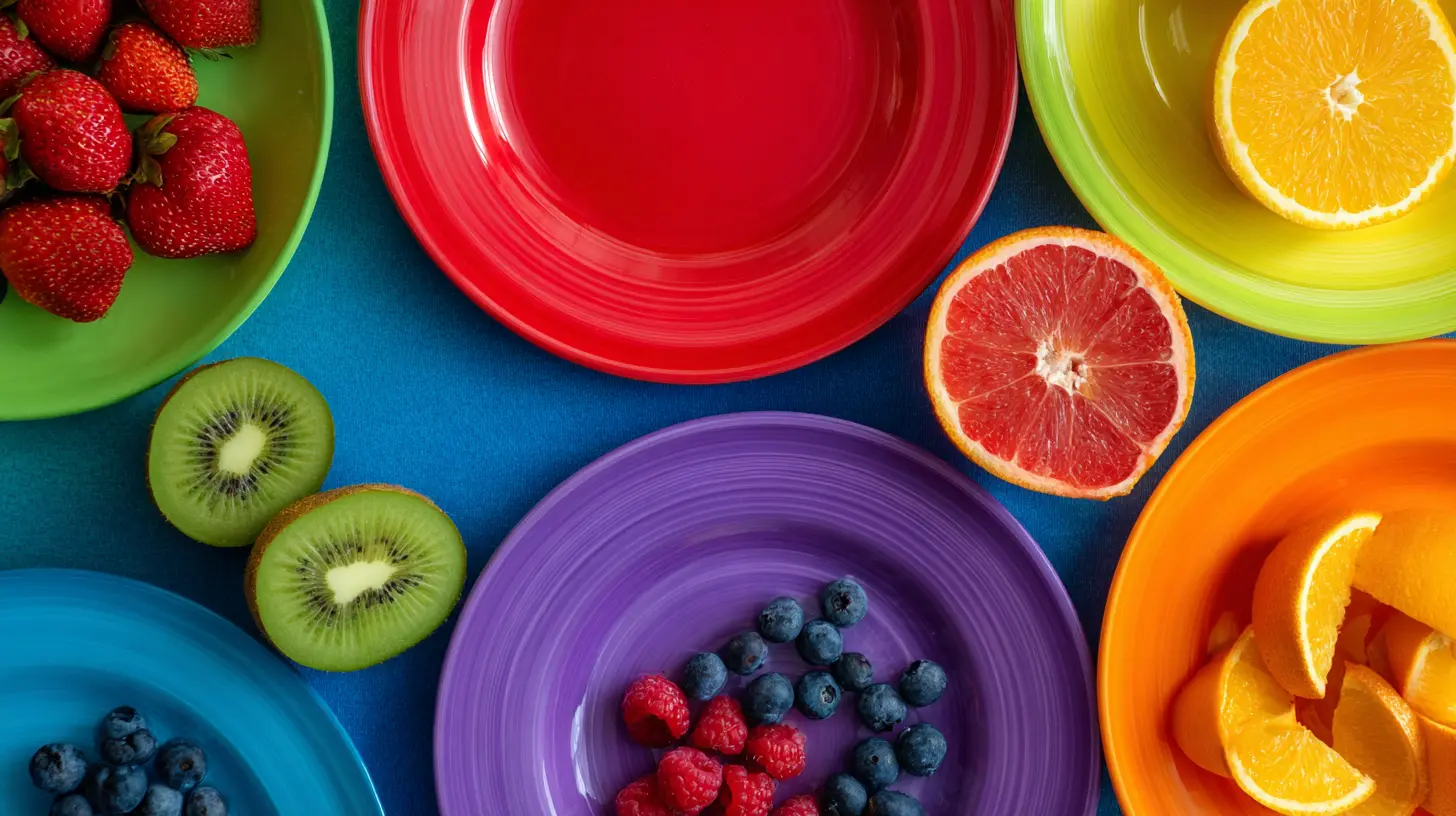
Why Color Is a Useful Shortcut, Not a Gimmick
Plants produce pigments for their own survival. Anthocyanins in blueberries absorb light and mop up free radicals. Lycopene in tomatoes shields the fruit from sun damage. Carotenoids in carrots and leafy greens support photosynthesis. When you eat these compounds, you borrow some of that protective chemistry.The key insight is that color tends to track with chemical class. That is not a perfect rule, but it is a surprisingly reliable one:
- Red and pink: lycopene, anthocyanins, ellagic acid
- Orange and yellow: carotenoids like beta-carotene and beta-cryptoxanthin, plus flavonoids such as hesperidin
- Green: chlorophyll, lutein, zeaxanthin, isothiocyanates, folate
- Blue and purple: anthocyanins, resveratrol, proanthocyanidins
- White and tan: allicin, quercetin, kaempferol, beta-glucans
Each group influences the brain through overlapping but distinct routes. Some reduce oxidative stress. Some calm neuroinflammation. Some support the gut microbiome, which in turn produces neurotransmitters and short-chain fatty acids that affect mood and cognition. Some do all three.
This is why a single "superfood" cannot replace a varied plate. You are not looking for one magic molecule. You are looking for coverage.
The Gut-Brain Axis: Where Color Does Quiet Work
If you want to understand why plants matter for mood, start in your intestines. Your gut houses trillions of microbes that ferment the fiber and polyphenols you cannot digest on your own. The byproducts of that fermentation, especially short-chain fatty acids like butyrate, feed the cells lining your colon and help maintain the barrier that keeps bacterial fragments out of your bloodstream.When that barrier weakens, low-grade inflammation can creep into circulation and reach the brain. This is one plausible pathway linking poor diet to symptoms of anxiety, low mood, and brain fog. Colorful plant foods interrupt that chain in two ways: they supply fermentable fiber, and they supply polyphenols that act as prebiotics, selectively feeding beneficial bacteria.
Here is the part most people miss. Polyphenols are often poorly absorbed in the small intestine. Only a fraction reaches your bloodstream. The rest travels to the colon, where bacteria break them into smaller metabolites that are actually more bioactive than the original compound. In other words, your microbiome is not a passive bystander. It is a second digestive system that converts plant pigments into brain-active molecules.
The practical implication is blunt: a diet rich in isolated supplements but low in whole plant foods starves this system. You cannot supplement your way around a missing microbiome.
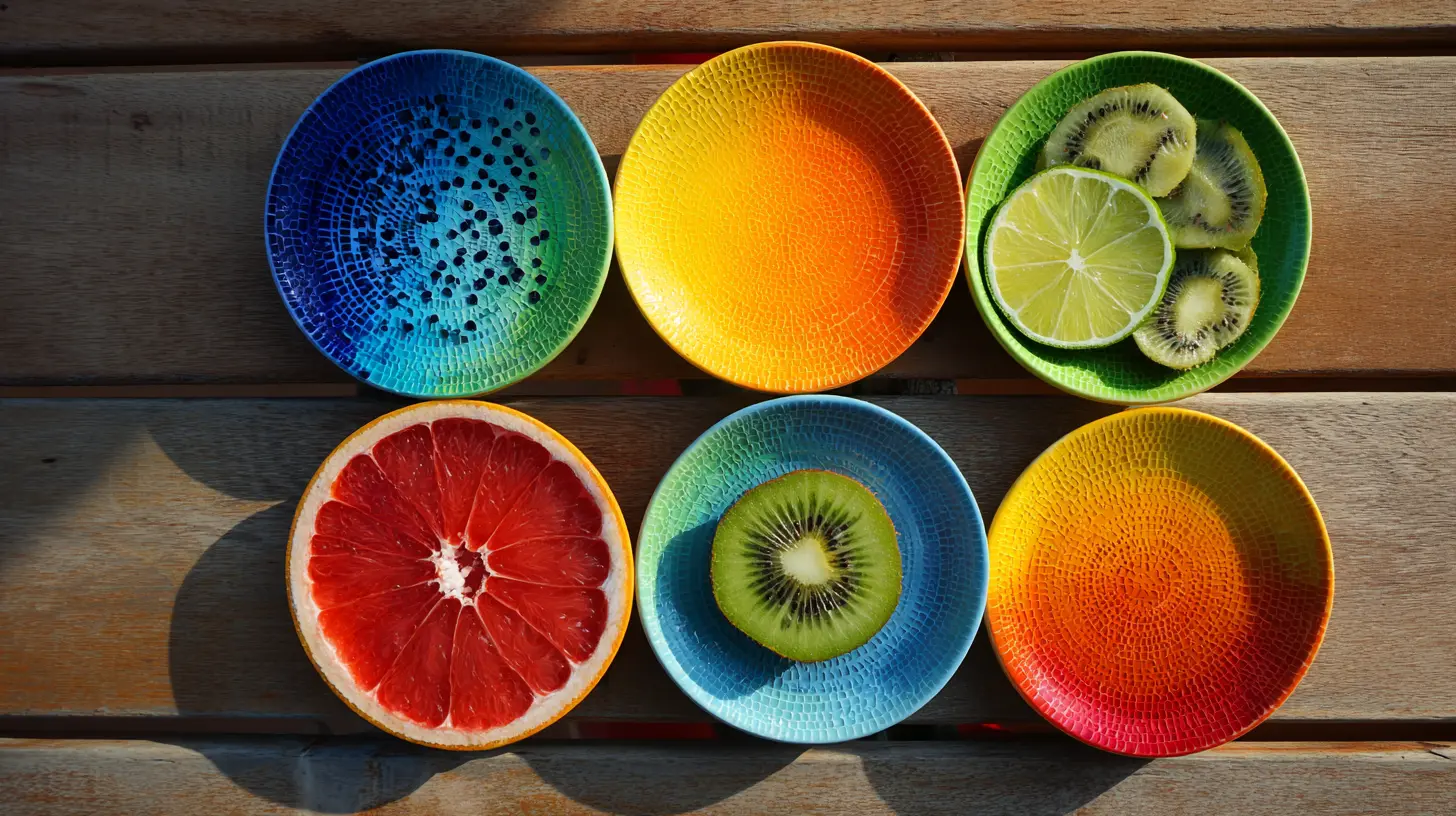
What Each Color Contributes to Your Mind
Let us walk through the palette with attention to mechanism, not just reputation.Red: Circulation and Vascular Support
Red foods like tomatoes, watermelon, red bell peppers, and strawberries bring lycopene and anthocyanins. Lycopene is best known for prostate and cardiovascular research, but its relevance to the brain is vascular. Cognitive health depends heavily on steady blood flow. Anything that supports endothelial function and healthy blood pressure indirectly protects the brain.Cooking tomatoes with olive oil increases lycopene availability, because the compound is fat-soluble and heat helps release it from plant cell walls. This is a rare case where processing improves nutrition. Raw tomatoes are still worthwhile, but do not assume raw is always superior.
Orange and Yellow: Carotenoids and Mood-Relevant Nutrients
Carrots, sweet potatoes, winter squash, oranges, and yellow peppers deliver beta-carotene and related carotenoids. The body converts some of these into vitamin A, which supports neurodevelopment and adult brain function. Beta-cryptoxanthin, found in citrus and persimmons, has been studied for associations with lower risk of inflammatory conditions.Citrus fruits add hesperidin and other flavonoids. Some observational work has linked citrus intake with lower rates of depression, though we should be careful: people who eat more citrus tend to differ from those who do not in many ways. The association is suggestive, not proof of cause.
Green: Folate, Lutein, and Nitric Oxide Support
Leafy greens are the workhorse of any brain-friendly diet. Spinach, kale, arugula, and romaine provide folate, which is directly involved in neurotransmitter synthesis and homocysteine metabolism. Elevated homocysteine is associated with cognitive decline, and folate helps keep it in check.Lutein and zeaxanthin, concentrated in greens like kale and spinach, accumulate in the retina and in brain tissue. Higher levels have been associated with better processing speed and memory in older adults. Beets and arugula also supply dietary nitrates, which the body converts to nitric oxide, supporting blood flow.
One caution: greens are not interchangeable. Kale and spinach are nutrient-dense but high in vitamin K, which matters if you take warfarin. Romaine and arugula are lower in vitamin K. If you are on blood thinners, talk to your clinician before dramatically increasing intake. Consistency matters more than volume.
Blue and Purple: Anthocyanins and Neuroprotection
Blueberries, blackberries, purple cabbage, and eggplant skin are rich in anthocyanins. These compounds have been studied for their ability to cross the blood-brain barrier in small amounts and to influence signaling pathways related to inflammation and synaptic plasticity.Blueberries have the most research attention, partly because they are easy to study in controlled settings. But the broader lesson is that deeply colored berries and purple vegetables tend to carry a dense polyphenol load. Frozen berries retain most of their anthocyanins and are often cheaper and more available year-round. Do not dismiss them.
White and Tan: Underrated Defenders
Garlic, onions, cauliflower, mushrooms, and parsnips rarely make "brain food" lists. That is a mistake. Allium vegetables provide organosulfur compounds and quercetin. Mushrooms, especially varieties exposed to UV light, can supply vitamin D, which has receptors throughout the brain.Cauliflower and other cruciferous whites deliver glucosinolates that convert to isothiocyanates, compounds studied for their anti-inflammatory effects. White beans and oats, though not colorful, contribute beta-glucans and resistant starch that feed gut bacteria. Color is a guide, not a gatekeeper.
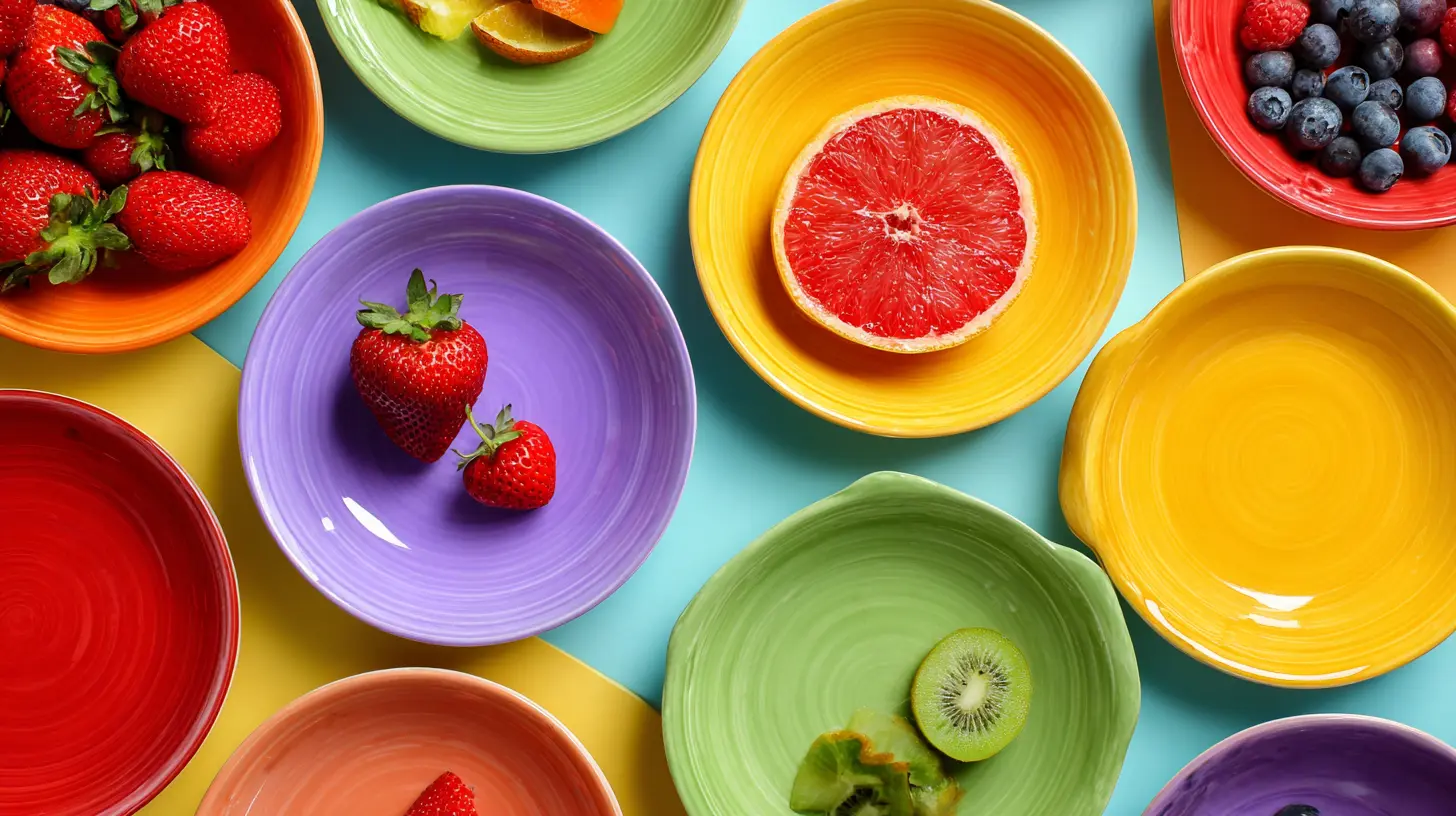
How to Build a Rainbow Plate Without Overthinking It
The most common failure mode is paralysis. People read about phytonutrients and conclude they need to plan every meal like a nutritionist. You do not. You need a repeatable default.The Five-Color Rule Per Day, Not Per Meal
Aim for at least three colors at lunch and dinner, and two at breakfast. Over a day, hit five distinct colors. Over a week, aim for variety within each color. This is more forgiving than trying to construct a perfect plate every time.Example day:
- Breakfast: plain yogurt with frozen blueberries and pumpkin seeds (blue, white, green)
- Lunch: mixed greens with chickpeas, red peppers, and tahini (green, tan, red)
- Dinner: roasted salmon with sweet potato and broccoli (orange, green, plus omega-3s)
- Snack: an orange or a handful of grapes (orange or purple)
That is five to six colors with minimal effort and no exotic ingredients.
Use Color Density as a Quality Signal
Two red foods are not equal. A red candy and a red pepper share a hue but nothing else. Ask whether the color comes from a plant pigment or from a dye. If the ingredient list contains a number, the color is cosmetic, not nutritional. This single filter eliminates most junk food masquerading as colorful eating.Prioritize Skin and Flesh Together
Many polyphenols concentrate in skins: apple peel, cucumber peel, eggplant skin, grape skin. Peeling removes a meaningful fraction of the beneficial compounds. Wash produce well and eat the skin when it is palatable. Exceptions exist, such as thick waxy skins or produce you cannot clean thoroughly, but the default should be to keep it.Cook Strategically
Some nutrients are heat-sensitive. Vitamin C and certain polyphenols degrade with prolonged high heat. Others, like lycopene and beta-carotene, become more available when cooked. The practical answer is to mix raw and cooked preparations across the week rather than obsessing over any single meal.Steaming, roasting, and sauteing generally preserve more nutrients than boiling, which leaches water-soluble compounds into the cooking liquid. If you do boil, use the liquid in soups or sauces.
Common Mistakes and Misconceptions
Mistake 1: Treating Juice as Equivalent to Whole Fruit
Juicing removes most fiber and concentrates sugar. You lose the slow release, the microbiome food, and much of the polyphenol content bound to fiber. A glass of orange juice is not the same as an orange. Whole fruit wins almost every time.Mistake 2: Assuming Supplements Capture the Benefit
A pill with "blueberry extract" is not a blueberry. Whole foods contain hundreds of compounds that interact in ways we do not fully understand. Isolating one molecule often disappoints in trials. Use supplements only for documented deficiencies, and only with professional guidance.Mistake 3: Going All-In on One Color
Anthocyanin enthusiasts sometimes eat berries daily and neglect greens. That is not a rainbow. It is a monochrome with good marketing. Rotation matters because different compounds have different targets and half-lives.Mistake 4: Ignoring Fat and Protein
Fat-soluble carotenoids need dietary fat for absorption. A salad with fat-free dressing wastes some of its nutritional potential. Add olive oil, avocado, nuts, or seeds. Protein matters too, because neurotransmitters like serotonin and dopamine depend on amino acids you must eat.Mistake 5: Confusing Correlation with Causation
Observational studies show that people who eat more plants tend to have better mental health. That is meaningful, but it does not prove plants cause better mood. People who eat well also tend to sleep better, move more, and have better access to care. The honest position is that the evidence is strong enough to act on, but the mechanisms are still being mapped.
Trade-Offs Worth Knowing
Cost and Access
Fresh berries and out-of-season produce can be expensive. Frozen and canned options are often nutritionally comparable and far cheaper. Canned tomatoes, for instance, may have higher lycopene than fresh because of heat processing. Frozen spinach is as useful as fresh in cooked dishes. Buy what fits your budget without shame.Time and Convenience
Pre-cut vegetables cost more but increase the odds you actually eat them. If convenience is the barrier between you and a colorful plate, buy the pre-cut version. The best diet is the one you will follow.Pesticide Concerns
Some people worry about pesticide residues and buy only organic. The evidence on brain health effects is mixed and hard to isolate. If organic is accessible and affordable, fine. If not, eating conventional produce is still better than eating none. Wash thoroughly and vary your sources.Individual Tolerance
Some people react poorly to certain plant compounds. Nightshades, high-FODMAP vegetables, and oxalate-rich greens can cause problems for specific individuals. A rainbow diet is a framework, not a mandate. Work with a clinician if you have a condition that limits certain foods.Making It Stick: Practical Habits
- Keep frozen vegetables and berries on hand for low-effort color.- Roast a tray of mixed vegetables twice a week and use them across meals.
- Add one new color to your grocery cart each week.
- Use herbs and spices, which are concentrated sources of polyphenols, generously.
- Pair plant foods with healthy fats to improve absorption.
- Track color, not calories, for a week to build awareness.
None of this requires perfection. It requires direction.
The Bigger Picture
Your brain is not separate from your body, and your diet is not separate from your mind. The pigments in plants are not decoration. They are part of an ancient chemical conversation between plants and the animals that eat them, and you are a beneficiary of that conversation when you eat a varied, colorful diet.This is not a cure for depression, anxiety, or dementia. Anyone who promises that is selling something. But it is one of the most reliable, low-risk levers you can pull to support mood, focus, and long-term cognitive health. It works alongside sleep, movement, social connection, and medical care, not instead of them.
Start with one extra color today. Then another tomorrow. Bright plates tend to lead to brighter days, and the evidence, while imperfect, points in a consistent direction.
all images in this post were generated using AI tools
Category:
Mood Boosting FoodsAuthor:

Jackson Mahoney