Creating Holistic Health Goals That Cover Mind and Body
20 November 2026
Achieving holistic health is about integrating the mind and body to foster a sense of balance and well-being. This article dives into how to set holistic health goals that encompass both mental and physical aspects of health, moving beyond traditional health metrics.
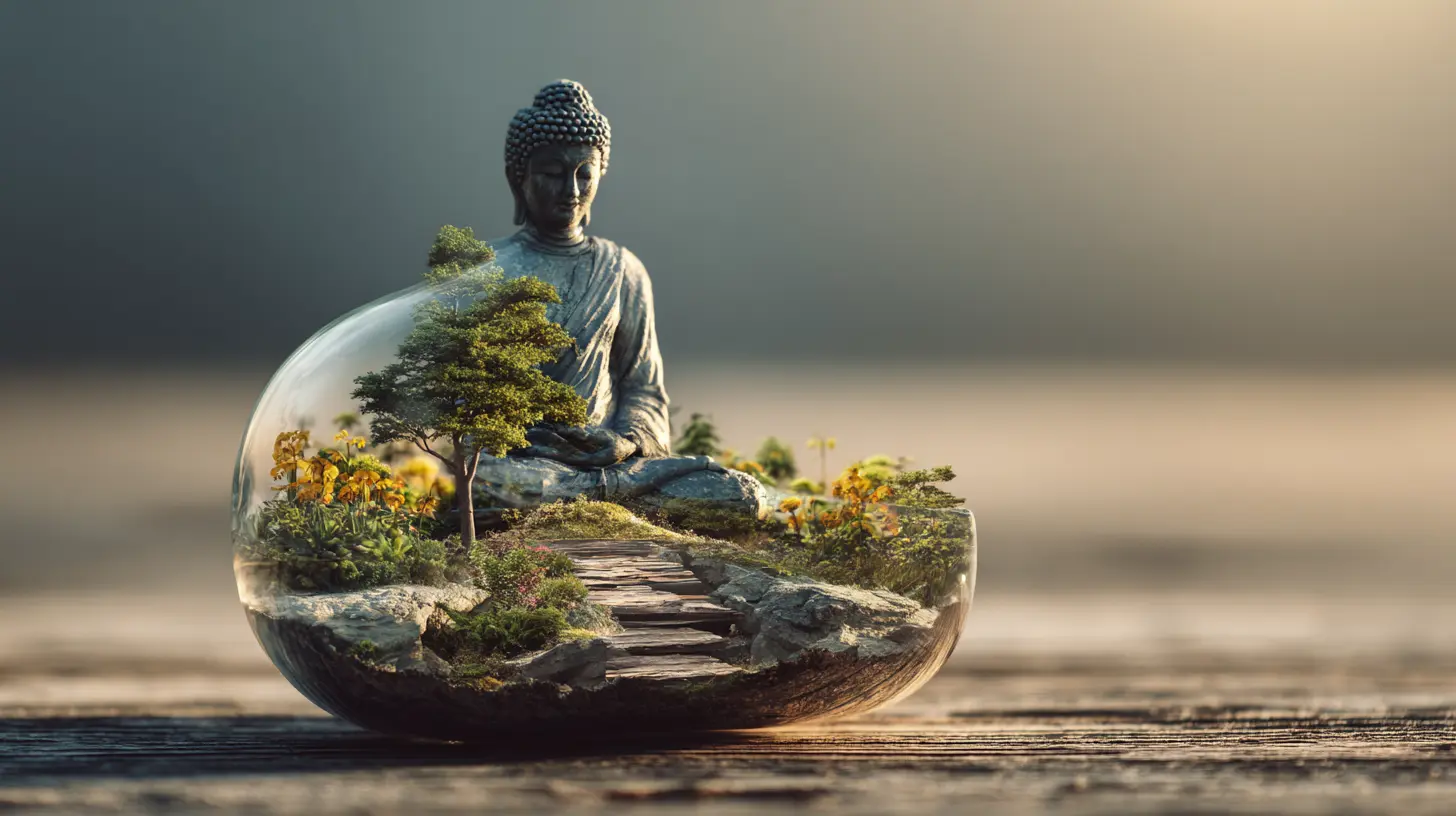
Understanding Holistic Health
Holistic health considers the whole person rather than just individual symptoms or issues. This approach emphasizes that mental, emotional, and physical health are interconnected. For instance, stress can manifest physically as tension or illness, showing how emotional well-being directly impacts physical health and vice versa.The Importance of Balance
Finding balance in health is crucial for long-term well-being. This balance can be thought of as a seesaw; if one side is significantly heavier, the entire structure becomes unstable. Focusing solely on physical fitness while neglecting mental health can lead to burnout or anxiety, while emphasizing emotional well-being without physical activity may result in decreased energy and vitality.
Setting Holistic Health Goals
When setting holistic health goals, it is essential to consider both mind and body. Here are some practical steps to create effective goals.1. Self-Assessment
Before setting goals, assess your current state of health. This could involve journaling your thoughts and feelings, noting physical symptoms, or tracking your daily routines. Understanding where you are on your health journey will help you identify areas that need attention.Questions to Consider:
- How do you feel physically and mentally on a daily basis?- Are there specific stressors in your life that impact your health?
- What habits contribute to your overall well-being?
2. Defining Clear and Measurable Goals
Once you have assessed your current health status, define your goals clearly. Instead of vague objectives like "get healthier," aim for specific, measurable outcomes.Examples of Holistic Goals:
- "Practice mindfulness meditation for 10 minutes each day."- "Incorporate three servings of vegetables into daily meals."
- "Engage in physical activity for at least 30 minutes, three times a week."
3. Integrating Mind and Body
To achieve a truly holistic approach, your goals should integrate both mental and physical components. A goal might involve physical activity that also promotes mental health, such as yoga or tai chi.Example:
- "Attend a weekly yoga class that focuses on mindfulness and physical strength."4. Fostering Accountability
Setting goals is easier when you have accountability. This can take the form of a health partner, a coach, or even a community group. Sharing your goals with others helps solidify your commitment and provides support along the journey.Considerations:
- Join a local wellness group that aligns with your goals.- Find a friend or family member who shares similar health aspirations for mutual encouragement.
5. Flexibility and Adaptation
Life is unpredictable, and your goals may need to adapt over time. Be open to adjusting your goals based on changing circumstances or new insights. Regularly revisit your objectives and assess their relevance.Best Practices:
- Set a recurring date to review your goals and progress.- Be kind to yourself if you encounter setbacks; they are part of the journey.

Common Mistakes in Goal Setting
While the process of setting goals can be straightforward, several common pitfalls should be avoided to ensure success.1. Setting Unrealistic Expectations
One of the most significant mistakes people make is setting goals that are too ambitious or unattainable. Aiming for perfection can lead to frustration and eventually give up.Example:
- Instead of "I will run a marathon in three months," consider "I will run a 5K in six months." This approach allows you to build stamina gradually.2. Neglecting the Mind-Body Connection
Focusing exclusively on physical health can overlook the psychological aspects that contribute to overall wellness. Goals should consider how mental and emotional states affect physical health and vice versa.3. Ignoring Progress
Failing to acknowledge small victories can diminish motivation. Celebrating progress, no matter how minor, keeps spirits high and reinforces positive behaviors.Recommendation:
- Keep a journal to log your achievements and reflect on your growth, reinforcing your commitment to your holistic goals.
Examples of Holistic Health Goals
Here are some nuanced examples of holistic health goals that effectively integrate mind and body.Goal 1: Enhance Mental Clarity and Physical Stamina
Objective: Improve cognitive function while boosting physical fitness.Action Steps:
- Commit to a daily 20-minute brisk walk or jog.
- Incorporate brain-boosting foods into your diet, like blueberries and walnuts.
- Engage in puzzles or brain games for mental stimulation.
Goal 2: Cultivate Emotional Resilience and Physical Flexibility
Objective: Strengthen emotional health while enhancing physical flexibility.Action Steps:
- Attend a weekly yoga class that emphasizes breath control and mindfulness.
- Practice gratitude journaling every evening, listing three things you are thankful for.
- Set aside time for hobbies that bring you joy and relaxation.
Goal 3: Build Social Connections while Improving Fitness
Objective: Foster relationships that also boost physical activity.Action Steps:
- Sign up for a group fitness class or sports league.
- Organize weekly walks or workouts with friends or family.
- Volunteer for community service that involves physical effort, like park cleanups.
The Role of Nutrition in Holistic Health
Nutrition plays a fundamental role in achieving holistic health. What you eat can influence your mood, energy levels, and overall well-being.Mindful Eating
Mindful eating involves paying attention to the eating experience, which can enhance satisfaction and reduce overeating. This practice encourages you to savor every bite, recognize hunger cues, and appreciate the food's nutritional value.Tips for Mindful Eating:
- Put away distractions like phones or TVs during meals.- Take small bites and chew slowly to enjoy flavors and textures.
- Reflect on how certain foods make you feel physically and emotionally.
Nutritional Balance
Aim for a balanced diet rich in whole foods, including fruits, vegetables, whole grains, lean proteins, and healthy fats. Each of these categories contributes to both physical health and mental clarity.Consideration:
- If you struggle with meal planning, consider consulting a registered dietitian to create a plan that aligns with your holistic health goals.
The Impact of Physical Activity
Physical activity is a cornerstone of holistic health. It not only improves physical fitness but also enhances mental well-being.Benefits of Regular Exercise
Exercise releases endorphins, known as "feel-good" hormones, which can help alleviate symptoms of anxiety and depression. regular physical activity can improve sleep, boost confidence, and enhance cognitive function.Types of Exercise to Consider:
- Aerobic activities like running, swimming, or cycling.- Strength training, which can build muscle and improve bone health.
- Flexibility and balance exercises such as yoga or Pilates.
Creating a Diverse Routine
To avoid monotony, incorporate a variety of activities into your routine. This approach keeps things interesting and ensures that you're addressing different aspects of fitness.Suggested Weekly Plan:
- Monday: 30 minutes of strength training- Wednesday: 45 minutes of cycling
- Friday: 30 minutes of yoga
- Sunday: A leisurely hike with friends or family
The Significance of Mental Health Practices
Mental health is not just the absence of illness; it involves emotional and psychological well-being. Therefore, integrating mental health practices into your routine is essential for holistic health.Practices to Promote Mental Well-Being
- Mindfulness Meditation: Regular practice can reduce stress and increase awareness of thoughts and feelings, fostering a more balanced emotional state.- Therapy or Counseling: Professional support can provide valuable insights and coping strategies for managing life's challenges.
- Creative Outlets: Engaging in creative activities like painting, writing, or playing music can enhance emotional expression and mental clarity.
Conclusion
Creating holistic health goals that cover mind and body is a valuable journey toward achieving overall well-being. By assessing your current state, defining clear goals, integrating mind and body practices, and celebrating progress, you pave the way for a healthier, more balanced life. Remember, the path to holistic health is personal and can be adjusted as needed. Embrace flexibility and be open to the journey ahead.
all images in this post were generated using AI tools
Category:
Health GoalsAuthor:

Jackson Mahoney