Enhancing Mental Health Through Functional Medicine
7 July 2026
When we talk about mental health, what’s the first thing that comes to your mind? Depression? Anxiety? Stress that doesn’t seem to go away? You're not alone. Millions of people are silently battling mental health challenges every day. And while traditional medicine has its place, there's a growing interest in a more holistic, root-cause approach — something known as Functional Medicine.
But what exactly is functional medicine, and how can it help with mental health? Glad you asked. Let’s break it all down in a way that’s simple, digestible, and—most importantly—useful.
What Is Functional Medicine Anyway?
Alright, let’s keep it real. Functional medicine isn’t some mystical voodoo or a trendy buzzword (okay, maybe it's trending, but for good reason). It’s a science-backed, patient-centered approach that digs deep to find the reasons why you’re not feeling your best.Instead of just giving you a pill to mask your symptoms, functional medicine looks at the full picture: your diet, genetics, lifestyle, environment, gut health, sleep patterns—you name it. It's the "detective work" of healthcare.
Imagine your body is a garden. Traditional medicine might trim the weeds (aka symptoms), but functional medicine? It checks your soil, sunlight, water, and nutrients to make sure everything is growing the way it should.
The Mind-Body Connection: More Than Just a Buzz Phrase
Ever had a gut feeling? Or felt butterflies in your stomach when you were nervous? That’s your gut-brain axis in action. Yup, your brain and your body are constantly talking—like besties who text all day long.This connection means that your mental health doesn’t exist in a vacuum. It’s influenced by your hormones, gut bacteria, inflammation levels, nutrient status, and even your liver’s ability to detox. Wild, right?
Functional medicine honors that connection. It treats the brain as part of the whole ecosystem—not just a single, siloed organ floating in your head.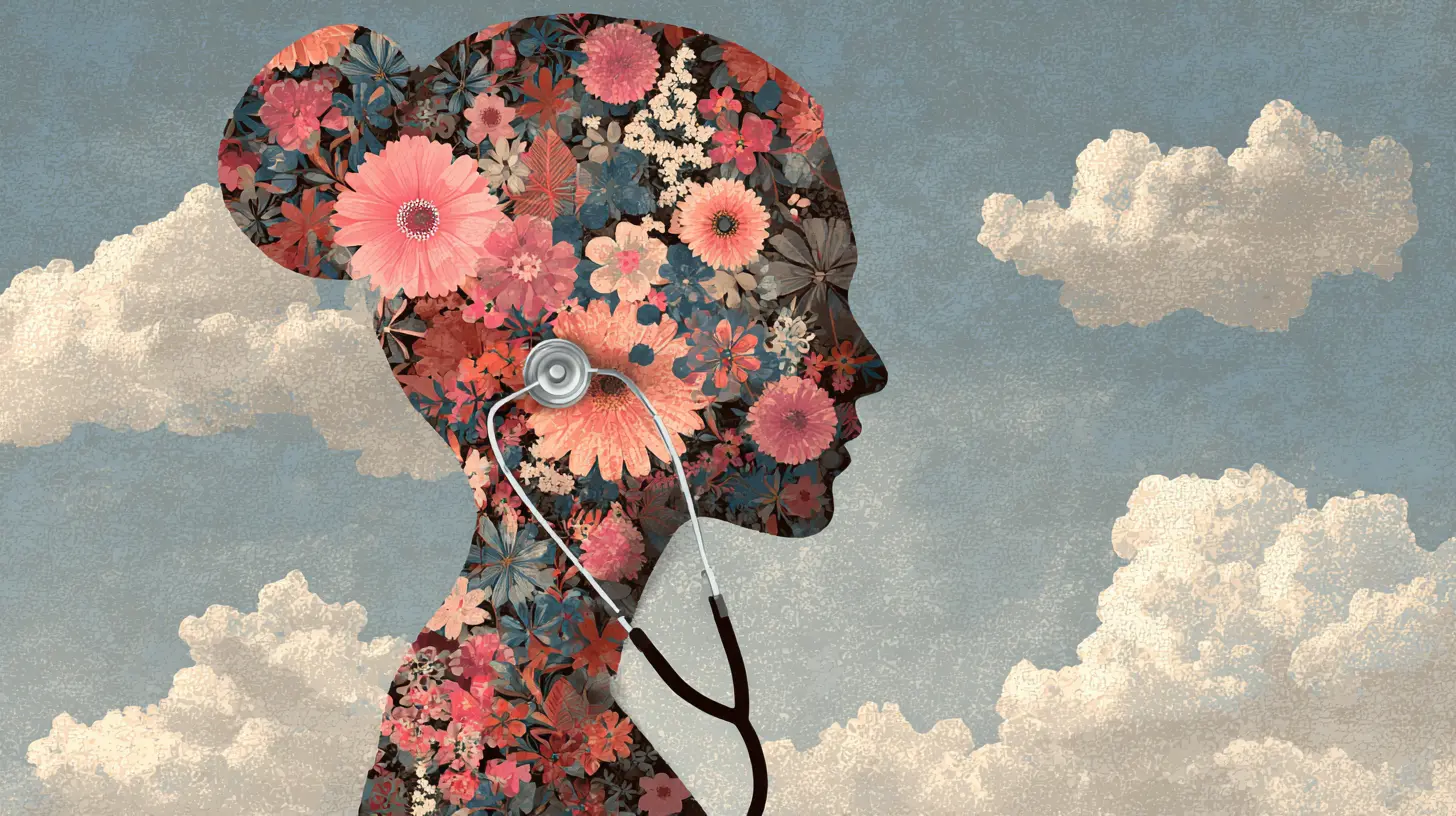
How Functional Medicine Enhances Mental Health
Let's dive into the meat of it. How exactly does functional medicine help boost your mental health? Here are the major players.1. Balancing Nutrient Deficiencies
You could eat a rainbow of veggies and still be missing key nutrients if your body isn’t absorbing them properly. Deficiencies in B vitamins, magnesium, omega-3s, iron, and vitamin D can all mess with your mood.- Vitamin D deficiency is linked to depression.
- Magnesium is your nervous system’s best friend—it helps calm the mind and body.
- Omega-3 fatty acids? Total brain fuel.
Functional medicine practitioners use comprehensive lab testing to check for these deficiencies and recommend targeted supplementation or dietary tweaks.
2. Healing the Gut (And We’re Not Just Talking About Digestive Issues)
Here’s a stat that might blow your mind: Around 90% of your serotonin—the feel-good neurotransmitter—is made in the gut. When your gut's out of whack, your brain feels it.Leaky gut, food sensitivities, dysbiosis (that’s an imbalance of gut bacteria)—these can all contribute to mood disorders like anxiety and depression. Functional medicine focuses on gut healing through:
- Personalized nutrition plans
- Probiotic and prebiotic therapy
- Elimination diets
- Gut-healing supplements like L-glutamine, zinc, and collagen
3. Optimizing Blood Sugar Levels
Mood swings, irritability, brain fog… they might not be “in your head.” Blood sugar imbalances are low-key saboteurs of stable mental health.Chronic blood sugar spikes and crashes can lead to fatigue, anxiety, and even depression over time. Functional medicine helps you balance your blood sugar through:
- Anti-inflammatory, low-glycemic diets
- Managing stress (which majorly affects blood sugar!)
- Incorporating regular movement
- Addressing underlying insulin resistance
4. Supporting Hormonal Balance
If your hormones are out of sync, your mood will be too. Hormones like cortisol, estrogen, progesterone, and thyroid hormones deeply influence your mental and emotional well-being.Feeling burnt out or wired at night? That could be cortisol dysregulation.
Feeling blue before your period? That could be estrogen-progesterone imbalance.
Functional medicine targets hormonal imbalances with natural approaches like:
- Adaptogenic herbs (ashwagandha, rhodiola, holy basil)
- Bioidentical hormone therapy (if necessary)
- Lifestyle modifications that regulate your circadian rhythm
5. Detoxifying the Body—Gently and Naturally
No, we're not talking about trendy juice cleanses. We're talking real, functional detox.Your liver processes not just toxins from the environment but also leftover hormones and neurotransmitters. If it’s sluggish, mental fogginess and mood issues often show up. Supporting your natural detox pathways can clear the mental clouds.
Think:
- Proper hydration
- Fiber-rich foods
- Liver-supporting nutrients like milk thistle, B vitamins, and NAC
- Infrared saunas, dry skin brushing, or Epsom salt baths
6. Addressing Chronic Inflammation
Inflammation might be at the root of more than just physical issues like joint pain—it's heavily linked to depression and cognitive decline too.Functional medicine practitioners go hunting for underlying triggers of inflammation like:
- Poor diet
- Gut pathogens
- Chronic stress
- Hidden infections
- Environmental toxins
Once identified, they create a personalized plan to reduce inflammation naturally through food, movement, rest, and stress reduction.
Functional Medicine vs. Traditional Psychiatry: Can They Work Together?
Absolutely. This isn't an "either-or" scenario. Functional medicine can complement traditional psychiatry beautifully. While meds can be life-saving for some, others may find they're not enough on their own or want to reduce their reliance on them over time.A blended approach allows the best of both worlds: medication for symptom management and functional medicine for root-cause healing.
Real Stories, Real Impact
It’s one thing to talk about how functional medicine might help. But hearing personal stories? That’s where the real inspiration is.Take Amanda, for example. She struggled with anxiety for years. Medications helped a bit, but she never felt truly well. After working with a functional medicine practitioner, she discovered she had gut dysbiosis and severe magnesium deficiency. Within four months of making changes, she felt calmer, more focused, and finally hopeful.
Or Josh, who battled depression since college. A hormonal and thyroid panel revealed a sluggish thyroid and low testosterone. With personalized treatment, cleaner eating, and targeted supplements, his energy and motivation returned.
These aren’t miracles—they’re just the result of looking deeper.
Simple Everyday Tips to Start Right Now
You don’t have to wait till you see a functional medicine doctor to start shifting things. Here are a few bite-sized actions you can take today to support your mental health:- Cut down on sugar and processed foods – your brain will thank you.
- Eat more omega-3 rich foods like wild salmon, chia seeds, and walnuts.
- Go for a daily walk in nature – seriously, it's free medicine.
- Try magnesium-rich foods like spinach, dark chocolate (yes!), and avocados.
- Start journaling – it’s a great way to empty your mental cup.
- Prioritize sleep – no late-night doom scrolling, okay?
When Should You Consider Functional Medicine for Mental Health?
If you’ve been saying things like:- “I’ve tried everything and I still feel off.”
- “My meds help, but I’m not thriving.”
- “I want a more natural, root-cause approach.”
…then functional medicine might be exactly what you’ve been looking for.
Final Thoughts: Healing Is Not One-Size-Fits-All
Let’s be honest—mental health is complex. There’s no magic bullet or one-size-fits-all cure. But what functional medicine offers is hope, and more importantly, options.It says, “Hey, let’s look under the hood. Let’s figure out why you’re feeling like this and what your unique body needs to come back into balance.”
And that? That’s empowering.
You deserve to feel good. You deserve clarity, calm, and joy. Functional medicine might just be the roadmap that helps you get there.
all images in this post were generated using AI tools
Category:
Functional MedicineAuthor:

Jackson Mahoney
Discussion
rate this article
1 comments
Dash McTier
Functional medicine offers a personalized approach that can greatly support mental health.
July 13, 2026 at 2:41 AM
Jackson Mahoney
I appreciate your insight. A personalized approach can truly make a difference in mental health outcomes.