Fermented Foods and Their Feel-Good Powers
21 October 2026
Fermented foods have moved from the back of the health food store to the front of the mainstream conversation, and for good reason. They are one of the few food categories where the traditional wisdom of generations and the modern science of the human microbiome point in the same direction. But there is a lot of confusion wrapped around this topic. Some people treat fermented foods like a cure-all. Others assume they are all the same, or that anything sold in a jar with the word "probiotic" on it is doing something meaningful for their body. Neither assumption holds up well under scrutiny.
This article is about the real feel-good powers of fermented foods: what they actually do, why the effects are sometimes strong and sometimes subtle, where the hype outruns the evidence, and how to use them in a way that fits your life and your gut. We will look at the science, the practical trade-offs, the common mistakes, and the situations where fermented foods might not be the right choice at all.
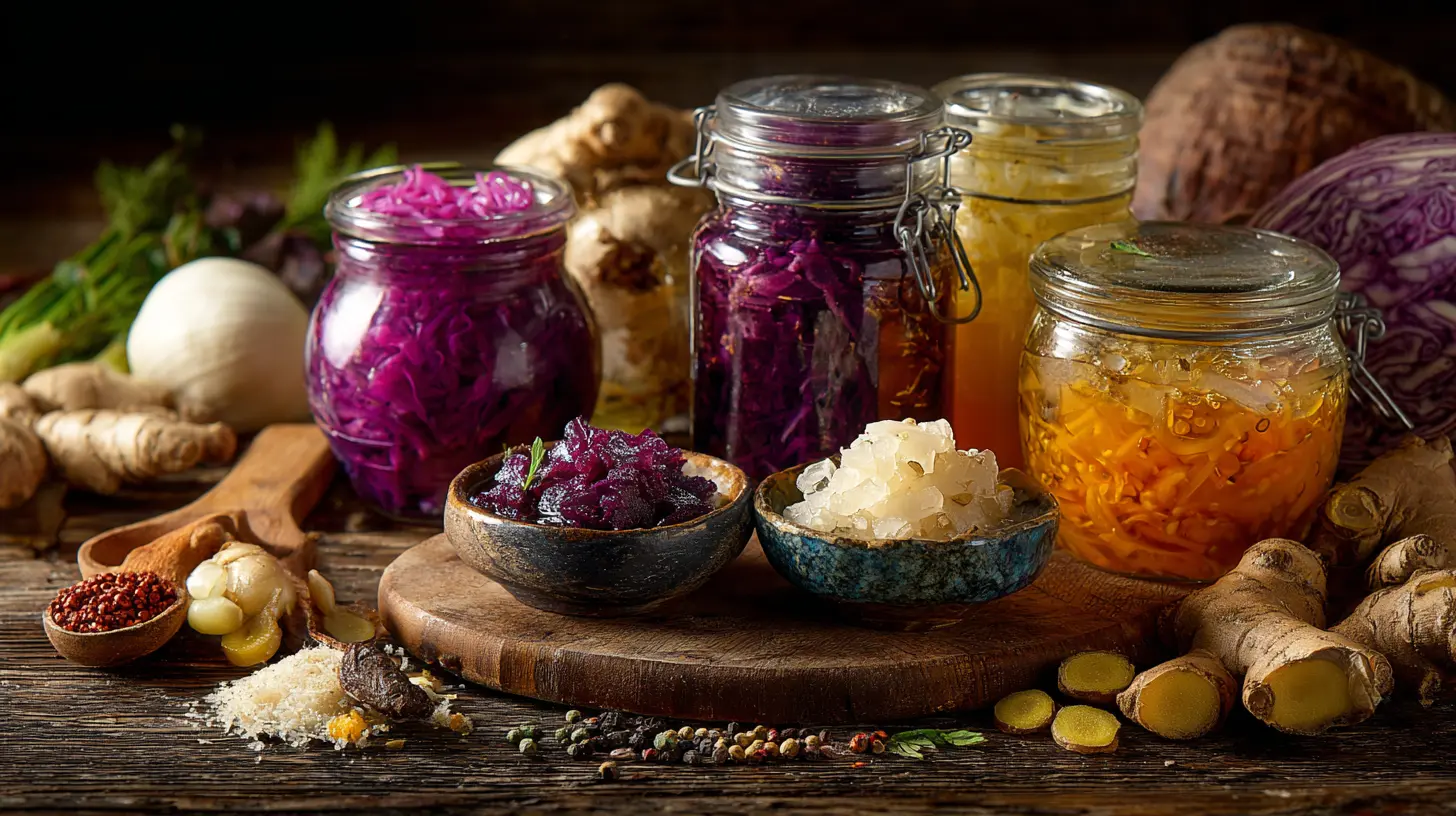
What Fermentation Actually Is
Fermentation is a controlled process in which microorganisms, usually bacteria or yeast, break down sugars and other compounds in food. The key word is controlled. Fermentation is not the same as spoilage. In spoilage, unwanted microbes take over and produce off flavors or harmful compounds. In fermentation, the conditions select for specific microbes that transform the food in predictable, safe, and often delicious ways.There are two broad families of fermented foods, and the distinction matters more than most people realize.
Fermented foods with live cultures contain living microorganisms at the time you eat them. Examples include yogurt with active cultures, kefir, raw sauerkraut, kimchi, some pickles, miso, and certain cheeses. These are the ones most directly linked to probiotic effects, because the live microbes can potentially survive the trip through your stomach and reach your intestines.
Fermented foods without live cultures have been fermented but then processed in a way that kills the microbes. Soy sauce, most bread, many wines, and pasteurized sauerkraut fall into this group. They still offer flavor, some transformed nutrients, and in some cases bioactive compounds, but they do not deliver live probiotics.
This distinction is the single most important thing to understand before you spend money on fermented products. A jar of pickles made with vinegar is not a fermented food in any meaningful sense. It is a pickled food. The vinegar does the preserving, and there are no live cultures involved. If your goal is gut health, that difference is everything.
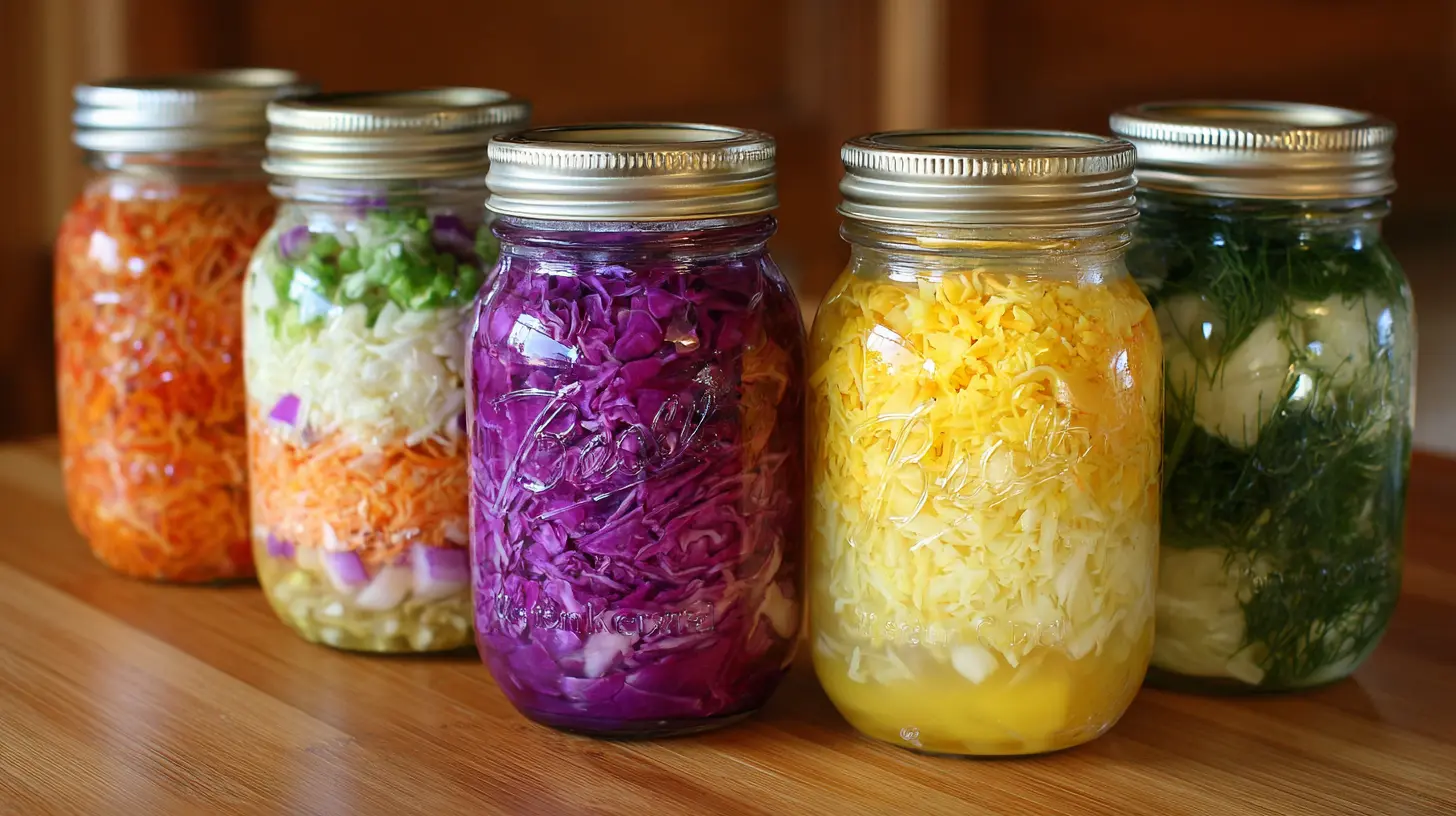
The Gut Connection: Why Live Cultures Matter
Your gut is home to trillions of microorganisms, collectively called the gut microbiome. This community influences digestion, immune function, the production of certain vitamins, and the gut-brain conversation that affects mood and energy. The microbiome is shaped by many factors, including genetics, medication, stress, sleep, and, crucially, diet.Fermented foods with live cultures can support the microbiome in a few ways. They introduce live microbes, though most of them are transient and do not permanently colonize the gut. They also deliver the compounds those microbes produce during fermentation, such as organic acids, peptides, and short-chain fatty acids. And they can influence the environment in your gut in ways that favor beneficial bacteria already living there.
Here is where honesty is needed. The idea that eating a spoonful of sauerkraut will permanently reshape your microbiome is oversimplified. Research on probiotics and fermented foods is promising but still developing, and the effects vary a lot from person to person. What the evidence does support is that regular consumption of live fermented foods is associated with a more diverse gut microbiome and with general digestive comfort in many people. Diversity is generally considered a marker of a healthy gut, so that is a meaningful signal, even if the exact mechanisms are still being mapped out.
Think of it less like planting a permanent garden and more like regularly tending the soil. You are not necessarily introducing new permanent residents. You are creating conditions that help the residents you already have thrive.
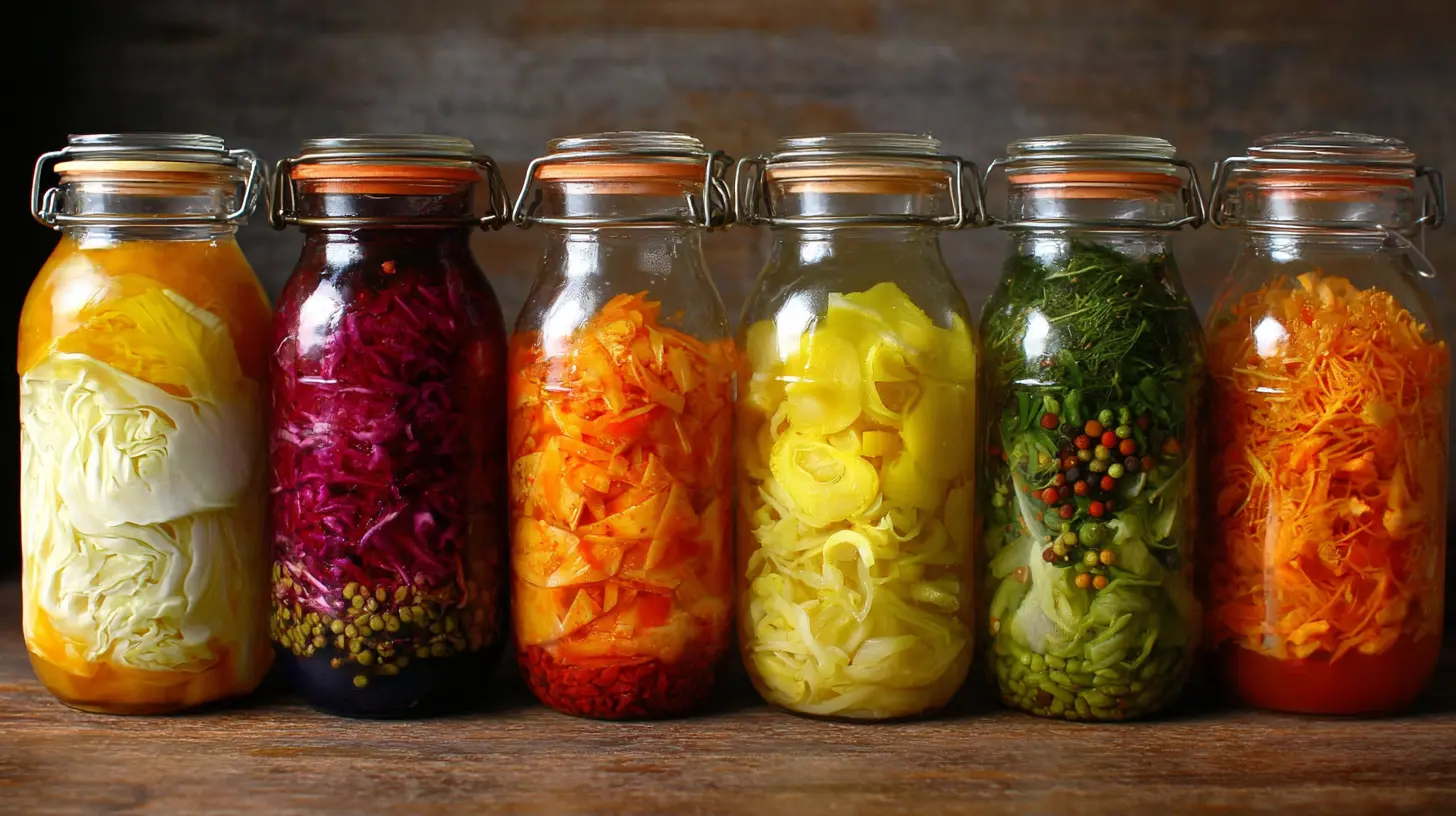
The Feel-Good Powers, Explained
The phrase "feel-good powers" is not just marketing. There are several concrete pathways through which fermented foods can influence how you feel.Digestion and Comfort
Many people notice improved digestion when they eat live fermented foods regularly. This can show up as less bloating, more regular bowel movements, or simply less discomfort after meals. The reasons are practical. Live cultures can help break down certain compounds that some people struggle to digest. Fermentation itself pre-digests some of the food, which is why many people who are sensitive to dairy can tolerate yogurt or kefir better than milk. The microbes have already done part of the work.The Gut-Brain Axis
Your gut and your brain are in constant communication through the vagus nerve, the immune system, and chemical signals produced by gut microbes. Some fermented foods contain or stimulate the production of compounds that influence this conversation, including certain neurotransmitters and their precursors. This is an active area of research, and it would be dishonest to claim that kimchi will cure low mood. But the connection between gut health and emotional well-being is real, and supporting your gut through diet is a reasonable part of a broader approach to feeling well.Nutrient Availability
Fermentation can make certain nutrients easier to absorb. For example, the phytic acid found in grains and legumes can bind minerals and reduce their absorption. Fermentation can break down some of that phytic acid, which is one reason traditionally fermented grain products have nutritional advantages over their unfermented counterparts. Similarly, fermentation can increase the availability of certain B vitamins in some foods.Immune Support
A large portion of your immune system is housed in your gut. A diverse, well-supported microbiome is associated with a well-regulated immune response. Fermented foods contribute to this by supporting the gut environment and by exposing your immune system to a variety of harmless microbes, which some researchers believe helps train it to respond appropriately.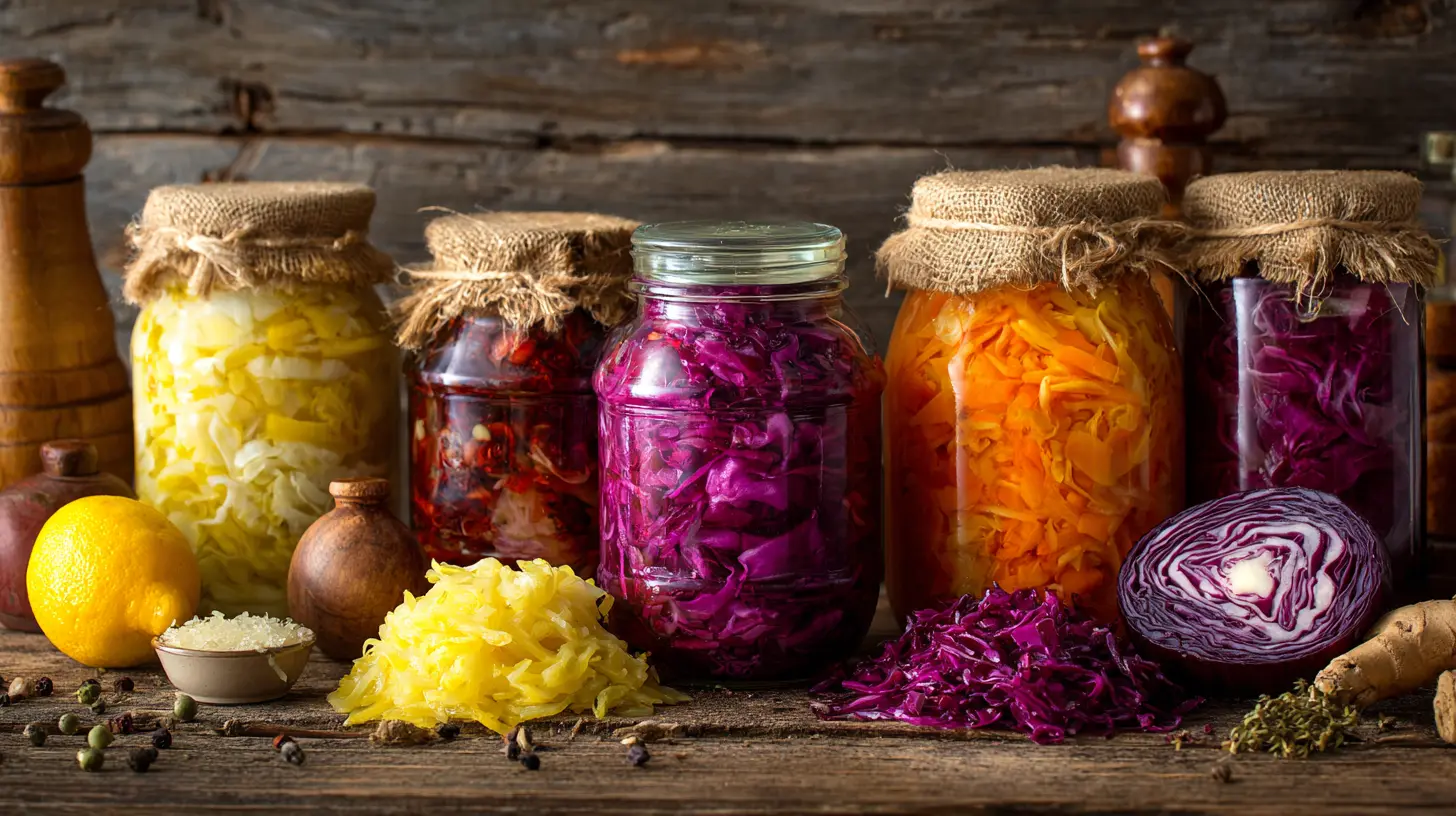
A Practical Tour of Common Fermented Foods
Not all fermented foods are created equal, and understanding the differences helps you choose wisely.Yogurt is the most familiar example. Look for yogurt that lists live and active cultures and does not contain added sugar in large amounts. Greek yogurt is strained, which concentrates protein but can reduce some of the culture content depending on the brand. Plain yogurt is the most versatile choice because you control what goes into it.
Kefir is a fermented milk drink made with kefir grains, which are a complex community of bacteria and yeasts. It typically contains a broader range of microorganisms than yogurt and is often well tolerated by people who find yogurt too mild. It has a tangy, slightly effervescent quality that takes some getting used to.
Sauerkraut and kimchi are fermented cabbage products. Raw, unpasteurized versions contain live cultures. They are inexpensive to make at home and are a good entry point for people new to fermentation. Kimchi adds chili and other seasonings, which some people find more appealing than plain sauerkraut.
Miso is a fermented soybean paste used in Japanese cooking. It is salty and savory and adds depth to soups and marinades. Much of the live culture is reduced when miso is stirred into hot liquid, so its probiotic value depends on how you use it. Adding miso to dishes at the end of cooking, rather than boiling it, preserves more of the live cultures.
Tempeh is a fermented soybean product with a firm texture and a nutty flavor. It is a good source of plant protein and contains live cultures before cooking. Cooking tempeh kills the cultures, so its benefits are more about the transformed soy and nutrient profile than about live probiotics.
Kombucha is a fermented tea drink. It contains live cultures and some organic acids. It is often high in added sugar in commercial versions, so read labels. Home-brewed kombucha gives you more control but requires careful attention to hygiene to avoid contamination.
Fermented vegetables beyond cabbage, such as fermented carrots, beets, and peppers, are easy to make and add variety to your diet. Variety matters because different foods support different microbes.
Common Mistakes and Misconceptions
A few myths and errors come up again and again, and clearing them up will save you money and frustration.Mistake one: assuming "pickled" means "fermented." As mentioned earlier, most commercial pickles are made with vinegar and are not fermented. Check the label for live cultures or make your own.
Mistake two: buying pasteurized fermented foods and expecting probiotic benefits. Pasteurization kills the live cultures. If the label says pasteurized, you are getting flavor and some nutrients, but not live probiotics.
Mistake three: going overboard at the start. Eating a large amount of fermented food when your gut is not used to it can cause gas, bloating, and discomfort. Start with small portions, such as a tablespoon of sauerkraut or a few ounces of kefir, and increase gradually over a few weeks.
Mistake four: believing more is always better. There is no established ideal dose of fermented foods, and more is not automatically better. Consistency matters more than volume. A small serving most days is generally more useful than a large serving once a week.
Mistake five: ignoring salt and sugar. Many fermented foods are high in sodium, and many commercial kombuchas and flavored yogurts are high in added sugar. If you are watching either, read labels and choose accordingly.
Mistake six: expecting fermented foods to fix a poor diet. Fermented foods are a helpful addition to a good diet, not a replacement for one. They work best alongside fiber-rich vegetables, adequate protein, and overall variety.
How to Start Without Overwhelming Yourself
The best approach is gradual and specific to you. Here is a practical sequence that works for most people.Start with one fermented food you actually enjoy. If you like yogurt, begin there. If you prefer savory foods, start with sauerkraut or kimchi. Enjoyment matters because you are more likely to keep eating something you like.
Begin with a small serving once a day. A few tablespoons of yogurt, a small glass of kefir, or a forkful of sauerkraut is enough to start. Pay attention to how your body responds over the first week or two. Some initial gas or mild bloating is common and often settles as your gut adjusts. If discomfort persists or worsens, reduce the amount or pause and reintroduce more slowly.
Add variety once you are comfortable. Different fermented foods contain different microorganisms and offer different nutrients. Rotating among a few options gives you a broader range of benefits and keeps meals interesting.
Consider making some fermented foods at home. Home fermentation gives you control over salt, sugar, and ingredients, and it is often cheaper than buying commercial products. Sauerkraut and fermented carrots are beginner-friendly. If you go this route, follow tested recipes and pay attention to cleanliness and proper storage, because home fermentation done carelessly can go wrong.
When Fermented Foods Might Not Be Right for You
Fermented foods are generally safe for most people, but there are situations where caution is warranted.People with weakened immune systems should talk to a healthcare provider before adding live fermented foods, because live cultures carry a small risk of infection in vulnerable individuals. People with histamine intolerance may react to fermented foods, since fermentation can increase histamine levels. If you notice headaches, flushing, or other symptoms after eating fermented foods, histamine could be a factor worth discussing with a professional.
People with certain digestive conditions, such as severe small intestinal bacterial overgrowth, may find that fermented foods worsen symptoms, at least initially. This does not mean fermented foods are bad for everyone with gut issues. It means the right approach depends on the individual, and a healthcare provider or dietitian can help you navigate it.
If you are on a low-sodium diet, be mindful of salt-heavy fermented foods like miso and some sauerkrauts. If you are managing blood sugar, watch for added sugar in kombucha and flavored yogurts.
Fermented Foods in Context: A Balanced View
Fermented foods are genuinely useful, but they are not magic. They are one part of a broader pattern of eating that supports gut health and overall well-being. That pattern includes plenty of fiber from vegetables, fruits, legumes, and whole grains, adequate hydration, regular movement, good sleep, and stress management. No single food or food group can substitute for those foundations.It is also worth remembering that the research on fermented foods, while promising, is still evolving. We know a lot about the microbiome, but we do not yet know everything about how specific foods affect specific people. That is why a gradual, observational approach works better than chasing the latest study or product. Pay attention to your own body, start small, and adjust based on what you notice.
The feel-good powers of fermented foods are real, but they are the kind of real that comes from consistent, sensible use rather than dramatic claims. A spoonful of sauerkraut will not transform your health overnight. But a habit of including live fermented foods in your meals, alongside a generally good diet, is a reasonable and often enjoyable way to support your gut and, by extension, how you feel day to day.
Final Thoughts
Fermented foods have earned their place in a healthy diet, but they reward informed use. Know the difference between live and pasteurized products. Start small. Choose foods you actually like. Watch for salt and sugar. Pay attention to your body's response. And keep your expectations grounded in what the evidence actually supports.If you take that approach, fermented foods can be a genuinely useful and pleasant part of your routine, one that supports digestion, nutrient absorption, and the gut environment that influences so much of how you feel.
all images in this post were generated using AI tools
Category:
Mood Boosting FoodsAuthor:

Jackson Mahoney