What Next-Level Sleep Science Means for You by 2026
11 September 2026
Sleep has always been a strange blind spot in medicine. We spend roughly a third of our lives unconscious, yet for most of modern history doctors treated that third as dead time. You either slept or you did not. If you did not, you got a pill. That era is ending fast, and the shift is not just about better mattresses or fancier trackers. It is about a fundamental change in how we understand the sleeping brain, and what that understanding will let ordinary people do by 2026.
This article is not a roundup of gadgets. It is a look at where the science is genuinely heading, what will actually reach your bedroom, what is still hype, and how to position yourself so the coming wave helps you instead of confusing you.
Why Sleep Science Is Suddenly Moving So Fast
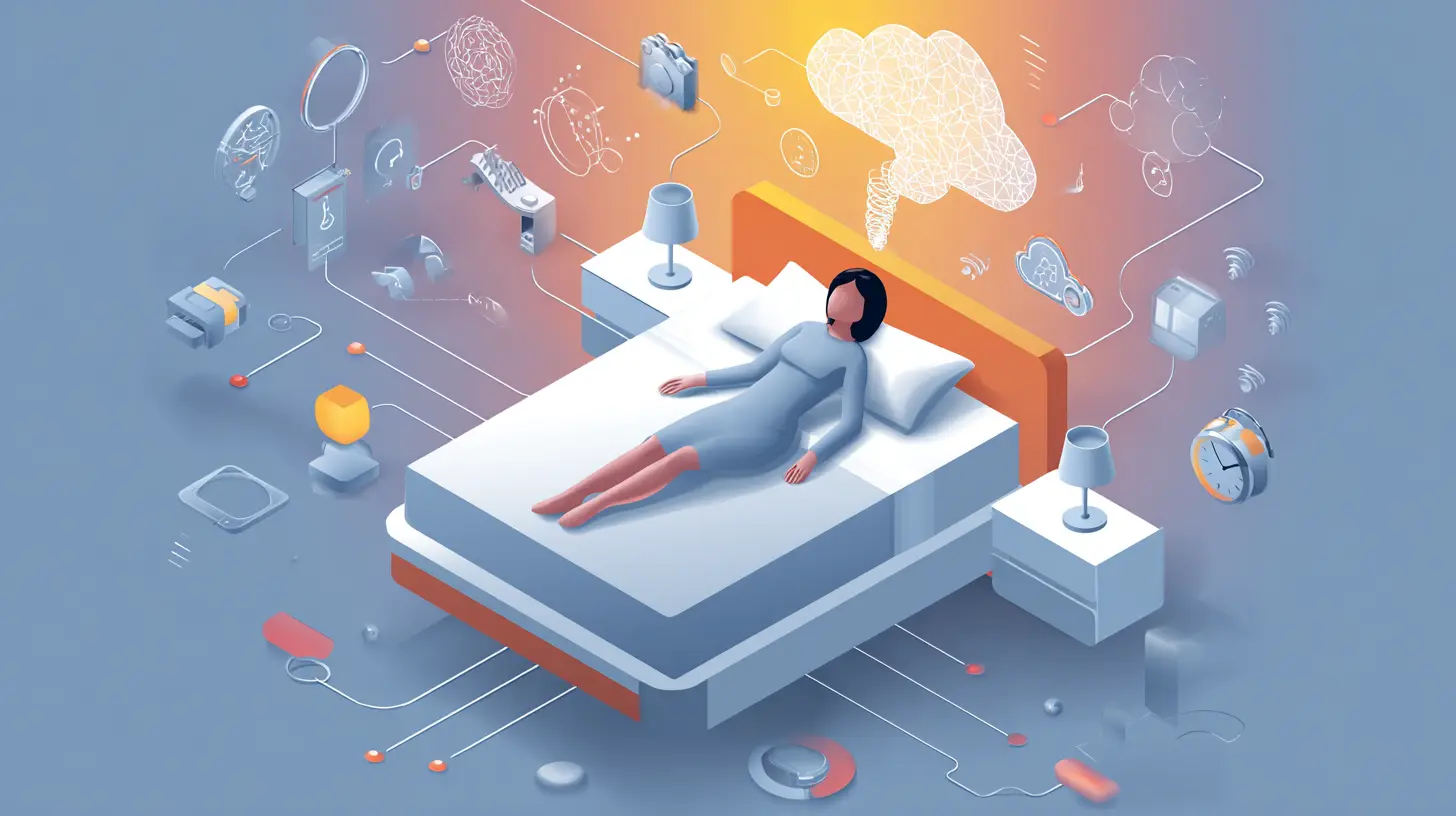
For decades, sleep research sat in an odd corner. The tools were crude. You could wire someone up in a lab with electrodes and watch brain waves scroll across a screen, or you could ask them how they felt in the morning. Both approaches had limits. Lab sleep is not real sleep, and self-reporting is unreliable because people are notoriously bad at judging their own sleep quality.Three things changed.
First, measurement moved out of the lab. Wearables, phone sensors, and under-mattress devices now estimate sleep stages using heart rate variability, movement, breathing patterns, and sometimes small amounts of electrical signal. None of these are as accurate as a clinical sleep study, but they are good enough to spot trends across weeks and months, which is where the real signal lives.
Second, the biology got sharper. Researchers mapped the glymphatic system, a waste-clearance process that appears to run mostly during deep sleep. They linked specific sleep stages to memory consolidation, emotional regulation, and metabolic health. Sleep stopped being one thing and became several distinct processes, each with its own job.
Third, interventions became targeted. Instead of sedating the whole brain, newer approaches try to nudge specific rhythms. That is the key idea behind everything that follows.
The Big Conceptual Shift: Sleep as a Set of Dials, Not a Switch
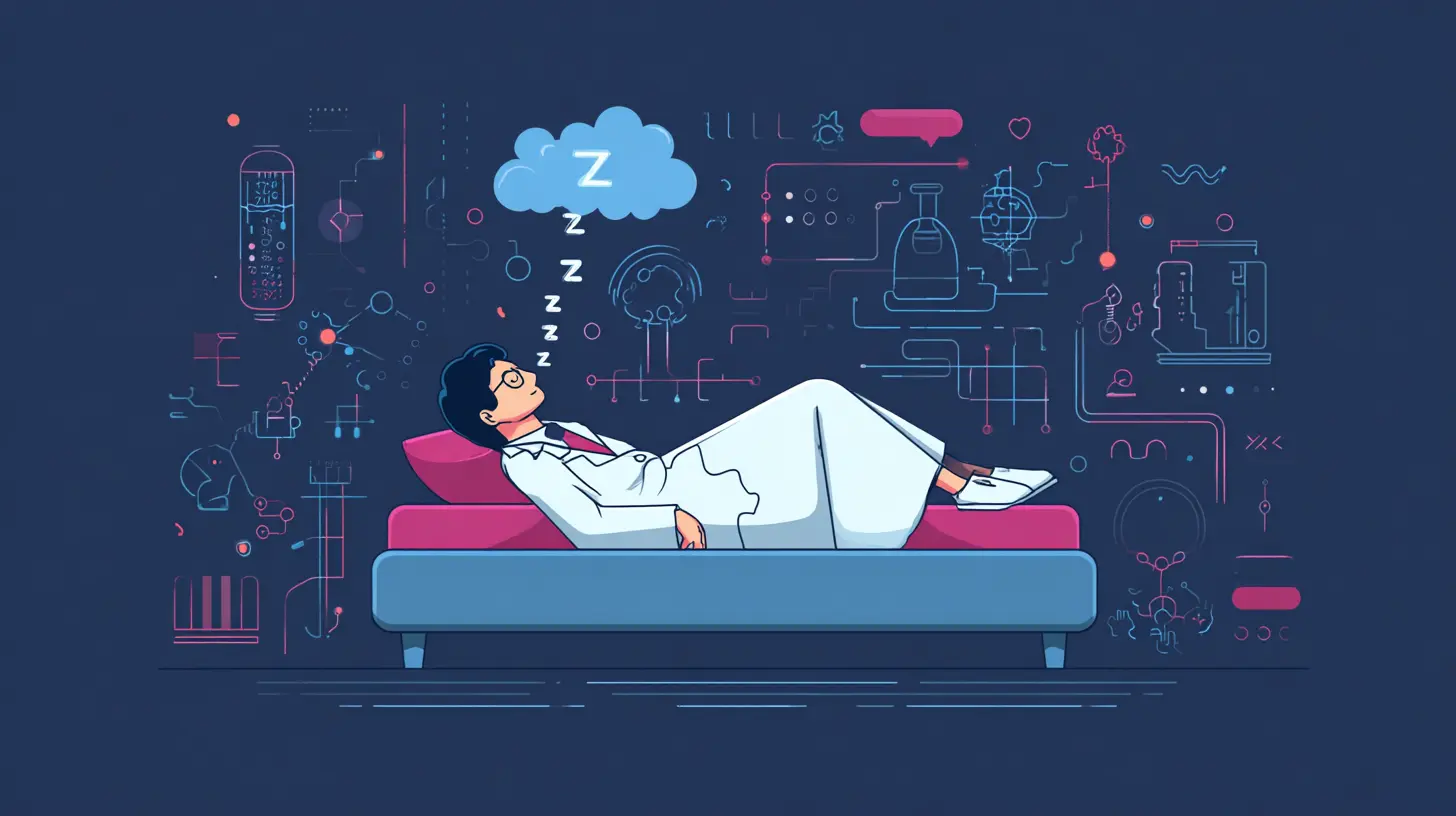
The old model treated sleep like a light switch. On or off. Insomnia meant you could not flip the switch, so you got a drug that forced it.The emerging model treats sleep as a mixing board with several independent dials: sleep depth, sleep timing, sleep continuity, and the ratio of different stages. You can be asleep for eight hours and still have poor deep sleep, fragmented continuity, and a badly timed rhythm. That combination can leave you exhausted even though your tracker says you slept fine.
This matters because it explains a frustration millions of people share. They sleep eight hours, wake up groggy, and assume the tracker is wrong. Often the tracker is right about duration and blind to quality. The dials that matter most were never measured.
By 2026, the practical question will not be "did you sleep enough." It will be "which dial is off, and what is the least invasive way to correct it."
What Is Actually Coming, and When
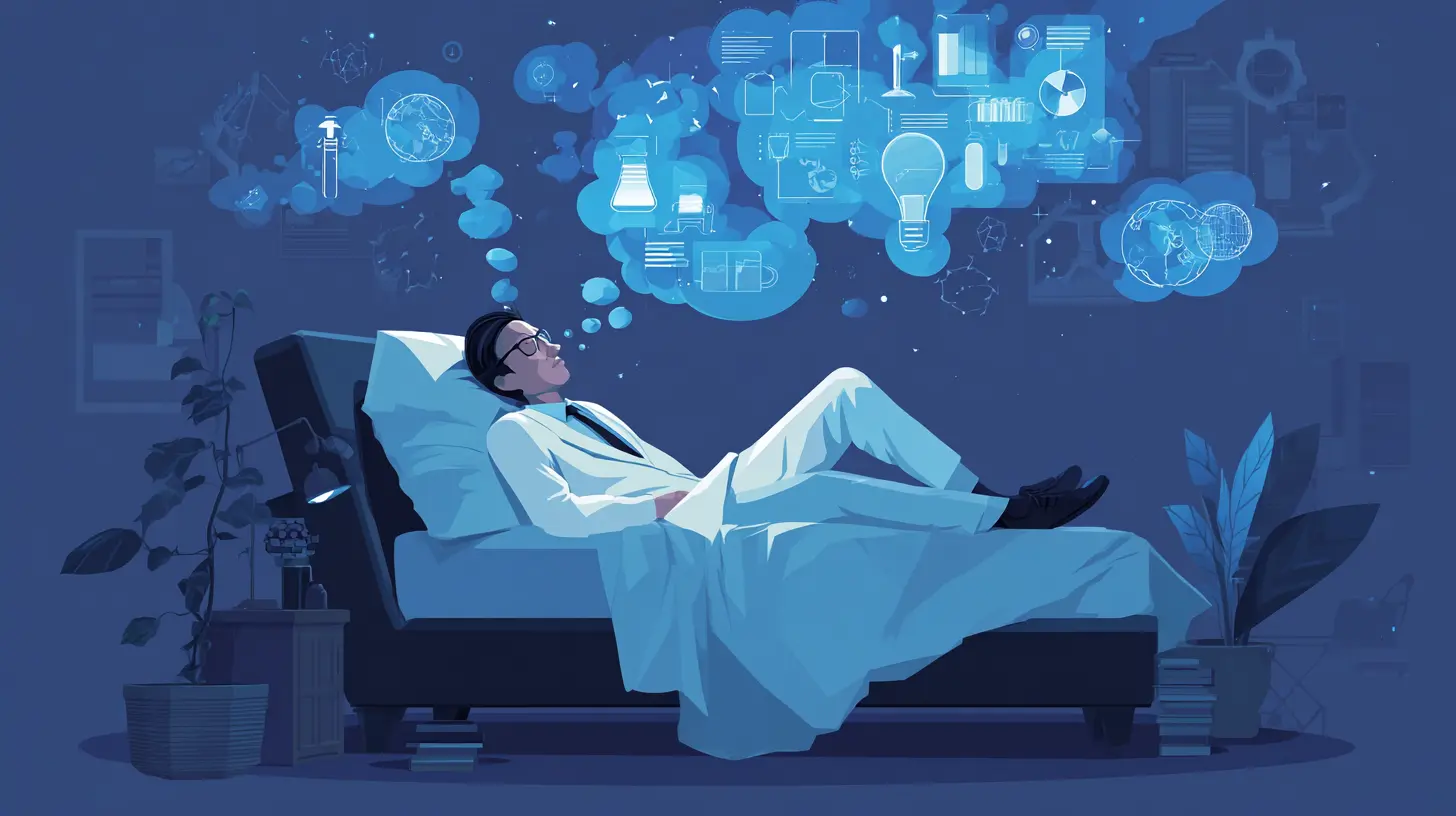
It helps to separate what is already here from what is plausible within a few years and what is still speculative. Hype tends to blur all three.Already real and improving
Consumer sleep tracking is getting better at estimating sleep stages, though accuracy still varies by device and by person. Closed-loop audio systems that play quiet pink noise timed to your brain waves can modestly increase slow-wave sleep in some people. Light therapy devices and apps that adjust evening light exposure are mature enough to use. These are not miracles, but they are tools with real evidence behind them.Plausible by 2026
Wearable and nearable devices that combine several signals, such as heart rate, temperature, and motion, to estimate sleep quality more reliably. Personalized recommendations driven by your own data rather than population averages. Better integration between sleep data and other health metrics like glucose and blood pressure, which makes the consequences of poor sleep visible in real time. Some of this is already arriving in pieces.Still speculative
Direct brain stimulation to enhance memory during sleep has shown interesting results in small lab studies, but it is nowhere near a consumer product. Claims about "hacking" sleep stages with a headband should be treated with caution. The biology is real. The consumer-grade delivery is not there yet.
The Four Levers You Will Actually Be Able to Pull
By 2026, most of the meaningful action will cluster around four levers. Understanding them now puts you ahead of the marketing.1. Timing: Your Circadian Anchor
Your body runs on an internal clock that expects light, food, and activity at certain times. When your behavior drifts away from that clock, sleep suffers even if you spend enough hours in bed.The most powerful and cheapest lever is morning light. Ten to thirty minutes of outdoor light shortly after waking helps anchor your rhythm. Indoor light is far weaker, often by an order of magnitude, so sitting by a window is not the same as stepping outside.
Why it works: light exposure in the morning advances your clock, making it easier to fall asleep at a reasonable hour that night. Light in the evening does the opposite. This is why late-night screen use is a problem, though probably a smaller one than the internet claims. The bigger issue is usually that screens keep you alert and delay your bedtime, not that the light itself is uniquely toxic.
When to be careful: shift workers and people with delayed sleep phase patterns need more than morning light. They may need structured timing of light and dark, and sometimes professional guidance. Simply forcing an early bedtime against a delayed clock rarely works and often backfires.
2. Depth: Slow-Wave Sleep
Deep sleep, also called slow-wave sleep, is when the brain appears to clear metabolic waste and consolidate certain types of memory. It is concentrated in the first half of the night, which is why cutting sleep short hits deep sleep hardest.Things that tend to support deep sleep: consistent sleep and wake times, cool bedroom temperatures, avoiding alcohol close to bedtime, and regular physical activity earlier in the day. Alcohol is worth singling out. It helps people fall asleep faster, which is why it feels effective, but it fragments sleep later and suppresses deep sleep. Many people who drink to sleep are borrowing against the second half of the night.
What is coming: audio stimulation timed to slow waves, and better tracking that tells you whether your deep sleep is actually improving. What is not coming soon: a pill that selectively deepens slow-wave sleep without side effects. That remains a research goal, not a product.
3. Continuity: Staying Asleep
Sleep continuity is about how often you wake and how long it takes to fall back asleep. Brief awakenings are normal. Most people wake several times a night and do not remember it. The problem is when awakenings are frequent or when you cannot return to sleep.Common culprits include a bedroom that is too warm, noise, an overactive bladder, untreated breathing problems, and anxiety. Sleep apnea is the one to take seriously. If you snore heavily, wake gasping, or feel unrefreshed despite adequate hours, that is a medical issue, not a lifestyle tweak. No tracker or supplement fixes it. It needs a diagnosis.
Why the tech matters here: continuous monitoring can reveal patterns you would never notice, like waking at the same time every night, which might point to a blood sugar issue, a medication effect, or an environmental trigger.
4. Regularity: The Most Underrated Dial
Sleep regularity, meaning going to bed and waking at roughly the same times every day, may matter as much as total duration. People with irregular sleep patterns show worse metabolic and cardiovascular markers even when their average sleep duration looks fine.This is the lever most people ignore because it is boring and socially inconvenient. It also happens to be one of the most powerful.
A practical rule: keep your wake time fixed, even on weekends. It is easier to anchor a schedule from the morning than from the evening. If you must shift, do it gradually, no more than about an hour per day.
What the Trackers Will and Will Not Tell You
By 2026, sleep tracking will be nearly universal. That is a mixed blessing.What trackers are good at: spotting trends, showing the effect of a change, and flagging possible problems like consistently low blood oxygen or highly fragmented sleep. They are excellent at revealing your own patterns over time, because you are your own baseline.
What trackers are bad at: absolute accuracy on any single night. If your device says you got 47 minutes of deep sleep, do not treat that as precise. Treat it as a rough signal. Chasing a specific number on a specific night is a recipe for anxiety, and anxiety about sleep is itself a cause of poor sleep.
This is a real trap. Clinicians have started seeing people who feel worse because they are obsessing over sleep scores. The condition has a name in the field, and it is essentially orthosomnia, an unhealthy preoccupation with perfect sleep data. If tracking makes you anxious, the tracker is hurting you. Consider using it for a few weeks to learn your patterns, then putting it away.
Better practice: look at weekly averages, not nightly numbers. Change one thing at a time. Give it two weeks before judging. Sleep responds slowly, and the noise in the data is large.
Interventions Ranked by Evidence and Effort
People want a list. Here is one, ordered by how much evidence supports the approach and how much effort it takes.Strong evidence, low effort and cost:
- Fixed wake time, seven days a week
- Morning outdoor light
- Cool, dark, quiet bedroom
- Limiting alcohol and caffeine, especially in the afternoon and evening
Strong evidence, moderate effort:
- Cognitive behavioral therapy for insomnia, known as CBT-I, which is the first-line treatment for chronic insomnia and outperforms medication over the long term
- Regular daytime exercise, not too close to bedtime for people who find it stimulating
Moderate evidence, variable cost:
- Timed audio stimulation for slow-wave sleep
- Light therapy devices for specific rhythm problems
- Weighted blankets for some people with anxiety-related sleep issues
Weak or mixed evidence, often expensive:
- Most sleep supplements, including melatonin for general insomnia. Melatonin is most useful for shifting timing, not for staying asleep
- Blue light glasses, which help in some situations but are oversold
- Most "sleep hacking" gadgets that promise to optimize stages
No evidence, potentially harmful:
- Sedatives as a long-term solution without addressing the cause
- Alcohol as a sleep aid
The pattern is clear. The most effective interventions are behavioral and nearly free. The most heavily marketed ones are the weakest.
The Trade-Offs Nobody Mentions
Every intervention has a cost, and pretending otherwise leads people astray.CBT-I works, but it often involves temporary sleep restriction, which means you will feel worse before you feel better. Many people quit during that phase. Knowing it is coming helps you push through.
Melatonin is generally safe, but timing and dose matter enormously, and most people take it wrong. Taken at the wrong hour, it can shift your clock in the wrong direction. Smaller doses are often more effective than the large ones sold in stores.
Wearables give data, but data can create anxiety, and anxiety worsens sleep. The tool can become the problem.
Cool bedrooms help most people, but not everyone. Some people sleep better slightly warm. Personal variation is real, and population averages are just starting points.
The honest summary: there is no universal best practice. There is only the best practice for your specific pattern, which is why measurement and experimentation matter more than any single recommendation.
Common Mistakes and Misconceptions
A few recurring errors are worth naming directly.Mistake one: treating sleep as a productivity problem. Sleep is not a task to optimize. It is a biological process that responds to consistency and safety. Pressure and urgency make it worse.
Mistake two: chasing deep sleep numbers. Deep sleep naturally declines with age. A lower number is not automatically a problem. Context matters.
Mistake three: assuming more is always better. Long sleep can be a symptom of an underlying issue, not a goal. Quality and regularity often matter more than raw duration.
Mistake four: ignoring breathing. Snoring, gasping, and daytime sleepiness despite adequate hours deserve medical attention. This is the single most important thing not to self-treat.
Mistake five: changing everything at once. If you change five things and feel better, you do not know which one worked. Change one, hold it for two weeks, then decide.
How to Prepare Now, Before 2026
You do not need to wait for the next wave of technology. The fundamentals will still be the fundamentals, and the people who benefit most from new tools will be those who already understand their own patterns.Start with a two-week baseline. Note your wake time, your bedtime, how you feel, and anything unusual. Do not change anything yet. Just observe. This gives you a reference point that no device can provide on its own.
Then pick one lever. For most people, the highest return is a fixed wake time plus morning light. Do that for two weeks. If it helps, keep it. If not, try the next lever.
Get a medical evaluation if you have signs of a sleep disorder. This is not optional. No amount of optimization beats a correct diagnosis.
Finally, be skeptical of anything that promises to "hack" your biology. The real advances coming by 2026 are about precision and personalization, not shortcuts. The science is getting better at telling you which dial is off. It is not getting better at letting you skip sleep.
The Bottom Line
Next-level sleep science is less about exotic technology and more about a sharper understanding of what sleep actually does. By 2026, you will have better data, more targeted tools, and clearer guidance than any generation before you. But the core levers, timing, depth, continuity, and regularity, will remain the same, because they are built into your biology.The people who thrive in this new era will not be the ones with the most gadgets. They will be the ones who understand their own patterns, change one thing at a time, and know when to stop optimizing and simply sleep.
all images in this post were generated using AI tools
Category:
Health TrendsAuthor:

Jackson Mahoney
Discussion
rate this article
2 comments
Azriel Stone
This article is a fantastic peek into the future of sleep! With exciting advancements on the horizon, we can all look forward to better rest and more vibrant days ahead. Sweet dreams await!
October 22, 2026 at 2:35 AM
Devin Snow
This article offers valuable insights into how sleep science is evolving. Understanding these advancements can empower us to enhance our sleep quality and overall well-being in the coming years.
September 18, 2026 at 4:25 AM
Jackson Mahoney
I'm glad you found the insights valuable! It's exciting to see how sleep science will continue to impact our well-being.