Functional Medicine and the Microbiome: The Essential Connection
21 January 2026
If you’ve ever had a gut feeling something was off with your health, your intuition might be onto something—literally. The gut, or more accurately, the gut microbiome, plays a major role in just about every system in your body. And guess what? Functional medicine is leading the way in helping people understand just how deep that connection goes.
In this article, we’re diving head-first into how functional medicine teams up with the microbiome to create a powerhouse approach to wellness. It’s not just about probiotics and kale smoothies—it’s about looking at your body as a whole and addressing the root causes of illness, starting with your gut.
What Is Functional Medicine, Anyway?
Let’s clear this up right out of the gate. Functional medicine isn't just another health fad or trendy buzzword. It’s a science-based, patient-centered approach that looks at the why behind the what. Instead of slapping a band-aid on symptoms, functional medicine digs deep into the root causes.So when you walk into a functional medicine clinic with bloating, brain fog, or fatigue, the practitioner isn’t just handing you a prescription. They’re asking, “What’s really going on beneath the surface?”
And more often than not, the trail leads straight back to your microbiome.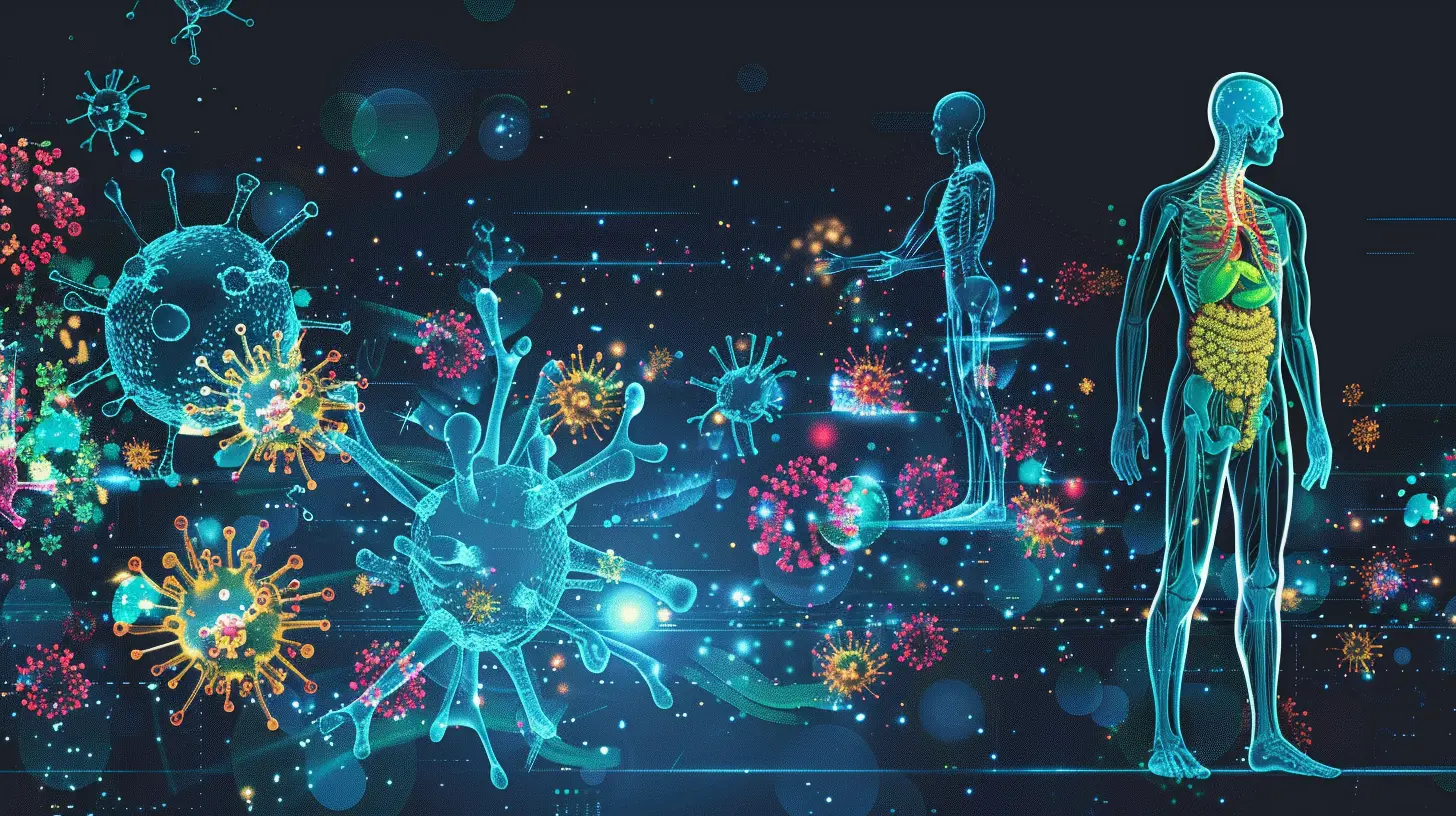
Meet the Microbiome: Your Invisible Ally
Imagine a bustling city inside your gut, filled with trillions (yes, trillions!) of bacteria, viruses, fungi, and other microorganisms. That’s your microbiome. These tiny tenants aren't squatters—they're essential workers keeping your digestive system running, your immune system in check, and even your brain sharp.When your microbiome is balanced and diverse, you're likely to feel great. But throw that balance off even a little? That’s when trouble starts brewing.
Why the Gut Matters More Than You Think
You’ve heard the phrase “you are what you eat,” right? Well, science now shows that it might be more accurate to say “you are what your microbes do with what you eat.”Here’s the thing: your microbiome helps you digest food, absorb nutrients, produce vitamins, and regulate inflammation. It even communicates with your brain through the gut-brain axis—kind of like a biological phone line that’s constantly buzzing.
So if your gut is out of whack—maybe from antibiotics, processed foods, or chronic stress—your whole body can feel the ripple effects. We’re talking everything from skin breakouts to mood swings to autoimmune flare-ups.
The Functional Medicine Approach to the Microbiome
Functional medicine doesn’t just glance at your gut and move on. It zooms in, evaluates the terrain, and creates a roadmap for healing. Here’s how that usually looks:1. Digging into Your Health History
Functional medicine practitioners take a deep dive into your health story. What have you been eating? What’s your stress level like? Any past infections, medications, or environmental exposures? All of these can impact your gut flora.2. Comprehensive Testing
Next comes the detective work. Advanced stool tests, organic acid tests, and sometimes even breath tests are used to pinpoint imbalances. They look for things like:- Bacterial overgrowth (e.g., SIBO)
- Low diversity in beneficial microbes
- Yeast or fungal overgrowth
- Hidden infections
- Digestive enzyme deficiencies
3. The 5R Protocol
Most functional medicine gut-healing plans follow the classic 5R protocol:- Remove: Get rid of harmful bacteria, parasites, allergens, and inflammatory foods.
- Replace: Add back digestive enzymes, bile acids, and nutrients you’re lacking.
- Reinoculate: Restore beneficial bacteria with prebiotics and probiotics.
- Repair: Heal the gut lining with nutrients like L-glutamine, zinc, and omega-3s.
- Rebalance: Tackle lifestyle factors like sleep, stress, and movement.
It’s not a quick fix—it’s a deep reset.
Real-Life Conditions Linked to Microbiome Imbalances
We’re not just talking about a little bloating here. When your microbiome is out of balance, it can trigger or worsen a bunch of chronic conditions, including:- Irritable Bowel Syndrome (IBS)
- Inflammatory Bowel Disease (Crohn’s, UC)
- Autoimmune diseases (like Hashimoto’s, RA, lupus)
- Skin issues (eczema, acne, psoriasis)
- Depression and anxiety
- Brain fog and memory issues
- Obesity and metabolic syndrome
The gut is ground zero for inflammation, and inflammation is the common thread in most chronic disease.
Say Hello to the Gut-Brain Connection
Ever felt butterflies in your stomach when you’re nervous? Or lost your appetite when you're stressed? That’s your gut-brain axis in action.But it’s not just emotional stress that impacts your gut; your gut bugs play a role in your mood, too. Your microbiome produces neurotransmitters like serotonin and dopamine—hello happy hormones! Dysbiosis (microbial imbalance) has been tied to anxiety, depression, and even neurodegenerative conditions like Alzheimer’s.
Functional medicine practitioners know this and often look to the gut when treating mental health issues. It’s not all in your head—it might be in your gut.
The Diet-Microbiome Connection: More Than Just Fiber
Sure, we all know fiber is good for the gut. But let’s go deeper.Your diet directly feeds your gut microbes. Whole, plant-based foods encourage beneficial bacteria to flourish, while processed foods, excess sugar, and artificial additives can fuel pathogenic ones.
Functional medicine favors anti-inflammatory diets rich in:
- Fermented foods (kimchi, sauerkraut, kefir)
- Prebiotic fiber (garlic, onions, bananas, asparagus)
- Omega-3s (wild fish, flaxseeds, walnuts)
- Polyphenol-rich foods (berries, green tea, dark chocolate)
- Bone broth and collagen-rich foods for gut lining support
It’s not about trendy restrictions; it’s about nourishing your inner ecosystem.
Personalized Probiotics: Not One-Size-Fits-All
You’ve probably seen those probiotic capsules lining the shelves at your local health store. But not all probiotics are created equal—and not everyone needs the same strains.Functional medicine uses targeted probiotics based on your unique needs. For instance:
- Lactobacillus plantarum may help with IBS symptoms
- Saccharomyces boulardii can tackle traveler’s diarrhea or antibiotic-related issues
- Bifidobacterium longum might support mood and cognition
It’s all about matching the right strains, at the right dose, for the right person.
Healing the Gut Naturally—But Strategically
Let’s be clear: gut healing is totally possible, but it takes time, intentionality, and the right guidance. Functional medicine doesn’t throw spaghetti at the wall. Every step is based on your body’s needs, your test results, and how you respond to interventions.It’s not about perfection—it’s about progress.
Got off track with your diet? No sweat. Functional medicine isn’t about guilt or rigid rules. It’s about slowly building a lifestyle that supports your microbiome and your whole-body health.
Lifestyle Habits That Support Long-Term Gut Health
You can pop all the supplements in the world, but if your lifestyle is working against you, your gut won’t be happy. Here are some functional medicine-approved habits to support your microbiome long-term:- Manage stress: Chronic stress can alter your gut flora. Meditation, yoga, breathwork, even a walk in nature can help.
- Get quality sleep: Your microbes have a circadian rhythm, too.
- Move your body: Exercise increases microbial diversity.
- Avoid unnecessary antibiotics and meds: Only take them when truly needed, and support your gut if you do.
Remember: it’s not just what you eat, but how you live.
Functional Medicine and the Microbiome: A Match Made in Health Heaven
When we look at the big picture, it becomes crystal clear: the microbiome isn’t some fringe topic—it’s foundational to real, lasting health. And functional medicine is the perfect lens to understand and nurture it.This approach doesn’t just suppress symptoms. It honors the complexity of the human body, respects the power of nature and science combined, and offers real, sustainable healing.
So the next time your body is sending you signals—whether it’s digestive woes, mood shifts, or chronic fatigue—don’t ignore them. Look to the gut. The answers might be living there, in that microscopic world of trillions of microbes, just waiting to be balanced.
Final Thoughts
The gut is more than a digestion station—it’s your body’s control center. And functional medicine recognizes that when we support the microbiome, we support everything from our immune system to our mind. If you're ready to take ownership of your health and stop playing whack-a-mole with symptoms, functional medicine and your gut might just be your new dream team.all images in this post were generated using AI tools
Category:
Functional MedicineAuthor:

Jackson Mahoney
Discussion
rate this article
2 comments
Atlas McMurtry
Great insights! It's fascinating how our gut health and microbiome play such a crucial role in overall wellness. Understanding this connection truly empowers us to make healthier choices. Keep up the good work!
February 15, 2026 at 5:45 PM
Jackson Mahoney
Thank you for your thoughtful comment! I'm glad you found the connection between gut health and wellness insightful. Your support means a lot!
Kassidy McCall
Functional medicine's holistic approach recognizes the microbiome's crucial role in overall health. By addressing individual needs and gut health, we can unlock pathways to healing and optimize well-being in a personalized manner.
January 30, 2026 at 4:17 AM
Jackson Mahoney
Thank you for your insightful comment! I completely agree—understanding and addressing the microbiome is essential for personalized healing in functional medicine.