How Age Affects Hydration and What You Can Do About It
12 December 2025
Water is life. We’ve heard that phrase so many times, but as we get older, staying hydrated becomes trickier than we might think. Ever noticed how your thirst levels seem to change over the years? That’s not just in your head—aging actually affects how our bodies retain and regulate water.
If you've ever wondered why you don’t feel as thirsty as you used to or why dehydration hits harder as you age, you're not alone. Let’s dive into how aging impacts hydration and, more importantly, what you can do to keep your body well-watered at every stage of life. 
Why Hydration Becomes More Challenging With Age
Our bodies are roughly 60% water, and every single function—digestion, circulation, temperature regulation—relies on proper hydration. But as we age, a few key factors make staying hydrated more difficult.1. We Lose Our Thirst Reflex
Think about when you were a kid, running around on a hot summer day. The moment you felt thirsty, you sprinted to get a drink. That built-in thirst reflex helps us maintain balance.However, as we age, this signal weakens. Older adults may not feel thirsty even when their bodies are screaming for water. By the time you realize you need a drink, dehydration may already be setting in.
2. The Body Holds Less Water
As we age, we naturally lose muscle mass, which holds more water than fat tissue. With less muscle, the body has a lower water reserve, making dehydration more likely.3. Kidney Function Declines
Your kidneys are like the filtration system of your body. Over time, they become less efficient at conserving water. This means more fluid loss through urination and a greater risk of dehydration.4. Medications Increase Dehydration Risk
Many older adults take medications such as diuretics, blood pressure meds, or certain antidepressants, which can increase urine output or hinder water retention. If you’re on medication, your hydration needs may be even higher than you think.5. Chronic Health Conditions Play a Role
Conditions like diabetes, high blood pressure, and kidney disease all impact fluid balance. If not managed properly, they can accelerate dehydration, leading to more severe health issues.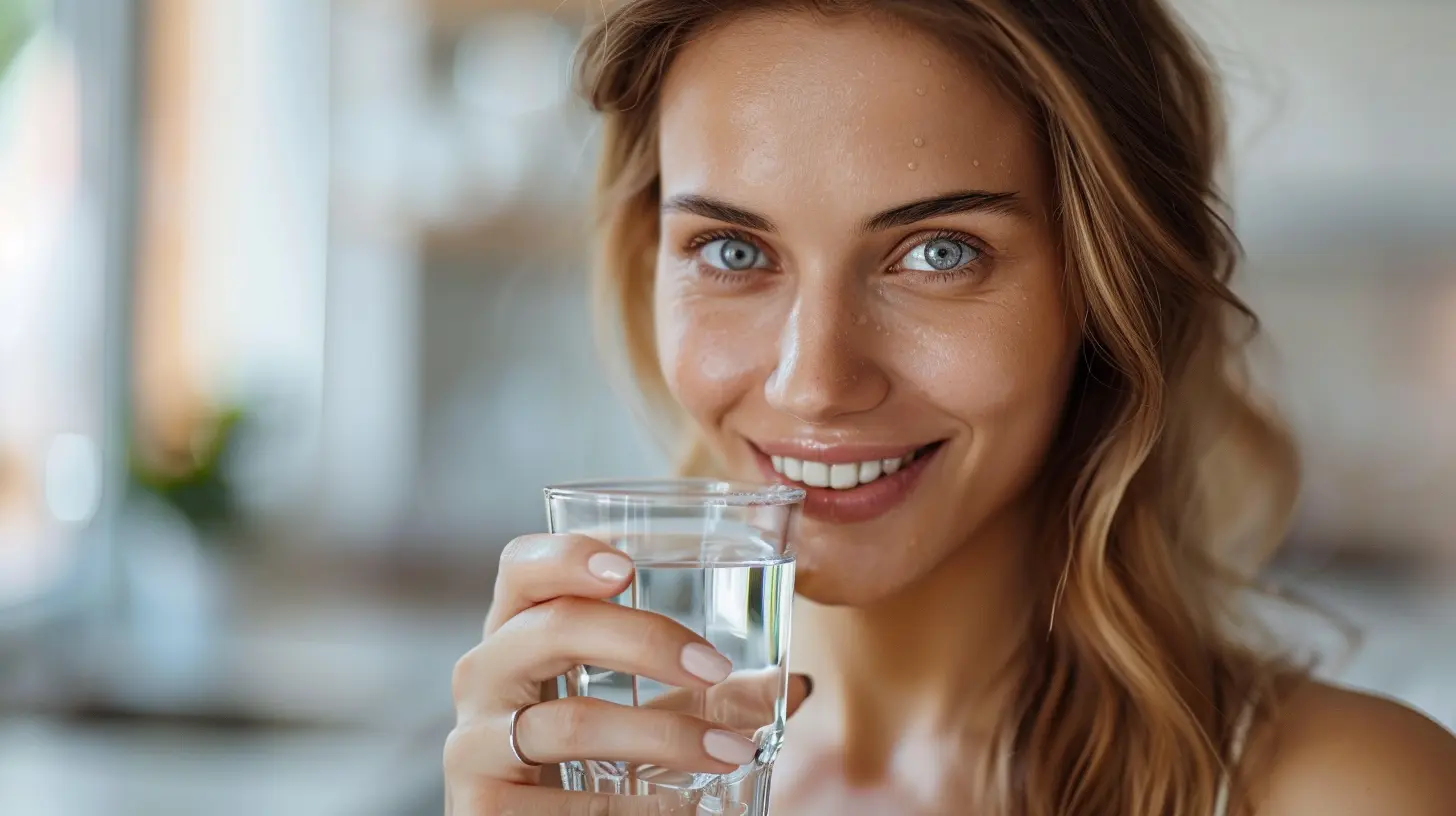
The Dangers of Dehydration as You Age
Dehydration isn’t just about feeling thirsty—it can sneak up on you in dangerous ways. Here’s what happens when your body doesn’t get enough water:1. Fatigue and Confusion
Ever felt foggy or sluggish and couldn’t figure out why? Dehydration can mimic symptoms of fatigue and cognitive decline, which are often mistaken for aging itself.2. Increased Risk of UTIs and Kidney Stones
When you don’t drink enough water, toxins and bacteria linger in your urinary tract, increasing the likelihood of infections or painful kidney stones.3. Digestive Problems
Water is essential for digestion. A lack of fluids can lead to constipation, bloating, and digestive discomfort.4. Poor Skin Health
Hydration affects how your skin looks and feels. Dehydrated skin can become dry, flaky, and prone to wrinkles.5. Increased Risk of Falls
Dehydration can cause dizziness and low blood pressure, increasing the risk of falls—which is a major health concern for older adults.
Simple Ways to Stay Hydrated as You Age
Okay, now that we know why hydration becomes more challenging with age, let’s talk about how you can keep your water intake in check.1. Drink Water Even When You’re Not Thirsty
Remember that weakened thirst reflex? Don’t wait for your body to tell you you’re thirsty—make drinking water a regular habit. Set reminders if needed!2. Eat Water-Rich Foods
Drinking plain water isn't the only way to stay hydrated. Add these high-water-content foods to your diet:- Cucumbers
- Watermelon
- Oranges
- Strawberries
- Soups and broths
3. Keep a Reusable Water Bottle Handy
If you have water within arm’s reach, you’re more likely to sip throughout the day. Find a bottle you love and carry it with you.4. Opt for Herbal Teas or Infused Water
If plain water isn’t appealing, try herbal teas or infuse your water with fruits, cucumber, or mint for a refreshing twist.5. Be Mindful of Caffeine and Alcohol Intake
Both caffeine and alcohol can contribute to dehydration. Keep them in moderation and balance them out with extra water.6. Set Hydration Goals
A general rule of thumb is to aim for around 8 cups of water a day—but this can vary based on activity level, medication, and climate.
Hydration Myths You Should Stop Believing
With so much hydration advice floating around, let’s bust a few myths:Myth #1: You Only Need Water When You Feel Thirsty
As we’ve already covered—by the time you’re thirsty, you’re likely already mildly dehydrated.Myth #2: Coffee and Tea Don’t Count Towards Hydration
Yes, caffeine has a mild diuretic effect, but unless you’re drinking excessive amounts, coffee and tea still contribute to fluid intake.Myth #3: Drinking More Water Will Solve All Your Health Problems
Water is crucial, but it’s not a magic cure-all. A well-rounded diet, exercise, and proper medical care are just as important.Final Thoughts
Aging changes the way our bodies handle hydration, but that doesn’t mean dehydration has to be an inevitable part of getting older. By making water a daily priority and incorporating hydration-friendly habits, you can keep your body running smoothly for years to come.So, grab that water bottle, take a sip, and keep your body happy—because no matter your age, hydration will always be key to good health.
all images in this post were generated using AI tools
Category:
HydrationAuthor:

Jackson Mahoney
Discussion
rate this article
2 comments
Duke McGonagle
Staying hydrated is a vital part of maintaining health at any age! Embrace simple hydration tips to empower your body, boost your energy, and foster overall wellbeing. Remember, it's never too late to prioritize your health!
January 17, 2026 at 3:25 PM
Jackson Mahoney
Absolutely! Staying hydrated is crucial for everyone, and implementing simple tips can greatly enhance health and vitality at any age. Thanks for highlighting this important point!
Melissa McDaniel
As we age, our body's hydration needs change. It's vital to stay mindful of our fluid intake and adjust our habits for better health.
December 16, 2025 at 4:23 AM
Jackson Mahoney
Great point. It’s a key takeaway: our thirst signals weaken with age, so proactive hydration—not just drinking when thirsty—becomes essential for health.