How Balanced Diets Can Help Prevent Chronic Illness
22 November 2026
Chronic illnesses such as heart disease, diabetes, and certain cancers are among the leading causes of morbidity and mortality worldwide. While genetics and environment play significant roles in the development of these conditions, lifestyle choices, particularly diet, are critical in prevention. A balanced diet can be a powerful tool in mitigating these risks, fostering overall health, and enhancing quality of life. This article delves into how balanced diets contribute to chronic illness prevention, offering practical insights and actionable recommendations.
Understanding Balanced Diets
What is a Balanced Diet?
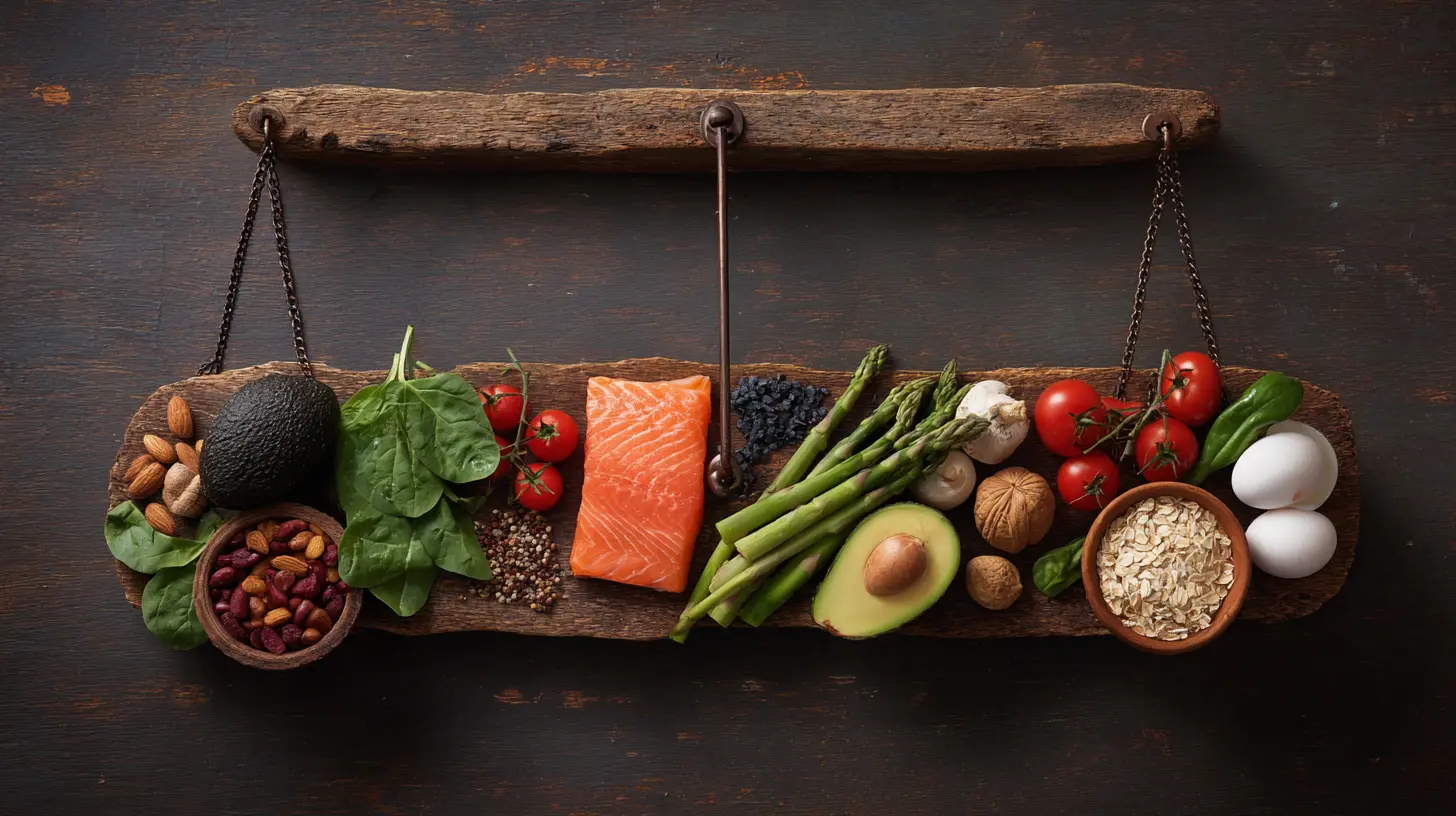
A balanced diet consists of a variety of foods in the right proportions to provide essential nutrients your body needs. This includes carbohydrates, proteins, fats, vitamins, and minerals. The key components of a balanced diet typically include:- Fruits and Vegetables: Aim for a variety of colors and types to maximize nutrient intake.
- Whole Grains: Foods like brown rice, oats, and whole wheat bread provide fiber and essential nutrients.
- Lean Proteins: Sources like chicken, fish, beans, and legumes are vital for muscle repair and overall health.
- Healthy Fats: Incorporate sources such as avocados, nuts, seeds, and olive oil, which are beneficial for heart health.
- Dairy or Dairy Alternatives: These provide calcium and vitamin D, important for bone health.
Why Balance Matters
The human body requires a range of nutrients to function optimally. A diet that is too high in one nutrient and low in another can lead to deficiencies or excesses that may contribute to chronic illnesses. For instance, a diet high in saturated fats can lead to heart disease, while a lack of fiber can result in digestive issues and increased risk of colorectal cancer.
The Connection Between Diet and Chronic Illness
Heart Disease
Heart disease remains one of the leading causes of death globally. Research shows that a diet rich in fruits, vegetables, whole grains, and healthy fats can significantly lower the risk of heart disease. For example, the Mediterranean diet, which emphasizes these foods, has been associated with lower rates of heart-related issues.Practical Tips for Heart Health
- Increase Omega-3 Fatty Acids: Fatty fish like salmon and walnuts can help reduce inflammation and lower blood pressure.- Watch Sodium Intake: High sodium levels can lead to hypertension. Opt for fresh foods over processed ones.
- Limit Sugary Foods: Excess sugar can lead to obesity and heart disease. Aim for natural sources of sweetness like fruits.
Diabetes
Type 2 diabetes is closely linked to dietary choices. A balanced diet can help maintain blood sugar levels and improve insulin sensitivity. Foods with a low glycemic index, such as whole grains and legumes, are beneficial.Strategies for Diabetes Prevention
- Focus on Fiber: High-fiber foods help regulate blood sugar levels. Incorporate more fruits, vegetables, and whole grains.- Portion Control: Eating smaller portions can prevent spikes in blood sugar.
- Regular Meal Timing: Consistent meal times can help regulate insulin levels.
Cancer
While no diet can guarantee cancer prevention, research indicates that certain dietary patterns may reduce risk. Diets high in fruits, vegetables, and whole grains have been associated with lower cancer rates.Dietary Considerations for Cancer Prevention
- Antioxidant-Rich Foods: Foods like berries, leafy greens, and nuts contain antioxidants that help combat oxidative stress.- Limit Processed Meats: Studies suggest a link between processed meats and certain cancers, particularly colorectal cancer.
- Stay Hydrated: Proper hydration supports overall health and can aid in the detoxification processes.

Common Misconceptions About Diets
All Fats are Bad
One common misconception is that all fats contribute to chronic illnesses. In reality, healthy fats are essential for bodily functions. They support cell growth, protect organs, and help absorb nutrients. It is crucial to distinguish between healthy fats (like those from fish, nuts, and olive oil) and unhealthy trans fats found in many processed foods.Carbohydrates are the Enemy
Carbohydrates often get a bad rap, especially with the popularity of low-carb diets. However, not all carbs are created equal. Whole grains and fiber-rich fruits and vegetables are beneficial for health, while refined carbohydrates can lead to weight gain and increased risk of chronic diseases.
Best Practices for Implementing a Balanced Diet
Meal Planning
Planning meals can help ensure a balanced diet. Consider the following steps:- Create a Weekly Menu: Outline meals that include a variety of food groups.
- Grocery List: Make a list based on your menu to avoid impulse buys and ensure you have healthy options on hand.
- Batch Cooking: Prepare meals in advance to save time during busy weeks.
Mindful Eating
Mindful eating involves paying attention to what you eat and savoring each bite. This practice can help prevent overeating and promote healthier choices.- Listen to Your Body: Eat when you are hungry and stop when you are satisfied.
- Limit Distractions: Avoid eating while watching TV or scrolling through your phone.
Seeking Professional Guidance
For those unsure about how to balance their diet, consulting a registered dietitian can be beneficial. They can provide personalized advice based on individual health needs and goals.Real-World Examples
The Mediterranean Diet
Countless studies support the Mediterranean diet as a model for health. It emphasizes whole foods and healthy fats, leading to lower rates of heart disease and improved longevity. This diet encourages a lifestyle that includes regular physical activity and social meals, further enhancing its benefits.Plant-Based Diets
Plant-based diets have gained attention for their potential in preventing chronic illnesses. Research indicates that individuals who follow a plant-based diet often have lower rates of heart disease, hypertension, and type 2 diabetes. However, it is essential to ensure adequate intake of protein, iron, and vitamin B12 when following such diets.
Trade-Offs and Considerations
Cost vs. Health
One of the most common arguments against a balanced diet is the perceived cost. While organic and specialty health foods can be expensive, many nutritious options, like beans, lentils, and seasonal fruits and vegetables, are affordable. Investing in a balanced diet can lead to long-term savings by reducing healthcare costs associated with chronic illnesses.Convenience vs. Nutrition
In our fast-paced world, convenience often trumps nutrition. Processed foods are quick and easy but typically lack essential nutrients. Finding a balance between convenience and health is crucial. Preparing simple, nutritious meals in advance can save time while still providing health benefits.Conclusion
Adopting a balanced diet is a proactive approach to preventing chronic illnesses. By understanding the connection between nutrition and health, individuals can make informed choices that promote longevity and well-being. While the journey to a balanced diet may require effort and adjustment, the rewards-improved health and quality of life-are well worth it.Incorporating a variety of foods, being mindful of portions, and making informed choices can lead to a healthier future. Remember, small changes can make a significant impact over time.
all images in this post were generated using AI tools
Category:
Balanced DietAuthor:

Jackson Mahoney