How to Curb Mood Slumps with Simple Snacks
13 October 2026
A mood slump rarely announces itself. It creeps in around mid-afternoon, or after a poor night of sleep, or in the middle of a stretch of gray days. Focus frays. Patience thins. The world feels a little heavier than it did an hour ago. Most people reach for coffee, a sugary treat, or nothing at all, then wonder why the fog never quite lifts.
Snacks are not a cure for depression, anxiety, or any clinical condition. That needs to be said plainly before anything else. But everyday mood dips, the kind tied to blood sugar swings, skipped meals, stress, and fatigue, respond surprisingly well to what you eat between meals. The right snack can steady your energy, support the neurotransmitters that regulate mood, and interrupt the spiral before it deepens. The wrong one can dig the hole deeper, sometimes within twenty minutes.
This article explains the biology behind that, then gives you practical, specific ways to use snacks as a mood tool rather than a mood accident.
Why Snacks Affect Mood at All
Mood is not a single switch in the brain. It emerges from the interaction of blood glucose, neurotransmitter activity, inflammation, gut health, and the stress hormone system. Food touches every one of those levers.The Blood Sugar Rollercoaster
Your brain runs almost entirely on glucose. When blood sugar is stable, thinking is clear and emotions are easier to regulate. When it crashes, the body releases adrenaline and cortisol to compensate. Those hormones are useful in a real emergency, but when they spike because you waited six hours to eat, the result is irritability, anxiety, shakiness, and a flat, heavy mood.The classic trap is a high-sugar snack on an empty stomach. A candy bar or sweetened drink sends glucose up fast. Insulin follows, sometimes overshooting, and within an hour or two you are lower than you started. That is the afternoon crash millions of people blame on willpower or character. It is mostly chemistry.
A snack that combines fiber, protein, and fat digests more slowly. Glucose rises gently and stays steadier. The mood benefit is not dramatic, but it is reliable, and reliability is what matters when you are trying to get through a difficult day.
Neurotransmitters Need Building Blocks
Serotonin, dopamine, and norepinephrine are the signaling molecules most associated with mood, motivation, and calm. Your body builds them from dietary components. Tryptophan, an amino acid found in protein foods, is the raw material for serotonin. Tyrosine, another amino acid, is the precursor to dopamine and norepinephrine.Here is the nuance most articles skip. Eating a protein-rich snack does not automatically raise brain serotonin, because tryptophan competes with other amino acids for transport into the brain. Carbohydrates, paradoxically, can help. When you eat a modest amount of carbohydrate, insulin clears competing amino acids into muscle tissue, leaving tryptophan with less competition. This is one reason a small, balanced carb-plus-protein snack can feel calming rather than stimulating.
The practical takeaway is not to chase any single nutrient. It is to give the body the raw materials it needs consistently, in combinations that digest steadily.
The Gut Connection
A large share of the body's serotonin is produced in the gut, where trillions of microbes influence digestion, immune signaling, and, indirectly, mood. Diets rich in fiber, fermented foods, and plant diversity tend to support a more favorable gut environment. Diets heavy in ultra-processed food tend to do the opposite.This does not mean a single snack of yogurt will change your mood by evening. It means the cumulative pattern of what you eat between meals shapes the biological terrain your mood runs on. Snacks are a daily opportunity to push that terrain in a better direction.
Stress, Cortisol, and the Urge to Eat
Under stress, the body often craves sugar and fat. That is not weakness. It is an evolved response that prioritizes fast energy. The problem is that giving in to the craving with a purely sugary food tends to raise cortisol further once blood sugar crashes, creating a loop: stress, craving, spike, crash, more stress.Breaking that loop requires snacks that satisfy the craving without triggering the crash. That usually means something with fat and protein alongside any sweetness.
What a Mood-Supporting Snack Actually Looks Like
A useful snack for mood has three qualities. It stabilizes blood sugar, it supplies relevant nutrients, and it is realistic to prepare and eat when you are already feeling low. A perfect snack you never eat is worthless.The Core Formula
Think in terms of a base plus a booster.The base is a source of protein, fat, or fiber that slows digestion. The booster is a small amount of carbohydrate for quick, gentle energy, plus flavor that makes the snack satisfying.
Examples of the formula in practice:
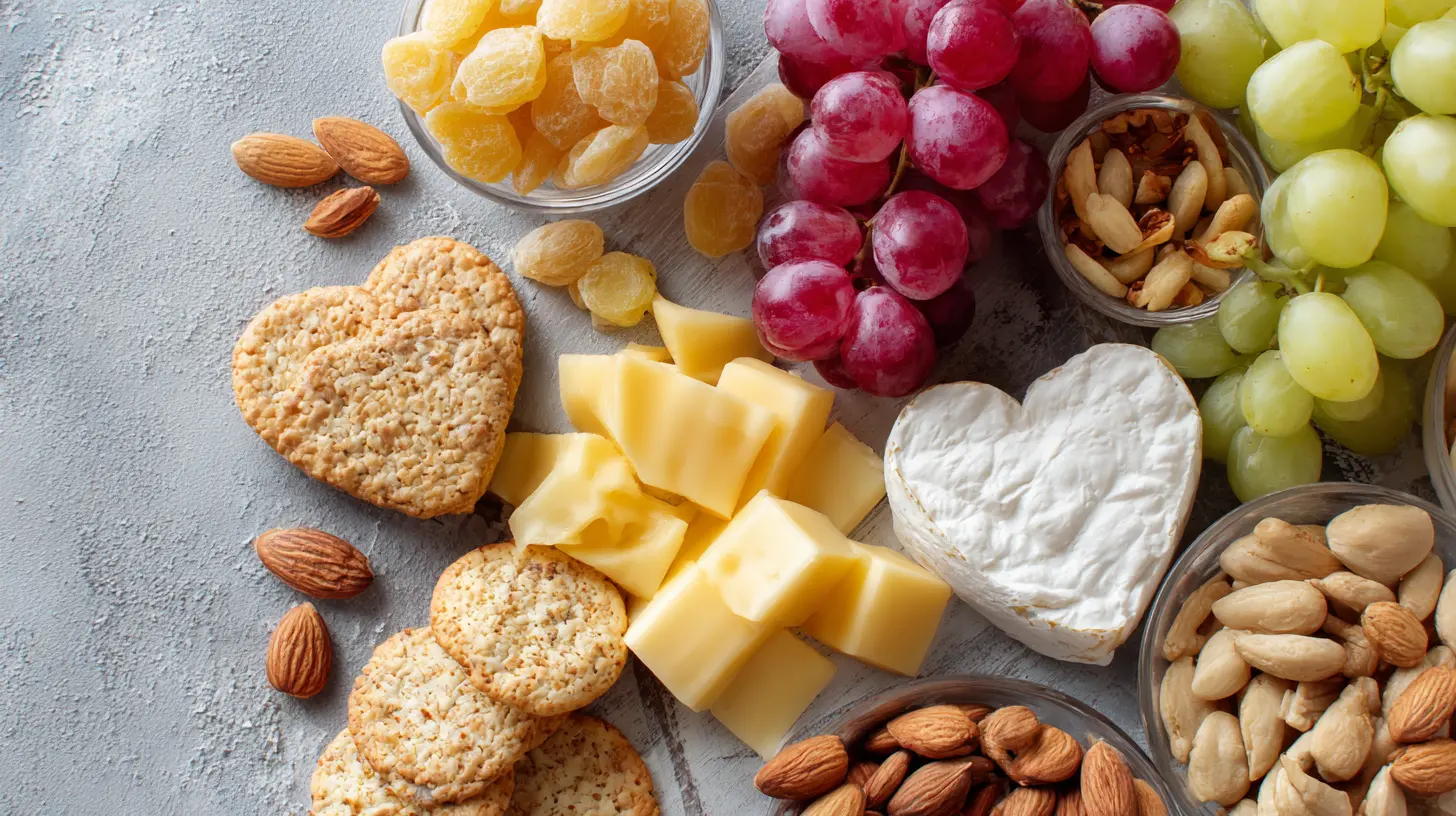
- Greek yogurt with a handful of berries and a few walnuts
- An apple with a tablespoon of almond butter
- Cottage cheese with sliced cucumber and a drizzle of olive oil
- A hard-boiled egg with a small piece of whole grain toast
- Hummus with carrot and bell pepper strips
- A small bowl of edamame with a pinch of sea salt
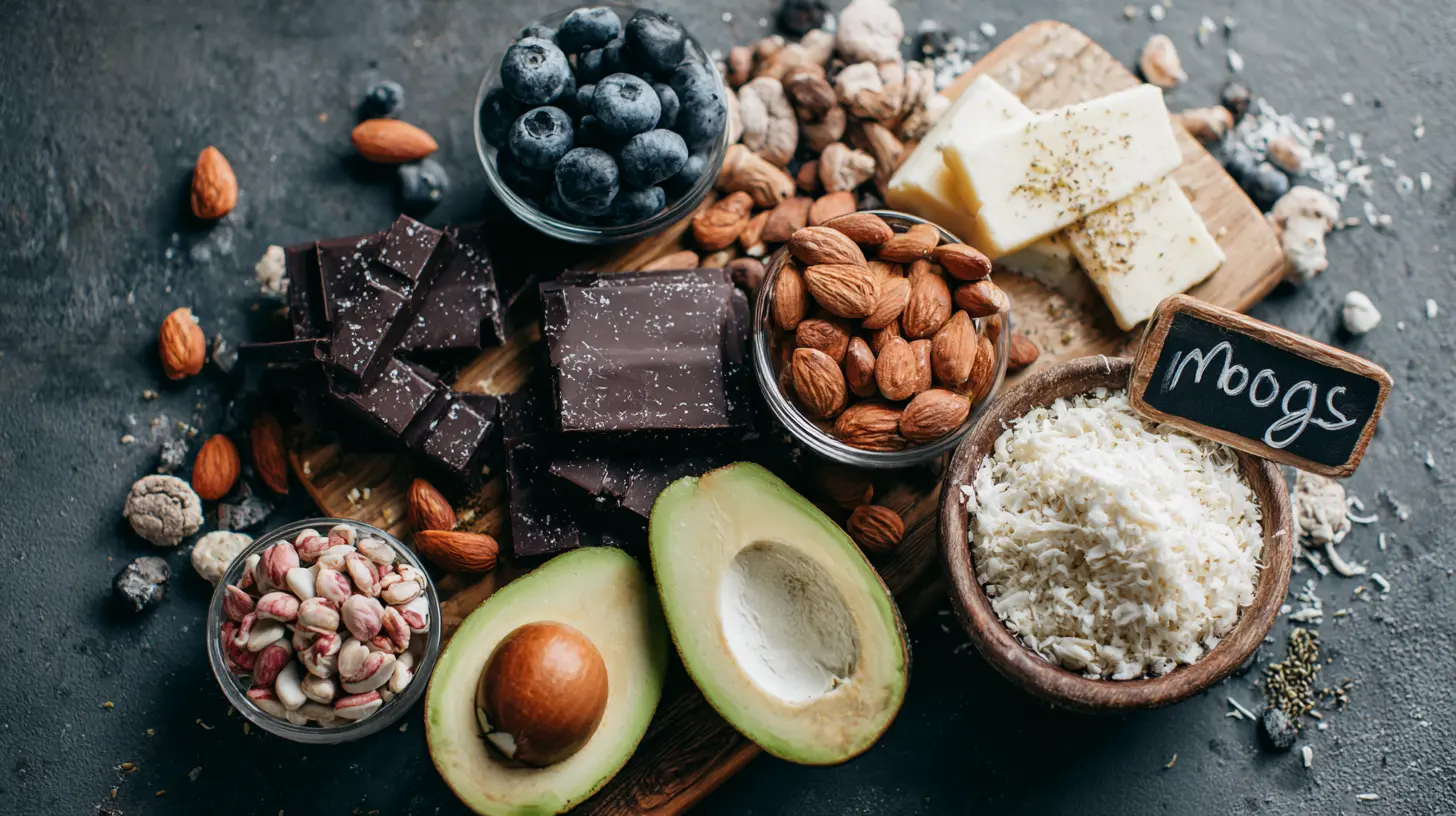
- Dark chocolate with a small handful of almonds
None of these are exotic. That is the point. The best mood snacks are boring in the best sense: repeatable, portable, and hard to get wrong.
Why Balance Beats Perfection
Some people try to optimize every snack for maximum nutrient density. That works until a stressful Tuesday arrives and the carefully assembled snack jar sits untouched while they eat crackers standing at the counter.A snack that is 80 percent ideal and actually eaten beats a snack that is 100 percent ideal and skipped. Consistency drives the mood benefit far more than any single ingredient.
Specific Nutrients That Matter for Mood
Several nutrients have meaningful roles in mood regulation. You do not need to track them obsessively. You do need to know which foods carry them so you can build snacks around them without thinking too hard.Omega-3 Fatty Acids
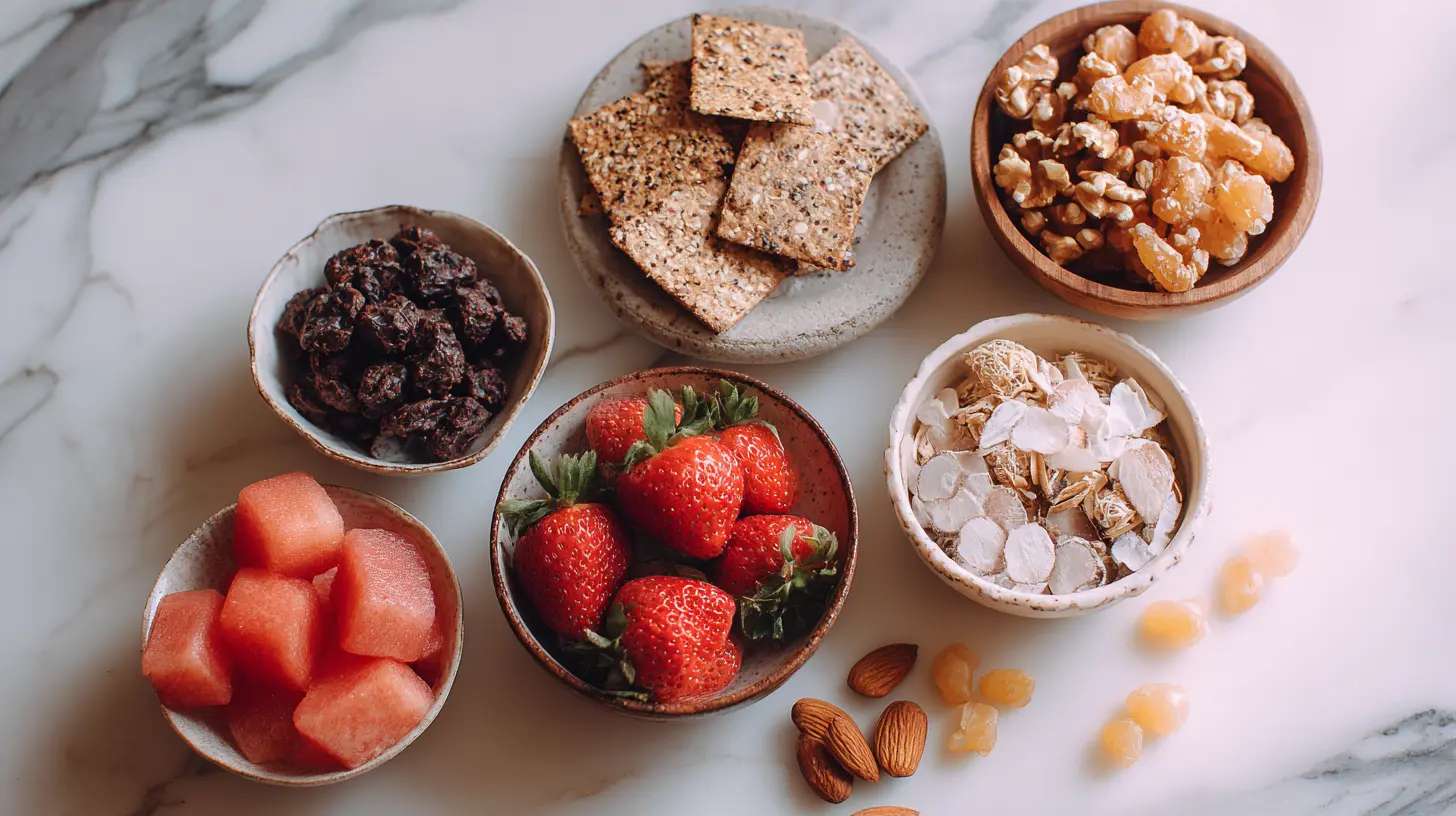
Omega-3s, particularly the types found in fatty fish, support brain cell membrane health and are involved in regulating inflammation, which is increasingly understood to play a role in mood disorders. Snack-friendly sources include walnuts, chia seeds, flax seeds, and, less commonly, canned sardines or salmon on crackers. If fish at snack time sounds unappealing, walnuts and chia are reasonable everyday stand-ins.Magnesium
Magnesium participates in hundreds of enzymatic reactions, including those involved in stress response and sleep. Low intake is common. Good snack sources include pumpkin seeds, almonds, cashews, and dark chocolate. A small handful of pumpkin seeds in the late afternoon is one of the simplest mood-supporting habits available.B Vitamins
The B vitamins, especially B6, B12, and folate, are involved in neurotransmitter synthesis and energy metabolism. Eggs, dairy, poultry, leafy greens, and legumes all contribute. A snack like a hard-boiled egg or a small serving of lentil salad covers this ground without effort.Vitamin D
Vitamin D receptors are present throughout the brain, and low levels are associated with low mood, particularly in winter. Food sources are limited, mostly fatty fish, egg yolks, and fortified dairy. Snacks can help a little, but if you live in a low-sun climate, testing your levels and discussing supplementation with a clinician matters more than snack choices.Tryptophan-Rich Foods
Turkey, chicken, eggs, cheese, tofu, oats, and seeds all contain tryptophan. As noted earlier, the effect on brain serotonin depends on context, particularly the presence of carbohydrates. A snack combining a tryptophan source with a modest carbohydrate, such as cheese on whole grain crackers or oatmeal with milk, is a sensible approach.Probiotics and Fermented Foods
Yogurt with live cultures, kefir, kimchi, and sauerkraut support gut health, which in turn supports the gut-brain axis. The research here is still developing, so treat fermented foods as one helpful input among many rather than a mood solution on their own.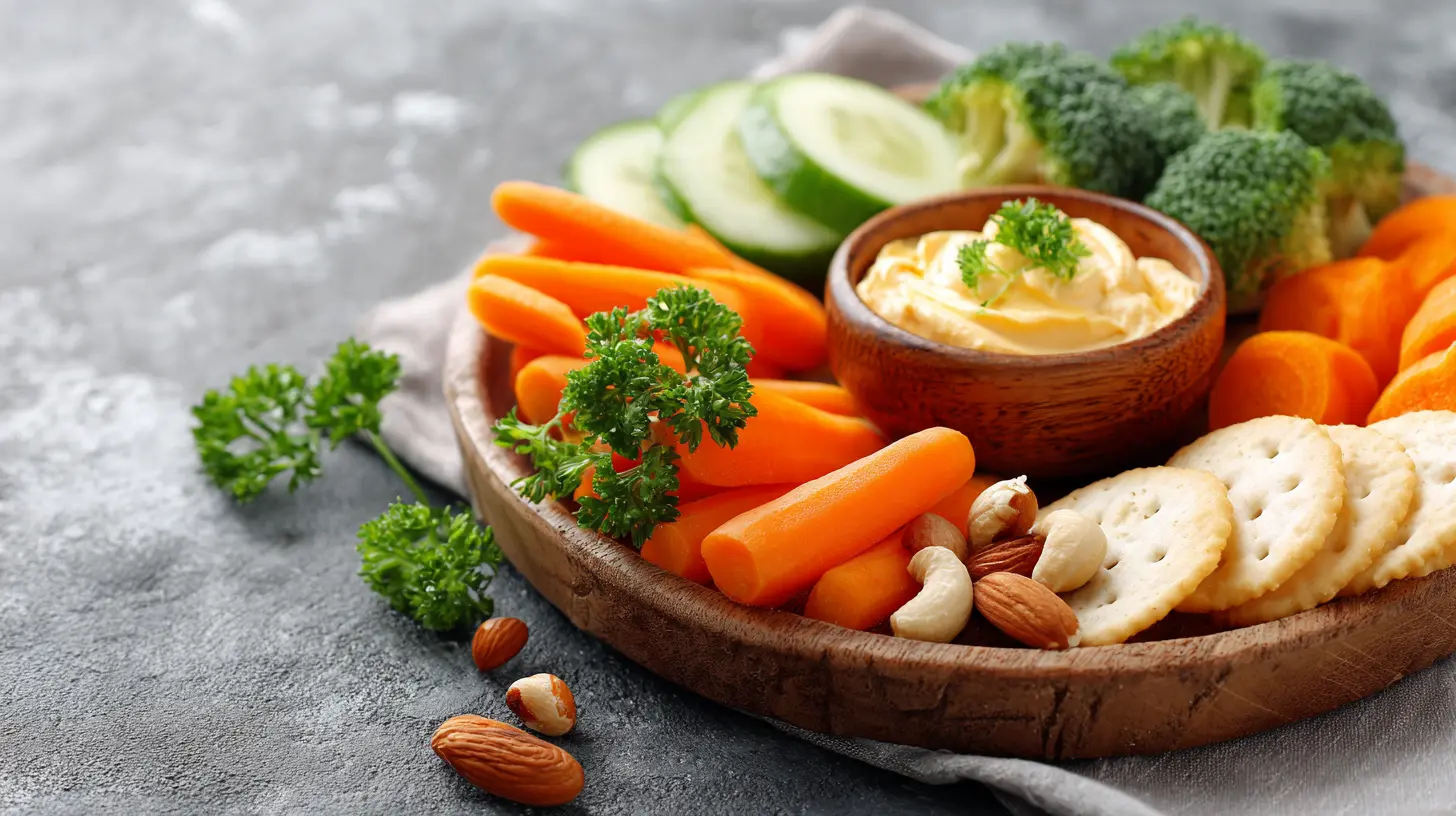
Timing: When You Eat Matters as Much as What
Two people can eat identical snacks and get different mood results depending on timing.The Mid-Afternoon Window
For most people, the biggest vulnerability is between 2 and 4 p.m. Blood sugar from lunch is fading, circadian energy dips, and the pull toward caffeine and sugar peaks. A planned snack around 3 p.m., built on the base-plus-booster formula, can prevent the slump rather than treat it.Prevention is almost always easier than repair. Once you are in a full slump, motivation to prepare anything is low.
The Pre-Workout or Pre-Difficult-Task Snack
If you have a demanding meeting, a workout, or a difficult conversation ahead, a small snack 30 to 60 minutes before can stabilize energy and mood. Keep it light. A heavy snack diverts blood flow to digestion and can make you sluggish.The Evening Snack
Evening snacking gets a bad reputation, but a well-chosen snack after dinner can support sleep, which is one of the strongest mood regulators there is. A small serving of yogurt, a few walnuts, or a piece of cheese with a little fruit can help. Heavy, sugary, or very large evening snacks tend to disrupt sleep and backfire.When Not to Snack
Constant grazing can keep insulin elevated and blur hunger signals. If you eat balanced meals and feel fine between them, you may not need snacks at all. Snacking is a tool, not a requirement. The people who benefit most are those with long gaps between meals, high physical activity, blood sugar regulation issues, or a pattern of afternoon crashes.Common Mistakes That Make Mood Worse
Understanding what not to do is often more useful than another list of good foods.Mistake 1: Relying on Caffeine as a Snack
Coffee is not a snack. Caffeine on an empty stomach can amplify anxiety, disrupt sleep if consumed late, and mask hunger until it becomes a crash. If you want coffee, pair it with food, and keep it away from the late afternoon.Mistake 2: Choosing "Healthy" Snacks That Are Mostly Sugar
Many granola bars, flavored yogurts, dried fruit blends, and smoothies contain as much sugar as candy. Read labels. If sugar is one of the first two or three ingredients, the snack will likely spike and crash your blood sugar regardless of the packaging claims.Mistake 3: Eating Too Little
A snack of three almonds is not a snack. It is a gesture. Under-eating at snack time leaves you hungry, and hunger itself worsens mood, impairs concentration, and increases irritability. Portion matters.Mistake 4: Ignoring Hydration
Mild dehydration mimics and amplifies fatigue, headache, and low mood. Sometimes the snack you need is a glass of water and a small salty snack, especially after exercise or in hot weather.Mistake 5: Using Food as the Only Mood Tool
Snacks support mood. They do not replace sleep, movement, sunlight, social connection, or professional care when needed. If low mood persists for weeks, interferes with daily life, or comes with hopelessness, that is a signal to talk to a doctor or mental health professional, not to optimize your trail mix.
Practical Scenarios and What to Do
Abstract advice is easy to nod at and hard to use. Here is how this looks in real situations.Scenario: The 3 p.m. Office Slump
You ate lunch at noon, it is now 3 p.m., and you are staring at your screen with no idea what you just read. Instead of a second coffee and a cookie, try a small container of Greek yogurt with berries, or an apple with peanut butter. Both take under two minutes and prevent the crash from deepening.If you have no access to a kitchen, keep a desk drawer stocked with shelf-stable options: nuts, roasted chickpeas, individual nut butter packets, and whole grain crackers. The goal is to remove friction from the good choice.
Scenario: The Post-Workout Mood Dip
Intense exercise can leave you briefly flat, especially if you did not eat beforehand. A snack with both protein and carbohydrate within an hour of finishing helps restore glycogen and stabilize mood. Chocolate milk, a banana with nut butter, or yogurt with granola are all reasonable.Scenario: The Gray Winter Afternoon
Seasonal mood dips are common in low-light months. Snacks will not replace light exposure or, if needed, clinical treatment. But a snack rich in omega-3s and vitamin D, such as salmon on whole grain crackers or fortified yogurt with walnuts, is a small, sensible contribution.Scenario: The Stress-Eating Spiral
You are anxious, you eat something sweet, you feel briefly better, then worse. The fix is not to eliminate the sweet food entirely but to anchor it. Have the square of dark chocolate, but eat it with a handful of almonds. The fat and protein blunt the glucose spike, and the treat still feels like a treat.Building a Snack System, Not Just a Snack List
Willpower is unreliable. Systems are not.Stock the Right Things
Keep mood-supporting snacks where you actually are: desk, bag, car, fridge at eye level. Put the chips somewhere less convenient. This is not about deprivation. It is about making the better choice the easier choice.Prepare in Batches
Once or twice a week, portion nuts, wash fruit, boil eggs, and cut vegetables. Twenty minutes of prep removes dozens of small decisions later, and decision fatigue itself worsens mood.Use a Simple Rule
When you feel a slump coming, ask two questions: Have I eaten in the last four hours? Have I had water? If the answer to either is no, address that first. Often the mood dip is a basic needs problem wearing a complicated disguise.Track Loosely
You do not need a food diary. But noticing patterns, such as "I always crash after a cereal breakfast" or "I feel better on days I eat yogurt in the afternoon," builds personal evidence that is more useful than any general guideline.
Trade-Offs and Nuance
No single approach fits everyone, and honest advice acknowledges that.Convenience versus quality: Packaged snacks are easier but often higher in sugar, refined oils, and sodium. Whole foods are better but require planning. Most people land somewhere in between, and that is fine. Choose the best option available in the moment rather than the perfect option that does not exist.
Cost: Nuts, quality yogurt, and fresh produce are not cheap. Frozen berries, canned fish, eggs, oats, and seeds offer strong nutrition at lower cost. Buy what fits your budget without guilt.
Dietary restrictions: If you avoid dairy, gluten, or animal products, the same formula applies with different ingredients. Hummus with vegetables, tofu with edamame, or rice cakes with avocado all work.
Medical conditions: If you have diabetes, prediabetes, or another condition affecting blood sugar, snack choices should be discussed with your healthcare provider. The general principles here still apply, but specifics may need adjustment.
The Bottom Line
Mood slumps are rarely solved by a single food. They are managed by a pattern: steady blood sugar, adequate nutrients, good sleep, movement, and connection. Snacks are one lever among several, but they are a lever you pull multiple times a day, which makes them unusually powerful.The formula is simple. Combine protein, fat, or fiber with a modest carbohydrate. Eat before you crash, not after. Keep the good options close and the poor ones farther away. Pay attention to how you feel an hour after eating, and adjust.
None of this requires a nutrition degree or a specialty grocery store. It requires a handful of nuts, a piece of fruit, a container of yogurt, and the willingness to treat the space between meals as something that matters. Done consistently, those small choices add up to steadier afternoons, fewer crashes, and a mood that is a little less at the mercy of the clock.
all images in this post were generated using AI tools
Category:
Mood Boosting FoodsAuthor:

Jackson Mahoney