How to Make Salads More Filling Without Extra Calories
6 October 2026
A salad that leaves you hungry twenty minutes later is not a meal. It is a snack wearing a meal's clothing. This is the central problem with salad as a daily staple: it looks substantial on the plate, but it often fails to deliver the satiety that keeps you comfortable until your next meal. The good news is that satiety is not purely a function of calories. It is a function of volume, fiber, protein, water content, texture, chewing time, and how your brain registers the eating experience. You can manipulate all of these without adding meaningful calories.
This article explains the physiology behind fullness, then walks through practical strategies, ranked roughly by how much impact they deliver for how little effort. It also covers common mistakes that sabotage even well-intentioned salads, and the trade-offs you should weigh before piling on every trick at once.
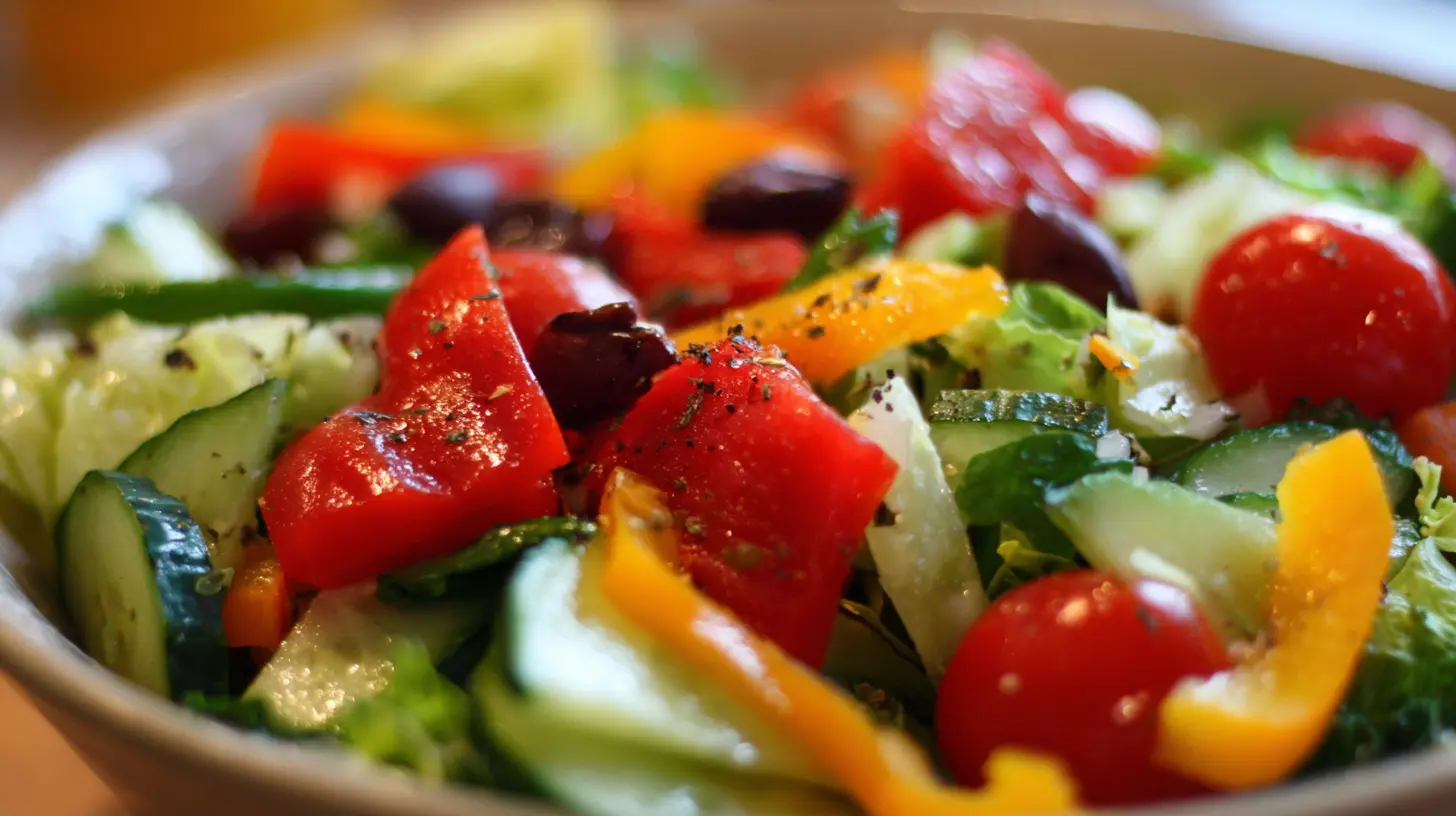
Why Salads Often Fail to Satisfy
Before fixing the problem, it helps to understand it. Satiety, the feeling of fullness that persists after eating, is driven by several overlapping signals.The first is gastric distension: your stomach has stretch receptors that fire when volume increases. A large volume of low-calorie food, like leafy greens and watery vegetables, triggers these receptors and sends fullness signals to the brain. This is why a giant bowl of lettuce feels filling for about fifteen minutes. The problem is that lettuce is mostly water and air, and it empties from the stomach quickly.
The second signal is hormonal. Protein and fiber slow gastric emptying and stimulate satiety hormones such as GLP-1 and PYY. Fat also slows emptying, but it is calorie-dense, so it needs to be used strategically. A salad with almost no protein and minimal fiber from whole sources will clear the stomach fast, and hunger returns.
The third signal is cognitive and sensory. Chewing time, texture variety, and the visual bulk of a meal all influence how full you feel. A salad you eat in four minutes with a fork barely touching the sides of your mouth registers differently than one that takes fifteen minutes to work through.
The fourth is blood sugar stability. A salad that is mostly fruit, sweet dressing, and refined croutons can spike and crash blood sugar, which drives hunger shortly after eating. A salad built on vegetables, protein, and fat with modest carbohydrate tends to produce a flatter curve.
Understanding these four levers is the entire game. Every strategy below pulls one or more of them.
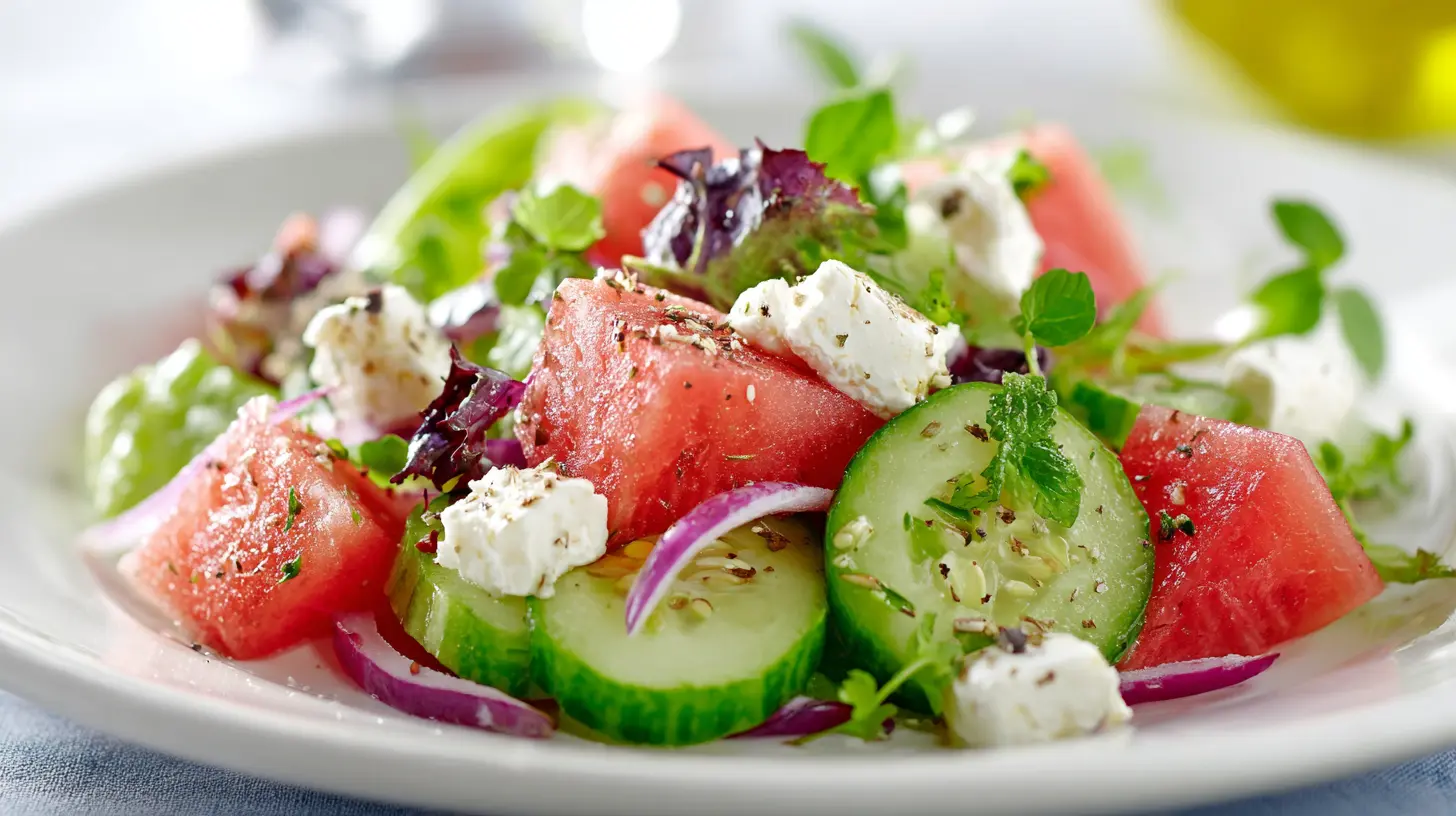
Start With Volume, Not Calories
The single most effective, lowest-calorie lever is volume. Foods with high water and fiber content give you a large physical mass for very few calories.The best high-volume, low-calorie additions
- Cucumber, sliced or diced- Celery, chopped fine
- Radishes, thinly sliced
- Bell peppers, any color
- Zucchini, raw or lightly shaved
- Cabbage, shredded (red or green)
- Jicama, cut into matchsticks
- Tomatoes, especially cherry tomatoes
- Broccoli slaw
- Cauliflower rice, raw
- Bean sprouts
- Hearts of palm, sliced
- Pickled vegetables such as sauerkraut or kimchi
These foods add bulk, crunch, and water. They stretch the stomach and slow eating because they require chewing. A salad that is half lettuce and half a mix of the above will feel dramatically more substantial than one that is all lettuce, for maybe thirty extra calories.
Why lettuce alone is a weak base
Iceberg and romaine are fine, but they are mostly water and provide little fiber per bite. A better base strategy is to blend lettuces with denser greens. Arugula, spinach, kale, and shredded Brussels sprouts have more fiber and more flavor per gram. They also hold up better to dressing, which means you taste more of the salad rather than a puddle at the bottom of the bowl.A practical ratio: one part soft lettuce, one part sturdy greens, one part chopped crunchy vegetables. This gives you volume, fiber, and texture in one move.
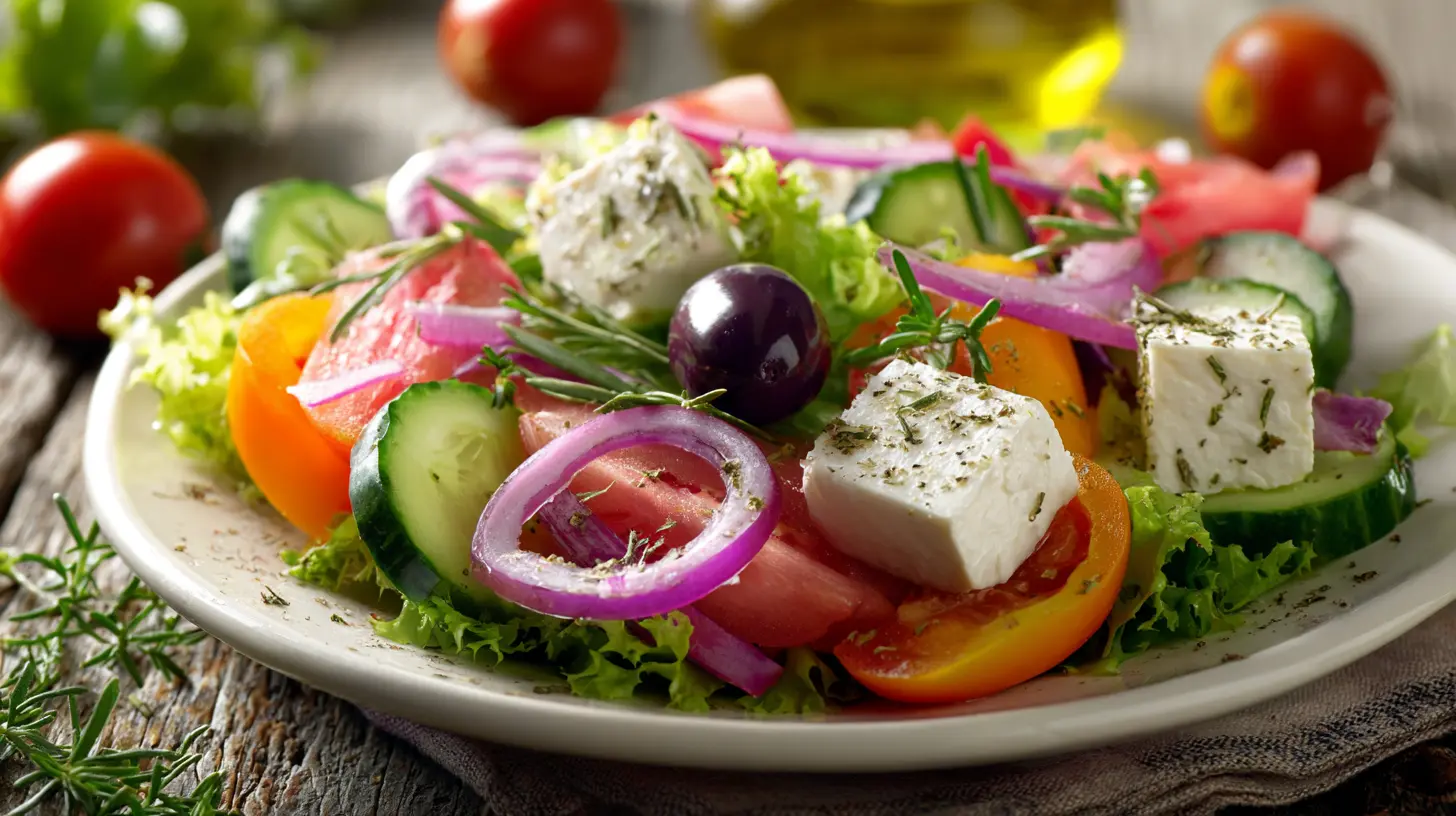
Protein Is the Strongest Satiety Lever Per Calorie
If you change only one thing about your salads, make it protein. Protein is the most satiating macronutrient per calorie. It slows gastric emptying, supports muscle maintenance, and has a higher thermic effect, meaning your body burns more energy digesting it.The challenge is adding protein without turning a 300-calorie salad into an 800-calorie one. Here is how to think about it.
High-protein, moderate-calorie options
- Grilled or poached chicken breast, 4 ounces, roughly 130 to 150 calories- Canned tuna in water, drained, 3 ounces, roughly 100 calories
- Shrimp, 4 ounces, roughly 110 calories
- Egg whites, several, very low calorie
- Whole eggs, one or two, roughly 70 to 140 calories
- Nonfat Greek yogurt, used as a dressing base
- Cottage cheese, low fat
- Tofu, firm, cubed and pan-seared
- Tempeh, sliced thin
- Edamame, shelled, about 120 calories per half cup
- Lentils or chickpeas, about 110 to 130 calories per half cup
- Canned salmon
- Lean deli turkey, sliced and rolled
Notice that plant proteins like lentils and edamame come with carbohydrate and fiber, which is not a problem. It is a feature. They add satiety through multiple channels at once.
A note on protein quantity
Most people undereat protein at lunch. A salad with a few shreds of chicken and a tablespoon of nuts might deliver 10 grams of protein. That is not enough to move the needle for most adults. Aim for 25 to 40 grams of protein in a main-meal salad if your goal is lasting fullness. That might mean 5 to 6 ounces of chicken, or a combination of chicken, edamame, and a yogurt-based dressing.This is the trade-off: more protein means more calories. But those calories buy you hours of not thinking about food, which usually pays off in fewer total calories across the day. A 450-calorie salad that holds you for five hours beats a 250-calorie salad that sends you to the pantry at 3 p.m.
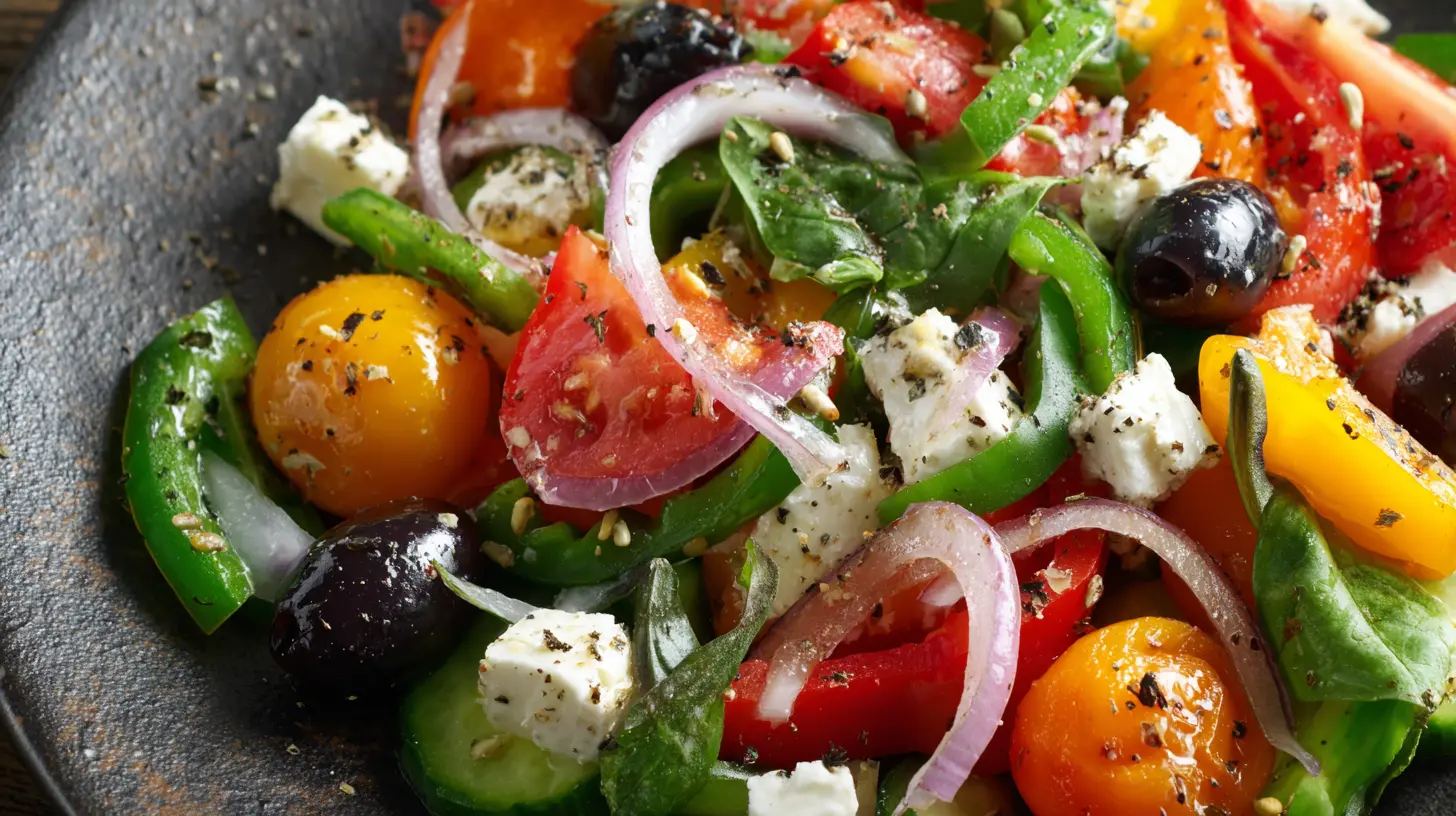
Fiber From Whole Sources, Not Just Greens
Fiber slows digestion, adds bulk, feeds gut bacteria, and supports blood sugar stability. But not all fiber is equal. The fiber in lettuce is modest. The fiber in beans, seeds, and whole vegetables is substantial.Best fiber additions for salads
- Chickpeas, black beans, or white beans, half cup- Lentils, half cup
- Cooked quinoa or farro, small portion
- Chia seeds, one tablespoon
- Ground flaxseed, one tablespoon
- Hemp hearts, two tablespoons
- Sunflower seeds, one tablespoon
- Pumpkin seeds, one tablespoon
- Broccoli, raw or blanched
- Shredded carrots
- Snap peas
- Artichoke hearts, canned in water
- Roasted eggplant, cooled
Seeds are calorie-dense, so portion matters. A tablespoon of chia is about 60 calories and delivers around 5 grams of fiber. That is a strong return. A quarter cup of nuts is 200 calories and delivers 3 to 4 grams of fiber. That is a weaker return for satiety purposes, though nuts do add fat and pleasure, which have their own value.
Why fiber timing matters
Fiber works best when it is distributed through the meal rather than concentrated in one bite. If all your beans are at the bottom of the bowl and you eat them last, you get less benefit than if they are mixed throughout. Toss the salad thoroughly. This sounds trivial, but it changes how the meal registers.Water Content and the Illusion of Eating
Water-rich foods contribute to fullness partly through volume and partly through the act of eating itself. Foods with high water content tend to be lower in calorie density, which means you can eat more of them for the same energy.There is also a sensory effect. Foods that require more chewing and produce more mouthfuls feel more filling, even when calories are equal. A salad with crisp cucumber, snap peas, and shredded cabbage takes longer to eat than a soft salad of the same weight. That extra time allows satiety signals to catch up.
Practical ways to add water and chew
- Add cucumber and celery in larger, less uniform pieces- Include snap peas or green beans, raw or lightly blanched
- Use whole cherry tomatoes instead of diced
- Add watermelon or cucumber chunks in summer salads
- Include a broth-based side, such as a small cup of miso soup, which adds volume and warmth
Warmth is underrated. A cold salad with a warm side, like soup or roasted vegetables, tends to feel more like a meal. Temperature variety increases the perceived completeness of the eating experience.
Fat: Use It Strategically, Not Generously
Fat is the most calorie-dense macronutrient at 9 calories per gram. It also slows gastric emptying and makes food taste better, which matters for satisfaction. The goal is not to eliminate fat but to use it where it does the most work.High-impact, low-volume fat sources
- A small amount of olive oil, one to two teaspoons, drizzled rather than poured- Avocado, one quarter of a medium fruit, about 80 calories
- Tahini, one teaspoon thinned with lemon and water
- Nut butter, one teaspoon whisked into a dressing
- Olives, a few, chopped
- Feta or goat cheese, a tablespoon crumbled
- Parmesan, shaved thin
- Sesame oil, a few drops for aroma
The trick with fat is distribution. A teaspoon of olive oil emulsified into a dressing coats every leaf. A tablespoon poured over the top coats only the first few bites. Emulsified dressings deliver more flavor and satisfaction per calorie.
Why fat-free dressings often backfire
Fat-free dressings are usually high in sugar and starch to compensate for missing fat. They can spike blood sugar and leave you unsatisfied. A better approach is a lighter but real dressing: yogurt-based, vinaigrette with modest oil, or a blended herb dressing with a small amount of tahini or avocado.Texture and Variety: The Overlooked Satiety Driver
Sensory-specific satiety is the idea that you tire of a food's taste and texture as you eat it. Variety within a meal keeps you interested, which paradoxically can increase intake, but it also increases satisfaction and the likelihood that you feel the meal was complete.The goal is not endless variety. It is deliberate contrast. A salad with only soft ingredients feels like baby food. A salad with only crunchy ingredients feels like a chore. Aim for at least three textures.
- Creamy: avocado, yogurt dressing, soft cheese
- Crunchy: cucumber, radish, cabbage, seeds
- Chewy: chickpeas, farro, tempeh, dried fruit in small amounts
- Crisp: fresh greens, snap peas
- Tender: roasted vegetables, beans
Contrast also applies to temperature. A salad with warm roasted vegetables and cold greens feels more substantial than an all-cold bowl.
Common Mistakes That Undermine Fullness
Dressing as an afterthought
Dressing is not decoration. It is the delivery system for fat, acid, salt, and flavor. A poorly dressed salad is boring, and boring food does not satisfy. A well-dressed salad with a modest amount of oil can feel indulgent for under 100 calories.Too much fruit, not enough vegetable
Fruit adds sweetness and water, but a salad that is mostly fruit is essentially a dessert. It will spike blood sugar and leave you hungry. Use fruit as an accent, not a base.Croutons and crispy noodles as filler
These are refined carbohydrates with little fiber and no protein. They add crunch, which is useful, but they burn through quickly. Replace them with roasted chickpeas, seeds, or toasted nuts for a similar effect with more staying power.Skipping salt
Salt is not a calorie issue. A salad without adequate salt tastes flat, and flat food does not register as satisfying. Season the salad itself, not just the dressing. A pinch of flaky salt on top makes a difference.Eating too fast
Satiety hormones take time to signal. A salad eaten in five minutes may not register before you are reaching for something else. Slow down. Use a fork and knife. Take smaller bites.Drinking your calories alongside
A sweetened beverage with a salad adds calories without adding fullness. Water, sparkling water, or unsweetened tea is a better pairing. Some evidence suggests that drinking water with a meal can modestly increase fullness, though the effect is small.Building a Filling Salad: A Step-by-Step Framework
Here is a practical template you can adapt.1. Base: two to three cups of mixed greens, half soft, half sturdy.
2. Volume vegetables: one to two cups of chopped cucumber, celery, radish, cabbage, or peppers.
3. Protein: 25 to 40 grams, from chicken, fish, eggs, tofu, tempeh, beans, or a combination.
4. Fiber boost: half cup of beans or lentils, or a tablespoon of seeds.
5. Fat: one to two teaspoons of oil, or a quarter avocado, or a tablespoon of cheese.
6. Acid and salt: lemon, vinegar, or both, plus adequate salt.
7. Texture: something crunchy and something creamy.
8. Optional warm element: roasted vegetables, a small soup, or a warm grain.
This template typically lands between 400 and 550 calories and delivers 30 to 40 grams of protein and 12 to 20 grams of fiber. That is a meal, not a side dish.
When to Use Which Strategy
Not every salad needs every trick. Context matters.If you are eating a salad as a side dish before a main course, keep it light. Volume vegetables and a simple vinaigrette are enough. Loading it with protein and beans will spoil your appetite for the meal.
If you are eating a salad as a main meal at lunch, prioritize protein and fiber. These are the levers that carry you to dinner.
If you are eating a salad in the evening and want to sleep well, keep it moderate in volume and avoid excessive raw cruciferous vegetables, which can cause bloating in some people. Cooked and cooled vegetables are gentler.
If you are training or physically active, add a modest portion of whole grains such as farro or quinoa. The carbohydrate supports recovery and adds satiety.
If you are managing blood sugar, emphasize protein, fat, fiber, and acid, and keep fruit and refined carbohydrates minimal.
Trade-Offs to Consider
Every strategy has a cost. More protein means more calories and more preparation. More volume means more chewing and a larger bowl. More fat means more flavor but also more energy. More fiber means more fullness but also more potential for bloating if you increase it too quickly.The honest answer is that there is no free lunch. The goal is not zero calories. The goal is to spend your calories where they buy the most satiety. Protein, fiber, volume, and flavor are the best investments. Refined carbohydrates, sugary dressings, and excessive oil are the worst.
A Final Word on Satisfaction
Fullness is not just physical. It is also psychological. A salad you resent eating will not satisfy you, no matter how much protein it contains. A salad you genuinely enjoy, even if it is slightly higher in calories, will leave you more content and less likely to snack.So build salads you actually want to eat. Use herbs. Use acid. Use texture. Use color. Make them look like something you would pay for at a cafe. The effort you put into making a salad appealing is not vanity. It is part of how the meal works.
Start with one change. Add protein to your next salad. See how long it holds you. Then add volume vegetables. Then adjust the dressing. Build the habit in layers, and you will stop thinking of salad as a punishment and start treating it as what it can be: a genuinely filling, satisfying meal.
all images in this post were generated using AI tools
Category:
Healthy SaladsAuthor:

Jackson Mahoney