Managing Chronic Pain: A Woman's Approach
14 June 2026
Living with chronic pain is challenging—both physically and emotionally. For many women, the struggle goes beyond just the discomfort; it affects daily activities, relationships, and overall well-being. But managing chronic pain isn't just about taking pills or pushing through. It requires a holistic, thoughtful approach that prioritizes both body and mind.
In this article, we’ll dive into effective strategies women can use to manage chronic pain while maintaining an active and fulfilling life.
Understanding Chronic Pain in Women
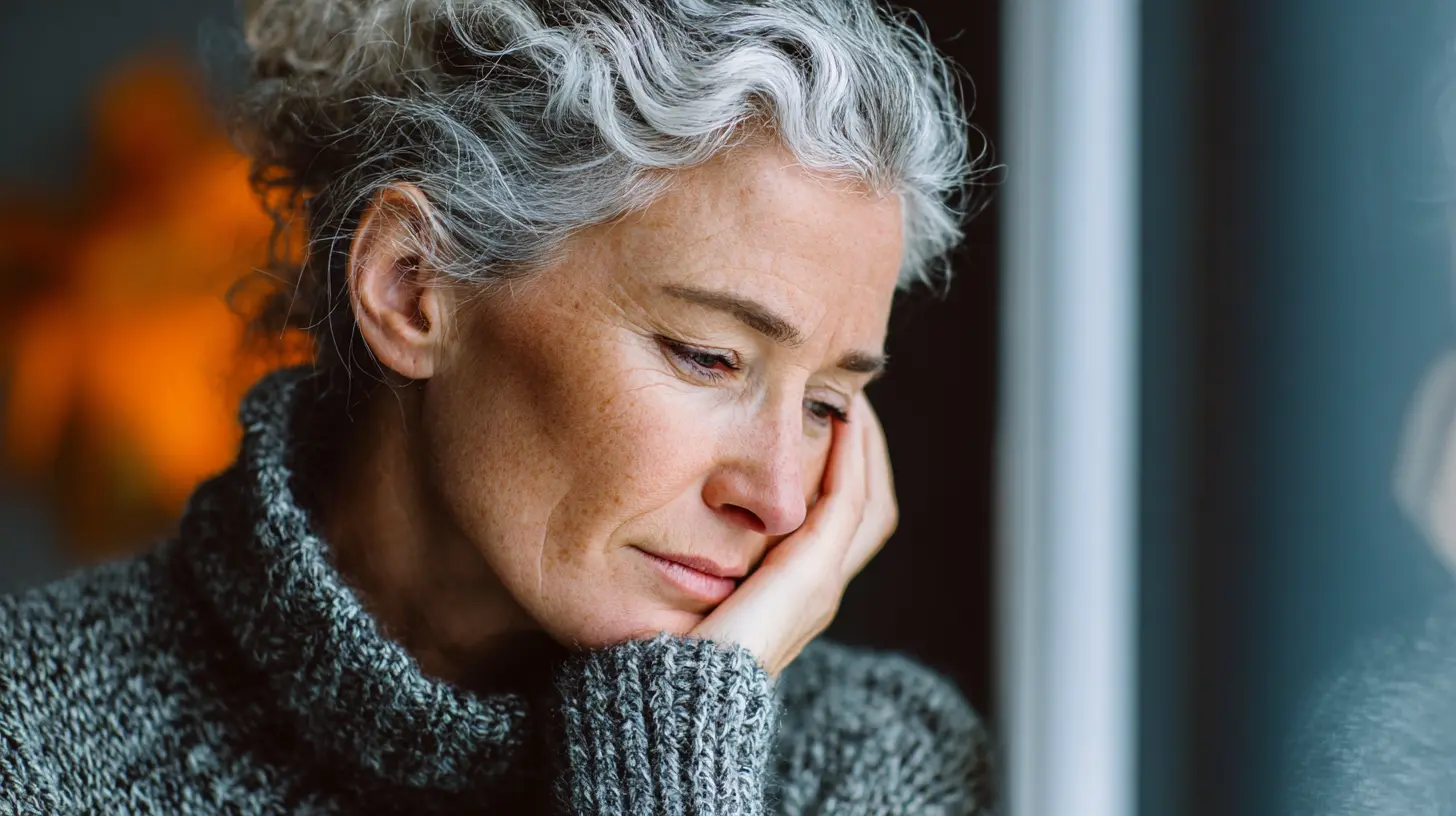
Chronic pain isn't just a lingering ache; it's a persistent condition that can last for months or even years. Women, in particular, face unique challenges when it comes to pain management. Due to hormonal fluctuations, autoimmune conditions, and even societal perceptions, pain in women is often underestimated, misdiagnosed, or misunderstood.Some common chronic pain conditions affecting women include:
- Fibromyalgia – Widespread pain and fatigue, often accompanied by sleep disturbances.
- Endometriosis – A painful reproductive condition where tissue similar to the uterine lining grows outside the uterus.
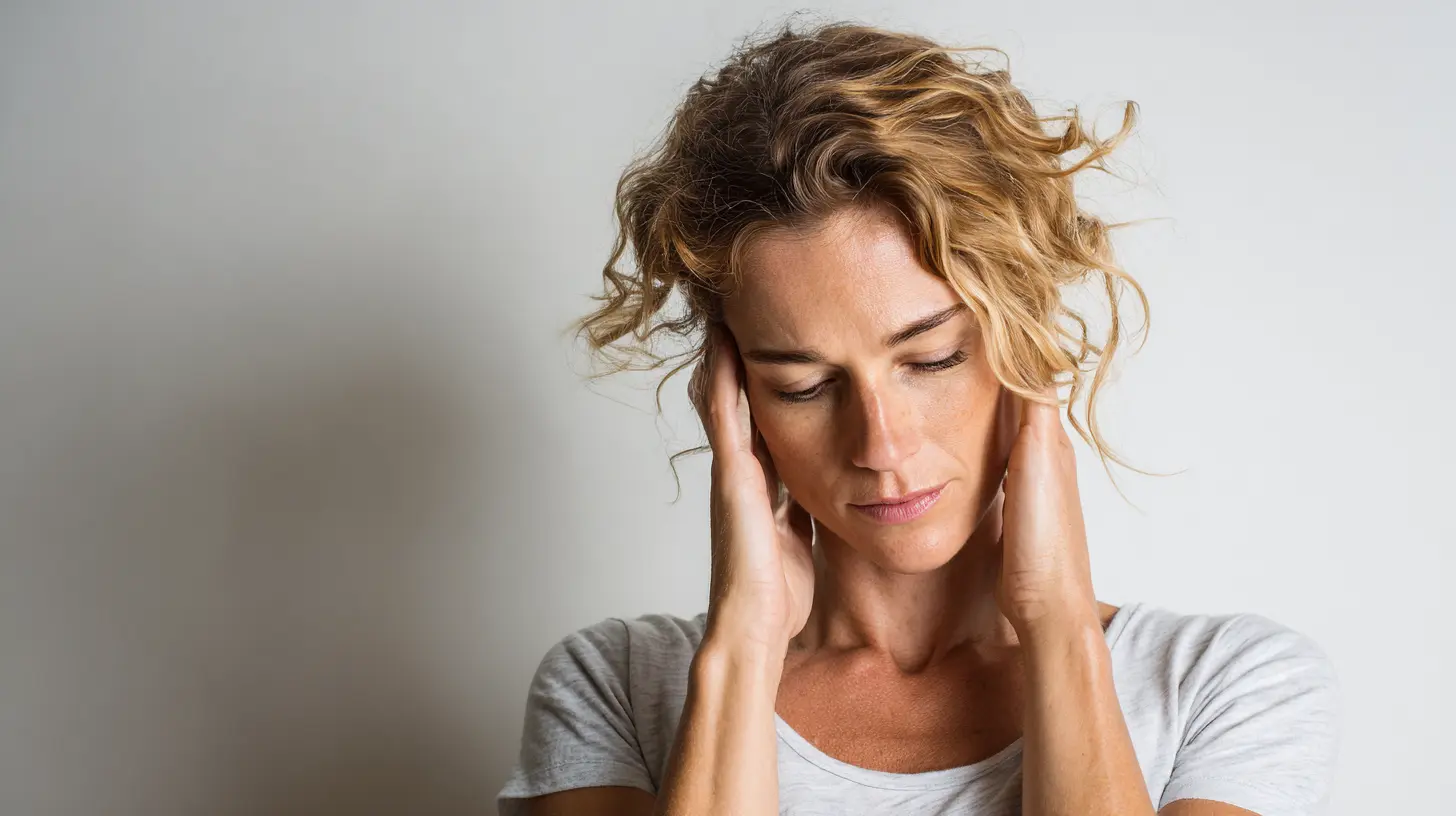
- Migraines – Intense headaches often triggered by stress, hormones, or environmental factors.
- Arthritis – Joint inflammation that can cause stiffness, swelling, and pain.
Understanding the nature of your pain is the first step in finding effective ways to manage it.

The Mind-Body Connection: How Stress and Emotions Impact Pain
Ever noticed how stress makes pain worse? There’s a reason for that. The mind and body are deeply connected, and factors like stress, anxiety, and depression can amplify pain signals.When the body is in a state of constant stress, it releases cortisol—a hormone that, in excess, can increase inflammation and worsen pain. That’s why managing stress is such a crucial part of pain management.
Practical Stress-Relief Techniques
- Mindfulness & Meditation – Just 10 minutes of deep breathing or guided meditation can help calm the nervous system.- Journaling – Writing down frustrations, fears, and even small victories can be therapeutic.
- Therapy & Support Groups – Connecting with others who understand your struggles can provide emotional relief.
Pain isn't just physical—it has an emotional component, too. Addressing both makes a big difference.
Natural and Holistic Pain Management Strategies
While medications may be necessary for some, many women prefer to complement traditional treatment with natural remedies. Here are some science-backed, holistic approaches to managing chronic pain:1. Nutrition for Pain Management
What you eat impacts how you feel. Anti-inflammatory foods can reduce pain levels and improve overall health.Foods to Include:
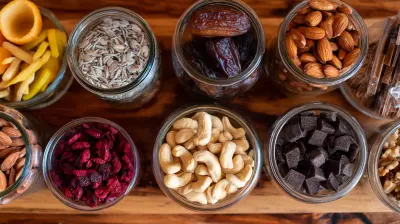
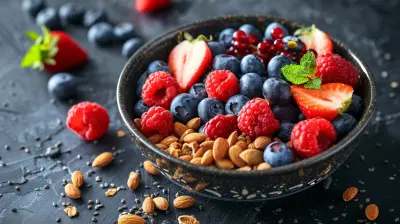
- Fatty fish (salmon, tuna) – rich in omega-3s, which fight inflammation.- Leafy greens (spinach, kale) – packed with antioxidants.
- Turmeric – contains curcumin, a powerful anti-inflammatory compound.
- Nuts & seeds – full of healthy fats that support joint and muscle health.
Foods to Avoid:
- Processed sugars – can worsen inflammation.- Red meats – linked to higher inflammation levels.
- Excess caffeine – can increase stress and disrupt sleep.
2. Exercise: Movement as Medicine
When you're in pain, working out may be the last thing on your mind. But gentle movement can actually help reduce chronic pain by improving circulation, reducing stiffness, and strengthening muscles.Best Exercises for Pain Relief:
- Yoga: Improves flexibility and reduces stress.- Swimming: Low-impact and easy on the joints.
- Walking: Simple, effective, and gets the blood flowing.
- Stretching: Keeps muscles loose and reduces stiffness.
Moving your body—even just a little—can make a world of difference.
3. The Power of Sleep
Poor sleep and chronic pain often go hand in hand. If you’re tossing and turning at night, your body isn't getting the rest it needs to heal.Tips for Better Sleep:
- Stick to a regular sleep schedule.- Create a calming bedtime routine (warm baths, herbal tea, light stretching).
- Limit screen time before bed—blue light messes with melatonin production.
- Invest in a supportive pillow and mattress.
Quality sleep can significantly reduce pain levels over time.

The Role of Alternative Therapies
In addition to traditional treatments, many women find relief through alternative therapies. While results may vary, exploring different options can help you find what works best for you.1. Acupuncture
This ancient Chinese practice involves inserting tiny needles into specific points of the body to relieve pain. Many women swear by it for conditions like migraines, fibromyalgia, and arthritis.2. Chiropractic Care
For those dealing with back pain, joint stiffness, or posture-related issues, chiropractic adjustments can provide relief.3. Massage Therapy
Massages aren’t just for relaxation—they can help improve circulation, reduce muscle tension, and decrease pain levels.4. Essential Oils & Aromatherapy
Some essential oils, like lavender and peppermint, have anti-inflammatory and pain-relieving properties. Try adding them to a warm bath or using a diffuser for a calming effect.Advocating for Your Own Health
One of the biggest challenges women face with chronic pain is being heard. Many women report that their pain is dismissed or downplayed by healthcare providers. That’s why self-advocacy is so important.Tips for Speaking Up About Your Pain:
- Keep a Pain Journal – Track symptoms, triggers, and patterns to provide concrete information to your doctor.- Be Persistent – If one doctor isn’t taking you seriously, seek a second opinion.
- Educate Yourself – The more you know about your condition, the better you can advocate for the right treatment.
- Join a Support Network – Connecting with other women experiencing chronic pain can provide validation and support.
Your pain is real, and you deserve to be taken seriously.
Final Thoughts
Managing chronic pain as a woman isn’t just about finding the right medication—it’s about taking a comprehensive, proactive approach to healing. From nutrition and movement to stress management and self-advocacy, every small step adds up.Remember, you are not alone in this journey. While chronic pain is tough, you are tougher. By listening to your body, making mindful choices, and prioritizing self-care, you can reclaim control over your life—one day at a time.
all images in this post were generated using AI tools
Category:
Womens HealthAuthor:

Jackson Mahoney
Discussion
rate this article
1 comments
Ellie McKee
This article truly resonates. As someone who navigates chronic pain daily, I appreciate the insights shared. It's comforting to know I'm not alone in this journey.
June 16, 2026 at 3:36 PM
Jackson Mahoney
Thank you for sharing your thoughts. I'm glad the article resonated with you. You're definitely not alone in this.