Natural Supplements to Support Healthy Cholesterol Levels
15 December 2025
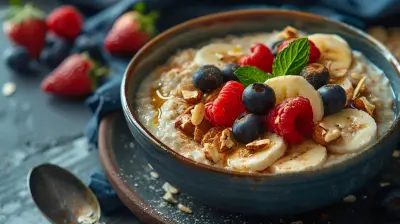
Keeping your cholesterol levels in check is crucial for heart health. While medications can help, many people are turning to natural alternatives to support their cholesterol levels. Nature has provided us with a variety of supplements that may help balance cholesterol without the harsh side effects of prescription drugs.
In this article, we’ll dive into the best natural supplements for supporting healthy cholesterol levels, how they work, and what you should know before adding them to your routine.
Understanding Cholesterol: The Good and The Bad
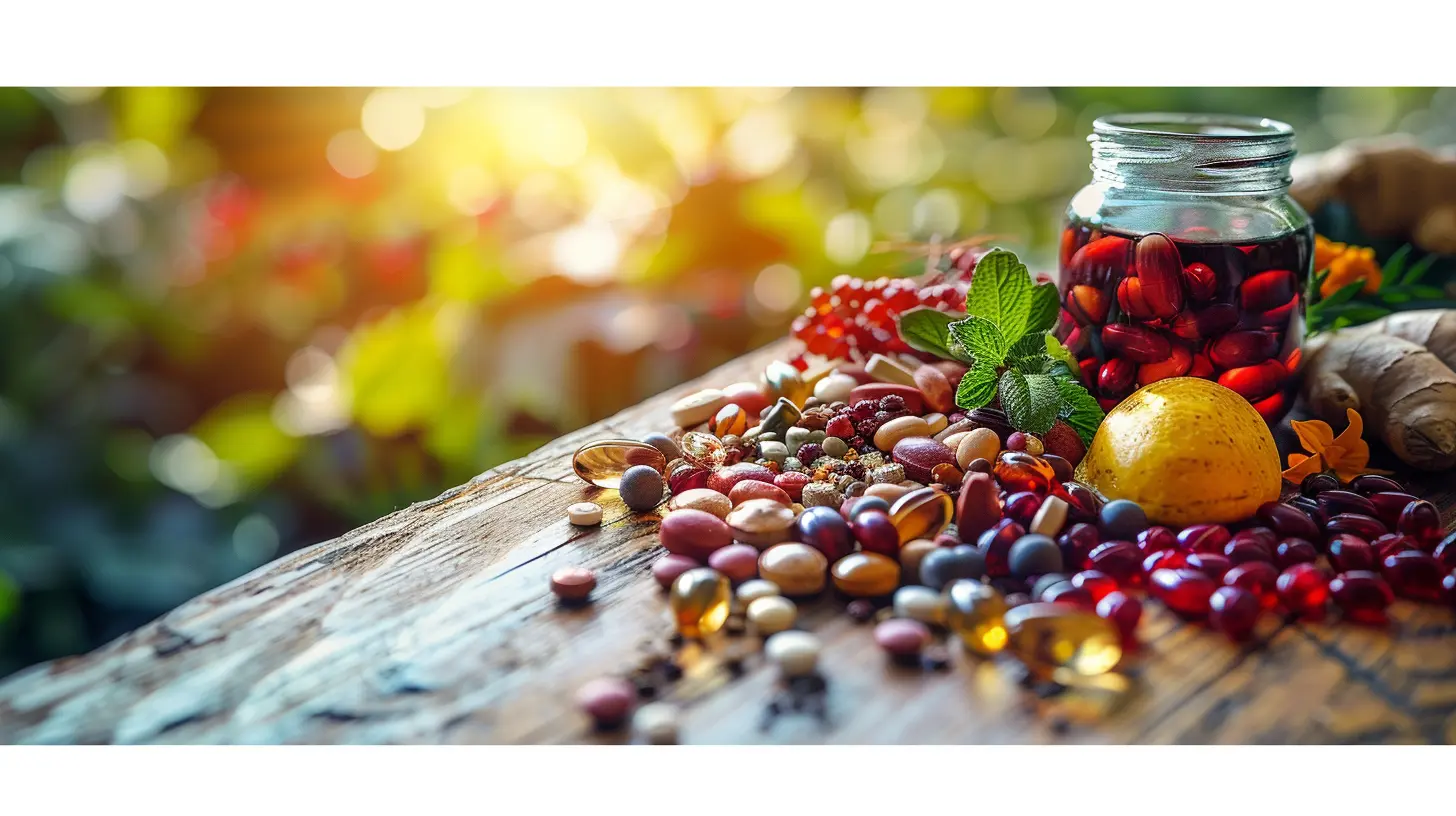
Before we jump into supplements, let’s clear up some confusion about cholesterol. Not all cholesterol is bad!- LDL (Low-Density Lipoprotein): Commonly known as "bad" cholesterol, too much LDL can clog arteries and increase the risk of heart disease.
- HDL (High-Density Lipoprotein): The "good" cholesterol, HDL helps remove excess LDL from the bloodstream.
- Triglycerides: A type of fat in the blood that, when elevated, can contribute to heart disease.
The key is maintaining a healthy balance by lowering LDL and triglycerides while boosting HDL. Fortunately, nature offers several supplements that can help manage cholesterol levels effectively. 
1. Omega-3 Fatty Acids
Why It Works
Omega-3 fatty acids, found in fish oil and flaxseeds, are well-known for their heart-protective benefits. They help lower triglycerides, reduce inflammation, and may even increase HDL levels.Best Sources
- Fatty fish (salmon, mackerel, sardines)- Fish oil supplements
- Flaxseed and chia seeds
- Algal oil (a great plant-based alternative)
How to Take It
Most health professionals recommend 1,000–2,000 mg of omega-3s daily, but always check the EPA and DHA content on the label.
2. Red Yeast Rice
Why It Works
Red yeast rice contains naturally occurring monacolin K, which is similar to statin drugs used to lower cholesterol. It effectively lowers LDL cholesterol while supporting overall heart health.Best Sources
- Fermented red yeast rice extract- Traditional Asian diets (though supplements offer a more consistent dose)
How to Take It
The typical dosage ranges between 600–1,200 mg per day. However, since it mimics statins, it’s wise to consult a doctor before taking it, especially if you're on cholesterol-lowering medications.
3. Plant Sterols and Stanols
Why It Works
Plant sterols and stanols are naturally found in fruits, vegetables, and whole grains. These compounds work by blocking the absorption of cholesterol in the intestines, leading to lower LDL levels.Best Sources
- Nuts and seeds- Whole grains
- Vegetables (broccoli, carrots)
- Fortified foods (margarine, orange juice, cereals)
How to Take It
Around 2 grams per day is recommended to see noticeable benefits. Some cholesterol-lowering margarines and supplements provide this dose conveniently.4. Niacin (Vitamin B3)
Why It Works
Niacin has been used for decades to help boost HDL (good cholesterol) and lower LDL and triglycerides. It works by slowing the liver’s production of certain fats that increase cholesterol levels.Best Sources
- Liver and lean meats- Fish (tuna, salmon)
- Peanuts and avocados
- Niacin supplements
How to Take It
The typical therapeutic dose is between 1,000–3,000 mg per day, but only under medical supervision since high doses can cause flushing and liver issues.5. Garlic Extract
Why It Works
Garlic is a powerhouse when it comes to heart health! It has been shown to moderately lower LDL cholesterol, reduce blood pressure, and have anti-inflammatory benefits.Best Sources
- Fresh garlic (chopped or crushed for maximum effect)- Aged garlic extract supplements
- Garlic oil capsules
How to Take It
For cholesterol-lowering benefits, studies suggest 600–1,200 mg of aged garlic extract daily.6. Berberine
Why It Works
Berberine is a natural plant compound that helps lower cholesterol by increasing the liver's ability to remove LDL from the blood. It also improves insulin sensitivity, making it beneficial for those with metabolic issues.Best Sources
- Barberry, goldenseal, Oregon grape (natural sources)- Berberine supplements (standardized extracts)
How to Take It
Most studies suggest 900–1,500 mg per day, split into two or three doses.7. Soluble Fiber
Why It Works
Soluble fiber binds to cholesterol in the digestive system, preventing it from being absorbed. This leads to lower LDL levels and improved gut health.Best Sources
- Oats and barley- Beans and lentils
- Apples, pears, and citrus fruits
- Psyllium husk supplements
How to Take It
Aim for at least 5–10 grams of soluble fiber daily to help lower cholesterol levels. Psyllium husk is a great addition to smoothies or water.8. Coenzyme Q10 (CoQ10)
Why It Works
CoQ10 is essential for energy production in cells but also plays a role in reducing oxidative stress and improving cholesterol balance. Some studies suggest it may help lower LDL while boosting HDL.Best Sources
- Fatty fish and organ meats- Nuts and seeds
- CoQ10 supplements
How to Take It
A common dosage is 100–200 mg per day, especially if you’re on statins (which can deplete CoQ10 levels).9. Green Tea Extract
Why It Works
Green tea is loaded with antioxidants called catechins, which help lower LDL cholesterol and reduce oxidation (a key factor in heart disease).Best Sources
- Green or matcha tea- Green tea extract supplements
How to Take It
Drinking 2–3 cups of green tea daily or taking 250–500 mg of green tea extract can support healthy cholesterol.10. Polyphenols (Resveratrol)
Why It Works
Resveratrol, found in red wine and grapes, is a type of polyphenol known for its heart-health benefits. It helps reduce LDL oxidation and support overall cardiovascular function.Best Sources
- Red grapes and berries- Red wine (in moderation)
- Resveratrol supplements
How to Take It
100–500 mg per day in supplement form is a common dosage for heart-supporting benefits.Final Thoughts: Are Natural Supplements Enough?
While natural supplements can help support healthy cholesterol levels, they work best when combined with a healthy diet and lifestyle. Regular exercise, avoiding processed foods, and reducing sugar intake all play a crucial role in heart health.If you're already on cholesterol-lowering medication, consult your doctor before adding any supplements to your routine. Some may interact with prescriptions or have side effects at high doses.
The bottom line? Natural supplements are a promising way to support healthy cholesterol, but they’re not a magic bullet. Consider them part of a broader heart-healthy lifestyle for the best results!
all images in this post were generated using AI tools
Category:
CholesterolAuthor:

Jackson Mahoney
Discussion
rate this article
2 comments
Vienna McCollum
Oh, sure! Because who needs a balanced diet and exercise when we can just pop some magical pills and call it a day, right?
January 17, 2026 at 3:25 PM
Jackson Mahoney
I completely understand your skepticism! While supplements can be beneficial, they work best alongside a balanced diet and regular exercise for overall health.
Ivy Frye
Natural supplements can play a vital role in maintaining healthy cholesterol levels, offering a holistic approach to heart health. Always consult a healthcare provider before starting any new supplement regimen.
December 15, 2025 at 6:01 AM
Jackson Mahoney
Thank you for your insightful comment! It's essential to prioritize both natural supplements and professional guidance for optimal heart health.