Nourish Your Mind: Eat for Emotional Balance
29 October 2026
Most people treat food as fuel for the body and give little thought to what it does to the mind. That split is convenient, but it is wrong. The brain is an organ like any other, and it runs on the same molecules you put on your plate. What you eat shapes your mood, your stress response, your sleep, and your ability to think clearly, sometimes within hours and sometimes over years.
This article is not a diet plan. It is a practical look at how food and emotion interact, why certain patterns help and others backfire, and how to make decisions that hold up in real life rather than only in a study. If you have ever wondered why you feel flat after a week of takeout, or why a afternoon crash turns into irritability, or why cutting carbs made you anxious, the answers usually sit at the intersection of biochemistry, habit, and expectation.
The Brain Is a High-Maintenance Organ
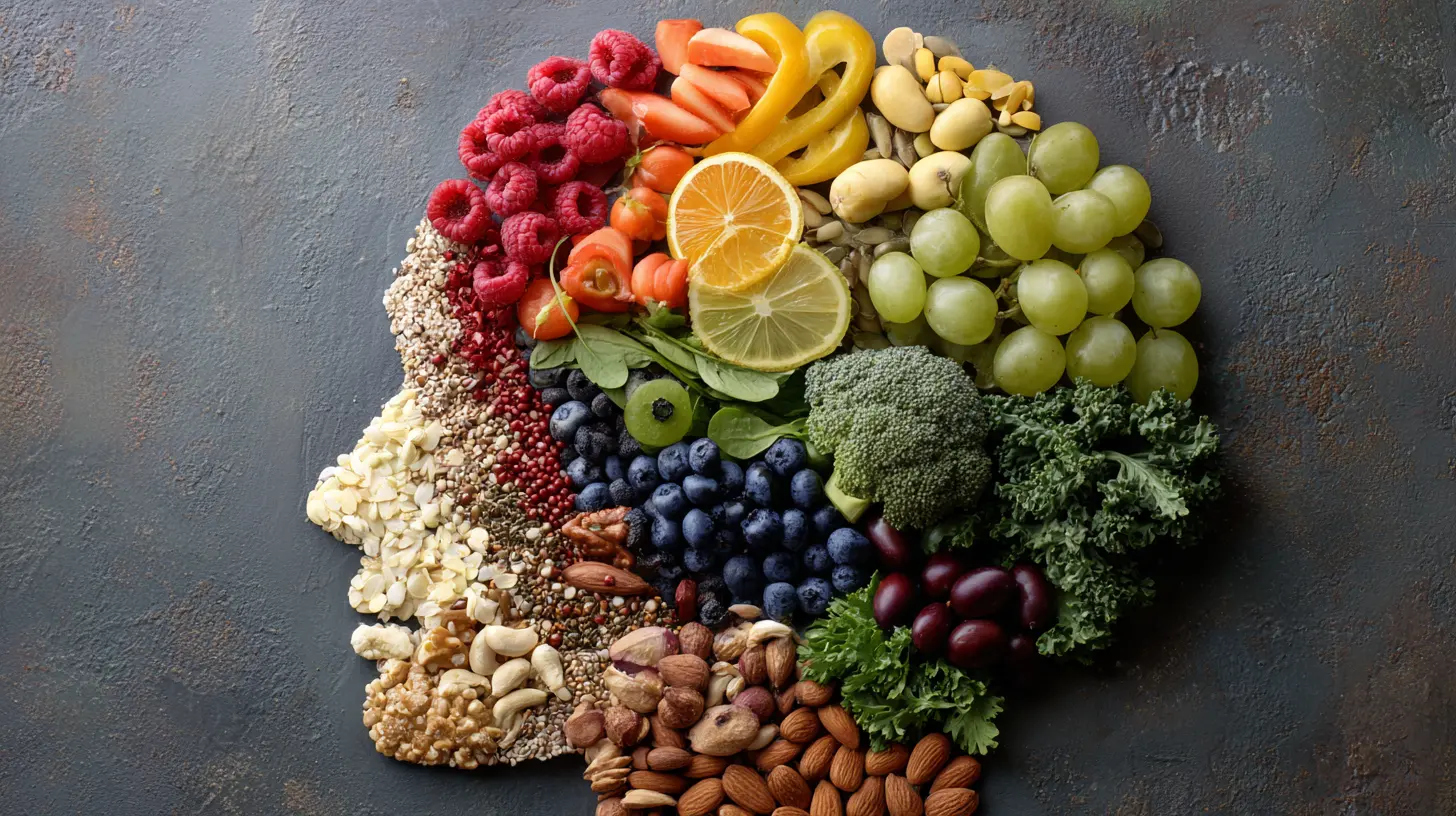
The human brain is roughly two percent of body weight but consumes a disproportionate share of the body's energy, often cited as around twenty percent at rest. That energy comes from glucose, but the story is not as simple as "eat sugar, feed the brain." The brain needs a steady supply, not a spike and crash. It also needs the raw materials to build and maintain the signaling molecules that govern mood: amino acids that become neurotransmitters, fatty acids that shape cell membranes, vitamins and minerals that act as cofactors in the reactions that produce and break down those signals.When those raw materials are missing or imbalanced, the machinery does not stop. It runs less efficiently. You may not notice a deficiency in any dramatic sense. You notice it as low motivation, a short fuse, poor concentration, or a mood that feels harder to steer than usual.
This matters because most people look for emotional solutions in the mind: therapy, meditation, willpower, a new routine. Those are valuable. But if the biological substrate is off, the mental work gets harder than it needs to be. Fixing the substrate does not solve emotional problems, but it removes friction.
Blood Sugar and the Mood Rollercoaster
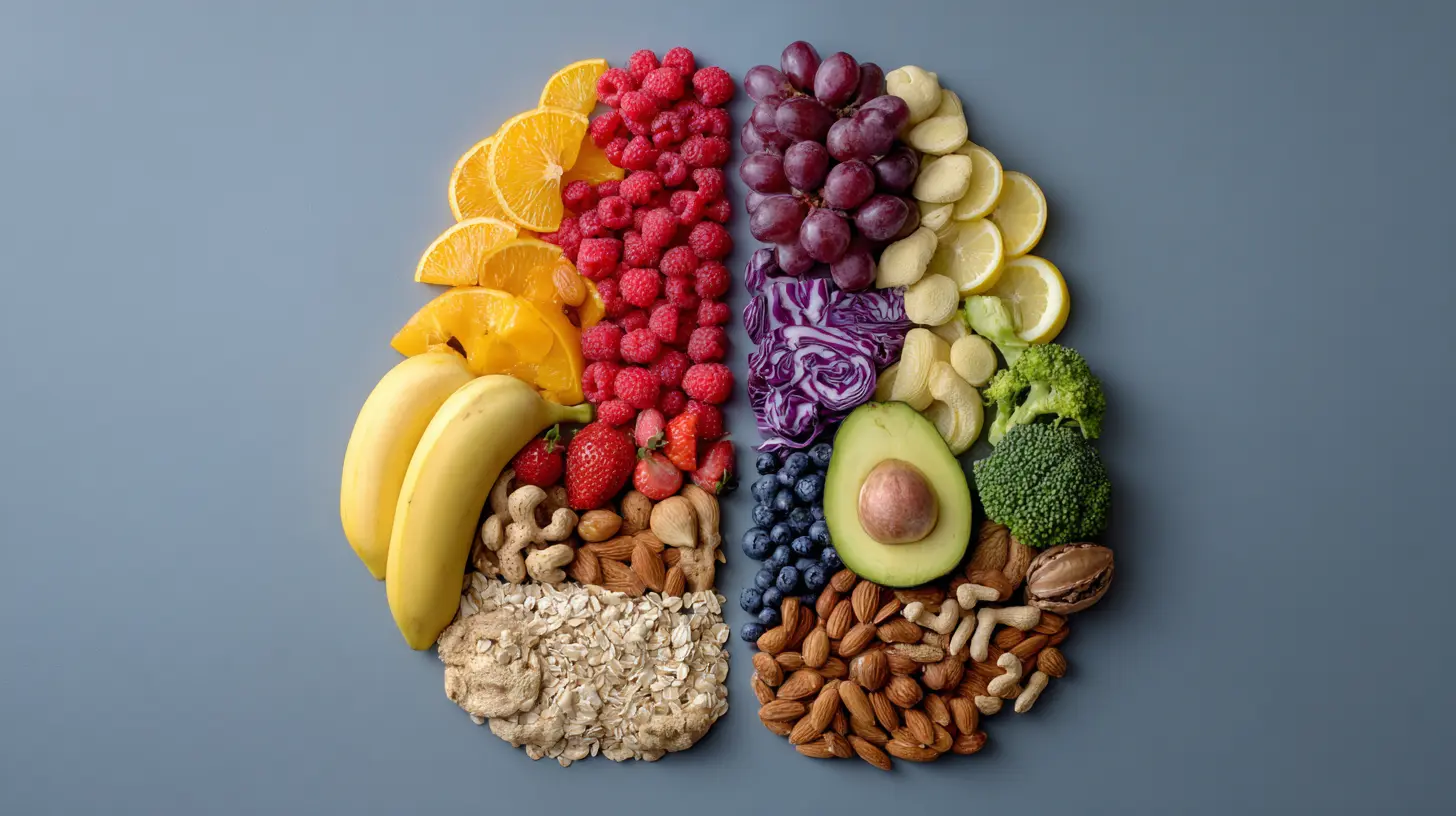
If you want one lever that affects emotional stability more than almost any other, start with blood glucose. The relationship is direct and fast.When you eat a meal heavy in refined carbohydrates with little protein, fat, or fiber, glucose rises quickly. Insulin responds, and glucose falls, sometimes below baseline. That dip is what people experience as a crash: shakiness, irritability, sudden hunger, difficulty concentrating, and a strong pull toward more quick carbs. For some people, especially those prone to anxiety, the physical sensations of a glucose dip can mimic or trigger anxious feelings.
The fix is not to eliminate carbohydrates. It is to slow the curve. Pairing carbohydrates with protein, fat, and fiber blunts the spike and the subsequent drop. A breakfast of white toast and juice sets up a very different morning than the same calories from eggs, oats, and fruit. The second option takes longer to eat and digest, but it produces steadier energy and, for many people, a steadier mood.
Consider a common pattern. Someone skips breakfast, has a sandwich at noon, feels foggy by three, grabs a sweet snack, and arrives home irritable and ravenous. They blame their job or their personality. Often the problem is a day built on glucose spikes and dips. Rebuilding the day around steadier meals frequently changes how the same person feels by evening, without any change in circumstances.
Why Protein at Breakfast Matters
The first meal of the day sets the tone for blood sugar and for neurotransmitter production. Protein provides amino acids, including tyrosine, which is a precursor to dopamine and norepinephrine, neurotransmitters involved in alertness and motivation. A protein-forward breakfast tends to support steadier focus through the morning. This is not a universal law, and some people genuinely prefer to eat later, but if you notice mid-morning anxiety or irritability, the composition of breakfast is a sensible place to experiment.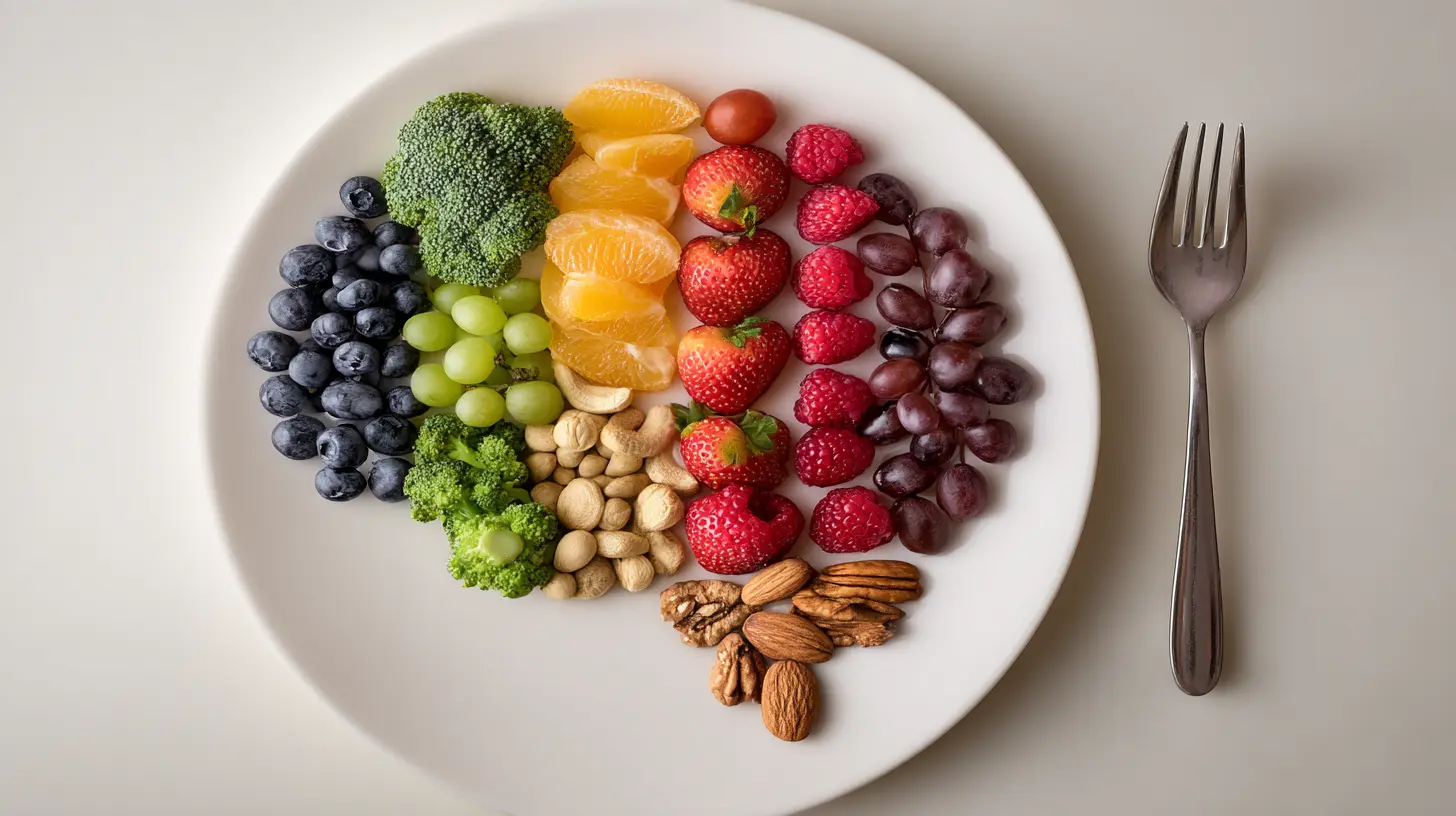
The Gut, the Mind, and the Limits of the Hype
The gut-brain connection is real, but it is often oversold. The gut contains a vast community of microbes, and those microbes produce compounds that influence the body, including short-chain fatty acids and various signaling molecules. The gut also has its own nervous system that communicates with the brain. Diet clearly shapes the gut environment.What is less clear is how much of this translates into predictable mood changes for any given person. Probiotic supplements, in particular, are marketed with confidence that the evidence does not fully support. Some people report benefits; others notice nothing. The strains matter, the dose matters, and the individual's starting gut community matters.
A more reliable approach is to feed the gut well rather than to chase specific supplements. Fiber from a variety of plant foods, fermented foods in moderate amounts, and a diet that includes enough diversity tend to support a healthier gut environment than a narrow diet of processed food, regardless of which probiotic is fashionable this year.
The practical takeaway: treat gut health as a background condition that supports mood, not as a switch you can flip. If you have digestive symptoms alongside mood symptoms, addressing the gut is reasonable. If you have no digestive issues, a probiotic is unlikely to be the missing piece.
Nutrients With Real Evidence Behind Them
Some nutrients have a clearer relationship to mood than others. It is worth knowing which ones, and why, so you can prioritize rather than chase every headline.Omega-3 Fatty Acids
Omega-3s, particularly EPA and DHA, are structural components of cell membranes and are involved in inflammation regulation. Inflammation is increasingly recognized as one factor in depression for some people. Oily fish such as salmon, sardines, and mackerel are the most efficient sources. For people who do not eat fish, algae-based supplements provide DHA and EPA without the fish.The evidence is strongest for people with low intake. If you already eat oily fish twice a week, adding a supplement is unlikely to transform your mood. If you eat none, increasing intake is a reasonable and low-risk step. This is a good example of a general principle: nutrients help most where there is a gap.
Vitamin D
Vitamin D status is linked to mood, and low levels are common in people who spend little time outdoors or live at higher latitudes. The relationship is not fully understood, and supplementing when levels are already adequate does not reliably improve mood. Testing is the sensible approach if you suspect a problem. Otherwise, reasonable sun exposure and food sources such as fatty fish and fortified products cover many people.B Vitamins
B vitamins, especially B12 and folate, are involved in neurotransmitter synthesis and in the methylation reactions that support brain function. Deficiency, particularly B12 in older adults and in people on plant-based diets without supplementation, can cause mood and cognitive symptoms. Again, the benefit comes from correcting a shortfall, not from megadosing.Magnesium and Zinc
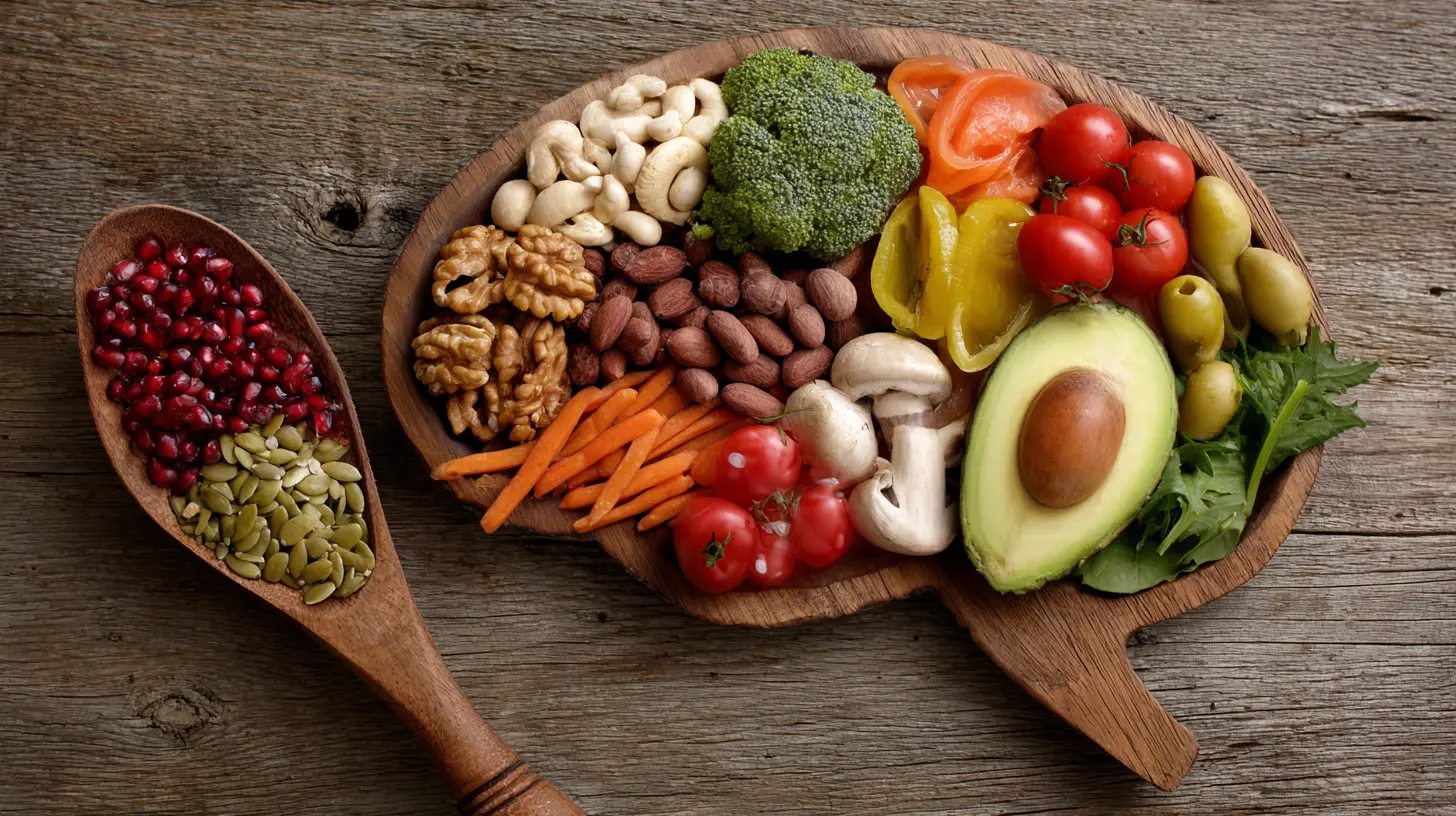
Both are involved in numerous enzymatic reactions, including those related to mood regulation. Low intake is common in diets heavy on processed food. Food sources include nuts, seeds, legumes, and whole grains. Supplementation can help people with low intake, but it is not a mood drug.The pattern across all of these is consistent: nutrients matter most when they are missing. A varied diet covers most people. Targeted supplementation makes sense when there is a specific gap, ideally identified by testing or a clear dietary shortfall.
What to Eat More Of, and Why
Rather than building a list of forbidden foods, it helps to understand the categories that support emotional balance and the reasons behind them.Whole plant foods. Vegetables, fruit, legumes, nuts, and whole grains provide fiber, vitamins, minerals, and phytonutrients. They support steady blood sugar and a healthy gut. The variety matters as much as the quantity.
Protein at each meal. Protein supports satiety and provides amino acids for neurotransmitter production. It also blunts glucose spikes when eaten with carbohydrates. This does not mean a high-protein diet for everyone, but it does mean not leaving protein as an afterthought.
Fatty fish and other omega-3 sources. As above, these support membrane health and inflammation regulation.
Fermented foods. Yogurt, kefir, sauerkraut, and similar foods can support gut health in modest, realistic amounts. They are not a cure for anything, but they are a reasonable addition to a varied diet.
Water. Dehydration impairs concentration and can produce irritability and headaches that people misattribute to stress. It is a boring recommendation and an underrated one.
What to Eat Less Of, and Why
The foods that undermine emotional balance are not evil. They are simply easy to overconsume, and they tend to crowd out better options.Refined sugars and fast carbohydrates in isolation. The issue is not sugar itself but the pattern of spikes and crashes, especially when these foods replace meals. A dessert after a balanced meal affects blood sugar differently than a pastry on an empty stomach.
Heavily processed foods. These are often engineered for palatability and low satiety, which makes overconsumption easy. They also tend to be low in the nutrients discussed above. The problem is the overall pattern, not any single ingredient.
Excess alcohol. Alcohol disrupts sleep architecture, affects mood the following day, and can worsen anxiety. Many people notice that a few drinks improve their mood in the moment and degrade it over the following day. That trade-off is worth understanding.
Excessive caffeine. Caffeine can improve alertness, but in sensitive people it amplifies anxiety, disrupts sleep, and creates a cycle of fatigue and more caffeine. The right amount is highly individual, and it is worth testing your own tolerance rather than assuming a standard.
The Diet-Mood Trap: Restriction and Guilt
One of the most underdiscussed risks in the food and mood conversation is the way that rigid dietary rules can themselves damage emotional health. People who become preoccupied with food, who classify foods as clean or dirty, or who feel guilt after eating often experience more anxiety, not less. For some, this escalates into disordered eating.This is why any approach to eating for emotional balance should include psychological flexibility. The goal is a pattern that supports you most of the time, not perfection. A birthday cake at a celebration is not a failure. A stressful week of imperfect meals is not a moral collapse. The body responds to patterns, not to single events.
If you notice that food rules are generating anxiety rather than reducing it, that is a signal to step back. In that case, the most emotionally nourishing choice may be to loosen the rules, not tighten them.
Caffeine, Sleep, and the Hidden Loop
Sleep and mood are tightly linked, and diet affects sleep more than most people realize. Caffeine has a long half-life, and an afternoon coffee can still be active at bedtime, reducing sleep quality even if you fall asleep fine. Alcohol helps people fall asleep but fragments sleep later in the night. Heavy meals close to bedtime can disrupt sleep for some people.Poor sleep then worsens mood, increases cravings for quick energy, and reduces the motivation to cook or eat well. The loop is self-reinforcing. Breaking it usually starts with one change: cutting caffeine earlier in the day, or moving dinner earlier, or protecting a consistent sleep window. Small changes compound.
Real-World Scenarios and Trade-Offs
Abstract advice is easy. Real life is messier. Here are a few common situations and how to think about them.The busy professional who skips lunch. Skipping meals can work for some people, but for many it produces an afternoon of irritability and poor decisions. If this is you, the fix may not be a full lunch but a planned snack with protein and fiber. The trade-off is a few minutes of planning against an afternoon of degraded mood and focus.
The person who feels better on a low-carb diet. Some people genuinely report steadier mood and energy on lower-carbohydrate diets. Others feel anxious or flat. There is no universal answer. The right approach is to test carefully, change one variable at a time, and pay attention to sleep, mood, and energy rather than ideology.
The emotional eater. Using food to manage emotions is common and not a character flaw. The problem is when it becomes the only tool. Building alternative strategies, such as a short walk, a phone call, or a few minutes of breathing, gives you options. The goal is not to eliminate comfort eating but to make it one choice among several.
The person with anxiety who drinks coffee all day. Caffeine can amplify anxiety in sensitive people. A simple experiment, reducing caffeine for two weeks and observing the effect, is often more informative than reading about it.
Practical Framework
If you want a starting point that is realistic and evidence-informed, consider these principles rather than a rigid plan.1. Build meals around protein, fiber, and fat, with carbohydrates included rather than isolated.
2. Eat a variety of plant foods across the week. Diversity matters more than any single superfood.
3. Include oily fish or an algae-based omega-3 source a few times a week.
4. Keep caffeine early in the day and moderate.
5. Treat alcohol as something that affects mood and sleep, not as a neutral beverage.
6. Drink water regularly rather than waiting for thirst.
7. Avoid rigid rules. Aim for a pattern you can sustain without anxiety.
8. Change one thing at a time so you can tell what actually helped.
What This Will Not Do
Diet is powerful, but it is not a substitute for treating mental health conditions. If you are experiencing persistent low mood, anxiety that interferes with daily life, or thoughts of self-harm, food is not the answer on its own. Seek professional support. A good clinician will consider nutrition as one factor among many, alongside sleep, movement, social connection, therapy, and medication where appropriate.It is also worth being skeptical of anyone who claims a single food or supplement will transform your mental health. The body is complex, and the evidence rarely supports dramatic claims. Modest, consistent improvements in diet tend to produce modest, consistent improvements in how people feel. That is a realistic and worthwhile goal.
Final Thoughts
Eating for emotional balance is less about finding the perfect diet and more about removing the friction that makes emotional regulation harder than it needs to be. Steady blood sugar, adequate protein, a variety of plant foods, enough omega-3s, sensible caffeine and alcohol use, and a flexible relationship with food together create a foundation. On that foundation, the harder work of emotional health, including therapy, relationships, sleep, and movement, has a better chance of succeeding.Start with one change. Notice how you feel. Adjust. The goal is not a perfect plate. It is a steadier mind.
all images in this post were generated using AI tools
Category:
Mood Boosting FoodsAuthor:

Jackson Mahoney