The Impact of Color Therapy on Mood and Stress
30 June 2026
Have you ever noticed how certain colors make you feel calm while others seem to energize you? It’s not just in your head—there’s a real science behind it. Color therapy, or chromotherapy, has been used for centuries to influence emotions, reduce stress, and enhance overall well-being. But how exactly does it work? And can something as simple as color really change your mood? Let's dive in.
What Is Color Therapy?
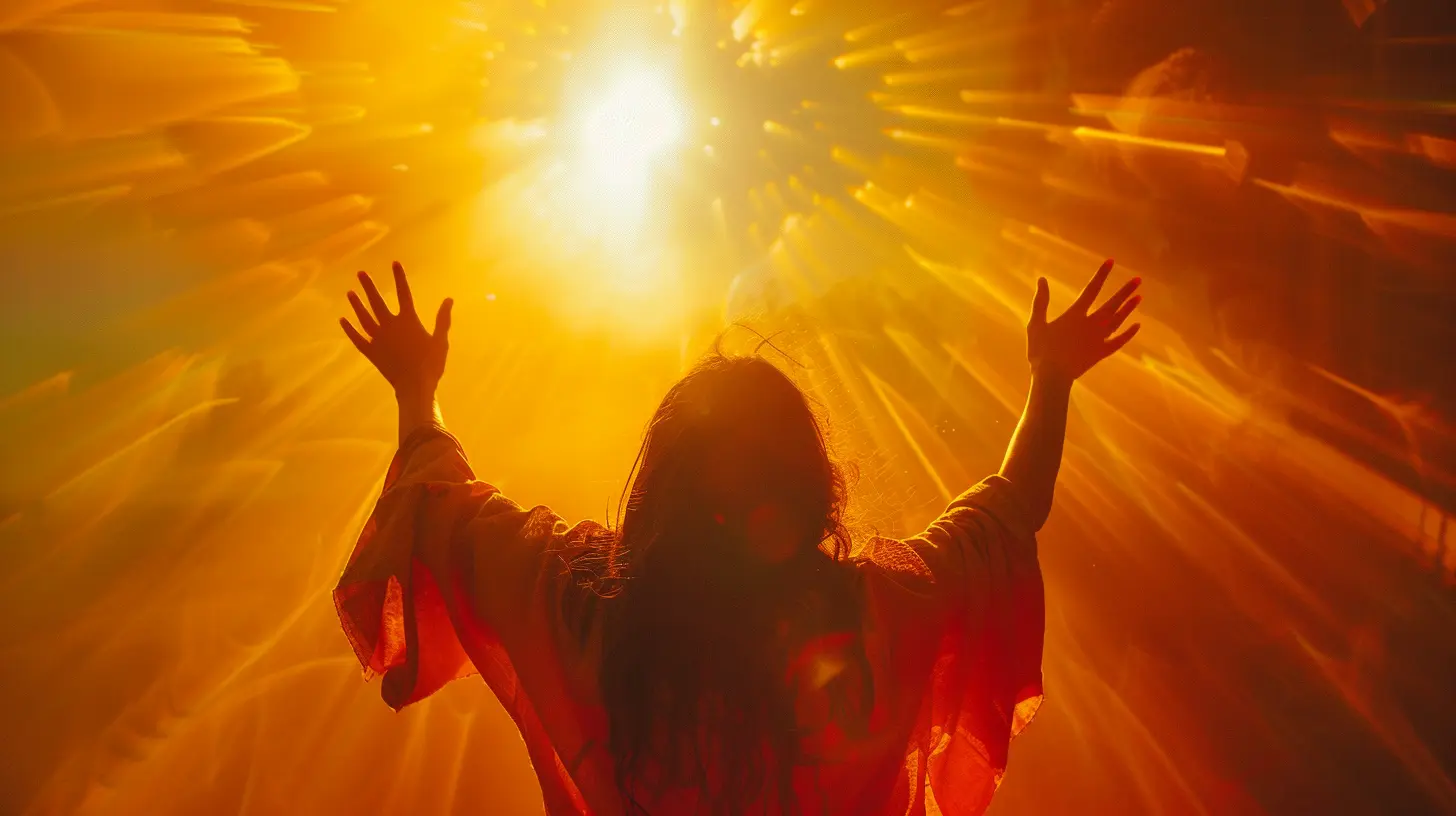
Color therapy is a holistic healing practice that uses colors to balance physical, emotional, and mental well-being. The idea is that different colors have different vibrations that can affect our energy levels, emotions, and even our physiological responses. While it may sound a bit mystical, studies show that color does play a significant role in psychological and physiological processes.From ancient Egyptian temples painted in calming blues to modern-day therapists recommending warm colors for productivity, color has long been recognized as a powerful tool for healing and relaxation.
The Science Behind Color and Emotion
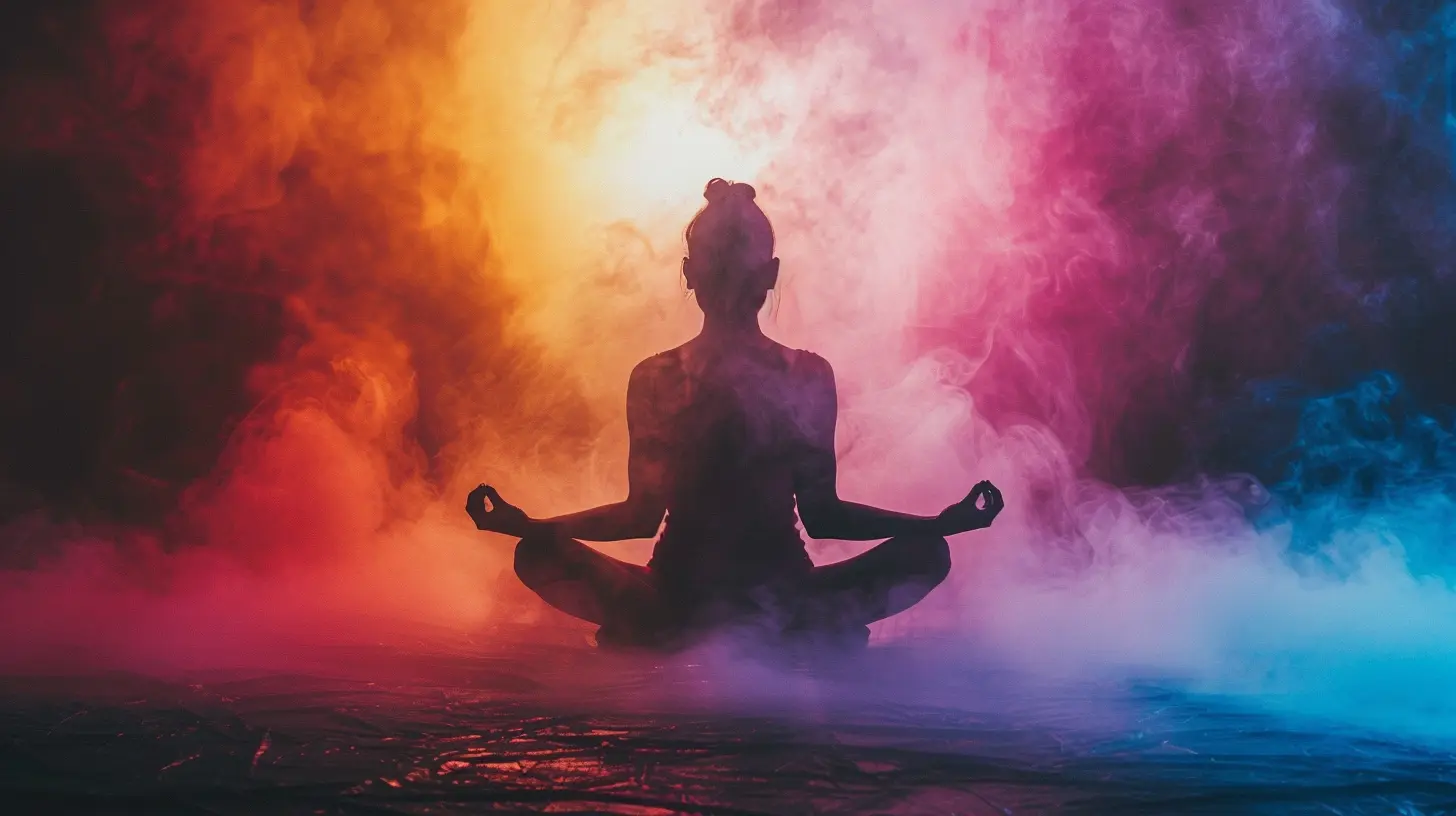
Ever wondered why hospitals often have soft pastel walls, or why fast-food chains love using red and yellow? Turns out, colors can significantly influence how we feel. Psychologists have studied the effects of color on human emotions and behavior for years, and the results are fascinating.Each color is associated with specific psychological and physiological responses. Here’s a breakdown of what different colors might do for your mood and stress levels:
1. Blue – The Calming Effect
Blue is often linked to feelings of peace, serenity, and relaxation. It’s no surprise that it’s a popular choice for bedrooms and meditation spaces. Studies suggest that exposure to blue can lower heart rate and blood pressure, making it a great color for stress relief.If you ever feel overwhelmed, try adding some blue elements to your environment—maybe a blue blanket, artwork, or even a soft blue light. It could make a bigger difference than you think.
2. Red – The Energy Booster
Red is powerful and intense. It’s known to increase heart rate, stimulate adrenaline, and even boost appetite (which is why so many restaurants use red in their branding). While it’s great for creating excitement and passion, too much red can also lead to feelings of frustration or anxiety.If you're looking to feel more energized and motivated, wearing red or surrounding yourself with red objects might give you that extra push. But if you're already stressed, it may be best to tone it down.
3. Green – Nature’s Balancer
Green is the color of nature, and it’s deeply connected to feelings of harmony and balance. It’s known to reduce anxiety and promote relaxation. Have you ever noticed how a walk in the park can instantly lift your mood? That’s the power of green at work.Adding some indoor plants to your space or incorporating green decor can create a soothing atmosphere that helps promote relaxation and mental clarity.
4. Yellow – The Mood Lifter
Yellow is bright, cheerful, and full of energy. It’s often associated with happiness, positivity, and mental clarity. However, too much yellow—especially if it’s too bright—can trigger feelings of irritation or restlessness.If you need a mental boost or want to foster creativity, incorporating splashes of yellow into your workspace can do wonders. But if you’re already feeling stressed, opting for a softer shade of yellow may be a better choice.
5. Purple – The Stress Reliever
Purple has long been associated with spirituality, wisdom, and calmness. It combines the stability of blue with the energy of red, creating a sense of balance. Lighter shades, like lavender, are particularly effective for relaxation and reducing stress.If you're looking for a color that can help you unwind after a long day, purple might be a great option. Try using lavender-scented candles or a soft purple throw blanket for an extra calming effect.
6. Orange – The Confidence Booster
Orange is warm, joyful, and energizing. It’s less aggressive than red but still has an uplifting quality. Orange is often linked to feelings of enthusiasm, creativity, and socialization.If you struggle with confidence or motivation, adding a bit of orange to your wardrobe or workspace can help generate a sense of optimism and excitement.
7. White – The Clean Slate
White represents purity, simplicity, and clarity. It can create a sense of spaciousness and peace, which is why many minimalist designs incorporate a lot of white. However, too much white can sometimes feel cold or sterile.If your mind feels cluttered, a clean, white space could help create a sense of mental clarity and freshness.
8. Black – The Power Color
Black is often associated with sophistication, mystery, and strength. While it can be grounding, too much black might feel heavy or overwhelming.If used in moderation, black can add a sense of control and elegance to a space. However, balancing it with lighter colors can prevent it from feeling too intense.
How to Use Color Therapy in Everyday Life
Now that we know how colors can affect our emotions, how can we use this knowledge to improve our mood and reduce stress? Here are a few simple ways to incorporate color therapy into your daily life:1. Change Your Home Décor
Your environment plays a huge role in your mental state. If you want to feel more relaxed, consider painting your bedroom a soft shade of blue or green. Need more energy? Try adding some red or orange accents to your workspace.2. Wear the Right Colors
What you wear can subtly influence your mood. If you need confidence for an important presentation, opt for red or orange. Looking for calmness? Blue and green might be your best bet.3. Use Colored Lighting
Colored LED lights can be a simple yet effective way to shift your mood. A warm yellow glow in the evenings can create a sense of coziness, while a soft blue light can help reduce stress.4. Surround Yourself with Nature’s Colors
Spending time in nature is one of the easiest ways to experience color therapy. A walk in a green park, watching a sunset with shades of orange and pink, or even sitting by the ocean can have profound effects on your stress levels.5. Mindful Color Visualization
If you don’t have immediate access to certain colors, you can use visualization techniques. Close your eyes and imagine yourself surrounded by a calming blue or a refreshing green. It may sound simple, but many people find this method incredibly effective.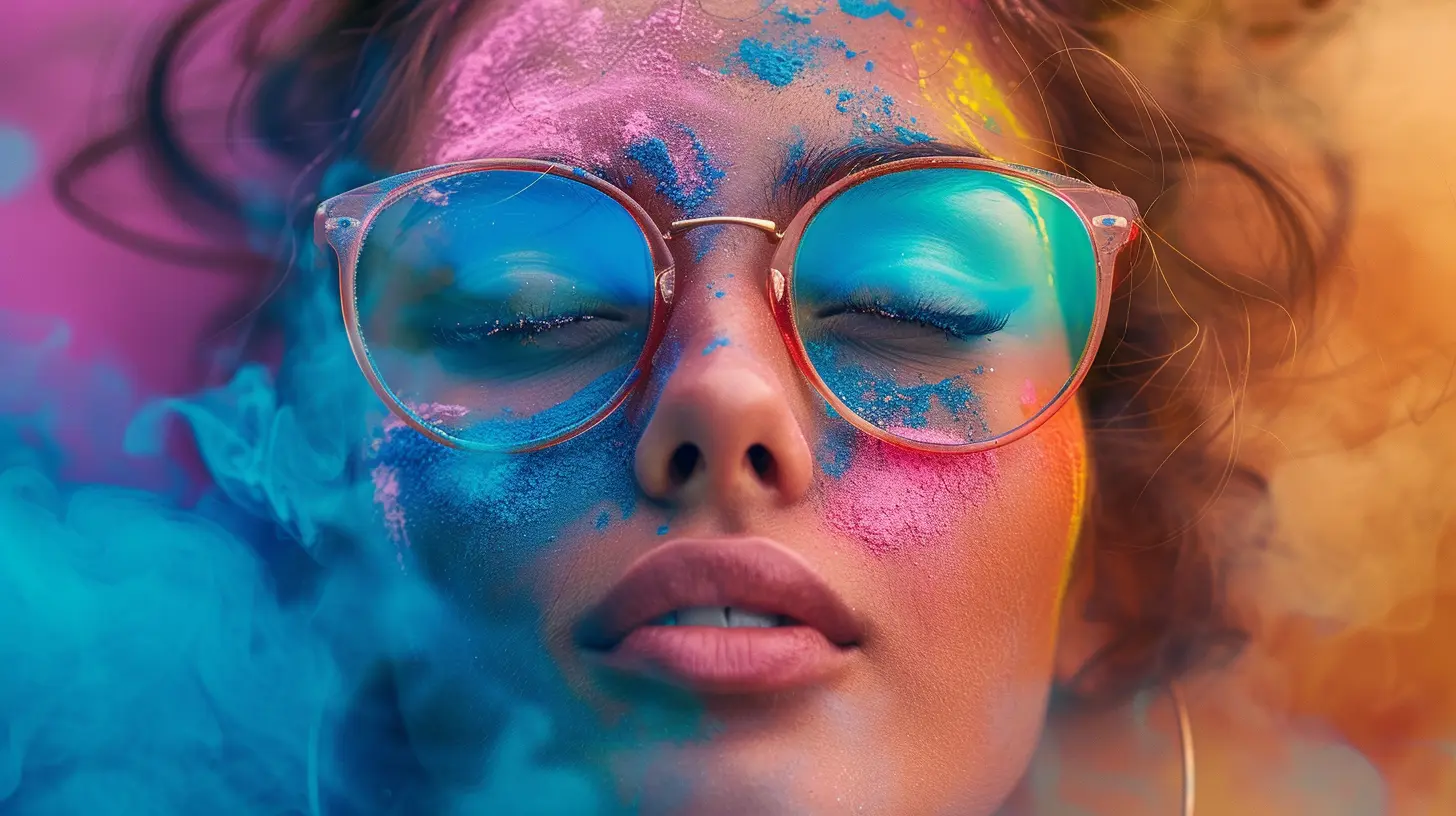
Does Color Therapy Really Work?
While color therapy is not a replacement for medical treatment, there’s a growing body of evidence supporting the impact of color on mood and stress levels. Many therapists, interior designers, and marketers use color psychology to influence emotions and behaviors.That said, individual reactions to color can vary. Cultural background, personal experiences, and associations with certain colors all play a role in how we perceive them. The key is to find what works best for you.
Final Thoughts
Colors are more than just visual aesthetics—they have the power to influence our emotions, energy levels, and stress. Whether it's adding a touch of blue for relaxation, some green for balance, or a pop of yellow for happiness, using color consciously can be a simple yet powerful way to improve your well-being.So, what color are you feeling today?
all images in this post were generated using AI tools
Category:
Stress ReliefAuthor:

Jackson Mahoney
Discussion
rate this article
1 comments
Nathaniel Lynch
Color therapy seems promising, but personal experiences vary widely...
July 2, 2026 at 2:48 AM
Jackson Mahoney
You're right. Color therapy can be subjective, and what works for one person might not work for another. It's all about finding what resonates with you.