Release Tension Fast with These Simple Progressive Muscle Relaxation Techniques
5 July 2026
Let’s talk about stress. That uninvited guest that shows up—whether you’re stuck in traffic, racing to meet a deadline, or just trying to keep it all together. We all face it. And when it hits, your shoulders rise, your back tightens, and your jaw clenches like a vice. Sound familiar?
Now, imagine having a magic button you could press to melt that tension away. No, I’m not talking about some miracle pill or an expensive massage (though both sound great). I’m talking about something you can do right now, right where you are—Progressive Muscle Relaxation, or PMR for short.
This simple, science-backed technique can help you release that bottled-up stress faster than you can say “namaste.” In this post, we’re going to break it all down—what PMR is, how it works, and how you can start using it today to feel calmer, lighter, and more in control.
What is Progressive Muscle Relaxation (PMR)?
Progressive Muscle Relaxation might sound like something straight out of a wellness retreat brochure, but in reality, it’s a down-to-earth, no-fluff technique that anyone can use. It was first developed by Dr. Edmund Jacobson in the 1920s—yeah, it's been around a while—and it’s all about the art of tension and release.Here’s the trick: You tense muscle groups one by one, hold for a few seconds, and then—here’s the good part—you let go. It’s like winding up a rubber band and suddenly releasing it. Ahhh, relief.
This process helps your body remember what true relaxation feels like. And once your body starts to let go, your mind follows. It’s a beautiful domino effect of calm.
Why PMR Works Like a Charm
Ever notice how stress doesn't just mess with your mind—but your body too? Your body and brain are like two really chatty best friends, constantly feeding off each other. When your body’s tense, your brain gets the message, “We’re in danger!” Cue anxiety, racing thoughts, poor sleep, and all the rest.But PMR flips the script.
By deliberately relaxing your body, you send a powerful signal back to the brain: “Hey, we’re safe. You can chill.” This activates the parasympathetic nervous system—also known as the rest-and-digest system—which lowers your heart rate, reduces blood pressure, and calms your racing thoughts. Pretty amazing, right?
And guess what? You don’t need fancy equipment, a yoga mat, or total silence. You just need yourself and a few quiet minutes.
The Simple Science Behind It
Let’s keep this simple. Think of your muscles like your smartphone battery. When you keep your muscles charged up with tension all day (from stress), they burn out. They stop working efficiently. PMR helps you power down, recharge, and return to 100%.On a brain level, consistent PMR lowers cortisol (that nasty little stress hormone) and improves sleep, reduces anxiety, and even helps with chronic pain.
In other words, it’s like hitting the reset button for your body and mind.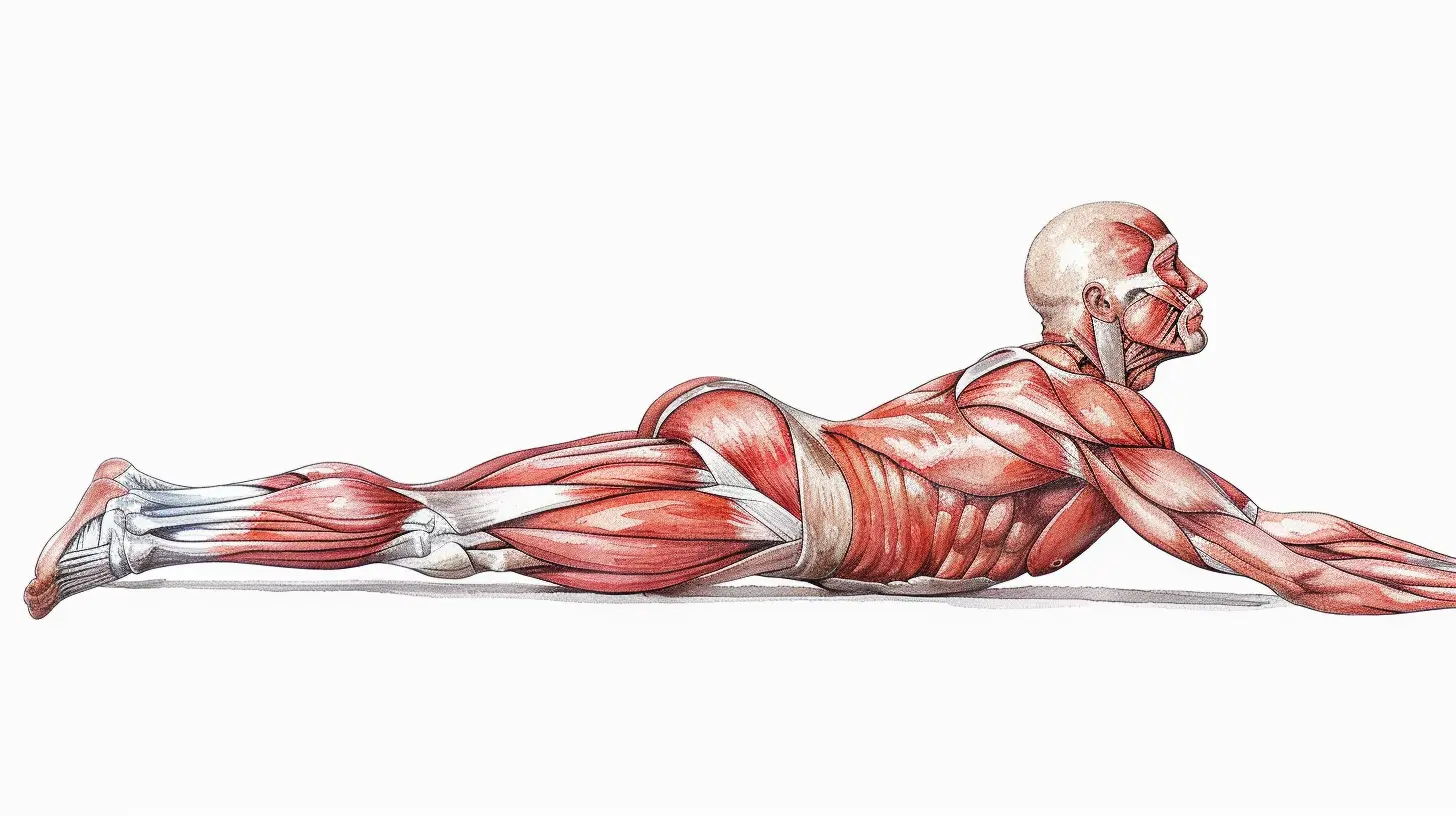
When Should You Use PMR?
Honestly? Anytime.Feeling overwhelmed at work? Take five minutes at your desk. Struggling to sleep? Try it lying in bed. Dealing with anxiety before a big presentation or a tough conversation? Squeeze in a session to center yourself.
It’s incredibly flexible and perfect for our crazy-busy lives.
Some ideal times to practice:
- Before bed for deeper sleep
- After a workout to ease muscle tension
- During a lunch break to break up a stressful day
- Before meditation to ease into mindfulness
- After a stressful event to decompress
How to Do Progressive Muscle Relaxation (Step-by-Step)
You don’t need to be a guru to get this right. Follow these simple steps, and you’ll be on your way to relaxation town in no time.1. Find a Quiet Spot
It doesn’t have to be silent, but the fewer distractions, the better. Sit or lie down in a comfortable position. Close your eyes if you’re into that.2. Start With Deep Breathing
Take a few slow, deep breaths. Inhale through your nose for 4 seconds. Hold it for 4. Then exhale through your mouth for 6–8 seconds. Do this a few times to settle in.3. Tense and Relax Each Muscle Group
Start from the top of your head or the bottom of your feet—your choice—and work your way through the body.Here’s a sample run-through:
- Feet: Curl your toes tightly. Hold for 5…4…3…2…1. Let go.
- Legs: Tighten your calves and thighs. Hold. Release.
- Glutes: Squeeze your buttocks. (Yes, seriously.) Hold. Release.
- Stomach: Tighten your abs like you're bracing for a punch. Hold. Release.
- Arms: Make fists, tighten your biceps. Hold. Release.
- Shoulders: Shrug them up to your ears. Hold. Let them fall.
- Neck and Jaw: Clench your jaw and press your tongue to the roof of your mouth. Hold. Relax.
- Face: Scrunch your eyes and forehead like you just smelled something awful. Hold. Release.
Remember: Hold each tension for 5–10 seconds and release slowly. As you release, imagine the tension draining out of your body like water going down a drain.
4. Stay in the Moment
After you go through your whole body, sit or lie quietly for a minute or two. Just notice how your body feels. Enjoy the stillness. Let your breath be slow and easy.Pro Tips to Maximize the Benefits
Want to get even more out of PMR? Here’s how to level up:- Use an audio guide: There are tons of free PMR scripts and recordings online. Great for beginners.
- Visualize: As you release tension, imagine the muscles melting like butter or the stress flowing into the ground.
- Be consistent: Like any habit, PMR gets more effective the more you do it. Even 5 minutes a day can be transformational.
- Pair with calming music or nature sounds: Elevate the vibe.
- Keep a journal: Track how you feel before and after. Watch your stress levels improve over time.
Common Mistakes to Avoid
First time doing PMR? Don’t worry, we’ve all been there. Here are a few things to keep in mind:- Don’t rush: It’s not a race. Slow and steady wins the calmness game.
- Don’t over-tighten: You’re not trying to pop a muscle. Just firm tension.
- Don’t judge yourself: Some days you'll feel super relaxed, other days your mind might wander. It's all good. Just keep practicing.
Benefits Worth Writing Home About
Here’s where it gets exciting. If you stick with PMR, here’s what you can expect:✅ Better Sleep
Your body and mind can finally wind down, letting you fall asleep faster and sleep deeper.✅ Lower Stress & Anxiety
Feel more chill during the day, even when things get hectic.✅ Improved Focus
When your mind isn’t racing, you can concentrate like a champ.✅ Pain Relief
Great for folks with tension headaches, migraines, or muscle aches.✅ Boosted Mood
Less tension = more calm. You may even feel lighter and more joyful.Real Talk: My Experience with PMR
Let me be real with you. I started PMR during a super stressful phase of my life, juggling work, family, and sleepless nights. At first, I thought, “Really? Just clenching and releasing muscles? That’s it?” But after just a few sessions, I noticed a shift.I was sleeping better. I was snappier (in a good way). I felt like I had more control over my stress… instead of it controlling me. It’s now part of my daily mental hygiene—like brushing my brain’s teeth.
You don’t need to “believe” in it. You just need to try it.
Ready to Try It?
So, here’s your challenge: Find 10 minutes today and give PMR a shot. Don’t wait for the weekend or the “perfect time.” That time is now. Your body—and your mind—deserve a break.Think of PMR as a massage from the inside out. No appointment needed. Just you, your breath, and a willingness to feel better.
And if you try it and love it? Make it a habit. Like watering a plant, the more attention you give to your relaxation, the more it’ll flourish.
Final Thoughts
Stress might be part of life—but being overwhelmed doesn’t have to be. Progressive Muscle Relaxation is your hidden superpower for staying grounded, relaxed, and ready to take on whatever comes your way.So go ahead—clench, hold, exhale, and let go. Your calm is just a few breaths away.
all images in this post were generated using AI tools
Category:
Stress ReliefAuthor:

Jackson Mahoney
Discussion
rate this article
1 comments
Dax Sharp
These progressive muscle relaxation techniques are a game changer for anyone feeling stressed. Simple and effective, they help release tension quickly, promoting a sense of calm and well-being in just minutes.
July 31, 2026 at 3:00 AM
Jackson Mahoney
I completely agree! These techniques are incredibly helpful for finding calm in stressful moments. Glad to hear they're working for you!