Surprising Ingredients That Take Your Salad to the Next Level
14 November 2026
Salads often get a bad rap for being boring or lacking flavor. However, with the right ingredients, they can transform into vibrant, satisfying meals that not only taste great but also provide a wealth of nutrients. This article will explore some surprising ingredients that can elevate your salads, offering practical advice on how to use them effectively.
1. Fruits: Sweetness and Texture
1.1. Fresh Fruits
Adding fresh fruits to your salad can introduce a delightful sweetness and a variety of textures. Consider fruits like strawberries, apples, or oranges. For example, sliced strawberries paired with spinach and a balsamic vinaigrette create a refreshing contrast of flavors. Apples add a crisp crunch, especially when combined with nuts and cheese.Best Practices
- Balance Flavors: When adding fruits, consider the overall flavor profile of your salad. Sweet fruits work well with tangy dressings or bitter greens.- Seasonal Choices: Use seasonal fruits for the best flavor and nutrition. For instance, peaches in summer or citrus in winter can enhance your salad's appeal.
1.2. Dried Fruits
Dried fruits like cranberries, raisins, or apricots can add chewiness and concentrated sweetness. They are particularly useful in grain-based salads, where their texture complements the grains.Common Mistakes
- Overdoing It: Too many dried fruits can overwhelm the salad. Aim for a balance, using them as a highlight rather than the main event.- Sugar Content: Be mindful of the sugar content in dried fruits, as they can add significant calories. Look for unsweetened options when possible.
2. Nuts and Seeds: Crunch and Nutrition
2.1. Toasted Nuts
Toasted nuts such as almonds, walnuts, or pecans can add a satisfying crunch and a boost of healthy fats. Walnuts, for instance, are not only delicious but also rich in omega-3 fatty acids.Practical Advice
- Toast for Flavor: Toasting nuts enhances their flavor. Simply heat them in a dry skillet over medium heat until golden brown.- Portion Control: Nuts are calorie-dense. A small handful is usually sufficient to add texture without overloading on calories.
2.2. Seeds
Seeds like pumpkin, sunflower, or chia can also enhance your salad. They provide a different texture and are often packed with nutrients.Nutritional Benefits
- Chia Seeds: These tiny seeds are high in fiber and omega-3 fatty acids. They can absorb liquid, so consider mixing them with your dressing to create a thicker consistency.- Pumpkin Seeds: Rich in magnesium and zinc, pumpkin seeds offer a nutty flavor that complements many salads.
3. Cheese: Creaminess and Flavor Depth
3.1. Feta and Goat Cheese
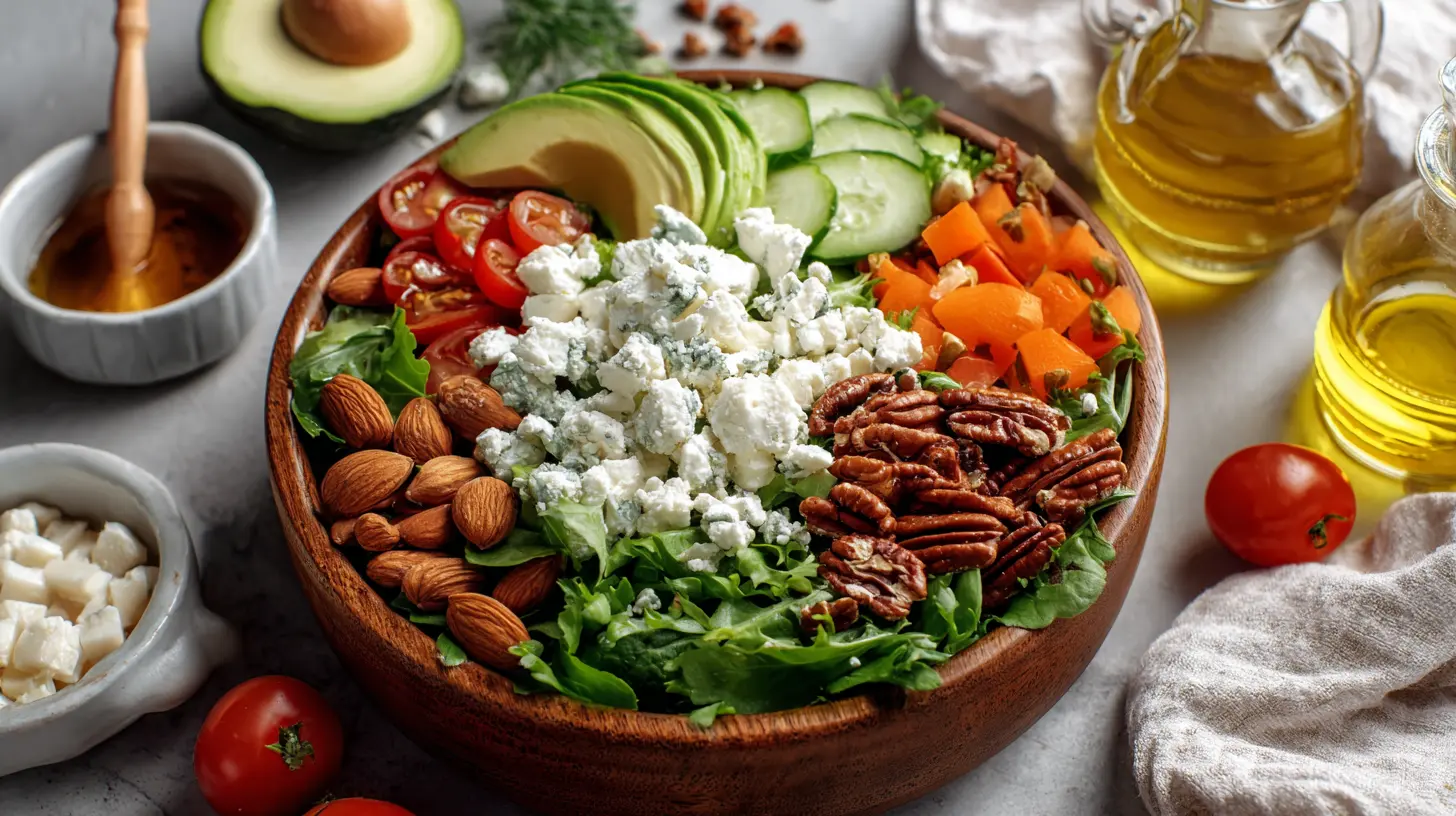
Feta and goat cheese are excellent choices for adding creaminess and a tangy flavor. They work well with both leafy greens and grain-based salads.When to Use
- Feta: Best in Mediterranean-style salads with olives, cucumbers, and tomatoes.- Goat Cheese: Pairs well with beets and walnuts, creating a sophisticated flavor profile.
3.2. Hard Cheeses
Hard cheeses like Parmesan or Pecorino can be shaved or grated over salads for an umami kick. Their strong flavors mean a little goes a long way.Tips for Use
- Shaving vs. Grating: Shaved cheese adds a delicate touch, while grated cheese can blend more seamlessly into the salad.- Pairing: Consider the salad's dressing when choosing cheese. Creamy dressings work well with hard cheeses, while vinaigrettes suit softer cheeses.
4. Herbs and Greens: Freshness and Aroma
4.1. Fresh Herbs
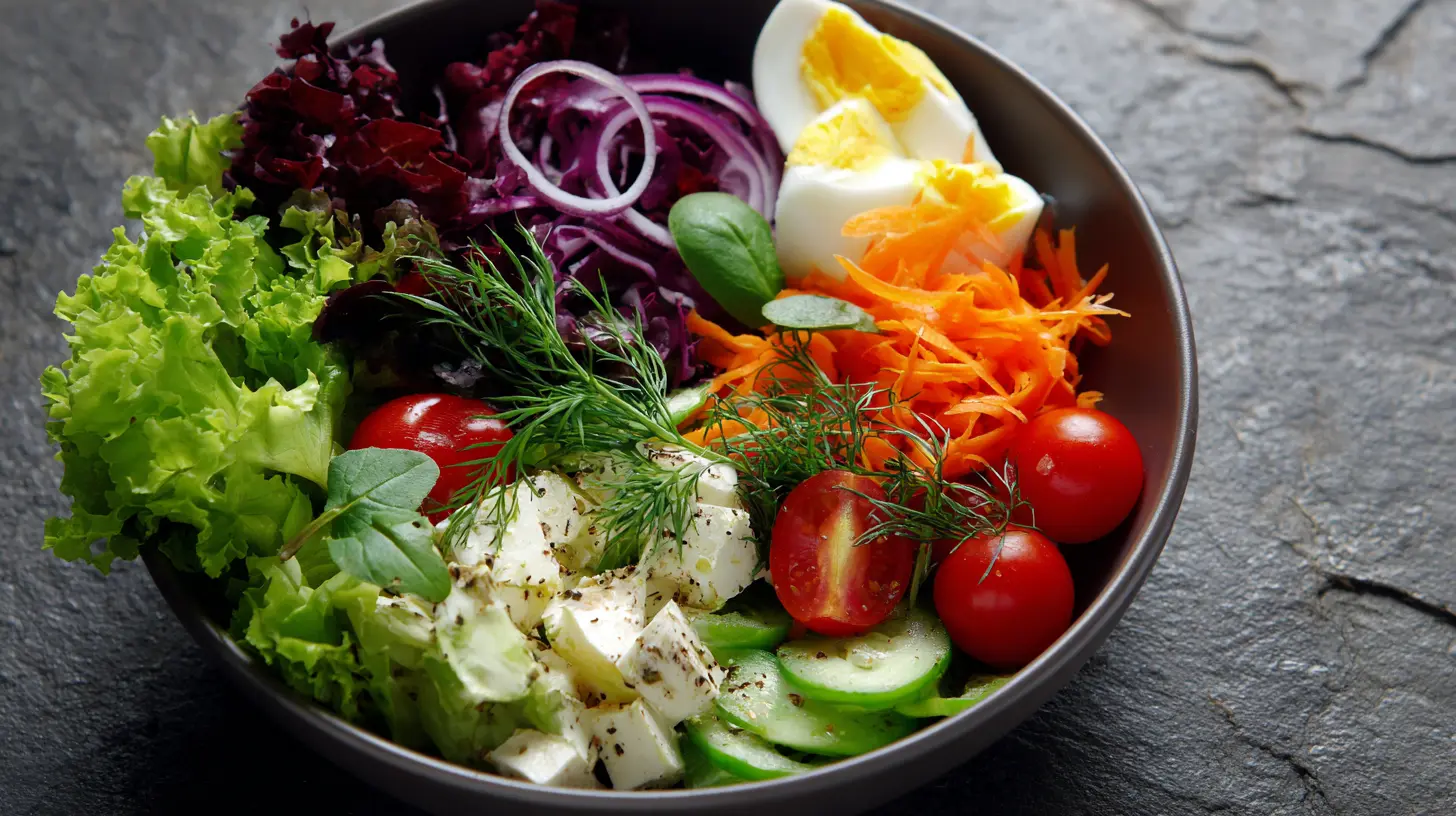
Incorporating fresh herbs such as basil, cilantro, or mint can elevate your salad's flavor profile. These herbs add brightness and depth.Practical Use
- Chop and Mix: Chop herbs finely to distribute their flavor evenly throughout the salad.- Pairing: Match herbs with complementary ingredients. For example, mint works beautifully with watermelon and feta.
4.2. Unconventional Greens
While romaine and spinach are popular, consider using other greens like arugula, kale, or even collard greens for a unique twist. Arugula offers a peppery flavor, while kale provides a hearty texture.Considerations
- Preparation: Tougher greens like kale benefit from massaging with dressing to soften them. This makes them more palatable and enjoyable.- Flavor Pairing: Stronger greens may require bolder dressings to balance their flavors.
5. Grains and Legumes: Heartiness and Fiber
5.1. Quinoa and Farro
Adding grains like quinoa or farro can transform a salad from a side dish to a filling meal. These grains are high in fiber and protein, making them excellent choices for a nutritious boost.Cooking Tips
- Flavor the Water: Cook grains in broth or add herbs to the cooking water for added flavor.- Cooling: Allow grains to cool before adding them to your salad to prevent wilting the greens.
5.2. Legumes
Beans and lentils are fantastic additions that bring protein and fiber to your salad. Chickpeas, black beans, and lentils can provide a satisfying texture.Common Mistakes
- Rinsing: Always rinse canned beans to reduce sodium content and improve flavor.- Mixing: Be cautious about the texture. Combine legumes with grains or crunchy vegetables to create a balanced mouthfeel.
6. Dressings: The Finishing Touch
6.1. Homemade Dressings
Creating your own salad dressing can enhance flavor and control ingredients. A simple vinaigrette made from olive oil, vinegar, mustard, and herbs can elevate even the simplest salad.Tips for Great Vinaigrettes
- Ratio: A common ratio is three parts oil to one part vinegar, but feel free to adjust based on taste preferences.- Emulsification: Whisking or shaking the dressing vigorously helps to emulsify the ingredients, creating a cohesive dressing.
6.2. Unique Dressings
Consider using unexpected dressings, such as tahini or yogurt-based dressings, to add creaminess and flavor. These can serve as healthier alternatives to traditional creamy dressings.Experimentation
- Flavor Profiles: Experiment with different acids like citrus juice or flavored vinegars to create unique profiles.- Consistency: Adjust the thickness of your dressing by adding water or extra oil as needed.
7. Spices and Seasonings: Amplifying Flavor
7.1. Spice Blends
Using spice blends can introduce complex flavors without overwhelming the salad. Consider using za'atar, cumin, or smoked paprika to add depth.Application
- Sprinkle Sparingly: Start with a small amount and adjust to taste. Some spices can be quite strong, so it's best to err on the side of caution.- Mix with Oil: Combine spices with oil or vinegar before adding to the salad to help distribute the flavors evenly.
7.2. Salt and Pepper
Never underestimate the power of salt and pepper. Proper seasoning can enhance the natural flavors of your ingredients.Best Practices
- Season Gradually: Taste as you go. It's easier to add more seasoning than to fix an over-seasoned dish.- Quality Matters: High-quality sea salt or freshly cracked pepper can make a significant difference in the overall taste.
Conclusion
Elevating your salads doesn't have to be complicated. By incorporating surprising ingredients such as fruits, nuts, grains, and unique dressings, you can create vibrant, flavorful meals that are as satisfying as they are nutritious. The key is to experiment and find combinations that work for your palate while maintaining a balance of flavors and textures. With these insights, your salads can go from mundane to extraordinary.
all images in this post were generated using AI tools
Category:
Healthy SaladsAuthor:

Jackson Mahoney