The Global Shift Toward Balanced Nutrition: What It Means for You
28 October 2026
Something fundamental is changing in how the world eats. It is not a diet trend, a celebrity endorsement, or a short-lived wellness fad. It is a slower, deeper recalibration happening across cultures, food systems, and kitchens. People are moving away from extremes, from rigid rules, and from the idea that nutrition is a battle between good foods and bad foods. Instead, they are gravitating toward something more sustainable: balanced nutrition.
This shift matters because it affects what lands on your plate, how food is produced, how it is marketed, and how you think about your own health. Whether you are a parent planning meals, an athlete chasing performance, someone managing a chronic condition, or simply a person trying to feel better day to day, understanding this global movement gives you real leverage. It helps you cut through noise and make decisions that hold up over time.
Let me walk you through what balanced nutrition actually means, why the world is moving in this direction, what the trade-offs are, and how you can apply it without falling into common traps.

What Balanced Nutrition Really Means
Balanced nutrition is not a formula. It is a principle. At its core, it means eating in a way that supplies your body with the energy, protein, fats, carbohydrates, fiber, vitamins, minerals, and water it needs, in proportions that support your goals and your health over the long run. It also implies flexibility. No single food needs to be perfect. The overall pattern is what counts.That sounds simple, and in a way it is. But the simplicity is deceptive. Balance is personal. A balanced diet for a teenage athlete looks different from a balanced diet for a sedentary office worker in their fifties. A person with type 2 diabetes has different considerations than someone with no metabolic concerns. A plant-based eater needs to think about certain nutrients differently than someone who eats everything.
What unites all of these situations is a set of shared principles:
- Adequacy: getting enough of what you need, including calories and essential nutrients.
- Moderation: not overdoing any single component, including things like added sugar, sodium, and saturated fat.
- Variety: drawing from a wide range of foods to cover nutritional gaps.
- Proportionality: making sure the mix of macronutrients fits your needs and goals.
- Sustainability: choosing a pattern you can actually maintain for years, not weeks.
The global shift is essentially a move away from rigid, exclusion-heavy approaches and toward these principles. It is a rejection of the idea that health comes from eliminating entire food groups or chasing the latest superfood. Instead, it is about building a pattern that works for real life.

Why the World Is Moving in This Direction
Several forces are converging to push balanced nutrition into the mainstream.The Failure of Extremes
Low-fat everything dominated the 1980s and 1990s. Then came the low-carb and keto wave. Then clean eating, detoxes, and elimination diets. Each approach had passionate advocates and each helped some people. But collectively, they left a lot of people confused, frustrated, and no healthier. Research on diet adherence consistently shows that restrictive patterns are hard to maintain, and when people abandon them, they often rebound.The lesson is not that these approaches never work. It is that they work for specific people in specific contexts, and they are poorly suited to being universal prescriptions. The global shift reflects a maturing understanding: the best diet is the one you can sustain, and sustainability usually requires balance.
Better Science and Better Communication
Nutrition science has become more nuanced. Researchers increasingly emphasize dietary patterns rather than single nutrients. Instead of asking "Is fat bad?" the better question is "What kind of fat, in what context, as part of what overall pattern?" The same applies to carbohydrates, protein, and even sugar.This shift in framing has filtered into public health guidance. Many national dietary guidelines now emphasize variety, whole foods, and overall patterns rather than strict limits on individual nutrients. The conversation has moved from "avoid this" to "build around this."
Food Systems and Access
Global food systems have changed too. Supply chains are more diverse, and year-round access to fruits, vegetables, grains, and legumes is more common in many regions than it was a generation ago. At the same time, ultra-processed foods have become more available and more affordable. The result is a paradox: more choice and more confusion.Balanced nutrition offers a way to navigate that paradox. It does not require exotic ingredients or expensive supplements. It asks you to prioritize whole and minimally processed foods while leaving room for convenience and enjoyment.
Cultural Reconnection
There is also a cultural dimension. Many traditional diets, from Mediterranean to Japanese to various African and Latin American cuisines, are naturally balanced. They combine grains, legumes, vegetables, healthy fats, and moderate amounts of animal foods in ways that have supported health for generations. The global shift includes a reconnection to these patterns, often updated for modern life.This is important because it means balanced nutrition is not a Western invention imposed on the world. It is a rediscovery of principles that many cultures already practiced.
What This Means for Your Plate
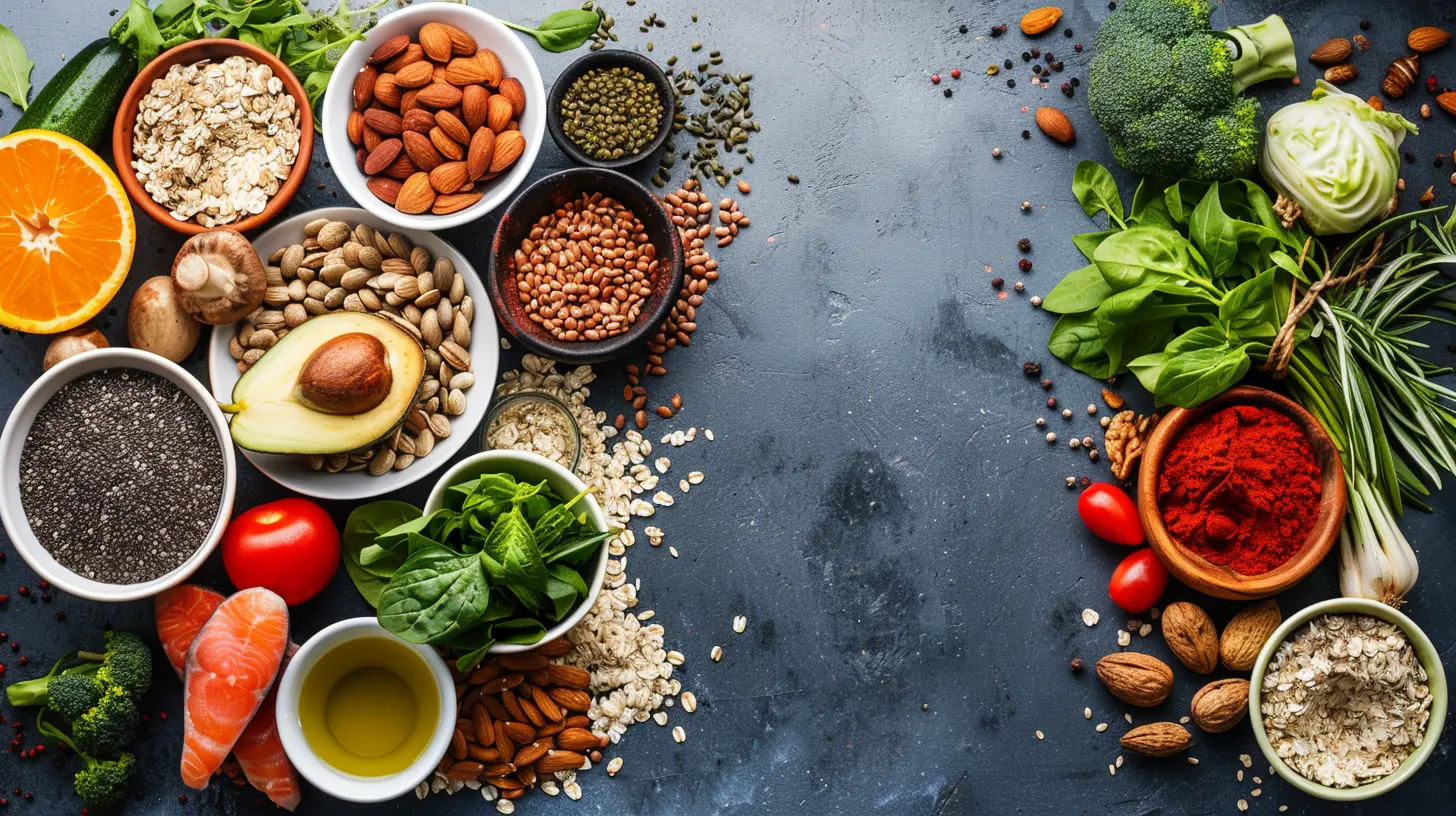
So what does balanced nutrition look like in practice? Rather than a rigid plate model, think in terms of building blocks.Protein
Protein is essential for muscle maintenance, immune function, and satiety. Most people benefit from including a source of protein at each main meal. That could be eggs, fish, poultry, lean meat, dairy, tofu, tempeh, lentils, beans, or chickpeas.The trade-offs matter here. Animal proteins are dense and complete, but some are high in saturated fat and can be more expensive. Plant proteins are often cheaper and come with fiber, but they require more planning to cover all amino acids and certain micronutrients. Neither is inherently superior. The best choice depends on your preferences, budget, health status, and ethical considerations.
A practical approach: anchor meals with a protein source, then build around it.
Carbohydrates
Carbohydrates are the body's preferred fuel, especially for anyone who is active. The quality matters more than the quantity. Whole grains, legumes, fruits, and vegetables provide carbohydrates along with fiber, vitamins, and minerals. Refined grains and added sugars provide energy with fewer accompanying nutrients.The common mistake is treating all carbohydrates as equal or as inherently problematic. They are not. A bowl of oats and a sugary cereal both contain carbohydrates, but their effects on satiety, blood sugar, and overall health are very different.
Fats
Dietary fat supports hormone production, cell function, and the absorption of fat-soluble vitamins. The key is the type and the amount. Unsaturated fats from olive oil, nuts, seeds, and fatty fish are generally favorable. Saturated fats from processed meats and some dairy products should be moderated. Trans fats are best minimized.Fat is calorie-dense, which matters for portion awareness, but it also contributes to flavor and satisfaction. Cutting fat too aggressively often backfires because food becomes less enjoyable and people eat more of other things to compensate.
Fiber and Micronutrients
Fiber supports digestive health, feeds beneficial gut bacteria, and helps regulate blood sugar and cholesterol. It comes from plant foods: vegetables, fruits, whole grains, legumes, nuts, and seeds. Most people fall short here.Micronutrients, including vitamins and minerals, are best obtained from a varied diet rather than from supplements, unless a specific deficiency has been identified. Supplements have their place, but they are not a substitute for food.
Hydration
Water is the most overlooked part of balanced nutrition. It affects energy, cognition, digestion, and physical performance. Needs vary with climate, activity, and individual physiology. A simple practice is to drink regularly throughout the day and pay attention to thirst and urine color.
Real-World Examples
Abstract principles become clearer with concrete scenarios.Example 1: The busy professional. Someone working long hours might default to takeout and skip breakfast. A balanced approach could look like overnight oats with fruit and nuts for breakfast, a lunch built around a grain bowl with protein and vegetables, and a simple dinner of fish, roasted vegetables, and rice. None of this requires gourmet cooking. The balance comes from covering protein, fiber, and healthy fats across the day.
Example 2: The plant-based eater. Someone avoiding animal products needs to be intentional about protein, vitamin B12, iron, zinc, and omega-3 fatty acids. A balanced plate might include lentils, tofu, whole grains, leafy greens, nuts, and fortified foods. The trade-off is more planning, but the payoff is a fiber-rich pattern that many people find satisfying.
Example 3: The athlete. Someone training hard needs more calories and protein than a sedentary person. Balance here means adequate energy intake, strategic carbohydrate timing around workouts, and sufficient protein spread across meals. Under-eating is a common mistake among athletes trying to stay lean, and it undermines performance and recovery.
Example 4: The person with a chronic condition. Someone with type 2 diabetes benefits from balancing carbohydrates with protein and fiber to manage blood sugar. This does not mean eliminating carbohydrates. It means choosing quality sources and pairing them thoughtfully.
In every case, the principle is the same: build a pattern that covers your needs, fits your life, and can be maintained.
Common Mistakes and Misconceptions
Balanced nutrition is simple in theory but easy to get wrong in practice. Here are the traps I see most often.Mistake 1: Chasing Perfection
People often believe that if they cannot eat perfectly, there is no point in trying. This all-or-nothing thinking leads to cycles of restriction and rebound. Balance is about averages, not individual meals. One less-than-ideal meal does not derail a week. The pattern over time is what matters.Mistake 2: Confusing Balance With Indulgence
Balance does not mean eating everything in equal measure. It means eating enough of what you need and being thoughtful about what you do not. A balanced diet can include dessert, but it is not built on dessert. The distinction is proportion and frequency.Mistake 3: Over-Reliance on Supplements
Supplements are marketed as shortcuts. In reality, they are tools for specific situations: diagnosed deficiencies, restrictive diets, certain life stages, or medical conditions. For most people eating a varied diet, a supplement is not a substitute for food and can create a false sense of security.Mistake 4: Ignoring Individual Context
Generic advice ignores individual differences. Age, sex, activity level, medical history, medications, culture, budget, and food preferences all shape what balance looks like for you. A plan that works for your neighbor may not work for you. This is why personalized approaches, ideally with guidance from a qualified professional, tend to be more effective.Mistake 5: Demonizing Foods
Labeling foods as good or bad creates guilt and rigidity. It also ignores context. A food can be more or less nutrient-dense, but its role in your diet depends on how often and how much you eat it. Demonizing foods often makes them more appealing and leads to overconsumption.Mistake 6: Neglecting Practicality
A nutrition plan that requires hours of cooking, expensive ingredients, or rare foods is unlikely to last. Balance must account for your time, budget, and skills. Convenience foods, including some frozen and canned options, can absolutely be part of a balanced diet. The goal is a workable pattern, not a perfect one.
Best Practices That Actually Hold Up
If you want to apply balanced nutrition in a way that lasts, focus on behaviors rather than rules.Build meals around protein and produce. This simple habit naturally increases satiety and fiber while reducing reliance on refined carbohydrates.
Cook more often than you order. Cooking gives you control over ingredients and portions. It does not need to be elaborate. Simple preparations of protein, vegetables, and a grain are enough.
Plan for convenience. Keep staples on hand: eggs, canned beans, frozen vegetables, whole grains, nuts, and fruit. Convenience that supports balance beats convenience that undermines it.
Eat mindfully. Pay attention to hunger and fullness cues. Eat without screens sometimes. Slow down. These practices help you regulate intake without counting every calorie.
Prioritize sleep and stress management. Nutrition does not exist in isolation. Poor sleep and chronic stress affect appetite, food choices, and metabolism. Balance in food is easier when the rest of your life is reasonably balanced too.
Track patterns, not perfection. If you want data, track broadly: how many servings of vegetables you eat, how often you include protein at breakfast, how your energy levels trend. Obsessive tracking can become its own problem.
Adjust as life changes. Your needs shift with age, activity, health status, and circumstances. A balanced pattern is not static. Review and adjust periodically.
The Trade-Offs You Should Know About
Balanced nutrition is not free of trade-offs. Being honest about them helps you make better decisions.Time versus convenience. Whole foods often require more preparation. Processed foods save time but may be less nutrient-dense. The right balance depends on your schedule and priorities.
Cost versus quality. Fresh produce, quality proteins, and whole grains can be more expensive than refined and processed alternatives. Frozen and canned options can bridge the gap. Budget constraints are real, and balance should be adapted to them, not abandoned because of them.
Flexibility versus precision. A flexible approach is easier to sustain but less precise for specific goals like athletic performance or medical management. In those cases, more structure may be warranted, ideally with professional guidance.
Enjoyment versus restriction. Some people find that strict rules reduce anxiety and simplify decisions. Others find them unsustainable. Knowing which camp you fall into helps you choose the right level of structure.
Cultural fit versus mainstream advice. Mainstream nutrition advice sometimes clashes with cultural food traditions. In most cases, traditional patterns can be adapted rather than abandoned. The goal is to make balance work within your culture, not despite it.
How to Start Without Overwhelming Yourself
The global shift toward balanced nutrition is not something you need to adopt all at once. Start with a few changes that compound over time.1. Add one serving of vegetables to a meal you already eat.
2. Include a protein source at breakfast.
3. Swap one refined grain for a whole grain option.
4. Drink water with meals instead of sugary drinks.
5. Cook one extra meal at home each week.
These are small moves, but they build momentum. Over months, they become habits. Over years, they become your pattern.
If you have a medical condition, are pregnant, are managing an eating disorder, or have specific performance goals, work with a registered dietitian or qualified healthcare provider. Personalized guidance is worth the investment when the stakes are high.
The Bottom Line
The global shift toward balanced nutrition is not a passing trend. It reflects a hard-won understanding that health comes from patterns, not from perfection, and that sustainable eating is built on adequacy, moderation, variety, and flexibility. It respects individual differences, cultural traditions, and real-world constraints.For you, this means permission to stop chasing extremes and start building a pattern that fits your life. It means focusing on what you add rather than only on what you remove. It means accepting that balance is a practice, not a destination.
Your next meal is a chance to practice. Keep it simple. Cover your bases. Adjust as you go. That is what balanced nutrition looks like in the real world, and it is available to you starting today.
all images in this post were generated using AI tools
Category:
Balanced DietAuthor:

Jackson Mahoney