The Gut Health Revolution to Watch by 2026
10 September 2026
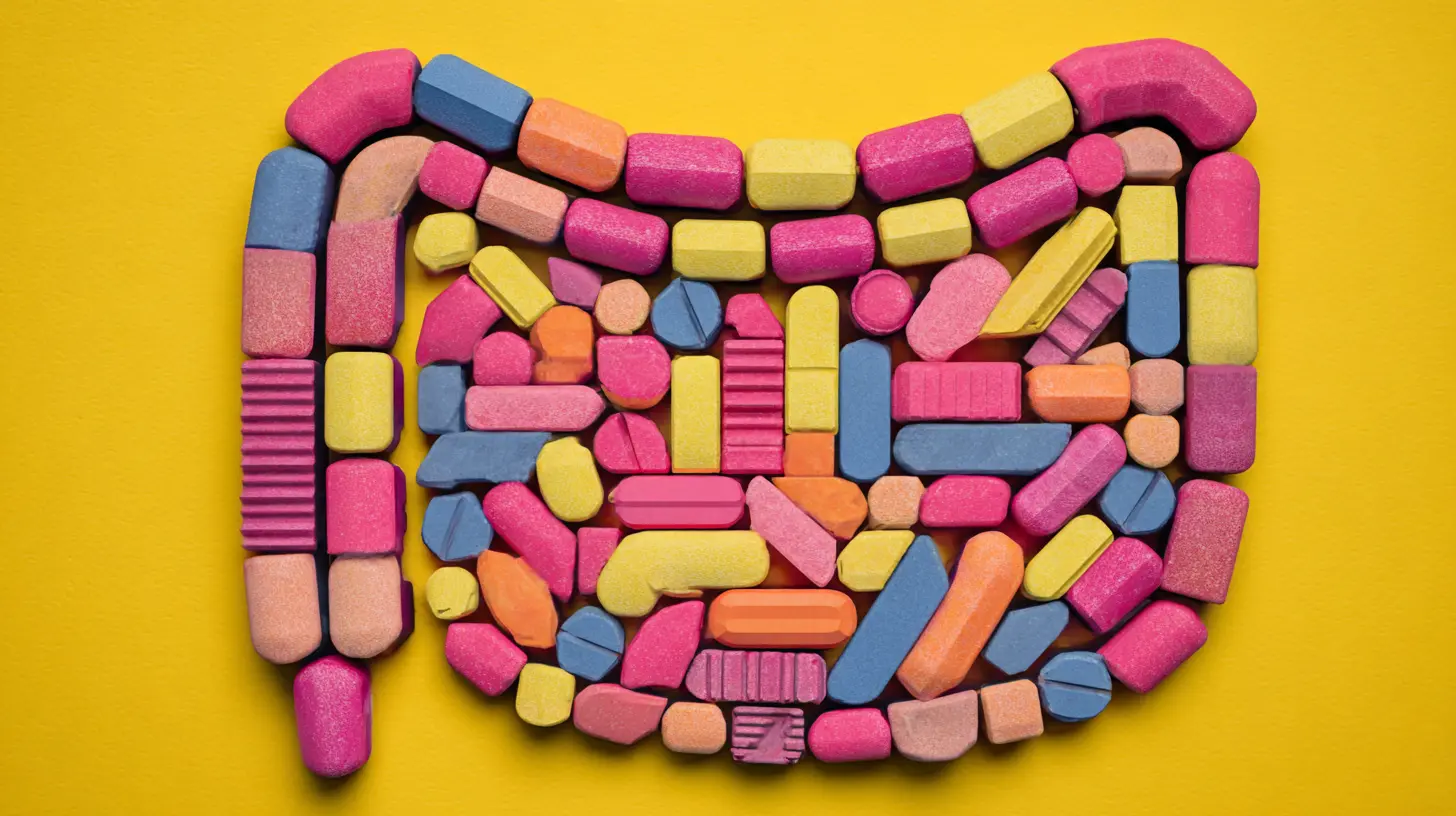
For the last decade, the conversation around gut health has been dominated by one word: probiotics. We have been conditioned to believe that swallowing a capsule of friendly bacteria is the ultimate shortcut to digestive peace, mental clarity, and ironclad immunity. But if you look closely at the science and the clinical practice, a more nuanced and frankly more exciting picture is emerging. By 2026, the revolution is not about adding more bugs to the tank; it is about understanding the complex ecosystem that already lives there and giving it the exact fuel it needs to thrive.
We are moving past the era of generic, one-size-fits-all supplements and entering the age of precision, restoration, and functional food. This shift is not just a marketing trend. It is a direct response to the limitations we have seen in the lab and in the clinic. People are tired of buying expensive probiotic strains that fail to colonize, and they are frustrated by fiber supplements that cause bloating instead of relief. The next two years will be defined by a smarter, more targeted approach that respects the individuality of your microbiome.
The End of the Probiotic Hype Cycle
Let us address the elephant in the room. The traditional probiotic industry has a fundamental problem: survival. Most commercial strains are selected for their ability to survive manufacturing and shelf life, not necessarily for their ability to survive your stomach acid and actually take up residence in your colon. Many are transient passengers. You take them, they pass through, and they leave behind a very temporary benefit. This is not to say they are useless. They can be incredibly helpful for acute situations like antibiotic-associated diarrhea or traveler's tummy. But as a long-term strategy for chronic bloating or inflammatory issues, they often fall short.
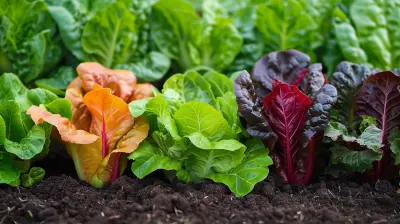
The shift we are seeing is a move away from "probiotic supplementation" and toward "microbiome restoration." The goal is no longer just to introduce a foreign strain. The goal is to create an environment where your native, beneficial bacteria can flourish. Think of it like a garden. Probiotics are like buying new plants and sticking them in poor soil. They might survive for a few days, but they will not grow. The 2026 approach focuses on the soil itself. We are looking at the prebiotics, the polyphenols, and the lifestyle factors that determine whether your garden can sustain life in the first place.
This is why we are seeing a massive resurgence in the popularity of fermented foods that contain live cultures, but with a twist. It is not just about eating yogurt. It is about consuming a diverse array of fermented vegetables, kefir, and traditionally prepared condiments to introduce a wider variety of microbial species. Diversity is the key metric here. A person with a highly diverse microbiome is generally more resilient than someone with a high count of a single species, regardless of how "good" that species is.
The Rise of Postbiotics and the "Ghost" Microbiome
If 2025 was the year of prebiotics, 2026 is shaping up to be the year of the postbiotic. This is a term that confuses many people, so let us break it down simply. Postbiotics are the metabolic byproducts of probiotics. They are the short-chain fatty acids (SCFAs) like butyrate, acetate, and propionate that your bacteria produce when they ferment fiber. These fatty acids are not just waste; they are the actual messengers that communicate with your immune system, regulate your appetite hormones, and maintain the integrity of your gut lining.
Here is the critical insight that is driving the revolution: You do not necessarily need to eat live bacteria to get the benefit. You can consume the finished product of their labor. Butyrate supplements, for example, are becoming increasingly sophisticated. They are being formulated with delayed-release coatings so they can bypass the stomach and reach the colon intact. This is a game-changer for people with severe gut dysbiosis who cannot yet tolerate fiber because it ferments too aggressively, causing gas and pain.
This leads to a concept I call the "Ghost Microbiome." Many people who have taken high-dose antibiotics or followed extremely restrictive diets have wiped out their native colonies. When they try to eat a high-fiber diet, they fail because they lack the specific bacteria required to break down that fiber. The result is severe bloating. In the past, we would tell these patients to "just eat more vegetables." In 2026, we are moving toward a phased approach. We start with postbiotics to soothe the lining and feed the remaining cells directly. Then, we slowly introduce specific prebiotic fibers, one at a time, to encourage the regrowth of specific bacterial strains. Finally, we consider targeted probiotics to fill in the gaps.
Phage Therapy and Precision Editing
One of the most intriguing developments on the horizon is the use of bacteriophages. These are viruses that specifically infect and kill bacteria. While the idea sounds scary, it is one of the most precise tools we have for dealing with pathogenic overgrowth. Conditions like SIBO (Small Intestinal Bacterial Overgrowth) are notoriously difficult to treat. Antibiotics work, but they are a sledgehammer. They kill the bad guys in the small intestine, but they also decimate the good guys in the colon.
Phage therapy offers a scalpel. By 2026, we are seeing more clinical trials and boutique clinics offering tailored phage cocktails that target specific strains, such as an overgrowth of Klebsiella or E. coli in the small intestine, without touching the beneficial Lactobacillus or Bifidobacterium in the large intestine. This is not yet a mainstream over-the-counter solution, but it is a rapidly growing area of research that will change how we view bacterial eradication. The trade-off here is complexity. Phages are highly specific, meaning they only work if you know exactly which strain is causing the problem. This requires comprehensive stool or breath testing, which can be expensive and sometimes inaccurate. However, the promise of a targeted cure without collateral damage is too significant to ignore.
The Butyrate Boosters and Resistant Starch
For the everyday person who does not have a severe pathology, the revolution is about food choices that maximize butyrate production. We have known for years that fiber is good, but we are now realizing that not all fiber is created equal. The microbiome craves variety, but it specifically thrives on resistant starch. This is a type of fiber that resists digestion in the small intestine and makes it all the way to the colon intact.
Here is a practical tip that many people miss: the way you cook and cool your food changes its fiber profile. Cooked and then cooled potatoes, rice, and oats undergo a process called retrogradation. This transforms some of the digestible starch into resistant starch. This is not a fad; it is a biochemical reality. A potato salad that has been chilled overnight is significantly better for your colon than a hot baked potato eaten immediately. This is a simple, cost-effective way to feed your bacteria without buying expensive supplements.
I encourage people to think about their gut like a muscular engine. It needs high-octane fuel to run cleanly. That fuel is not necessarily the food you eat, but the food that your bacteria eat. If you feed them processed sugar and refined flour, they produce byproducts that are inflammatory. If you feed them complex plant fibers and resistant starch, they produce butyrate, which is the primary energy source for the cells lining your colon. A deficiency in butyrate is linked to a "leaky gut," where the tight junctions between the intestinal cells loosen, allowing undigested food particles and toxins to enter the bloodstream.
The Sleep and Circadian Connection
We cannot talk about the gut revolution without discussing the gut-brain axis, but we need to move beyond the simple "anxiety causes stomach pain" narrative. The deeper science is about the circadian rhythm. Your gut microbiome has its own biological clock. The bacteria in your colon have genes that turn on and off based on light and darkness, but more importantly, based on when you eat.
Eating late at night is one of the most damaging habits for gut health, and this is why. When you eat at 10 PM, your gut bacteria are in their "resting" phase. They are not prepared to process a large influx of food. This can lead to fermentation in the wrong part of the intestine and poor motility. By 2026, we are seeing a strong emphasis on "time-restricted eating" not just for weight loss, but specifically for microbiome health. The recommendation is not necessarily a 16-hour fast, but rather a strict 12-hour overnight fast. This gives the migrating motor complex (the cleaning wave of the gut) time to sweep residual food and bacteria down the line, preventing them from overstaying their welcome in the small intestine.
I have seen patients who are eating all the right foods, taking all the right supplements, but they are eating their last bite at 9 PM. Simply moving their evening meal earlier and ensuring they have a solid 12 to 14 hour gap before breakfast has resolved more cases of morning bloating than any probiotic I have ever prescribed. This is a zero-cost intervention with massive upside.
Mental Health and the Microbiome: Moving Beyond Serotonin
For years, the media has hammered home the fact that 90 percent of serotonin is made in the gut. While this is true, it has led to a dangerous oversimplification. The serotonin produced in the gut does not cross the blood-brain barrier. It acts locally to regulate gut motility and secretions. The connection to mental health is real, but it is mediated through the vagus nerve and the immune system, not through the serotonin in your blood.
The 2026 perspective is less about "boosting serotonin" and more about reducing systemic inflammation. When your gut lining is compromised and bacteria translocate into the bloodstream, your immune system mounts a low-grade inflammatory response. This chronic inflammation has been linked to depressive symptoms and brain fog. The revolution here is the use of psychobiotics, which are specific strains that have been shown to reduce this inflammation and produce neurotransmitters like GABA, which has a calming effect.
However, there is a major misconception here. You cannot simply eat a probiotic and expect your anxiety to vanish. The effect is subtle and takes time. It is also highly dependent on your baseline diet. If you are eating a diet high in ultra-processed foods, you are feeding the inflammatory bacteria faster than the psychobiotics can calm them down. The best practice is to treat the gut as a partner in mental health, not the sole cure. It is a crucial piece of the puzzle, but it is not the entire puzzle.
Myth-Busting the "Detox" and "Clean Eating" Extremes
Let us address a dangerous trend that is gaining traction, which I expect to peak and then crash by 2026: the idea that you need to "detox" your gut with aggressive juice cleanses or restrictive elimination diets. The human body has a perfectly good detoxification system. It is called the liver. Your gut is not a pipe that needs to be scrubbed; it is an organ that needs to be fed.
Many "gut reset" programs involve cutting out all FODMAPs, all grains, and all sugars for 30 days. While this can sometimes provide temporary relief from bloating, it often does more harm than good. By restricting these foods, you are starving the beneficial bacteria that thrive on them. This reduces your microbial diversity, which is the exact opposite of what you want. It is a short-term fix that creates a long-term problem.
The smarter approach is "reintroduction and rotation." Instead of eliminating a food group forever, you eliminate it for a short period to see if symptoms improve, and then you systematically reintroduce it in small quantities to build tolerance. This allows you to identify your specific triggers without decimating your microbiome. For example, you might find that you cannot handle a large bowl of chickpeas, but you can handle a tablespoon of hummus. The goal is to find the "dose" that works for you, not to avoid the food entirely.
Practical Steps for the 2026 Approach
Given all this research, what should the average person actually do? Here is a practical framework that I believe will define the standard of care moving forward.
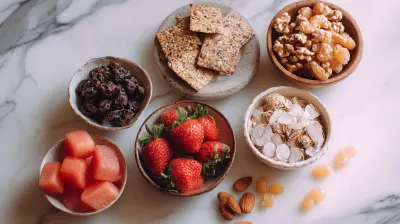
First, prioritize diversity over purity. Aim for 30 different plant foods per week. This includes fruits, vegetables, nuts, seeds, legumes, and whole grains. The number 30 is not magic, but it forces you to get out of your comfort zone. If you eat the same salad every day, you are only feeding a narrow band of bacteria.
Second, rethink your fiber intake. Do not chase a high number on a label. Instead, focus on "cooked and cooled" carbohydrates and "soluble" fibers like oats and chia seeds. If you have a sensitive gut, start with cooked vegetables instead of raw. Cooking breaks down the cellulose, making it easier for your bacteria to access the nutrients. Raw vegetables are great for a healthy gut, but they can be harsh for an inflamed one.
Third, look for spore-based probiotics if you are taking a supplement. These are a specific class of bacteria, like Bacillus coagulans, that have a protective shell. They can survive stomach acid much better than the traditional Lactobacillus strains. They are not a replacement for a healthy diet, but they are a more reliable option for those who need a daily boost.
Fourth, consider a polyphenol supplement or simply increase your intake of colorful berries, dark chocolate, and green tea. Polyphenols are plant compounds that are poorly absorbed by the small intestine but are readily fermented by the colon. They act as a special kind of fuel that promotes the growth of anti-inflammatory bacteria.
Finally, get a baseline test if you have chronic issues. But do not get obsessed with the results. The microbiome is a dynamic ecosystem that changes daily. A stool test is a snapshot, not a movie. Use it to identify major imbalances, but do not chase a perfect "score." There is no such thing as a perfect microbiome. What matters is whether you are symptom-free and feeling energetic.
The Future is Personalized
The biggest shift by 2026 is the move away from generic advice. The "one-size-fits-all" approach to gut health is dead. We are entering an era where your genetic predispositions, your diet history, and your specific microbial composition will dictate your treatment plan. There will be a greater emphasis on testing, but more importantly, on "n-of-1" experiments. You are the guinea pig, but you are also the scientist.
Do not be afraid to experiment with your diet. Try adding a new fermented food every week. See how your body reacts. Notice your energy levels after meals. This is not about perfection; it is about consistency and curiosity. The gut is forgiving, and it is incredibly responsive to positive changes. The revolution is not about a miracle pill. It is about recognizing that you have a complex ecosystem inside you that requires respect, patience, and a diverse diet to flourish.
The next two years will bring us better tools and smarter supplements, but the fundamentals remain unchanged. Eat real food, mostly plants, sleep well, and manage your stress. The technology is just making it easier for us to see why those basics work so well.
all images in this post were generated using AI tools
Category:
Health TrendsAuthor:

Jackson Mahoney
Discussion
rate this article
2 comments
Mia Kline
Exciting advancements in gut health research are emerging, promising innovative treatments and preventive measures that could transform overall wellness by 2026.
September 18, 2026 at 4:25 AM
Theo Wade
Oh great, another gut health revolution. Can't wait to hear about the miraculous new superfood that will solve all my digestion woes by 2026. I'll just sit here munching on kale and pretending I know what a microbiome is. Cheers to gut glory... or whatever!
September 16, 2026 at 2:30 AM