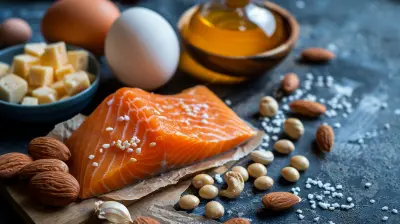
The Joy Diet: Feeding Your Emotional Wellbeing
1 November 2026
Let's get one thing straight: your brain is not a spreadsheet. It's not a bank account where you deposit calories and withdraw happiness. Yet somewhere along the way, we convinced ourselves that food is either fuel or sin, and that emotional eating is a character flaw to be scolded out of us. That's nonsense.
The relationship between what you eat and how you feel is real, but it's not the simplistic "eat kale, be happy" fairy tale the wellness industry sells. It's messy, nuanced, and deeply personal. Your gut talks to your brain. Your blood sugar swings affect your mood. Your habits around food shape your sense of control and pleasure. And yes, your emotions drive your food choices just as much as your food choices drive your emotions. It's a loop, not a one-way street.
This is the Joy Diet. Not a diet in the restrictive, count-every-almond sense. A diet in the original sense of the word: a way of living. A pattern of choices that feeds your emotional wellbeing instead of starving it. Some of it is biology. Some of it is psychology. All of it is practical.
Let's dig in.

Why Emotional Wellbeing and Food Are Entangled
Most conversations about food and mood stop at "omega-3s are good for depression" and call it a day. That's like saying sleep is good for your mood and leaving it there. True, but wildly incomplete.The food-mood connection operates on at least four levels, and understanding them changes how you approach your plate.
The biological level. Your gut houses trillions of microorganisms that produce neurotransmitters, including a meaningful share of your body's serotonin. What you feed them shapes what they produce. Fiber-rich foods, fermented foods, and a diverse plant intake support a diverse microbiome. A diet heavy in ultra-processed foods tends to narrow that diversity. This isn't about moralizing your grocery cart. It's about recognizing that your gut bacteria are metabolic roommates, and you decide what groceries show up.
The glycemic level. Blood sugar volatility is a mood hijacker. A rapid spike followed by a crash can leave you irritable, foggy, and ravenous within a couple of hours. This is why a breakfast of white toast and orange juice can set you up for a mid-morning meltdown, while a breakfast with protein, fat, and fiber tends to produce a steadier ride. The goal isn't perfect glucose control. It's fewer rollercoaster drops.
The psychological level. Food is comfort, celebration, memory, and identity. Grandma's dumplings aren't just carbohydrates. They're belonging. Anyone who tells you to sever emotion from eating is asking you to amputate a part of your humanity. The skill isn't removing emotion from food. It's making sure food isn't your only emotional tool.
The behavioral level. Restriction breeds obsession. When you outlaw entire food groups, you don't lose the desire. You amplify it, then add shame on top. That cycle, restrict then binge then guilt then restrict harder, is one of the most reliable mood destroyers in the modern kitchen. Flexibility, not rigidity, is what sustains both nutrition and peace of mind.

The Joy Diet Principles, Stated Plainly
Before we get into specifics, here's the philosophy in five lines. Everything else in this article hangs on these.1. Adequacy before optimization. Enough food, enough protein, enough fiber, enough water. Most mood problems blamed on "bad food choices" are actually problems of chronic under-eating or chaotic timing.
2. Stability over perfection. Consistent meals beat heroic meals. A steady baseline does more for your mood than an occasional virtuous day.
3. Pleasure is a nutrient. Food that tastes good and feels good is not a concession. It's part of the point.
4. Emotions are information, not emergencies. Emotional eating isn't a crime. It's a signal worth reading.
5. No food is a moral failure. Guilt is a worse ingredient than sugar.

What to Actually Eat for a Steadier Mood
Let's get concrete. You don't need a superfood list. You need a pattern.Protein at the front of the day
Protein supports stable blood sugar and provides the amino acids your brain uses to build neurotransmitters. It also tends to be satiating, which reduces the low-blood-sugar irritability that masquerades as a personality trait.Practically: aim for a palm-sized portion of protein at breakfast and lunch. Eggs, Greek yogurt, cottage cheese, tofu, tempeh, beans, fish, poultry, or leftover dinner all work. If you're someone who "can't eat in the morning," start with something small and protein-forward: a boiled egg, a yogurt cup, a handful of nuts. The goal is a foothold, not a feast.
Why it works: protein blunts the glucose spike from whatever carbohydrates accompany it, and it keeps you full longer. The trade-off is that high-protein diets can feel heavy or expensive, and people with certain kidney conditions should get individualized guidance. For most healthy adults, front-loading protein is a low-risk, high-reward move.
Fiber from plants, in variety
Fiber feeds your gut bacteria, slows digestion, and stabilizes energy. Diversity matters more than quantity. Twenty different plants in a week beats five plants eaten twenty times.Practically: think color and texture. Beans, lentils, oats, berries, leafy greens, nuts, seeds, whole grains, and vegetables of every hue. You don't need to become a vegetarian. You need to stop treating plants as garnish.
Common mistake: increasing fiber drastically overnight. Your gut will revolt with bloating and discomfort, and you'll conclude fiber is the enemy. Ramp up gradually and drink enough water. The trade-off of high-fiber eating is that it requires planning and can be uncomfortable during adjustment, but the payoff for gut and mood is substantial.
Fermented foods, in moderation and consistency
Yogurt with live cultures, kefir, kimchi, sauerkraut, miso, tempeh. These introduce live microorganisms and their metabolites. The research on fermented foods and mood is promising but not definitive, so treat this as a reasonable bet rather than a miracle cure.Practically: a small serving most days beats a giant serving once a month. Start small if you're new to fermented foods. Some people experience digestive discomfort initially, and anyone who is immunocompromised should check with a clinician before adding live-culture foods.
Omega-3 fats, from food first
Fatty fish like salmon, sardines, mackerel, and anchovies provide omega-3s that support brain function. Plant sources like walnuts, flaxseed, and chia provide a different form that the body converts less efficiently.Practically: two servings of fatty fish per week is a reasonable target for omnivores. Vegetarians and vegans should consider algae-based supplements and should discuss dosing with a professional. The trade-off: fish can be expensive and concerns about contaminants exist, which is why smaller fish like sardines are often a smart choice.
Water, boring but non-negotiable
Mild dehydration reliably produces fatigue, irritability, and difficulty concentrating. Most people walk around slightly under-hydrated and blame their mood on everything else.Practically: keep a bottle visible. Drink with meals. Check your urine color occasionally. That's it. No need for a hydration app unless you genuinely enjoy gamifying your bladder.

The Blood Sugar Rollercoaster and Why It Wrecks Your Mood
Here's a scenario you probably recognize. You skip breakfast, grab a pastry and coffee at ten, feel great for forty minutes, then crash into a foggy, irritable, snack-craving zombie by noon. You snap at a coworker. You conclude you're "not a morning person." You're actually a person with unstable glucose.The fix isn't complicated, but it requires understanding the mechanism. Rapidly absorbed carbohydrates spike blood sugar. Insulin rushes in. Blood sugar drops, sometimes below baseline. Your body interprets the drop as an emergency and releases stress hormones. You feel anxious, shaky, hungry, and irritable. Then you eat something fast-acting to fix it, and the cycle repeats.
What breaks the cycle:
- Pair carbohydrates with protein, fat, or fiber. An apple alone is fine. An apple with peanut butter is better.
- Don't skip meals if skipping makes you feral. Intermittent fasting works beautifully for some people and turns others into monsters. Know which one you are.
- Eat breakfast if you're a breakfast person. Skip it if you're genuinely not hungry and feel fine. There's no universal law here, only individual response.
- Watch liquid sugar. Soda, sweetened coffee drinks, and juice hit the bloodstream fast with little satiety. That's not a ban, it's a heads-up.
When to be careful: If you have diabetes, prediabetes, or take glucose-lowering medication, these principles need medical tailoring. Don't wing it with internet advice.
Emotional Eating: Stop Treating It Like a Crime
Emotional eating gets a bad rap, and much of that reputation is undeserved. Using food for comfort is a normal human behavior. Every culture does it. Every celebration involves it. The problem isn't that you sometimes eat for emotional reasons. The problem is when it's your only coping mechanism and it leaves you feeling worse.Here's the distinction that matters: emotional eating becomes a problem when it's automatic, frequent, and followed by shame. A bowl of ice cream after a brutal day is not a crisis. A nightly ritual of eating past fullness to numb feelings you never process, followed by self-loathing, is worth examining.
The three-question check
Before you eat for emotional reasons, run this quick internal audit. Not to talk yourself out of it, but to add awareness.1. What am I feeling right now? Name it. Boredom, loneliness, anger, anxiety, exhaustion. Naming an emotion reduces its intensity. This is well-established psychology, not woo.
2. What do I actually need? Sometimes it's food. Sometimes it's a nap, a walk, a phone call, a shower, or permission to cry. Sometimes it's food AND a nap.
3. Will this choice leave me feeling better or worse in an hour? If the answer is genuinely better, eat the thing and enjoy it without guilt. If the answer is worse, you've just given yourself a choice point.
The point isn't to eliminate emotional eating. It's to make it a choice instead of a reflex.
The pleasure paradox
Here's a counterintuitive truth: restricting pleasure backfires. When you label certain foods "bad" and forbid them, they gain power. They become forbidden fruit. You crave them more, you eat them faster, and you enjoy them less. Research on restriction and food preoccupation consistently points this direction.The alternative is what some clinicians call "unconditional permission to eat." Not a free-for-all, but a genuine internal shift: no food is off-limits, and no food is a moral test. When you truly believe you can have the cookie anytime, the cookie stops being a siren. You eat it when you want it, you enjoy it, and you move on.
This takes time and doesn't work overnight, especially if you've spent years in diet culture. But it's the direction that leads somewhere sustainable.
The Gut-Brain Conversation, Without the Hype
You've probably heard "the gut is the second brain." It's a catchy phrase with a kernel of truth wrapped in a lot of marketing. Let's separate the two.What's solid: The gut and brain communicate constantly via the vagus nerve, the immune system, and microbial metabolites. Gut bacteria influence inflammation, and chronic inflammation is linked to low mood. The microbiome is shaped by diet. These are well-supported findings.
What's oversold: Specific probiotic strains "curing" depression. Microbiome testing kits that promise personalized mood solutions. The idea that one fermented food will transform your mental health. These are areas of active research, not settled science.
What to do with this: Eat a diverse, fiber-rich diet with regular fermented foods. Treat your gut reasonably well. Don't spend hundreds of dollars on supplements promising mood miracles. If you have persistent digestive issues alongside mood concerns, see a gastroenterologist and a mental health professional rather than self-diagnosing from podcasts.
Caffeine, Alcohol, and the Mood Tax
Both caffeine and alcohol are mood-altering substances, and both deserve honest accounting.Caffeine
Caffeine is a stimulant that improves alertness and mood in the short term. It also has a half-life of roughly five hours, meaning a quarter of your afternoon coffee is still circulating at midnight. For people sensitive to it, caffeine worsens anxiety, disrupts sleep, and creates a dependency cycle where you need it to feel normal.Practical guidance: Cap intake at a level that doesn't wreck your sleep. Cut off caffeine eight to ten hours before bed. If you're anxious, experiment with reducing intake and see what happens. The trade-off is obvious: less caffeine can mean a rough week of withdrawal, followed by better sleep and calmer nerves.
Alcohol
Alcohol is a depressant that initially feels like a mood elevator. That's the trap. It disrupts sleep architecture, worsens anxiety the next day, and over time is associated with increased depression risk. Even moderate drinking can blunt emotional processing.Practical guidance: If you drink, notice how you feel the day after. Some people tolerate a glass of wine fine. Others get a two-day mood hangover from one cocktail. Know your pattern. If alcohol is your primary mood management tool, that's worth discussing with a professional. The trade-off of cutting back is social friction and initial discomfort, offset by better sleep and steadier mood for many people.
Building a Joy Diet That Survives Real Life
Here's where most wellness advice falls apart: it assumes a life with unlimited time, money, and executive function. Let's build something that survives a Tuesday.The 80/20 plate, loosely applied
Roughly 80 percent of your eating follows the stable, nutrient-dense patterns described above. Roughly 20 percent is whatever brings you joy, whether that's birthday cake, fried chicken, or a bag of chips on a bad day. This isn't a strict formula. It's a mental model that prevents both perfectionism and chaos.The meal template approach
Instead of recipes, use templates. Protein plus fiber-rich carbohydrate plus produce plus fat. Scramble eggs with spinach and toast. Beans with rice and salsa and avocado. Chicken with roasted vegetables and quinoa. Once you internalize the template, you can improvise with whatever's in the fridge. This is how people actually eat well long-term, not by following recipes but by internalizing structure.The environment design
Willpower is unreliable. Environment is reliable. Put fruit where you see it. Put the chips on a high shelf. Prep protein on Sunday if that's your thing. Keep a water bottle in sight. These small friction adjustments do more than any motivational mantra.The social dimension
Food is social. Eating alone in a corner with a tupperware of steamed broccoli is not the goal. Shared meals, restaurants, celebrations, and holidays are part of a joyful diet. Learn to navigate them without anxiety. Eat what you want, notice how you feel, and don't treat a restaurant meal like a moral exam.Common Mistakes and Misconceptions
Mistake: Treating supplements as the solution. Most people don't need a shelf of pills. They need regular meals, sleep, and movement. Specific deficiencies (iron, B12, vitamin D, for example) warrant targeted supplementation, ideally confirmed by testing. Randomly mega-dosing isn't a mood strategy.Mistake: Chasing the perfect diet. Orthorexia, an unhealthy obsession with "clean" eating, is a real and rising problem. If your food rules are shrinking your life, your social world, and your peace of mind, the diet is the problem, not your willpower.
Mistake: Ignoring sleep and movement. You cannot out-eat poor sleep. Sleep deprivation spikes hunger hormones, worsens mood, and impairs decision-making. Movement, even a walk, has robust mood benefits. Food is one pillar, not the whole temple.
Misconception: "Sugar makes you depressed." Sugar isn't a moral failing and doesn't single-handedly cause depression. Chronic patterns of unstable blood sugar, poor sleep, and low nutrient diversity are the real concerns. A cookie is not a diagnosis.
Misconception: "You should only eat when physically hungry." Hunger isn't the only valid reason to eat. Celebration, comfort, and pleasure are legitimate. The goal is awareness, not robotic eating.
When to Get Professional Help
This article is education, not treatment. If you experience persistent low mood, anxiety, disordered eating patterns, or a relationship with food that feels out of control, work with a qualified professional. A registered dietitian, particularly one trained in intuitive eating or eating disorder care, can be transformative. A therapist can help you untangle the emotional layers. A physician can rule out medical causes like thyroid issues or nutrient deficiencies.There's no shame in that. The Joy Diet isn't a solo sport.
The Bottom Line
Feeding your emotional wellbeing isn't about finding the perfect superfood or eliminating entire food groups. It's about building a stable, pleasurable, flexible pattern of eating that supports your biology and respects your psychology. Protein and fiber for stability. Fermented foods and plants for your gut. Pleasure without guilt. Awareness without obsession. And enough self-compassion to survive the days when you eat cold pizza at midnight.Your mood and your meals are in a long-term relationship. Treat that relationship with honesty, patience, and a sense of humor. That's the Joy Diet. Now go eat something that makes you feel good, in both senses of the word.
all images in this post were generated using AI tools
Category:
Health TrendsAuthor:

Jackson Mahoney