The Role of Sleep and Recovery in Achieving Your Health Goals
10 November 2026
Achieving health goals often feels like a complex puzzle, with various pieces needing to fit together. Among these, sleep and recovery play pivotal roles that are frequently overlooked. Whether your goals involve weight loss, muscle gain, improved mental health, or enhanced athletic performance, understanding how sleep and recovery impact these aspirations is vital. The connection between adequate rest and overall health is profound, affecting not just physical capabilities but also mental resilience and emotional well-being.

The Science Behind Sleep
Understanding Sleep Cycles
Sleep is not a uniform state but rather a complex cycle comprising several stages. These can be broadly divided into two categories: non-REM (Rapid Eye Movement) sleep and REM sleep. Non-REM sleep is further categorized into three stages:1. Stage 1: Light sleep, where one drifts in and out of sleep.
2. Stage 2: Deeper sleep, characterized by sleep spindles and the absence of eye movement.
3. Stage 3: Deep sleep, the most restorative phase, crucial for physical recovery.
REM sleep, occurring about 90 minutes after falling asleep, is essential for cognitive functions such as memory consolidation and emotional processing. Understanding these cycles is essential when discussing sleep's role in recovery and health.
The Physiological Impact of Sleep
Sleep affects numerous physiological processes. During deep sleep, the body undergoes repair and regeneration. Muscle tissue is rebuilt, and the immune system is bolstered. Hormones such as growth hormone, which plays a significant role in tissue growth and muscle development, are primarily released during sleep. On the other hand, lack of sleep can increase cortisol levels, leading to stress and hindering recovery.Research indicates that insufficient sleep can lead to increased inflammation and metabolic dysregulation, both of which can derail health goals. For instance, a study found that individuals who slept less than seven hours per night had a higher risk of obesity and insulin resistance, two conditions that complicate weight management efforts.
Recovery: More Than Just Sleep
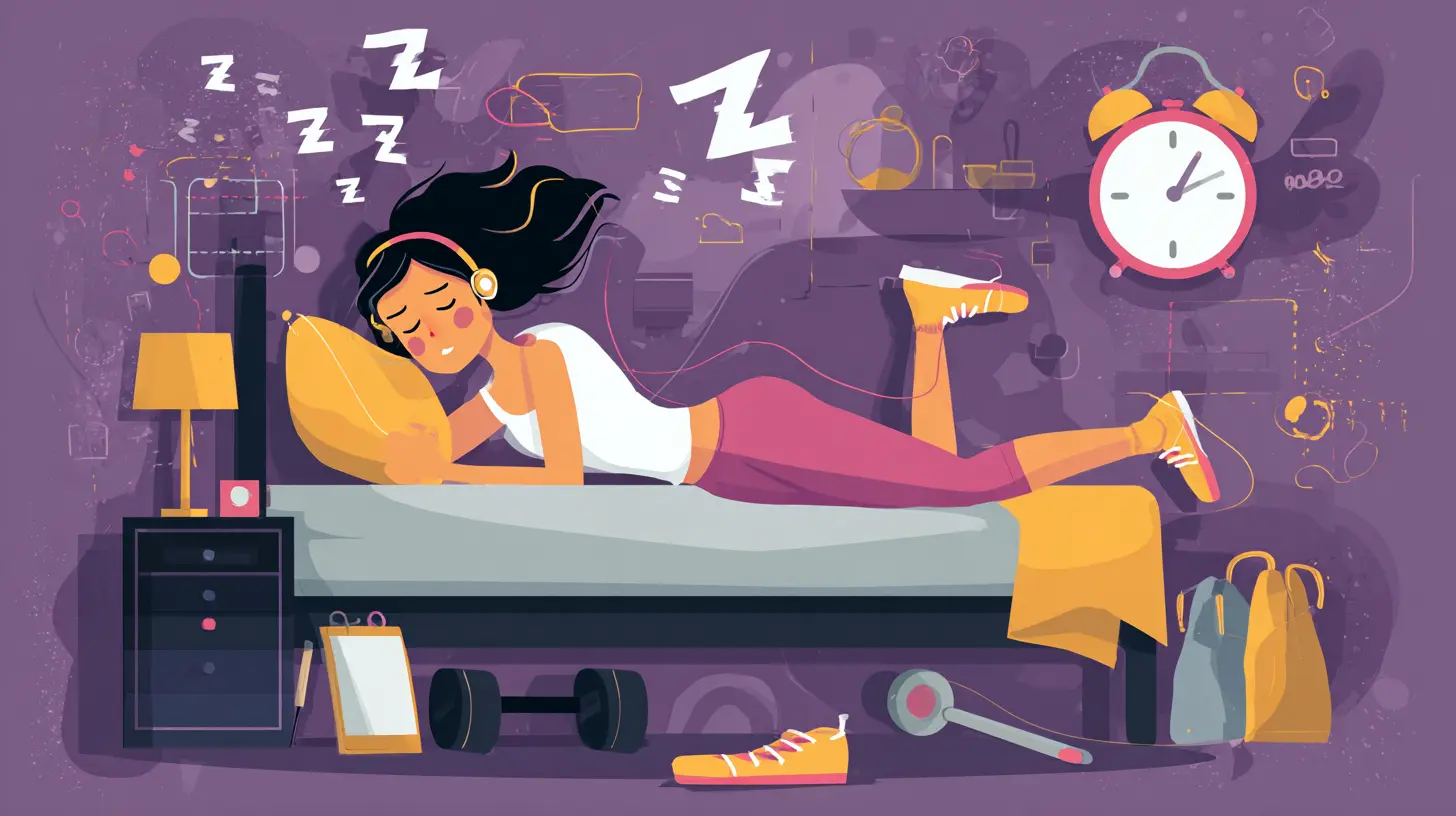
While sleep is a foundational aspect of recovery, it is not the sole contributor. Recovery encompasses a range of practices aimed at restoring the body and mind. These include:- Active Recovery: Engaging in low-intensity exercise to promote blood flow and reduce muscle soreness.
- Nutrition: Consuming adequate nutrients, particularly protein and carbohydrates, to support muscle repair and energy replenishment.
- Hydration: Ensuring proper fluid intake to facilitate metabolic processes.
- Stress Management: Utilizing techniques such as mindfulness, meditation, or deep-breathing exercises to reduce mental and emotional stress.
The Interplay Between Sleep and Recovery Practices
Understanding how recovery practices synergize with sleep can enhance overall effectiveness. For example, engaging in active recovery can improve sleep quality. After a low-intensity workout, the body often feels more relaxed, leading to a deeper sleep state. Conversely, poor sleep can hinder recovery practices, making it more challenging to perform at one's best.
Achieving Health Goals: The Sleep-Recovery Connection
Weight Management
When it comes to weight management, sleep can significantly influence outcomes. Studies have shown that individuals who prioritize sleep are more likely to maintain a healthy weight. This connection is partly due to hormonal regulation. Sleep deprivation can disrupt ghrelin and leptin levels-two hormones responsible for appetite regulation. Ghrelin stimulates hunger, while leptin promotes a feeling of fullness. An imbalance can lead to increased cravings and overeating.Practical Advice for Weight Management
- Aim for seven to nine hours of quality sleep per night.- Establish a regular sleep schedule, going to bed and waking up at the same time daily.
- Create a sleep-friendly environment: keep the room dark, cool, and quiet.
- Limit screen time before bed, as blue light can interfere with melatonin production.
Muscle Growth and Athletic Performance
For athletes and those focused on muscle gain, the relationship between sleep and performance cannot be overstated. During sleep, the body repairs microtears in muscles, leading to growth. Inadequate sleep can result in diminished strength and endurance, reducing training effectiveness.Research suggests that athletes who sleep less than eight hours per night may experience slower reaction times, decreased accuracy, and impaired judgment. These factors can significantly affect performance in competitive sports.
Best Practices for Athletes
- Prioritize consistent sleep routines, particularly during training cycles.- Consider naps as a recovery tool, especially before competitions or intense training sessions.
- Focus on post-workout nutrition that supports recovery, including protein and carbohydrates.
- Monitor sleep quality and adjust training loads accordingly.
Mental Health and Cognitive Function
Sleep also plays a critical role in mental health. Insufficient sleep is linked to conditions such as anxiety and depression. The brain processes emotions and memories during sleep, and lack of it can lead to a foggy mind and poor decision-making.Research has demonstrated that individuals who experience chronic sleep deprivation may struggle with emotional regulation. This can lead to poor lifestyle choices, further complicating health goals.
Strategies for Mental Well-Being
- Incorporate relaxation techniques into your nighttime routine, such as yoga or reading.- Keep a sleep diary to identify patterns and triggers that affect sleep quality.
- Seek professional help if sleep issues persist, as they may require targeted interventions.
Common Misconceptions About Sleep and Recovery
Myth: "I Can Catch Up on Sleep"
Many believe that missing sleep during the week can be compensated for on weekends. While this might provide temporary relief, it does not effectively restore the cognitive and physical deficits caused by sleep deprivation. Chronic sleep debt has compounding effects, making it essential to prioritize sleep consistently.Myth: "More Sleep Equals Better Recovery"
While adequate sleep is essential, more sleep does not always equate to better recovery. Quality matters as much as quantity. Disruptions in sleep quality-such as frequent awakenings or sleep apnea-can negate the benefits of longer sleep durations.Myth: "You Don't Need Sleep if You Exercise Regularly"
While regular exercise can improve sleep quality, it does not eliminate the need for sufficient sleep. Exercise alone cannot compensate for the restorative processes that occur during sleep. Neglecting rest can lead to overtraining, increasing injury risk and hindering progress.Conclusion: Prioritizing Sleep and Recovery
In the pursuit of health goals, sleep and recovery should be at the forefront of your strategy. The interconnection between rest, physical recovery, and mental well-being is profound. By prioritizing sleep and integrating effective recovery practices, you set yourself up for success in achieving your health aspirations.The key is to recognize that sleep is not just a passive state but an active contributor to your overall health. By optimizing your sleep habits, you can enhance your physical performance, emotional resilience, and cognitive functions. This holistic approach to health will lead to sustainable changes and long-term success.
all images in this post were generated using AI tools
Category:
Health GoalsAuthor:

Jackson Mahoney
Discussion
rate this article
1 comments
Robert McLaughlin
Sleep is often overlooked but is crucial for achieving health goals. Restful sleep aids recovery, boosts metabolism, and enhances cognitive function. Prioritizing good sleep habits can significantly improve workout performance and overall well-being. Don't underestimate the power of a good night's rest.
November 10, 2026 at 3:43 AM